A Summer Driving Guide to Ayvalık and Cunda
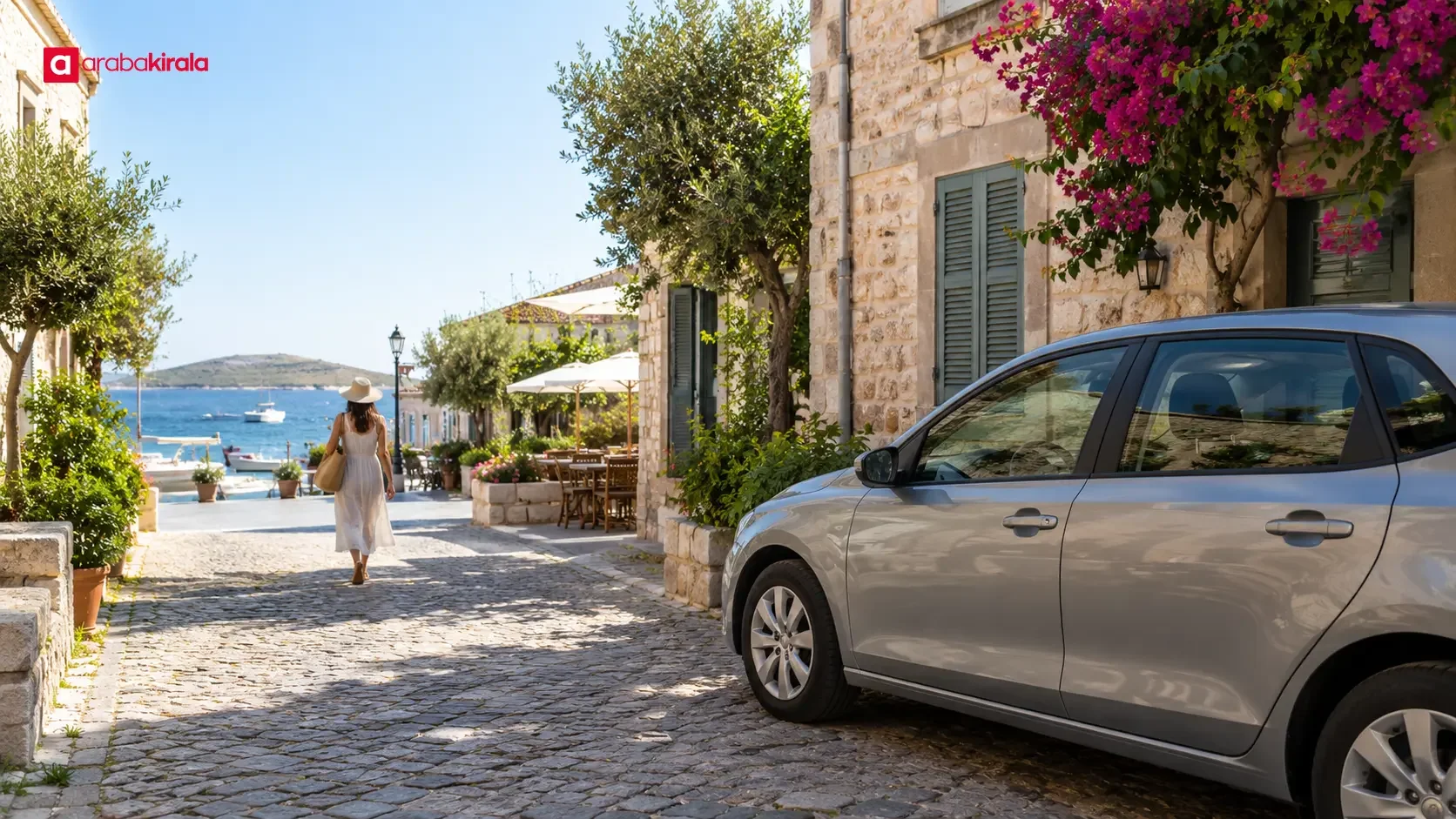
A summer trip to Ayvalık and Cunda by car takes more planning than choosing a few places on a map. In the busy season, traffic, narrow streets, pedestrian activity and time spent looking for parking can shape the day. A useful approach is to drive between areas, park in a suitable place, then explore nearby streets on foot. This guide explains how to plan parking, walking routes and a realistic day in Ayvalık and Cunda, also known as Alibey Island.
Plan the trip by area
Ayvalık’s center and Cunda can fit into one itinerary, but they do not need to be treated as a continuous driving tour. Give each area time of its own. Group nearby stops together, park once where practical, and walk between places in the same neighborhood. Two places that look close on a map may take longer to reach because of road conditions, traffic or the time needed to find a legal parking space.
Before setting out, list the places you most want to see and sort them by area: the town center, the waterfront, Cunda’s center and any more distant natural spots. Use the list to shape a flexible morning, midday and evening plan rather than assigning a strict arrival time to every stop. Leave room for meals, rest and walking. If one place takes longer than expected, a flexible schedule makes it easier to adjust the rest of the day.
Finding and using parking in summer
In a busy travel period, parking can take a meaningful part of the day. Check the area around your destination on a map in advance, but treat map listings as a starting point rather than a guarantee that a space will be available. Follow the signs and road markings you see on site. Repeatedly circling narrow streets may cost more time than parking at a suitable, permitted location and walking the remaining distance.
When parking, keep entrances, junction visibility, pedestrian access and vehicle movement clear. A paved area or the edge of a street is not automatically an approved parking place; posted signs and local directions matter. At a paid car park, check the displayed rate, payment method and operating information. These details can vary by location or operator, so do not build a budget around an assumed fixed charge.
Park once and explore on foot
In historic or busy parts of Ayvalık and Cunda, walking short distances can be simpler than moving the car for each stop. From the parking place, make a small walking loop that connects the places you want to see, a break and the return route. Choose a distance that suits the group’s pace, the weather and any mobility needs. In hot weather, include shade and rest stops rather than treating them as optional extras.
Some streets in central Cunda may feel narrow or crowded, making entry and parking difficult. Do not rely on a navigation app alone: follow traffic signs, give pedestrians room and adapt to the road as it actually is. Even where vehicle access is allowed, slow down around people and avoid abrupt maneuvers.
A flexible day plan
Morning: the center and nearby sights
Use the earlier part of the day for a walk through the center, when heat and visitor activity may be easier to manage than later on. Leave the car in a permitted space, then explore the surrounding streets, architecture and waterfront on foot. Keep the morning focused on a few nearby places instead of filling it with a long checklist. That leaves time to pause, take photos or find a place for a meal without rushing.
Bring water and prepare for the conditions with comfortable shoes, a hat and sun protection as appropriate. The route should account for the group’s pace and the amount of time spent in the sun. A short planned break can make the rest of the walk more comfortable.
Midday: rest and fewer transfers
Heat and crowds can make a long midday walk tiring. Use this part of the day for a meal or a shaded rest. Before moving the car to a nearby stop, consider whether the drive, traffic and search for another space will actually save time. In a busy center, a short walk may be the more practical choice.
If a beach or swimming stop is part of the plan, follow parking signs and do not leave valuables visible in the car. Access and parking conditions differ from one stretch of coast to another. Check current directions for the specific place you intend to visit instead of assuming that every point along the shore is reachable by car.
Evening: Cunda and the return journey
If you plan to spend the evening in Cunda, think ahead about when to travel there and how you will return. Visitor traffic can affect both the crossing and the search for parking. Arriving earlier, parking in an appropriate place and walking through the center can make the evening easier to manage. Consider pedestrian movement around your dinner destination as well as the car park.
As daylight fades, visibility changes and a full day of walking can leave the driver tired. Take a break if you feel fatigue or find your attention slipping. At night, adjust speed to visibility, road and traffic conditions, and take extra care at crossings and in areas with limited lighting.
Use maps to organize the route
A map is useful for more than calculating the shortest drive. Use it to group stops, identify possible parking areas and mark the start of a walking route. Having the parking place, nearby stops and the next area visible together can reduce the need to rebuild the route repeatedly. Downloading an offline map may help where mobile reception is limited, but check road signs and actual vehicle access on site.
Keep a main route and a flexible alternative. If a street is closed or parking is difficult, a nearby walkable area may be a better next stop than driving back and forth across town. Build in time for traffic, parking and rest instead of treating a navigation app’s drive-time estimate as the full journey time.
Include the rental pickup and return in your itinerary
The pickup and return arrangements affect how a driving trip fits into the day. Before confirming a reservation, ask the branch you will rent from about its opening hours, pickup and return location, fuel procedure, mileage terms and any additional-driver process. These details can differ by reservation and branch, so a general destination guide cannot establish them. If your return is planned for late in the day, confirm the applicable procedure and opening hours directly with that branch.
At pickup, review the vehicle’s recorded condition and fuel level. Matching those details against the return record can make the handover clearer. The odometer helps compare recorded use at pickup and return; ask the branch about any mileage allowance or related charges. Learn where the controls and safety equipment are before setting off. If you notice a warning light, damage or a mechanical concern, stop somewhere safe and contact the rental office instead of attempting unfamiliar repairs.
Comfort and safe driving in summer
Hot weather can add strain to a long drive. Start rested, keep drinking water available and take a break in a safe place if heat or fatigue affects your concentration. Ventilate the cabin and use the air conditioning sensibly. If travelling with children, resolve child-seat selection and correct installation before starting the journey; the appropriate seat depends on the child’s size and the vehicle’s compatibility.
Pack luggage so it does not obstruct the driver’s view. Before opening a door, look for cyclists and pedestrians. In a narrow street, do not rush a parking maneuver; if you cannot find a safe, permitted space, choose another location. Move slowly where people are walking, respect signs and set up navigation before driving. If you need to change the route, pull over somewhere safe first.
Quick checklist for an Ayvalık and Cunda car trip
- Group destinations by area and plan a walkable route within each one.
- Review possible parking locations on a map, then follow local signs on site.
- Consider leaving the car parked while visiting busy centers on foot.
- Leave flexible time for traffic, parking, rest and waiting.
- Ask the rental branch directly about pickup, return, mileage and reservation details.
- Review the vehicle condition at pickup and check the fuel and odometer before return.
- Factor heat, fatigue and pedestrian activity into the driving plan.
Frequently asked questions
Can Ayvalık and Cunda both be visited in one day by car?
It depends on the number of stops, walking pace and how busy the day is. Visiting both areas may be possible, but choosing a few priorities is more realistic than trying to see everything. Parking once and exploring each center on foot can reduce time spent moving the car.
Is it better to drive around central Cunda or walk?
That depends on current road and parking conditions. In narrow or busy sections, leaving the car in an appropriate place and walking may be more comfortable. Follow signs and consider actual conditions alongside navigation advice.
How much does parking cost, and when is a car park open?
Rates, hours and payment methods vary by location and operator. Check the information displayed at the specific car park and avoid assuming a single fixed price.
Can a rental car be returned late in the evening?
Return hours and procedures vary by branch. Before booking, confirm the opening hours, drop-off location and key handover process with the branch you will use. Do not assume every location offers the same arrangement.
What kind of vehicle suits the trip?
Consider passenger count, luggage, driving preferences and the roads on your itinerary. A smaller vehicle may be easier to maneuver in narrow streets, while a longer drive can make comfort and luggage space more relevant. Check vehicle features and availability when making the reservation.
Legal Disclaimer: All content, articles and information on the Araba Kirala website are provided solely to inform users. No information shared on this website constitutes definitive advice or guidance. Araba Kirala Teknoloji A.Ş. and its authors cannot be held responsible for any direct or indirect damages arising from the application of information on the website. For all questions and requests regarding car rental, please contact the office from which you will rent your vehicle.