
A Summer Road Trip in Amasra: Coastal Stops, Parking and Walks
Published: October 6, 2026 • Reading Time: 7 min • Last Updated: October 6, 2026
Plan a summer visit to Amasra by combining coastal stops, practical parking choices and walks. Build a flexible itinerary that accounts for heat, crowds and rental-car details.
Contents
- Plan for both driving and walking
- Arrange coastal stops around the day
- Use the cooler morning for a walk
- Give the middle of the day more room
- Finish with a viewpoint or an easy return
- Make parking part of the itinerary
- Before setting off in a rental car
- Drive safely and prepare for the walk
- Frequently asked questions
- Is Amasra easier to explore by car or on foot?
- How should I plan for parking in summer?
- How many stops fit into a day in Amasra?
- What should I confirm before travelling with a rental car?
- A practical next step
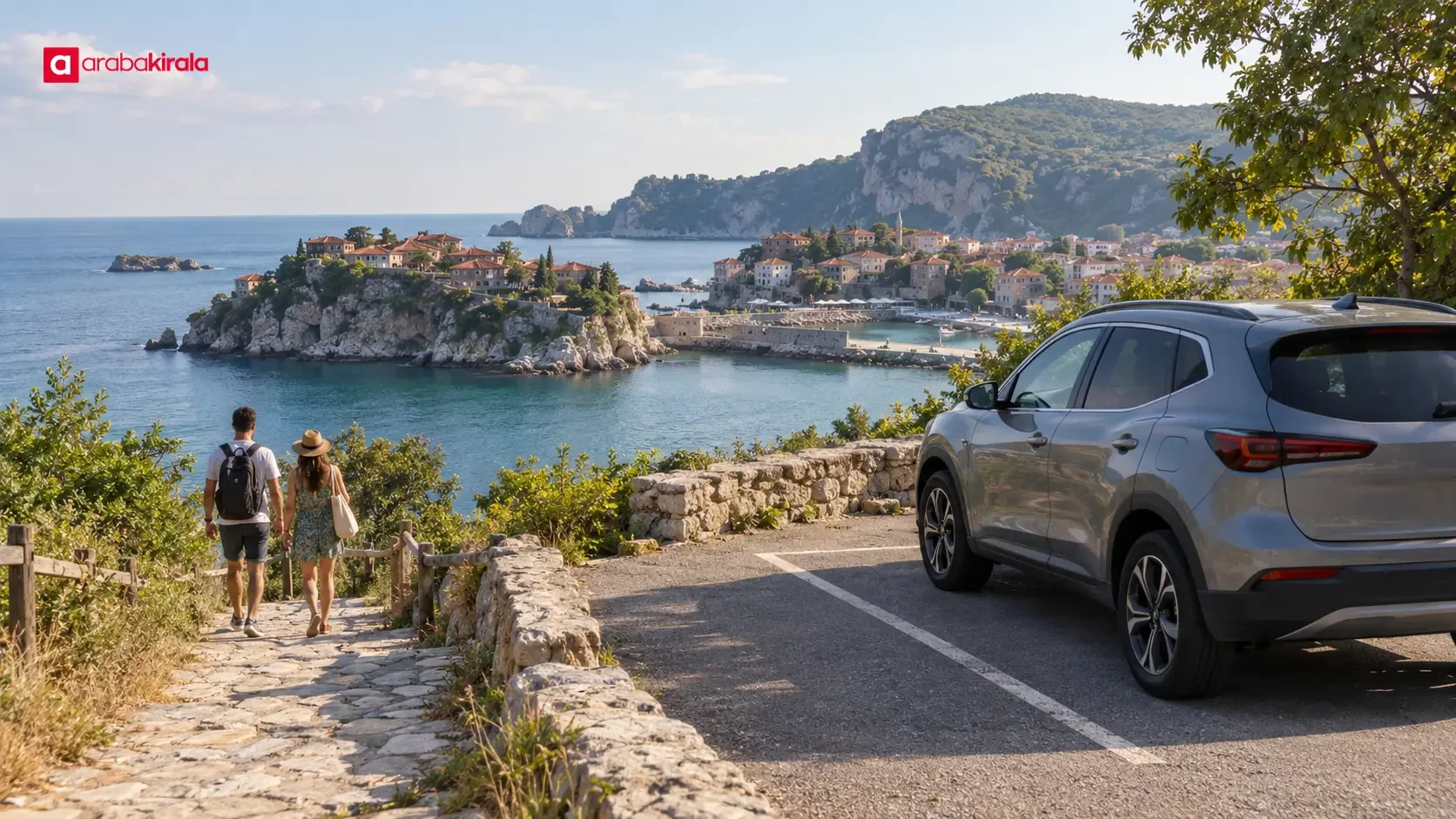
A summer road trip in Amasra works best when driving and walking each have a clear role. A car can help you reach town and move between farther destinations, while the coast and central streets are often easier to explore on foot once you have parked. This guide explains how to sequence coastal stops, choose a sensible place to leave the car, pace a walk through the warmest part of the day and check rental details before departure. The aim is a relaxed route that leaves room for views, breaks and local conditions instead of repeated short drives and parking searches.
Plan for both driving and walking
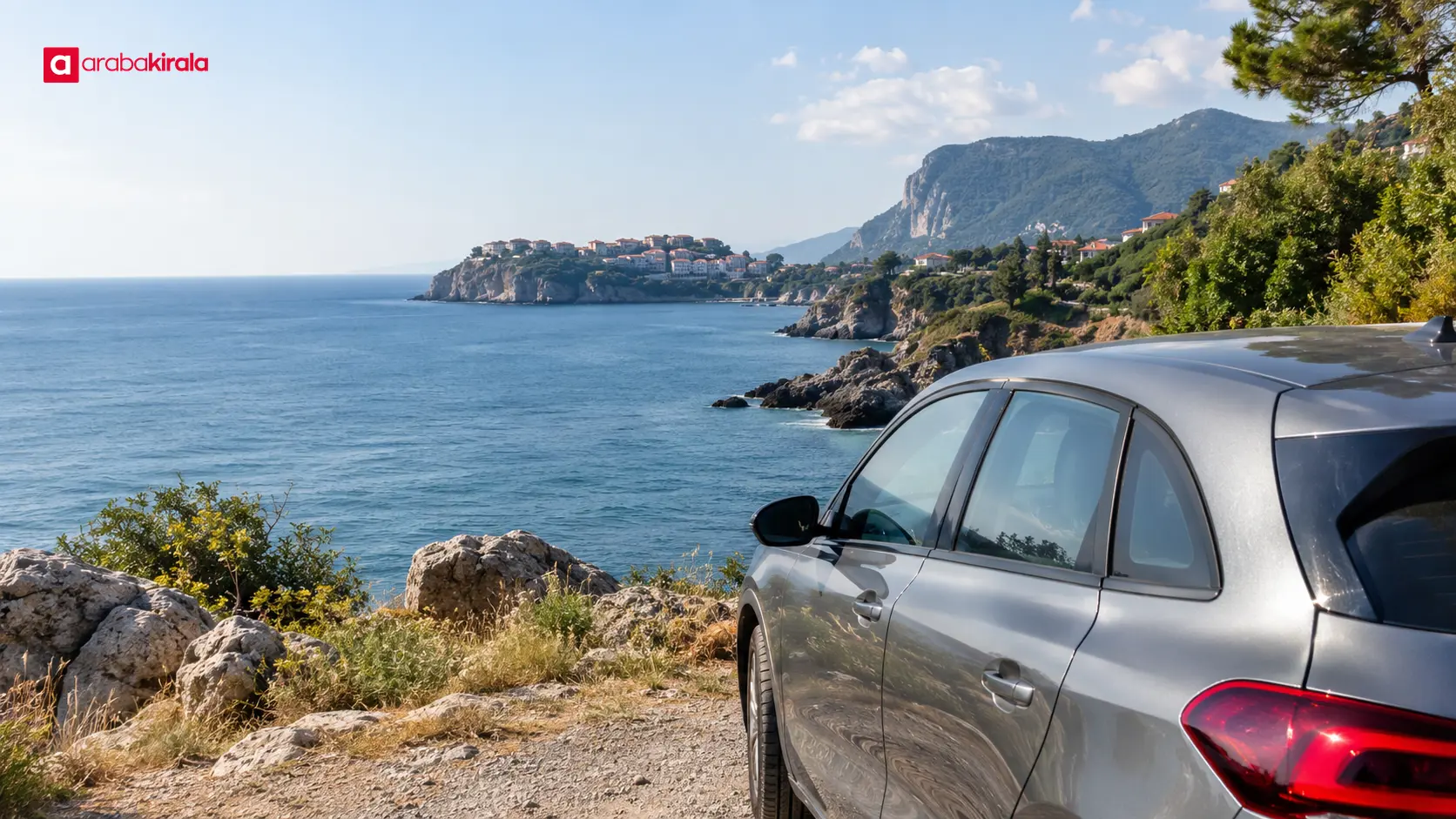
Think of the car as a way to reach the start of your visit and connect places that are farther apart. Near the waterfront, walking lets you take in the harbor, shoreline and surrounding streets without having to find a new space at each stop. A practical pattern is to arrive by car, park once, explore a connected area on foot and drive again only when you are ready to move to another part of the region.
Choose a few main priorities instead of filling the day with fixed appointments. Crowds, weather and your own pace can change how long a stop takes. The waterfront, harbor area and viewpoints may fit into one day, but there is no need to cover every location. Check a map for walking connections before you set off, and remember that a short map distance may include slopes, steps, busy pavements or a longer return route. Leave space for water and rest breaks as well as the walk itself.
Arrange coastal stops around the day
Use the cooler morning for a walk
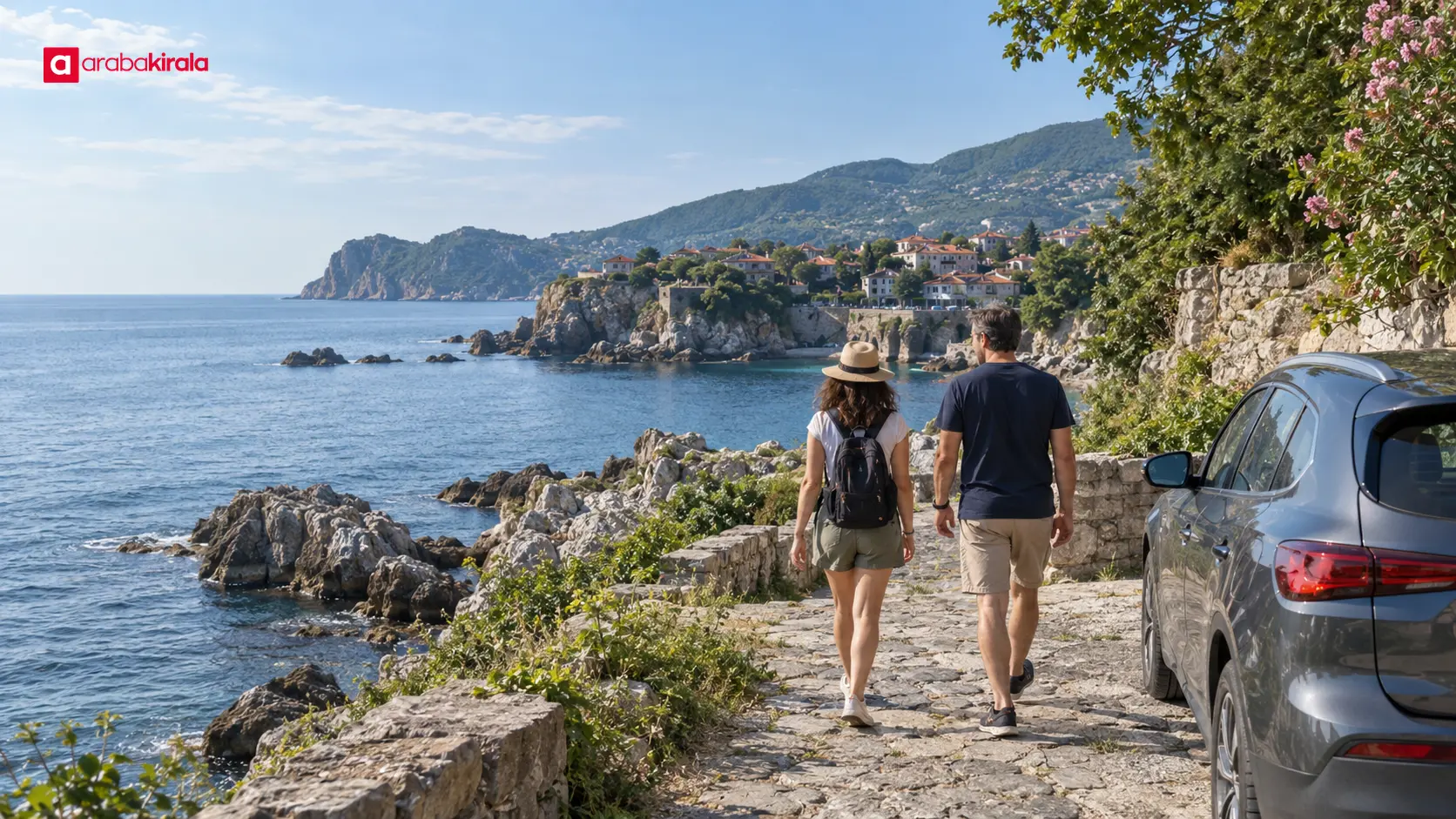
Early hours in summer are often more comfortable for walking outdoors and stopping for photographs. Start by getting a feel for the coast: follow the waterfront, take in the harbor area and pause at viewpoints that are accessible along your route. If several places are close together, leave the car parked and walk between them rather than returning to it after every short stop. This reduces the time spent navigating busy streets and looking for parking.
Plan the return as carefully as the outward route. Heat, sun exposure and pedestrian traffic can make a walk feel longer than expected. Look up where you can rest or find shade, and carry water. If swimming is part of your visit, check local information for suitable, permitted areas. Do not climb onto unstable rocks or enter a stretch of coast that is closed or unsafe.
Give the middle of the day more room
During the hottest part of the day, shorten exposed walks and allow a longer break in a shaded or indoor place. Use the pause to eat, replenish water and decide whether the next stop still fits. If you plan to visit a museum or another indoor attraction, check current opening and access information through an official or local channel before going, as schedules can change. Reducing the number of stops is often more comfortable than trying to keep to a packed itinerary in strong sun.
Finish with a viewpoint or an easy return
Later in the day, you might return to the waterfront or make one short visit to a viewpoint, depending on daylight and the weather. If you drive to a scenic spot, review the route and parking possibilities in advance. Do not stop suddenly on a narrow or low-visibility road for a photograph. If there is no appropriate place to park, choose another stop and keep the road clear. Before the return drive, make sure you know the route, especially if you are unfamiliar with the roads or expect to travel after dark.
Make parking part of the itinerary
Summer activity around the waterfront and central area can affect how easy it is to find a space. Do not assume that a particular lot will have room when you arrive. Check current parking options and the walking distance to your first stop before setting off, then follow local signs and traffic directions. Park without blocking a pavement, entrance, junction, emergency access or another driver's view. Your vehicle should not obstruct pedestrians or local traffic.
Once parked, save the location on your phone so you can find the car after a walk. A photo can also help, but be mindful of other people's privacy and avoid leaving valuables visible inside the vehicle. The closest space is not always the most practical choice: a suitable spot a short walk away can save time compared with circling narrow streets in search of a space right beside the coast.
Before setting off in a rental car
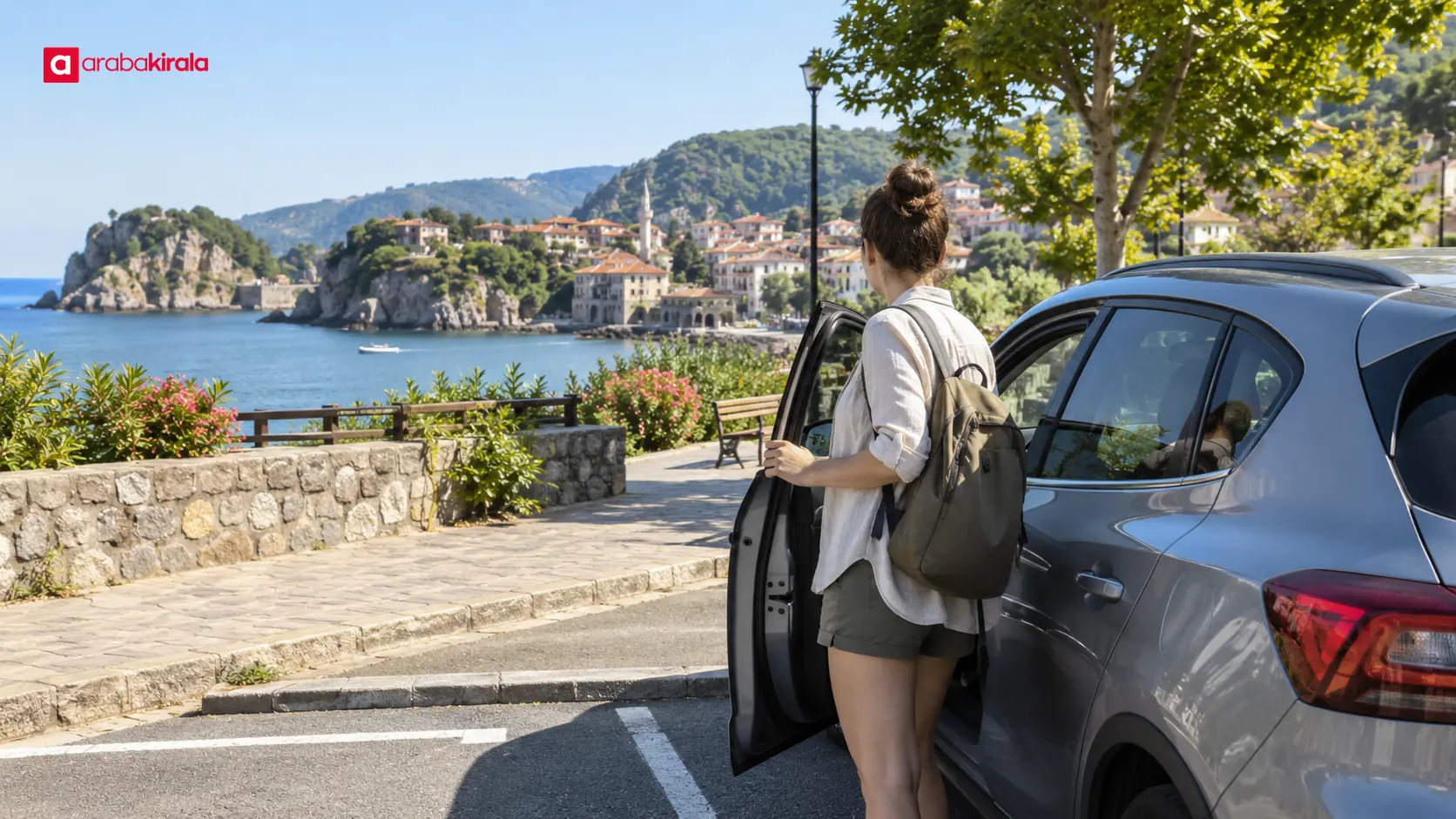
If you are travelling to Amasra in a rental car, confirm the booking and handover details with the branch you will use. Clarify the pickup and return place and time, any usage conditions that could affect your route, and any service you need. Details can vary by rental, so avoid relying on assumptions about what will be available.
Before taking the keys, review visible existing marks, the fuel level and the odometer against the handover record. Ask where the vehicle documents and basic equipment are kept. If a warning light is showing, point it out to the staff before leaving. The purpose is to understand and record the vehicle's handover condition, not to attempt a repair. If you notice new damage or a technical warning during the trip, stop somewhere safe and contact the branch from which you rented.
Drive safely and prepare for the walk
- Review the route before driving: Choose your start, destination and possible parking areas in advance. Do not handle your phone while the vehicle is moving.
- Adjust to local roads: Use a cautious speed on narrow streets and give room to pedestrians, cyclists and oncoming traffic. Take extra care when visibility is limited.
- Pack for a coastal walk: Comfortable shoes, water, sun protection and a light bag help make time outdoors easier. Consider the forecast and remaining daylight.
- Stay in safe walking areas: Watch for traffic near roads and avoid slippery rocks, restricted areas and unsafe access points.
- Keep the schedule flexible: If it becomes hotter or busier, drop a stop, take a break and avoid starting a drive when tired.
Frequently asked questions
Is Amasra easier to explore by car or on foot?
Each suits a different part of the trip. A car is useful for reaching Amasra and travelling to more distant places; walking is a good way to explore connected streets and coastal areas. Parking in a suitable place and making the waterfront portion of the visit on foot is a practical approach for many itineraries.
How should I plan for parking in summer?
Research current parking options and walking connections for the area you intend to visit instead of counting on a specific space being free. Follow signs and local directions, and do not park casually at the roadside. During busy periods, be ready to walk from an alternative area.
How many stops fit into a day in Amasra?
That depends on where you start, your walking pace and how long you want to spend at each place. A flexible day with a morning coastal walk, a substantial midday break and one later viewpoint can be more relaxing than rushing through many locations.
What should I confirm before travelling with a rental car?
Ask the branch handling your rental to confirm pickup and return arrangements, applicable usage details and anything that could affect your travel plan. At handover, compare the vehicle's recorded condition and dashboard readings with the documentation, and clarify anything you do not understand before setting off.
A practical next step
Start your Amasra summer plan by choosing a few coastal and nearby stops, identifying a place where you can park and connect them on foot, and checking alternative parking options. Leave time to rest during the warmest hours, and use the car when you are moving to a genuinely different area. If you are renting, confirm handover and return arrangements directly with the relevant branch. A simple, flexible plan makes it easier to enjoy the coast at a comfortable pace.
Legal Disclaimer: All content, articles and information on the Araba Kirala website are provided solely to inform users. No information shared on this website constitutes definitive advice or guidance. Araba Kirala Teknoloji A.Ş. and its authors cannot be held responsible for any direct or indirect damages arising from the application of information on the website. For all questions and requests regarding car rental, please contact the office from which you will rent your vehicle.