A Summer Road Trip in Bozcaada: Ferry Crossing and Island Plans
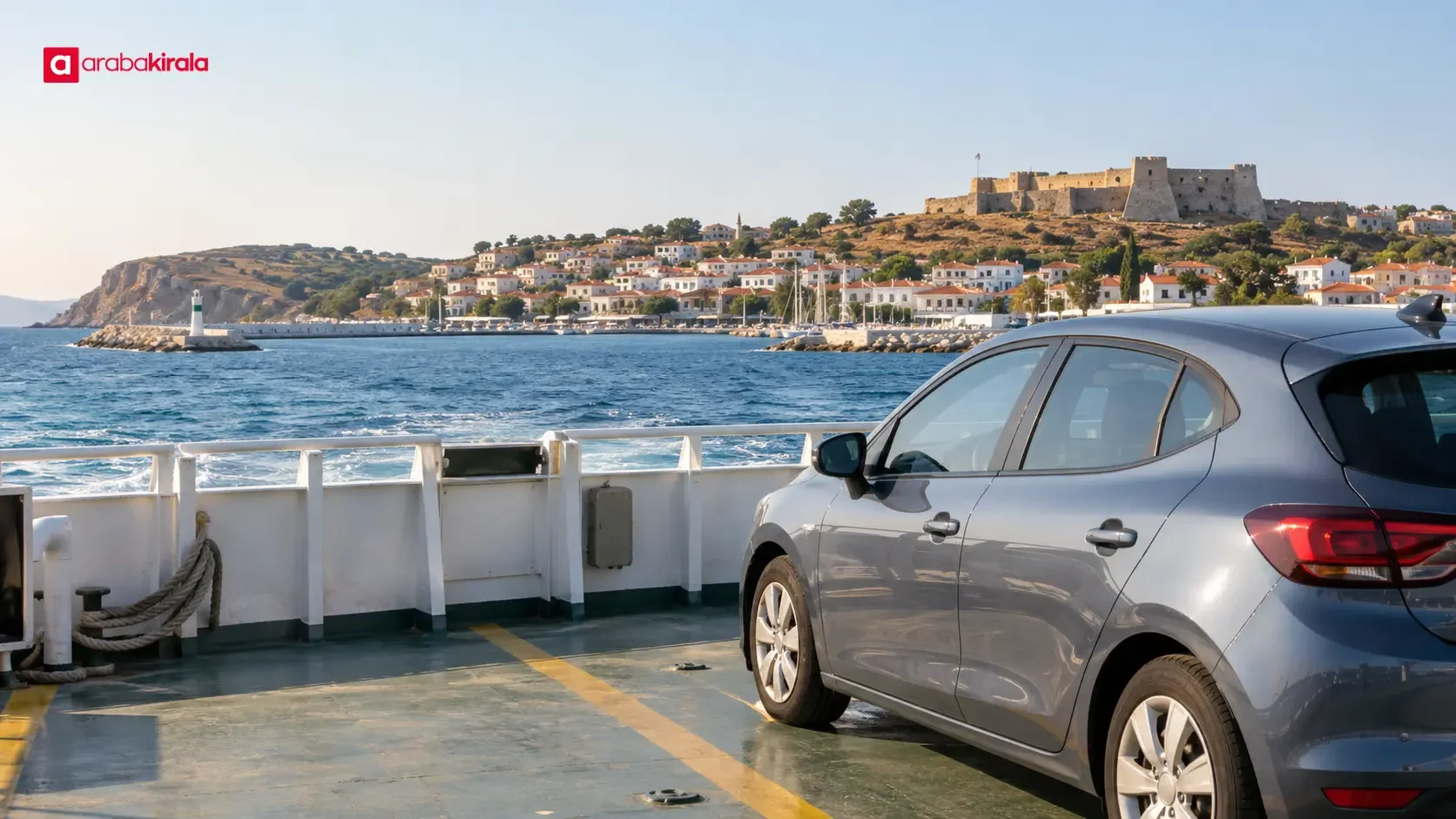
A summer road trip to Bozcaada has two connected parts: reaching the island by ferry and getting around after arrival. Having a car can make it easier to visit places beyond the center, but summer traffic, ferry queues, narrow settlement streets, and limited parking can shape the day. Bringing a car does not mean every stop is best reached by car. A thoughtful route that combines driving with short walks can make visits more comfortable and reduce time spent searching for a place to park.
Make the ferry crossing part of the itinerary
For a car journey to Bozcaada, the ferry schedule is part of the overland trip rather than a separate detail. Check the ferry operator’s current official notices for your travel date, since sailing times and boarding procedures can change. Confirm ticketing, reservations, vehicle categories, check-in, and queue instructions directly with the operator if they apply to your crossing. Older posts and search snippets may not reflect the current arrangement.
Allow time to reach the terminal beyond the duration of the sailing itself. Road traffic, a rest stop, the approach to the port, and the possibility of waiting in a vehicle queue can all affect arrival. Trying to refuel or take a long break just before boarding can create avoidable pressure. Follow the operator’s published arrival and boarding guidance, and pay attention to staff instructions while vehicles are lined up.
Vehicle dimensions, fares, ticketing, and passenger procedures are specific to the operator and sailing arrangements. Do not assume one general rule covers every journey. If you are using a rental car, tell the branch handling your reservation that you plan to take the vehicle on a ferry and ask what applies to that car and booking. This is a practical planning question, not a claim about a universal rental policy.
You do not need to drive to every stop
Bozcaada’s center offers historic streets, places to eat, and everyday services within a compact area. In narrow lanes, driving around can take longer and be more difficult than walking. Once you find an appropriate place to park, consider leaving the car there and exploring the nearby area on foot. This reduces repeated maneuvering and makes it easier to take in the surroundings. Follow parking signs, restrictions, and local directions.
A car can be useful for reaching beaches, vineyard routes, and viewpoints outside the center. Still, do not assume every road is wide, paved, or suited to heavy traffic. Review your route and check local notices for road conditions or access restrictions. The shortest line shown by a navigation app may not be the most comfortable or appropriate route. Before taking an unfamiliar road, consider its surface, turning options, and parking at the destination.
Group the day by area
Instead of trying to fit many distant stops into one day, group nearby places into a manageable outing. You might leave time in the morning for a walk in the center or a quieter destination, reserve the hottest part of the day for a meal and a rest, and spend the remaining time at one beach or scenic area. This is a flexible planning approach rather than a fixed timetable: ferry times, weather, chosen activities, and available parking can all change the order.
If you want to watch the sunset from a particular spot, account for the return journey as well as the view. You may need to walk from where the car can be left to the viewing point. Plan your return to limit driving on narrow or poorly lit roads after dark. If you need to stop for a photo, do so only where stopping is safe and permitted. Avoid blocking traffic or stopping where visibility is reduced.
Plan for parking and driving in the center
During summer, parking near popular beaches and attractions may fill up. Leaving a vehicle carelessly at the roadside can narrow the way and obstruct other traffic or emergency access. Pay attention to official parking signs and local notices. Check that parking is permitted and that your car does not block a route, even when a spot appears convenient. A short walk from the car can be a useful part of the plan.
In the center, finding one suitable place to park and exploring nearby sights on foot is often more practical than moving the car repeatedly. It can also reduce reversing and driving through busy pedestrian areas. Use basic security habits when leaving the vehicle, such as removing visible valuables and checking doors and windows. Parking arrangements and any fees can change, so rely on signs and official information at the location.
Prepare for summer conditions
Heat, sun exposure, and long stretches outdoors can affect comfort on a summer drive. Carry drinking water and plan breaks or time in the shade during the hottest part of the day. If you feel tired or distracted, stop somewhere safe to rest. Set your route and consider parking before driving; do not handle your phone while behind the wheel.
Sea and weather conditions can change from day to day. Follow official weather alerts and local warning signs at the coast. Make sure the place where you swim is suitable, and avoid areas with warnings or conditions you do not understand. Do not try to drive onto a beach or into a sensitive natural area; use permitted roads and parking places. Take litter with you and dispose of it at an appropriate facility to help protect the island environment.
Before taking a rental car on the ferry
Tell the rental branch about your ferry plan and ask how taking the vehicle to the island is handled for your reservation. This does not mean every rental company follows the same condition; the branch providing the car can explain details specific to the vehicle and booking. Clarify where to call in case of damage or a breakdown, how to reach roadside assistance, whether there is a procedure for ferry travel, and what area the vehicle may be used in.
At collection, review the vehicle’s existing condition and fuel gauge. Check whether visible marks or damage are recorded on the handover document, and follow the branch’s preferred method for recording any discrepancy. The odometer and fuel level help compare the vehicle’s collection and return records. Ask the branch handling your booking about the fuel policy, mileage terms, return location, and operating hours instead of treating these as standard rules.
A simple planning sequence for a Bozcaada visit
Before the trip, choose your travel date, check the ferry operator’s current sailing and ticket information, and allow a margin for the road journey. On arrival, choose the first destination in advance: if you are going to the center, consider where parking is appropriate; if you are heading to a beach, check the route and access conditions. Keep the day manageable by leaving room for a break and remembering where the car is parked. If you have a return sailing, plan the final island stop around it and allow extra time to reach the terminal.
The aim is not to fit every attraction into one day. It is to connect the land journey, crossing, and island visit in a way that can adapt to delays. Changes to a sailing, road traffic, or parking demand can affect the day. Having a shorter walk or a visit in the center as an alternative can help you adjust. Check current notices from the operator and relevant official bodies before setting out, then make decisions according to local conditions.
Frequently asked questions
Do you need a car to visit Bozcaada in summer?
It depends on where you want to go and how long you are staying. Many visits in the center can be made on foot. A car may be convenient for destinations farther away, but check the route, parking availability, and access conditions before setting off.
How early should I arrive at the ferry terminal?
The required arrival time depends on the operator’s current ticketing and boarding arrangements. Check its official instructions and allow additional time for road traffic. Do not treat one specific arrival interval as a universal rule.
Can I take a rental car on the ferry to Bozcaada?
Permission and procedures for taking a rental vehicle on a ferry can depend on your booking. Tell the branch providing the car about your plan in advance and confirm the details that apply to your reservation. Check ticketing requirements with the ferry operator as well.
How should I plan for island roads and parking?
In the center, it can be useful to park appropriately and explore on foot. For places outside the center, review the route, road surface, parking options, and any access notices. Follow signs and do not leave the car where it obstructs passage.
Legal Disclaimer: All content, articles and information on the Araba Kirala website are provided solely to inform users. No information shared on this website constitutes definitive advice or guidance. Araba Kirala Teknoloji A.Ş. and its authors cannot be held responsible for any direct or indirect damages arising from the application of information on the website. For all questions and requests regarding car rental, please contact the office from which you will rent your vehicle.