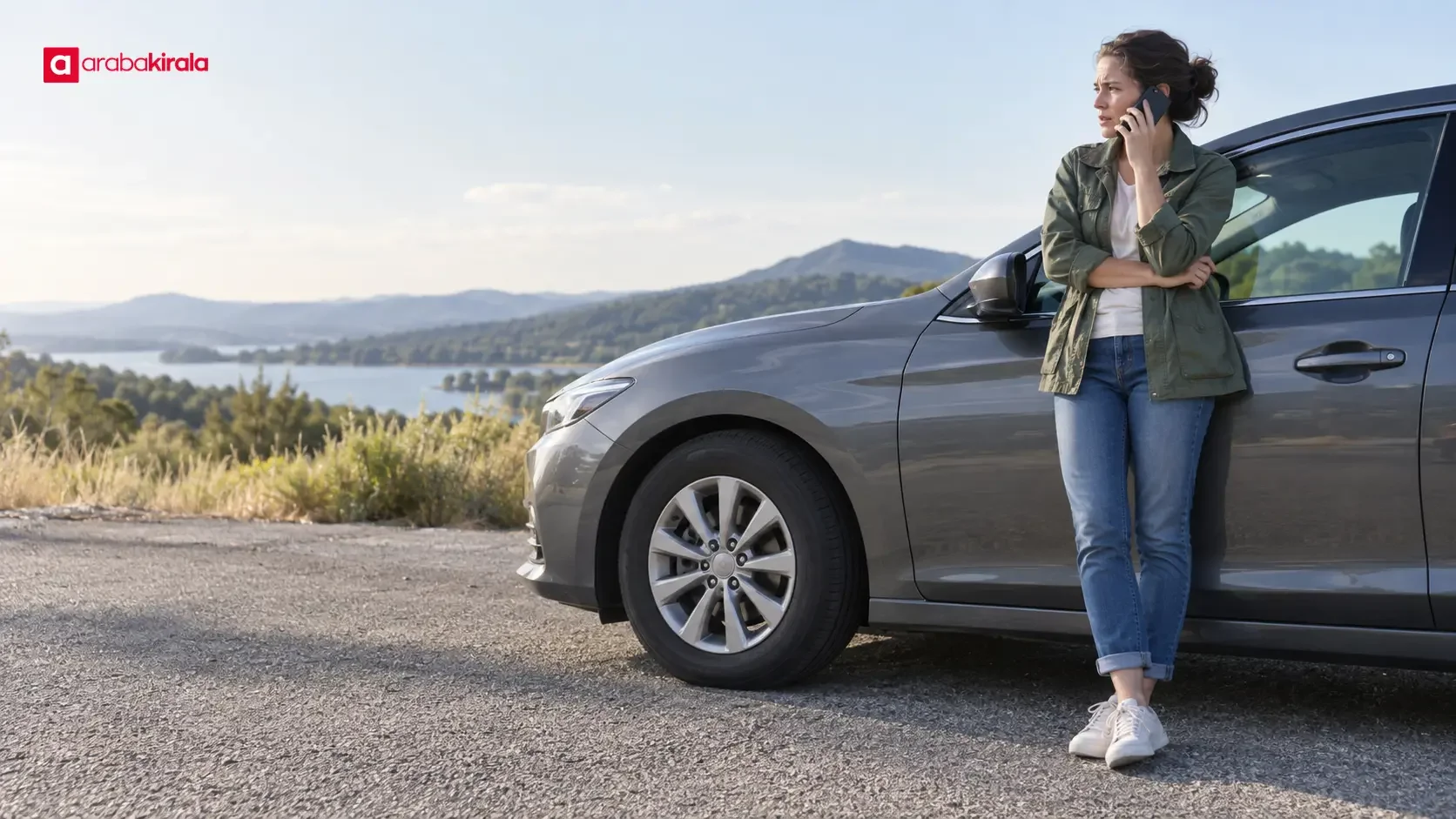
A Summer Road Trip Guide to the Kaz Mountains
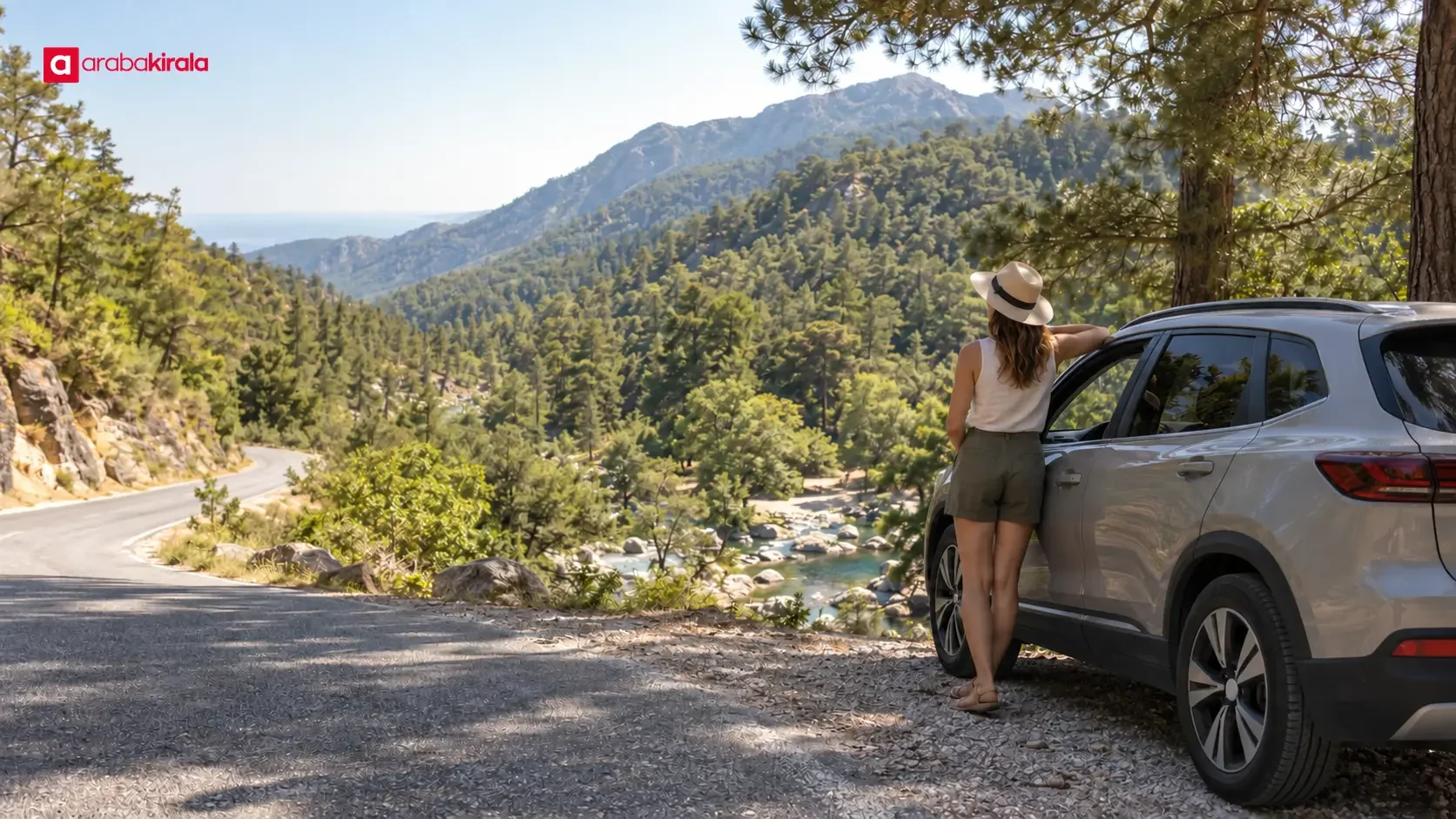
A summer road trip around the Kaz Mountains calls for a plan that accounts for heat, changing elevations, rural roads and time outdoors. The name refers to a broad area around parts of Balıkesir and Çanakkale, so routes can connect coastal settlements, villages and forested slopes with very different distances and access conditions. A useful itinerary leaves room for driving, walking, rest and the rules of each place you visit.
What to expect on summer drives in the Kaz Mountains area
Conditions can change considerably between the coast and higher inland locations. A route that looks short on a map may involve winding roads, slower progress, parking and a walk to the destination. Group nearby stops together and check the actual route between them rather than treating the region as a single compact attraction. Avoid scheduling every hour; small delays and spontaneous breaks are part of a comfortable day outdoors.
Summer sunshine can be intense in open areas, while tree cover may offer shade without guaranteeing that the air is cool. Check the forecast before leaving and again on the day of the trip. An early start can reduce time spent in exposed areas during the hottest part of the day. Build a shaded or indoor rest stop into the middle of the day, and keep enough flexibility to shorten the route if conditions or energy levels change.
Build a route that fits the day
Start with your departure point, the number of days available and the places you most want to see. Put intended stops on a map, then arrange close locations together to avoid repeated backtracking. Include time to park, walk, eat and rest. A scenic viewpoint may require little time on foot, while a forest or stream visit may take much longer than the drive alone suggests.
Choose a small number of main stops for each day and leave space between them. Some destinations cannot be reached by car all the way to the point of interest; check whether the final section is on foot and what access is available. Visiting hours, entry arrangements, vehicle access and any reservation requirements can vary by site and date. Verify them through the relevant public authority or official site operator shortly before you go.
Check route information close to departure
Review the selected roads for current closures, works and seasonal notices. Keep an offline map available in case mobile coverage is weak, while remembering that an offline map may not show a new closure. Set navigation before setting off or ask a passenger to handle it. Do not adjust a phone or navigation screen while driving.
Prepare passengers and the car for hot weather
Before a longer drive, look for visible tyre damage, check the dashboard for warning lights and make sure the fuel or charge level suits the planned route. If you are renting, learn the vehicle's basic controls, fuel type and warning indicators at pickup. Ask the rental branch about features you are unsure how to use and the steps for reporting a problem. Knowing these details before leaving helps you use the car properly and respond more calmly if an issue appears.
Carry drinking water, sun protection, a hat and light clothing. Closed shoes with a suitable sole are useful on uneven paths, loose stones and damp surfaces. Plan water and toilet breaks rather than relying on facilities being available at every stop. With children or passengers who need more time to walk, account for shorter walking distances and frequent rest stops before setting the day's schedule.
Air conditioning can make the drive more comfortable, but it does not replace rest. Stop at a safe, permitted place if the driver feels tired, distracted or unwell in the heat; resume only when fit to drive. Keep your attention on the road, follow a speed appropriate to visibility and road surface, and maintain enough distance to respond to bends or unexpected hazards.
Visit forests and natural areas responsibly
Forests, streams and protected landscapes around the Kaz Mountains support sensitive habitats. Do not assume that the same rules for fires, camping, swimming, walking or vehicle entry apply everywhere. Follow current signs and notices for the specific area. During periods of elevated fire danger, be especially careful with any source of ignition. Take rubbish with you or use designated collection points, and avoid leaving glass or other materials that can create hazards.
Park only where vehicles are permitted. Driving onto a trail, vegetation or a stream bed can damage the ground and make access harder for emergency services. Near water, watch for slippery stones and do not attempt a crossing where depth or current is uncertain. Keep a respectful distance from wildlife and avoid loud behaviour that disturbs other visitors or animals.
Drive safely on rural and mountain roads
Rural and mountain routes may include bends, gradients, narrow sections and limited sight lines. Reduce speed before a bend, choose a speed suited to the visible road and surface, and leave a following distance that gives you time to react. Expect pedestrians, cyclists or oncoming vehicles beyond a blind corner. If a suggested shortcut appears narrow or poorly surfaced, choose a clearly mapped road that better suits the vehicle and conditions.
When parking, keep the road clear and avoid stopping where you block sight lines. If a breakdown or tyre problem occurs, move to a safe location if possible, use the vehicle's hazard lights and give roadside assistance a clear description of your location. Before setting out in a rental, learn how to report a breakdown or damage and how roadside help is arranged. Procedures and contact details can depend on the vehicle and branch, so confirm them with the branch you will collect from.
What to check when renting a car for the trip
Think about the route, travel dates and number of passengers when discussing a vehicle. Luggage space, child-seat needs, transmission preference and comfort over longer drives can all affect what suits your plans. Do not assume that a vehicle category means the same specific model at every location. Confirm the vehicle's relevant features and condition with the rental office where you will collect it.
Read the rental and handover records for the fuel level, odometer reading, existing damage, return location and time, and the process to follow if the car develops a problem. These records help clarify what will be checked during use and return. Recording the odometer at pickup and return documents the distance travelled; ask the branch and check the agreement for any applicable distance allowance or excess process. Ask the branch directly about deposit, additional driver, age or licence requirements, and delivery arrangements, since these are booking-specific details.
A compact pre-trip checklist
- Set a realistic route and check the road and weather information again on the day.
- Pack water, sun protection, suitable footwear and an offline map.
- Check official notices for access, parking, walking, fire and visitor rules at each nature area.
- At pickup, review the dashboard, fuel level and any existing damage with the rental representative.
- Schedule breaks around heat exposure and the driver's need to rest.
Frequently asked questions
How many stops should I plan in one day?
It depends on your starting point, the distances between destinations and how much walking each one involves. A few nearby main stops are usually easier to manage than several distant locations linked by long drives. Add parking and walking time to the navigation estimate.
What time of day is more comfortable for driving in summer?
An early start can help reduce the time spent outdoors in the strongest heat. Consider the forecast, the driver's rest and the opening or access hours of your destinations together when choosing a departure time.
Can I drive to every nature site?
No single access arrangement applies to every place. Some visits may include a walk from a designated parking area, and vehicle access can depend on the location and current conditions. Check official information for the site before setting out.
What should I confirm before taking a rental car onto mountain roads?
Confirm that the vehicle's relevant features suit your planned roads, learn the breakdown reporting steps and ask how distance is handled during the rental. Make sure you understand the warning indicators and fuel type. If weather or road conditions are unsuitable, adjust the route.
A well-paced Kaz Mountains summer road trip gives equal thought to getting there and spending time responsibly in the landscape. A realistic number of stops, breaks planned around heat, current route information and respect for local access rules all help make the journey safer and more enjoyable.
Legal Disclaimer: All content, articles and information on the Araba Kirala website are provided solely to inform users. No information shared on this website constitutes definitive advice or guidance. Araba Kirala Teknoloji A.Ş. and its authors cannot be held responsible for any direct or indirect damages arising from the application of information on the website. For all questions and requests regarding car rental, please contact the office from which you will rent your vehicle.