A Summer Road Trip Around Lake Salda: Stops and Day Plan
Published: October 5, 2026 • Reading Time: 6 min • Last Updated: October 5, 2026
Plan a summer drive around Lake Salda with practical guidance on visitor areas, route timing, heat preparation, safe driving and protecting the natural landscape.
Contents
- How to plan a summer road trip around Lake Salda
- Know the lake and set realistic expectations
- Prepare your route before travelling
- Choose a precise destination and allow time for the drive
- Review rental details before collecting a car
- A flexible outline for a day trip
- Prepare for summer heat and drive safely
- Visit the lakeside responsibly
- Frequently asked questions
- Is one day enough to visit the area around Lake Salda by car?
- Can I drive to every part of the lake?
- What should I bring for a summer visit?
- What rental details should I confirm before leaving?
- Next step: make a flexible, prepared route
How to plan a summer road trip around Lake Salda
This guide explains how to organize a summer drive around Lake Salda, choose visitor stops, pace the day, prepare for hot weather and respect the lakeside environment. A car can make it easier to travel between permitted visitor areas, but it does not mean every part of the shore is accessible by vehicle. Check current access information through official sources before setting out, and follow local signs and instructions at the site.
Know the lake and set realistic expectations
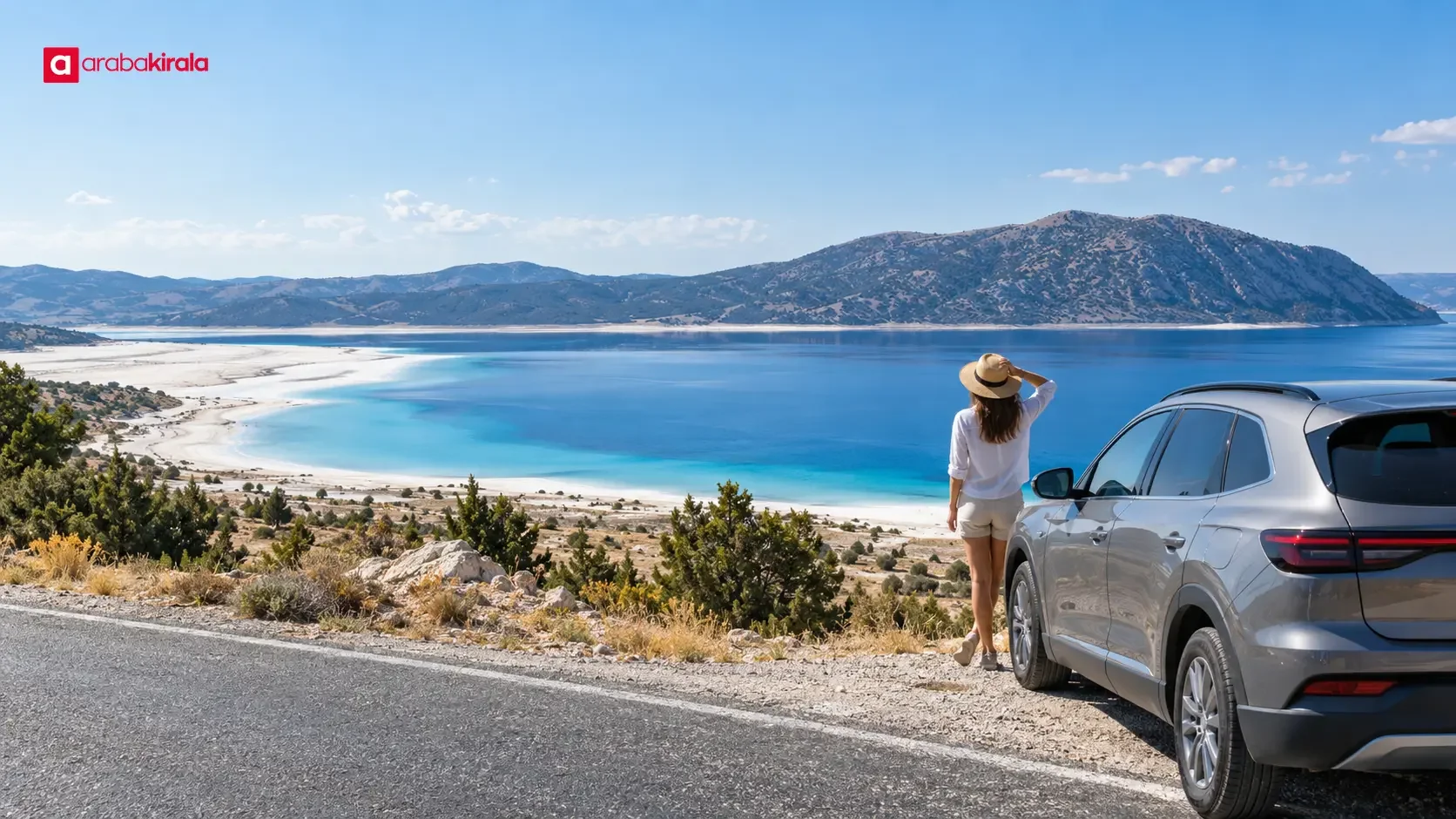
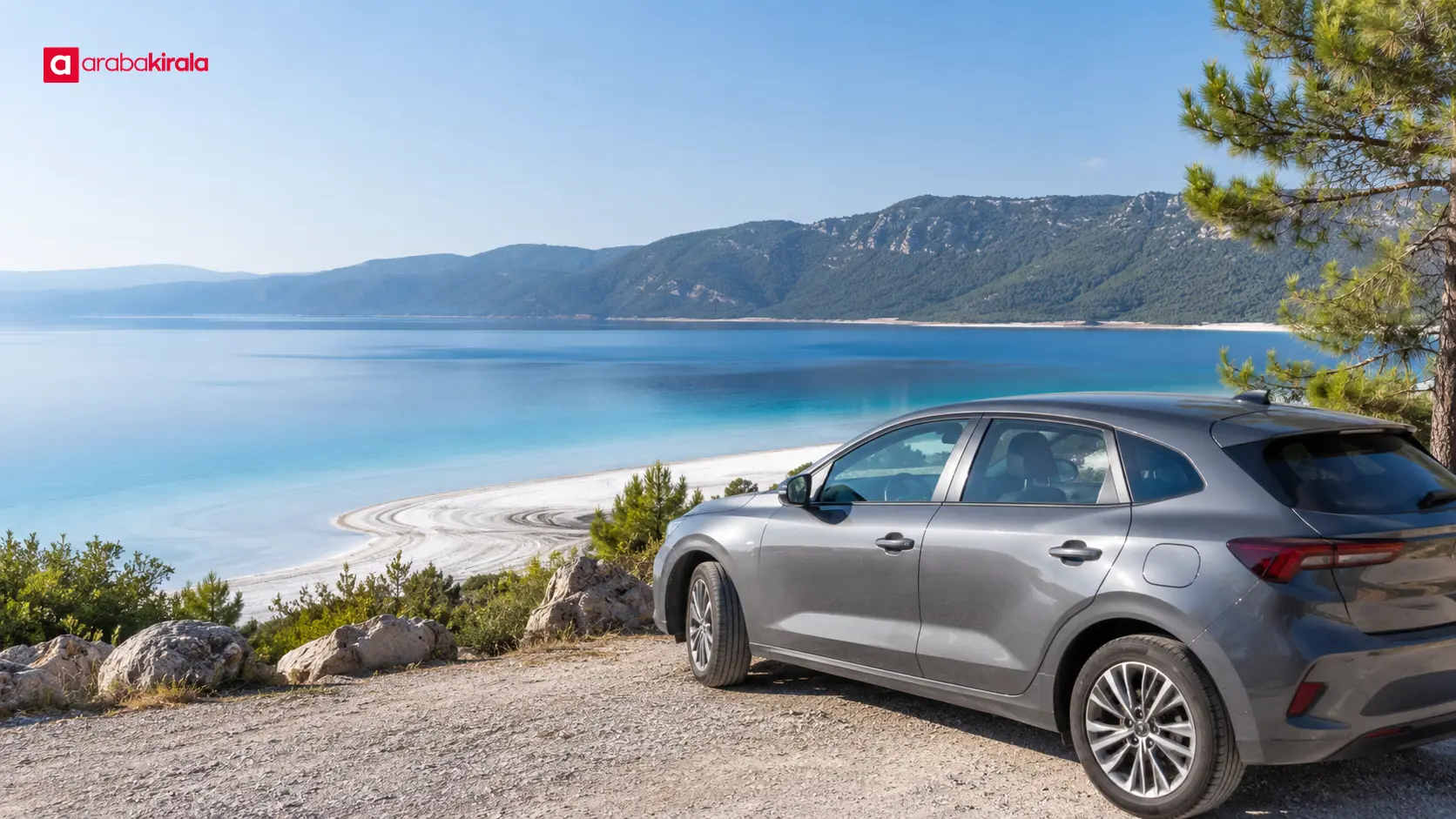
Lake Salda is in Burdur Province, Türkiye, and its surroundings are known for a distinctive natural landscape. The appearance of the shore and water can change with light, weather and local conditions. Colors seen in photographs should not be expected at every viewpoint or throughout the day. Plan to experience the broader landscape instead of tying the trip to a single photograph or a precise shade of water.
The lake is part of a natural environment that deserves care. Visiting does not mean that you can enter the shore wherever you choose or drive close to the water. Use designated visitor areas and pay attention to notices about shoreline access and sensitive features. A place appearing on a map does not necessarily mean that entry is open or appropriate.
Prepare your route before travelling
Choose a precise destination and allow time for the drive
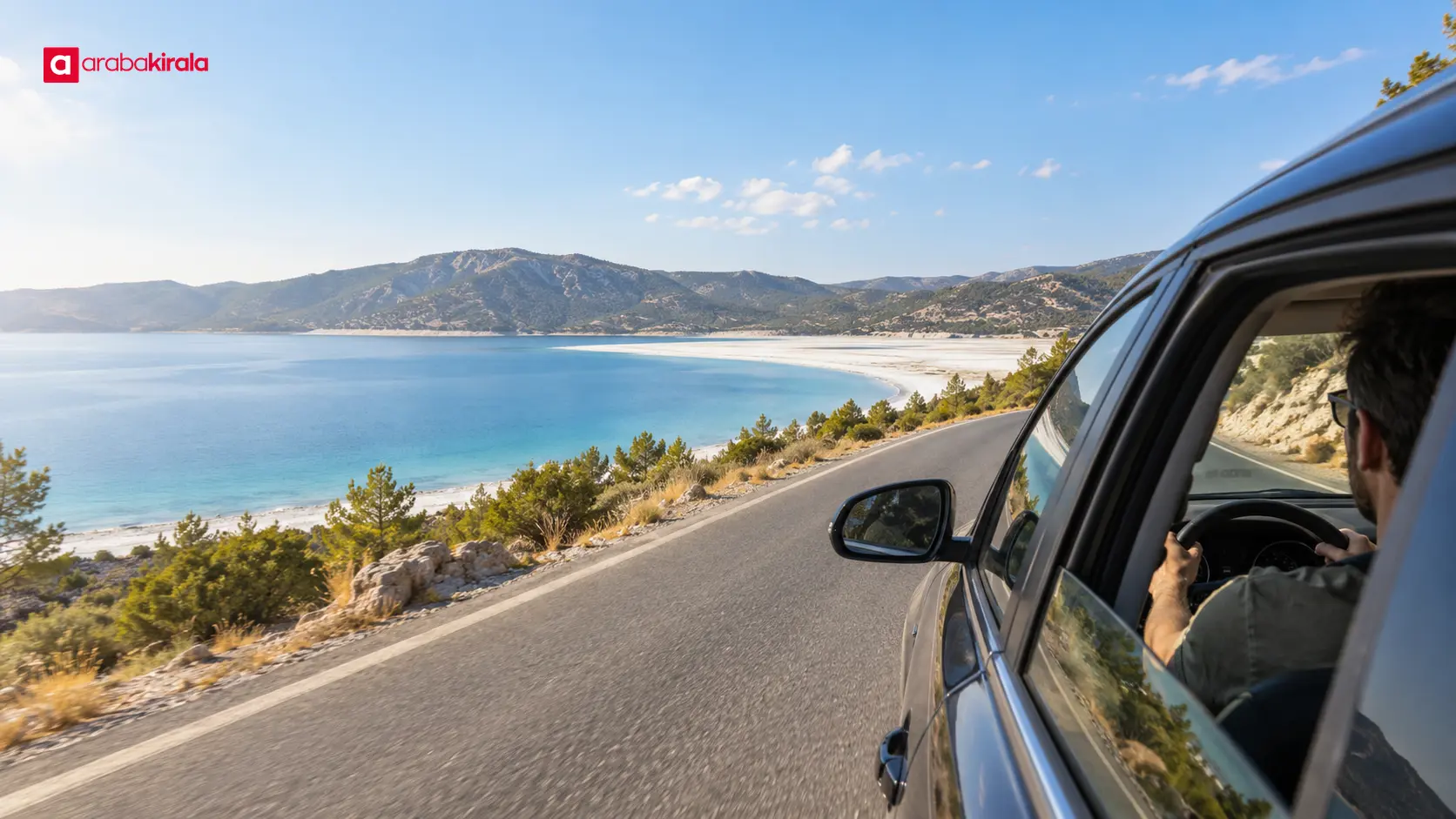
Your departure city affects both journey time and how much of the day remains for visiting. In your navigation app, select a specific visitor area rather than searching only for the lake name; otherwise the route may lead to an entrance that does not suit your plan. Check the suggested route, current travel estimate and road conditions before departure. For a longer drive, include rest stops when estimating your arrival time.
Road works, closures and access arrangements can change, so check official local updates. Downloading an offline map can help where mobile coverage is limited, but road signs and instructions from local staff take priority. Park only in permitted, safe places, and do not stop where your vehicle would obstruct visibility or traffic.
Review rental details before collecting a car
If you are using a rental car, review your reservation and collection details before the trip. Fuel arrangements, mileage terms, collection location, additional-driver registration, return time and possible charges can vary by branch or booking. Ask the branch where you will collect the car for the applicable details, and check how key points are recorded in the agreement or handover documents. At collection, reviewing existing damage with staff and checking the odometer against the handover record can make the return documentation easier to understand.
A flexible outline for a day trip
Shape the day around the actual driving time and current opening or access information for the places you plan to visit. This outline does not claim that any specific facility is operating or that a particular area is open every day. Verify the status of each stop before travelling.
- Morning: Start early, when temperatures are often lower. Check access and parking information for your first designated visitor area.
- Before midday: Set aside time to enjoy the lake views, take a short walk on a permitted route and rest. Follow any notices about shoreline use.
- Midday: Plan a shaded break during the strongest sun. Think ahead about food and water, and do not assume that every stop has shade or places to buy supplies.
- Afternoon: If time and access allow, continue to another stop whose current status you have checked. Leave enough time for the return drive and rest instead of squeezing in too many locations.
- Return: Before driving back, make sure the driver is rested. If fatigue or heat is affecting alertness, take a break and wait until it is safe to continue.
Prepare for summer heat and drive safely
Spending a long time in direct sun can make walking and driving around the lake less comfortable. Carry drinking water, use sun protection and take breaks in shaded places where available. Plan breaks carefully for children and older travellers. Do not decide on your own that swimming is suitable: check current official advice and on-site signs. Even where swimming is permitted, that does not mean every section of shore is safe or open for access.
Before setting off, check the visible condition of the tyres, the lights and any dashboard warnings. Find the vehicle’s manual and learn where any emergency equipment is kept. These checks are not an instruction to carry out technical repairs. If a warning appears or the vehicle develops a problem, stop somewhere safe and follow the rental branch’s guidance. While driving, do not handle your phone, adapt your speed to road and visibility conditions, and wear a seat belt.
Visit the lakeside responsibly
Take your rubbish with you and dispose of it only at appropriate waste points. Avoid actions that could damage plants, shoreline features or wildlife. Stay on marked routes, do not drive onto natural ground and do not try to pass barriers into closed areas. When taking photographs, remain in a safe place; never distract the driver by taking pictures while the vehicle is moving.
Local access, parking, swimming and visitor arrangements can change over time. If an uncertainty could affect your trip, review notices from the relevant official authority or visitor area before departure. The rental branch is the right contact for details specific to your vehicle collection and return; confirm regional access information with the relevant local and official sources.
Frequently asked questions
Is one day enough to visit the area around Lake Salda by car?
That depends on your starting point, time on the road and current access to the places you want to see. A day may work for visitors starting nearby and choosing a small number of stops. Those arriving from farther away should account for driving time and rest breaks separately. Use the current navigation estimate rather than assuming a fixed journey time, and leave room in the schedule.
Can I drive to every part of the lake?
No. Vehicle access may be limited to permitted roads and parking areas. A map listing or a social media post does not establish that access is allowed. Follow official directions and signs on site.
What should I bring for a summer visit?
Drinking water, sun protection, clothing suited to the weather and an offline map on your phone can be useful. Choose supplies for the season and length of your visit; do not assume that every stop has services or shops.
What rental details should I confirm before leaving?
Review the mileage and fuel terms, additional-driver arrangements, collection and return times, possible charges, and the contact route for a breakdown. Ask the branch from which you are renting for the applicable conditions. These are preparation topics, not statements of any company’s terms.
Next step: make a flexible, prepared route
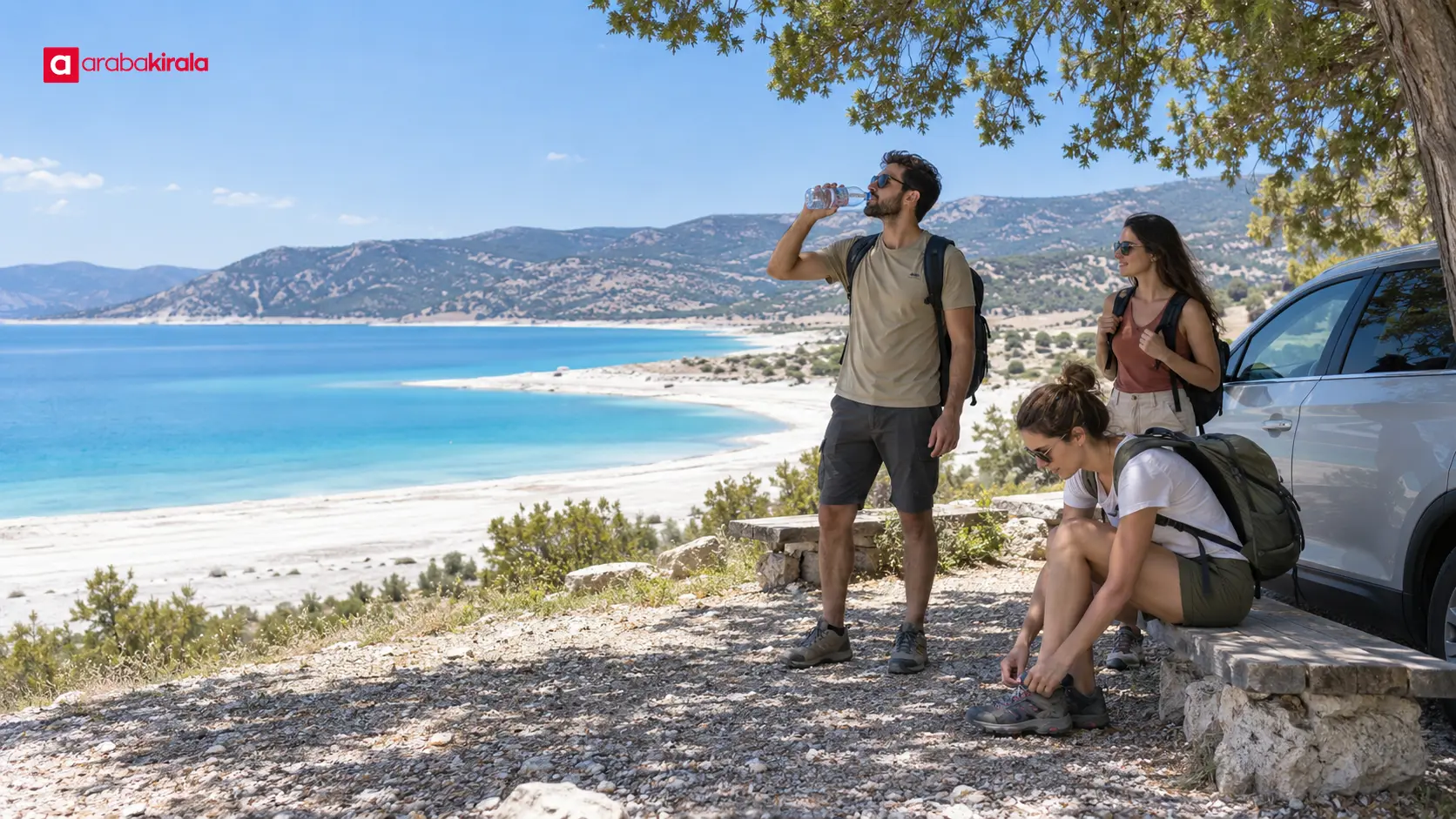
For a summer road trip around Lake Salda, first confirm official access information and the current drive estimate, then build a realistic day around a few stops. Leave time for heat breaks and a rested return drive, and follow rules that protect the natural landscape. If renting a car, confirm branch-specific collection and return details before setting off. Finally, check road conditions once more and adjust your route as needed.
Legal Disclaimer: All content, articles and information on the Araba Kirala website are provided solely to inform users. No information shared on this website constitutes definitive advice or guidance. Araba Kirala Teknoloji A.Ş. and its authors cannot be held responsible for any direct or indirect damages arising from the application of information on the website. For all questions and requests regarding car rental, please contact the office from which you will rent your vehicle.