A Summer Road Trip Through Phrygian Valley: Shade and Day Planning
Published: October 6, 2026 • Reading Time: 6 min • Last Updated: October 6, 2026
Plan a summer drive through Phrygian Valley with practical guidance on open-air sites, heat, shade, water, safe driving and rental details to confirm before pickup.
Contents
- Plan the drive around a few nearby stops
- Set a summer rhythm that accounts for heat
- Build shade and rest into the route
- Visit monuments and landscapes with care
- Prepare the vehicle and route
- What to confirm before renting a car
- A practical checklist for a Phrygian Valley summer trip
- Frequently asked questions
- Can you visit Phrygian Valley by car in one day?
- What time of day is more comfortable in summer?
- Can you drive right up to every rock monument?
- Keep the plan manageable and drive safely
A summer road trip through Phrygian Valley takes planning because cultural sites are spread across open landscapes and summer heat changes how long it is comfortable to walk. This guide explains how to group stops, pace the day, prepare for sun and limited shade, visit rock monuments carefully and confirm rental details before setting off.
Plan the drive around a few nearby stops
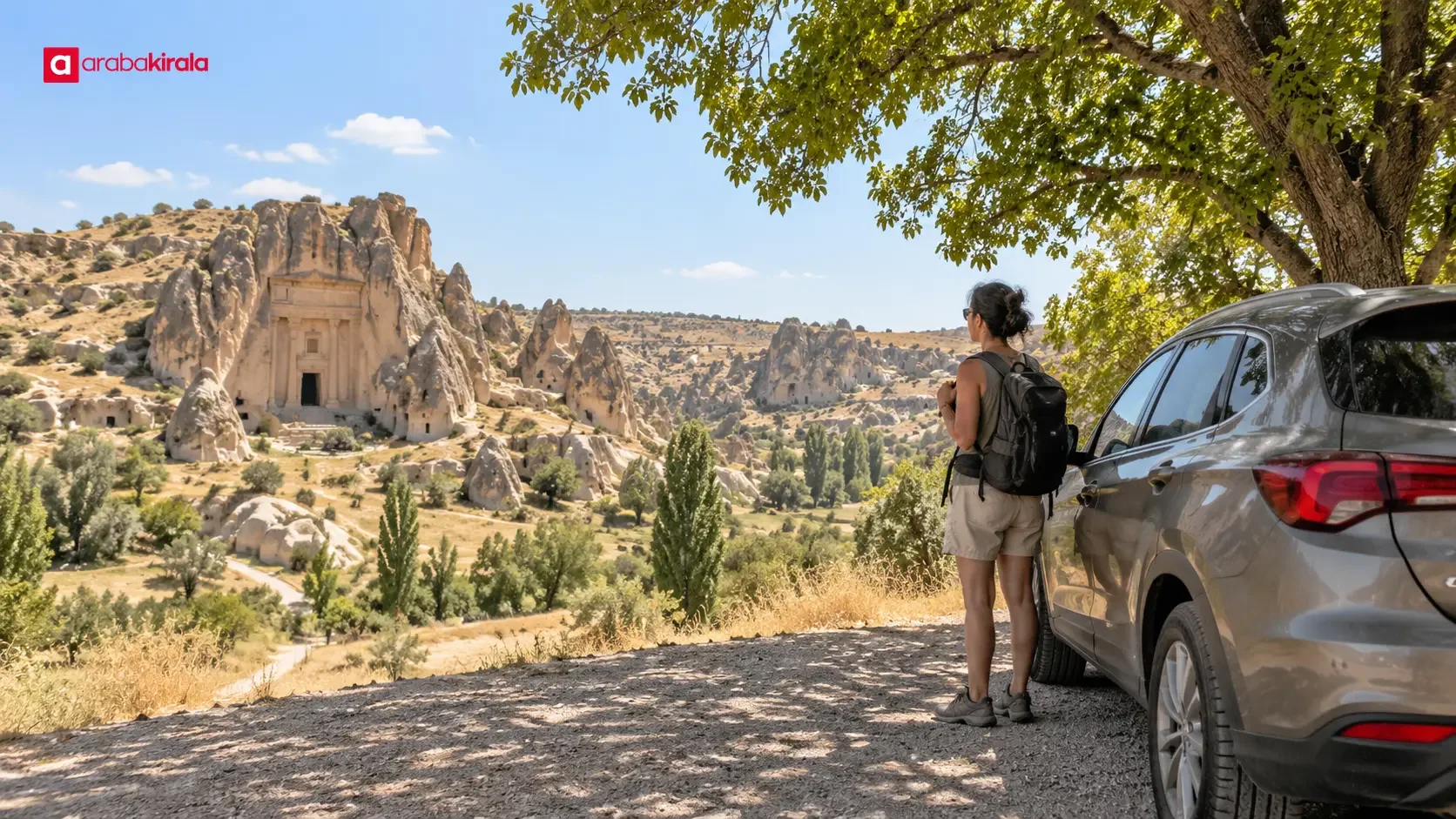
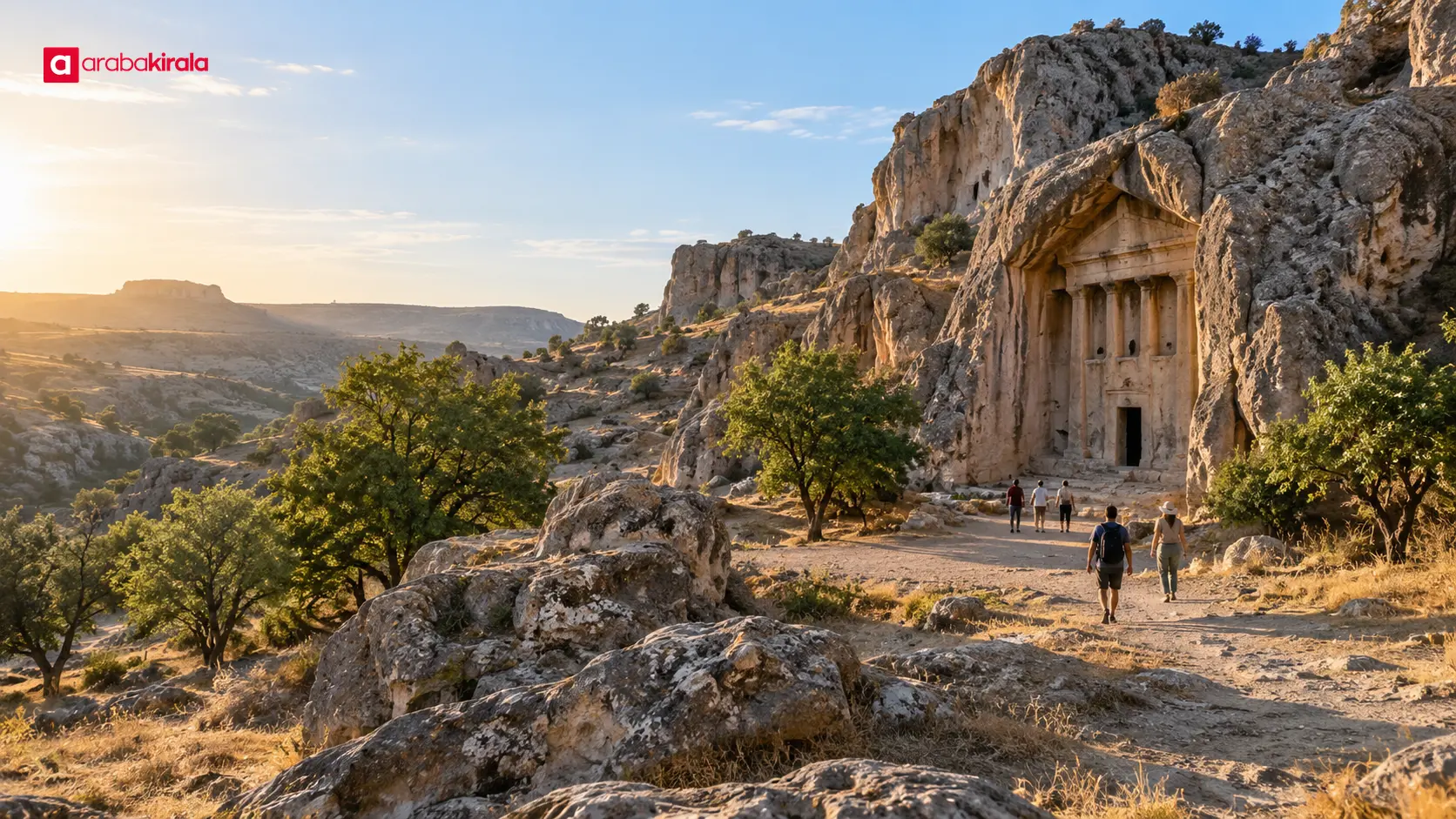
“Phrygian Valley” refers to a broad cultural landscape rather than one enclosed attraction. The mountainous Phrygian region extends across parts of Afyonkarahisar, Eskişehir and Kütahya, with rock monuments, carved structures and traces of ancient settlements. Türkiye’s Ministry of Culture and Tourism describes Midas/Yazılıkaya as a notable rock facade, while the Göynüş Valley and Döğer area contain other monuments. Since points of interest are dispersed, it helps to divide the day into small geographic clusters instead of trying to cover the whole region at once.
Mark the places you most want to see, then check current road connections and estimated drive times in a navigation app. Add separate time for parking, walking from the vehicle, viewing the site and taking breaks. A short distance on a map does not guarantee a quick drive: bends, road surface, junctions and parking access all affect the pace. Choosing a few priority stops leaves room to look around without turning the visit into a race against the clock.
Set a summer rhythm that accounts for heat
Rock monuments and open-air sites do not provide the consistent shade of an indoor museum. In summer, plan around the strongest midday sun. An early start can make longer walks more comfortable, while a shorter visit or a rest break around the middle of the day can reduce exposure. For later stops, allow enough daylight for both the visit and the return drive.
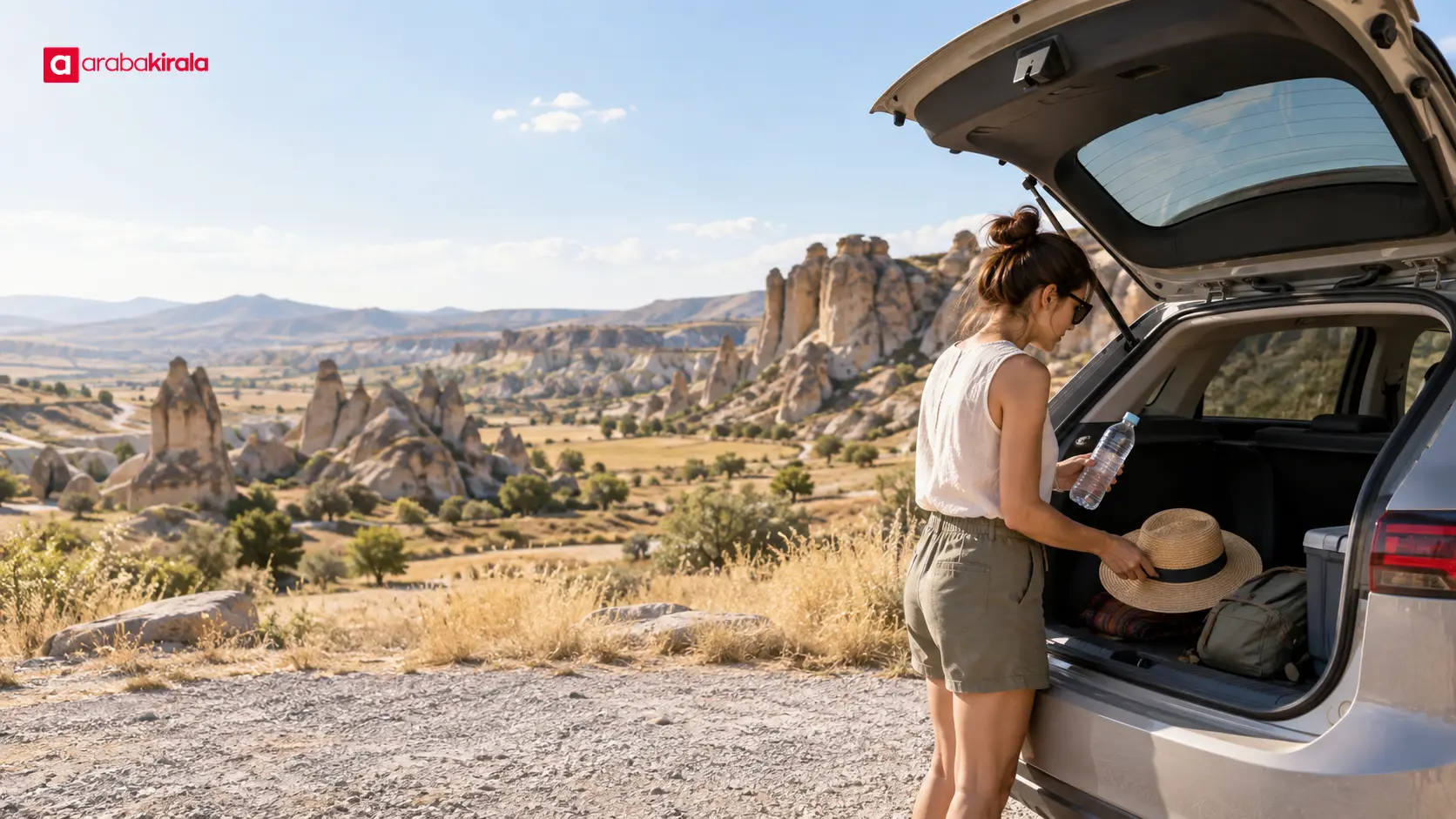
Check the forecast before leaving and again during the trip. Wind, possible rain and visibility can affect an outdoor day as much as temperature. Bring a hat, sunglasses, suitable clothing and sun protection appropriate for you. Keep water within easy reach. If water is left in a parked vehicle, consider how quickly the cabin heats up and avoid relying on a hot car as a cool storage place. Regular drinking is more useful than waiting until you feel very thirsty, particularly when walking in warm weather.
Build shade and rest into the route
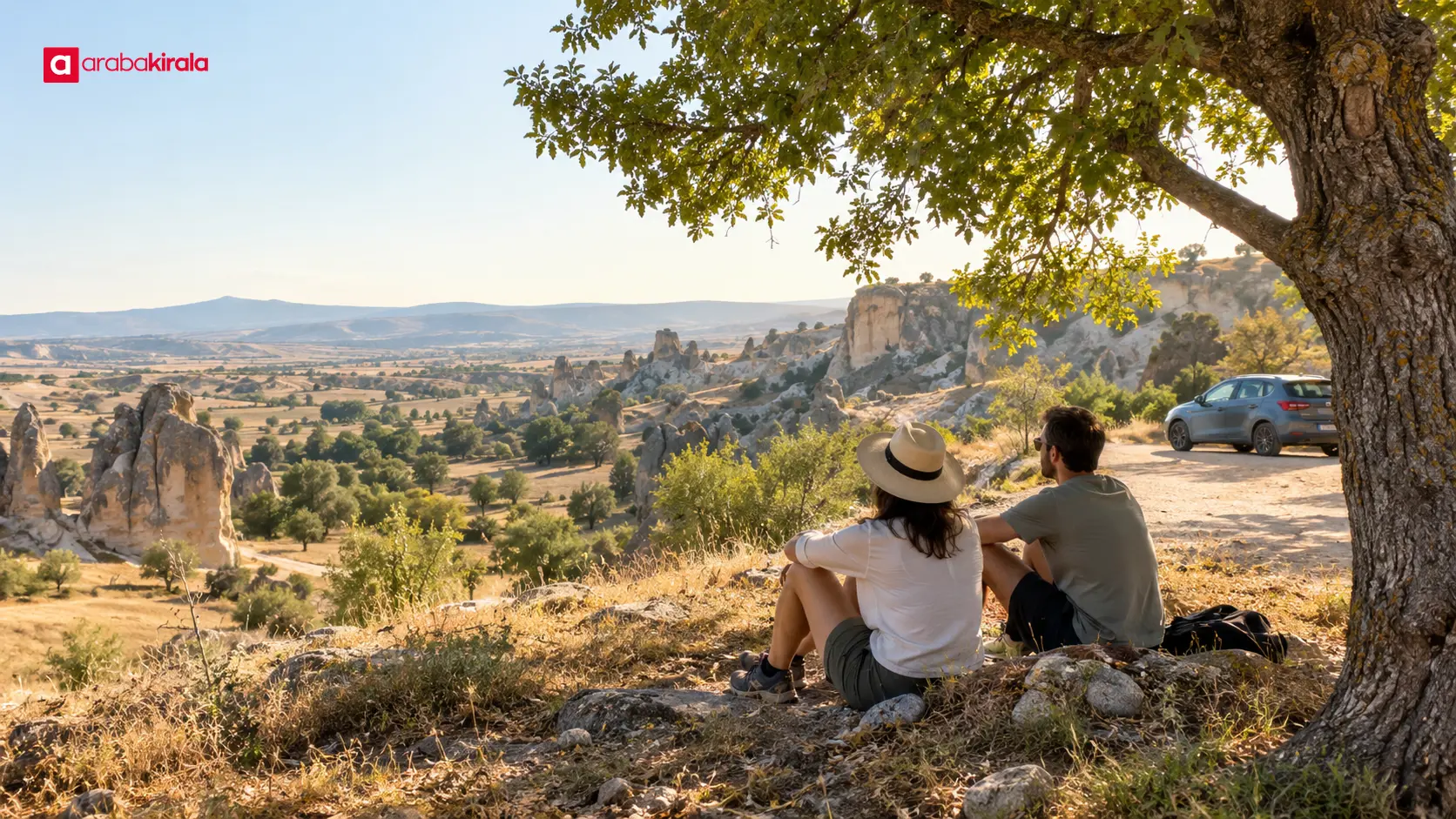
Do not assume every valley stop has tree cover, a bench or a nearby service point. Check current local visitor information for access arrangements and facilities where available. Resting only inside the car may not help much if it has been parked in direct sun, since the cabin can heat quickly. Look for a shaded place to pause, and allow more frequent breaks for children, older visitors and anyone more affected by heat.
Visit monuments and landscapes with care
Phrygian rock facades and carved features are cultural heritage, not climbing surfaces. Avoid climbing on them, rubbing carved details or moving stones. Follow marked routes and any visitor guidance at the site. An unmarked approach does not mean that every direction is safe or suitable. Rock openings, slopes and loose ground can present fall or slipping hazards, so do not leave stable ground for a photograph.
Choose footwear suited to uneven terrain. Breathable clothing can improve comfort in hot weather, while shoes that protect your feet and provide traction matter on rocky ground. A small first-aid kit, personal medication and a charged phone can be useful. Mobile reception may vary in rural areas, so note the names of planned locations and the return direction in advance. If your map app supports offline maps, download the relevant area before departure.
Prepare the vehicle and route
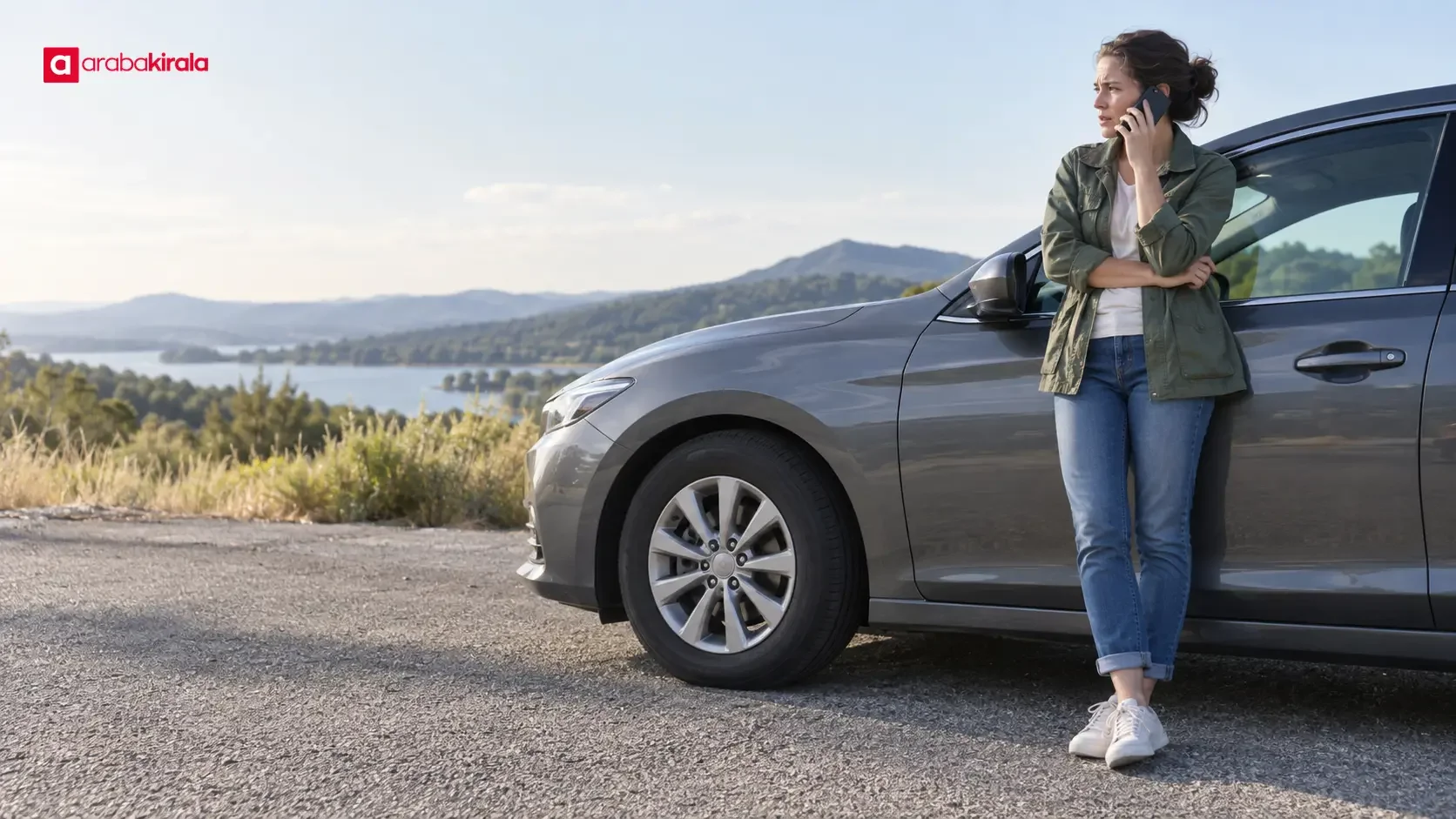
A car can make it easier to move between dispersed stops, but rural roads and parking arrangements need attention. Before setting out, check the vehicle’s fuel or charge level, tire and dashboard warnings, air conditioning and windshield visibility. Follow the vehicle manual for equipment warnings. If an unfamiliar warning appears, stop somewhere safe and seek assistance instead of continuing without understanding it.
Adjust speed to visibility and road surface, especially on narrow or rough sections. Parking carelessly near a monument entrance can obstruct other visitors and put the site at risk. Use an appropriate permitted area, and check traffic before getting out. Avoid leaving heat-sensitive belongings in a parked car for long periods. Plan the return with fatigue and heat in mind; taking a break when the driver feels unwell is a sensible safety choice.
What to confirm before renting a car
Rental terms can depend on the branch, reservation and vehicle. Ask the branch where you will collect the car about the details that affect your plan: whether the selected vehicle suits the intended route and road conditions, how mileage is handled, pickup and return timing, the fuel or charging arrangement, deposit and payment steps, additional driver registration, and whom to contact after a breakdown or collision. These are not universal rules; confirm the details that apply to your reservation directly.
At pickup, review visible scratches, dents and other existing marks with the staff member and make sure the condition record is accurate. Check the fuel or battery reading, mileage and any included equipment against the record provided. Recording the same readings at return helps compare the vehicle’s pickup and return condition. Ask for clarification before driving if a damage note or other part of the record is unclear.
A practical checklist for a Phrygian Valley summer trip
- Route: Group nearby stops and estimate driving, walking and visit time separately.
- Weather: Check the latest forecast, shorten exposed visits during hotter hours and leave time to rest.
- Comfort: Pack water, a hat, sunglasses, sun protection and shoes suited to the terrain.
- Safety: Stay on safe paths, do not climb on monuments and pause when tired or overheated.
- Vehicle: Ask the pickup branch about route suitability, mileage, fuel or charging, and return arrangements.
Frequently asked questions
Can you visit Phrygian Valley by car in one day?
It depends on the stops, starting point and road conditions. The region covers a wide area, so focusing on one section is usually more realistic than adding many distant sites to the same day. Check current road and visitor information before you travel.
What time of day is more comfortable in summer?
Early morning is often cooler for walking outdoors, but weather and daylight vary by date. Check the forecast and reserve the hotter middle hours for a shorter visit or a rest.
Can you drive right up to every rock monument?
No single access arrangement applies to every site. Roads and parking differ, and some visits may involve walking from a suitable parking area. Check current access information and ask the rental branch whether the planned route suits the vehicle.
Keep the plan manageable and drive safely
A rewarding summer trip through Phrygian Valley depends on giving selected places enough time, not rushing through the greatest number of stops. Account for heat and shade, respect site routes and keep enough energy for the return. If you are renting, confirm branch-specific terms with the pickup location. Your next step is to choose the sites you want to prioritize, check current weather, road and access information, and shape the day around those conditions.
Legal Disclaimer: All content, articles and information on the Araba Kirala website are provided solely to inform users. No information shared on this website constitutes definitive advice or guidance. Araba Kirala Teknoloji A.Ş. and its authors cannot be held responsible for any direct or indirect damages arising from the application of information on the website. For all questions and requests regarding car rental, please contact the office from which you will rent your vehicle.