
A Summer Visit to Şavşat Karagöl: Walks, Weather and a Day Plan
Published: October 6, 2026 • Reading Time: 7 min • Last Updated: October 6, 2026
Plan a summer day around Şavşat Karagöl with practical guidance on walking, changeable mountain weather, respectful visits and pacing your time.
Contents
- What to plan before visiting Şavşat Karagöl
- How to plan a walk around the lake
- Spending time by the shore
- Preparing for mountain weather in summer
- A flexible outline for a day trip
- Useful things to carry
- Visiting with care for nature
- Frequently asked questions
- Is it sunny every day at Şavşat Karagöl in summer?
- Is it suitable to swim or enter the lake?
- Do I need specialist walking gear for a day visit?
- Can I visit with children?
- Final preparation for a flexible day outdoors
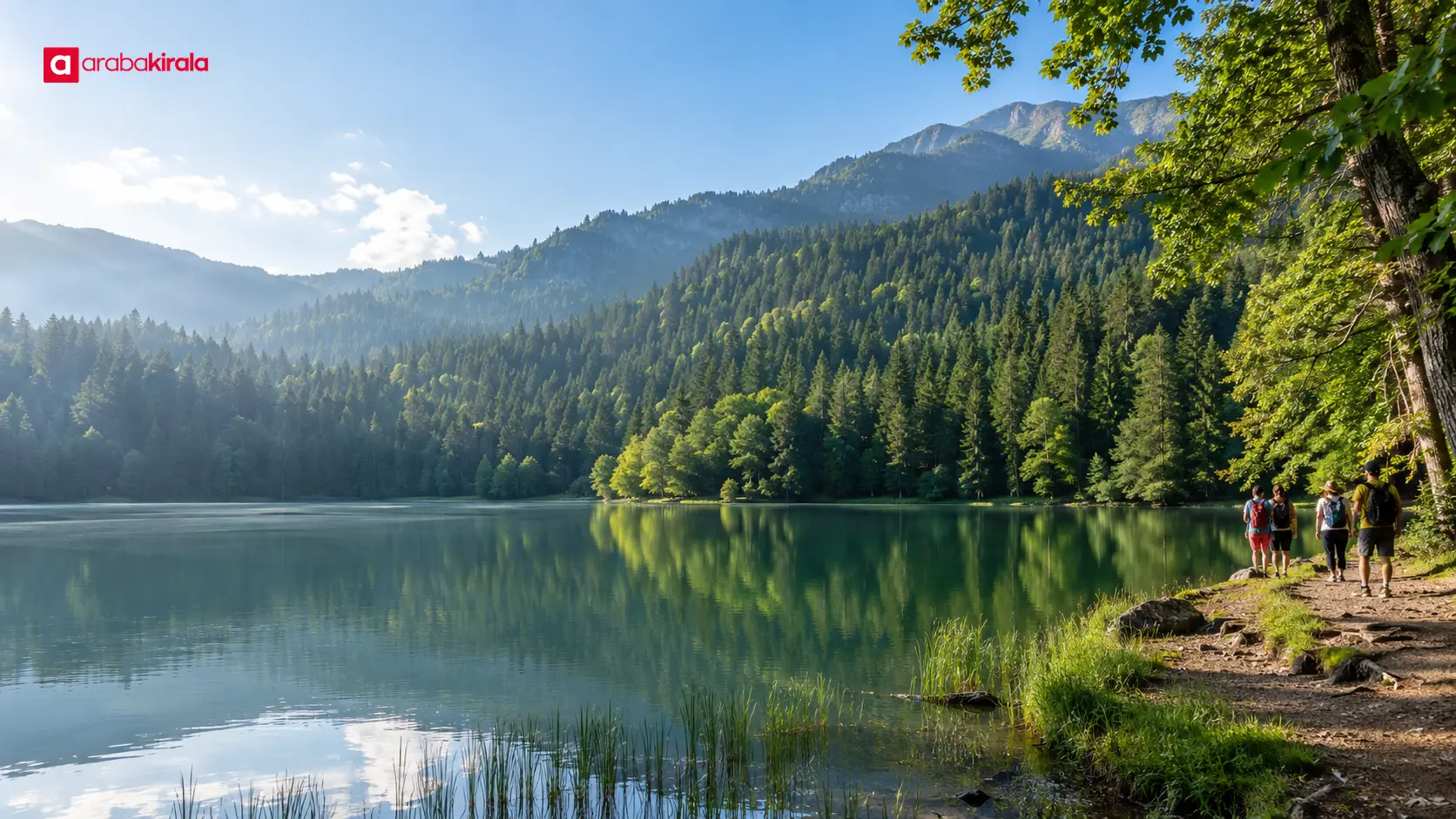
A summer visit to Şavşat Karagöl is easier to enjoy when you plan for the walk, the changing mountain weather and the time needed to reach and leave the lake. This guide explains how to prepare, pace a day outdoors, choose useful items to carry and look after the surrounding nature. Conditions can vary with the season, time of day and your own walking pace, so leave room in your plan to adapt.
What to plan before visiting Şavşat Karagöl
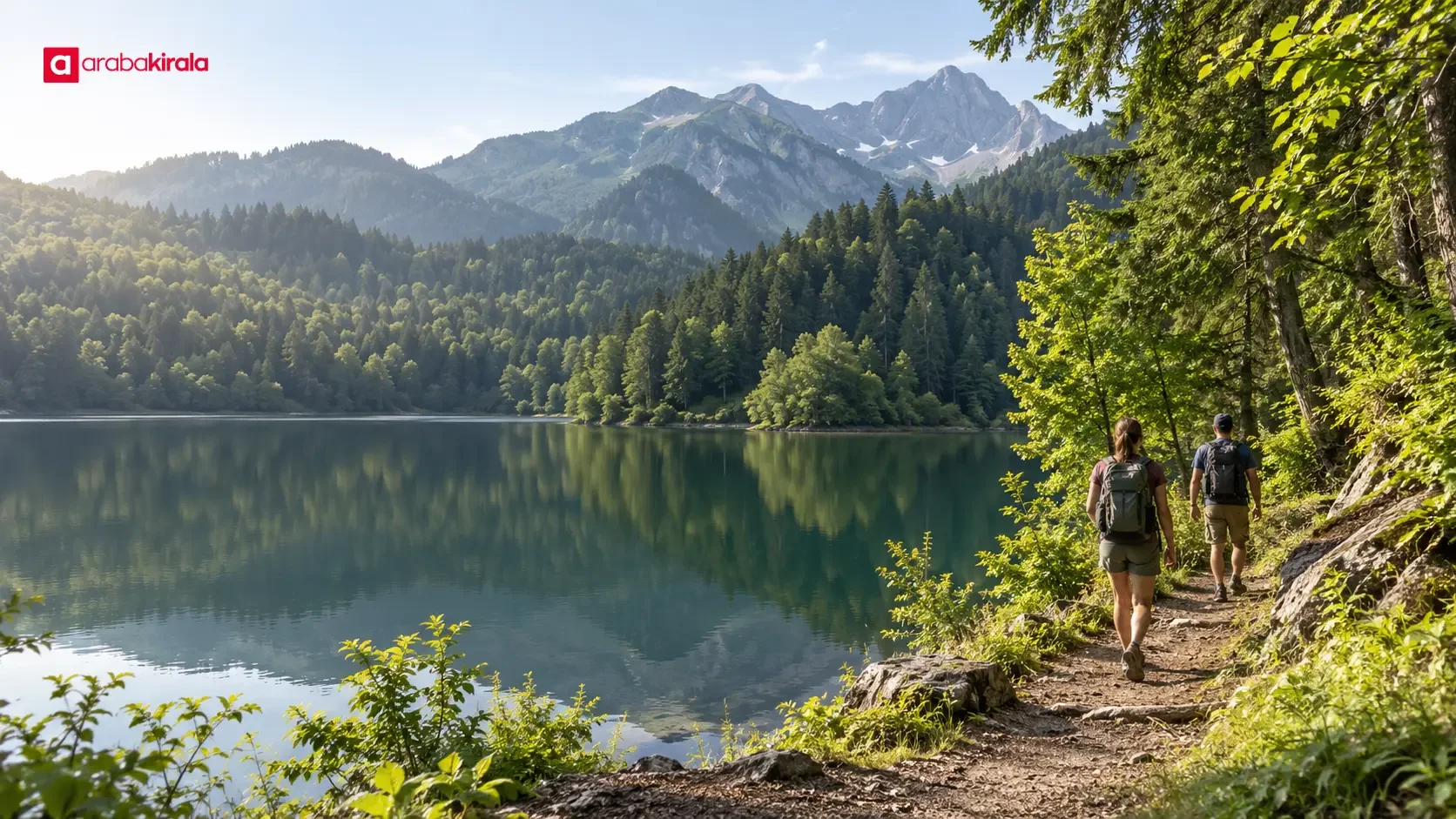
Karagöl lies in the forested, highland surroundings of Şavşat in Artvin. A nature outing here involves more than choosing an arrival time. Allow time for the journey, walking, food and rest breaks, and the return trip. The ground may include slopes, stones, roots or damp sections. Shoes designed for walking can make a noticeable difference to comfort and stability.
Think about the journey and your time by the lake as separate parts of the day instead of squeezing everything into a tight schedule. Setting out early can make better use of daylight, but check the forecast and travel conditions close to departure. Confirm current road access and whether the visiting area is open through official notices or relevant local sources. Older travel posts should not be treated as proof of current access conditions.
How to plan a walk around the lake
A short lakeside stroll and a longer hike call for different levels of preparation. Even for a relaxed walk, consider footwear with a secure grip, drinking water and an extra layer for changing conditions. If you plan to walk farther, look into the route’s distance and elevation. A line on a map alone cannot predict how long a walk will take: rests, photo stops, ground conditions and individual pace all matter.
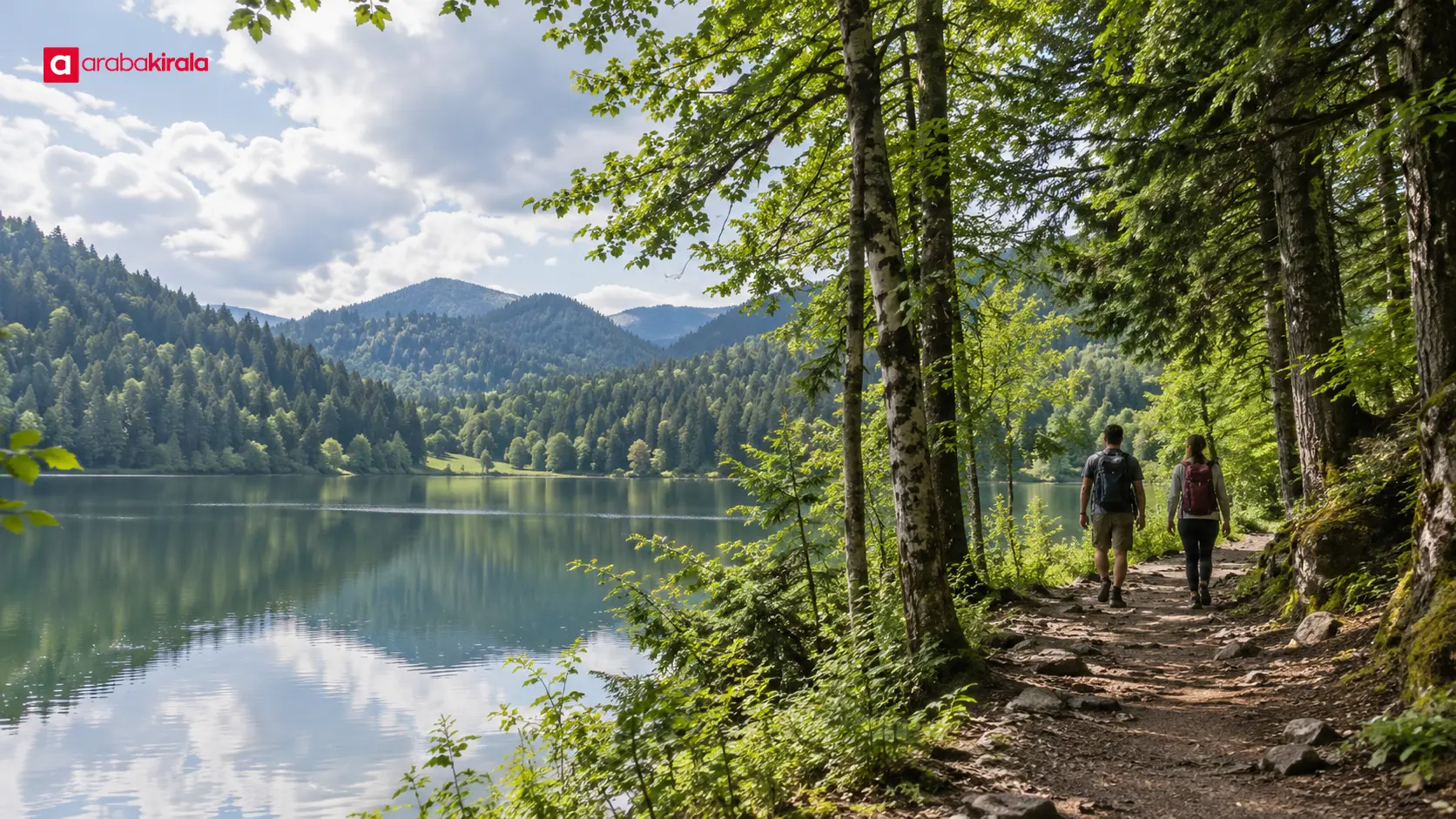
Leaving a clear path, taking shortcuts down to the shore or walking across slippery surfaces can raise the risk of a fall or injury. Stay on established or clearly open routes, and turn back if the path no longer seems safe. If children or people with limited mobility are joining, choose a route to suit their needs and account for differences in pace. Keep the group together in a way that lets members see one another.
Spending time by the shore
The lakeside can be a pleasant place to pause and take in the scenery. Do not assume that entering the water is safe or permitted. When reliable information about the depth, bottom conditions and current weather is unavailable, keep a safe distance from the water. Supervise children continuously near the shore; slippery rocks and sudden changes in depth can be hazardous even where the water looks calm. Avoid trampling shoreline plants or approaching wildlife.
Preparing for mountain weather in summer
Summer does not guarantee the same weather throughout the day in a high, wooded area. A sunny start can turn cooler; wind or rain may follow. Dressing in layers helps: take a light layer you can remove while walking and an outer layer that protects against rain. Check the forecast close to departure. If poor conditions are expected, shortening the walk or postponing the visit may be the safer choice.
Sun protection, a hat and enough water are useful on sunny days, too. Shade in the forest does not remove the need to drink. Sip water throughout the day and carry a small bag for your rubbish. Elevation, exertion and individual health affect how a walk feels. Take a break if you feel unwell instead of pushing on. Keep your phone charged in case you need to call for help, and do not assume that mobile reception will be available everywhere.
A flexible outline for a day trip
Rather than locking the day to exact times, adapt this outline to your journey and preferred walking pace:
- Before setting out: Check the forecast and current travel and access information. Pack water, food, suitable shoes, a rain jacket and a charged phone.
- On arrival: Take a moment to assess the weather and ground before walking. Agree on a meeting point and where the group will turn back.
- During the walk: Keep a steady pace, take short breaks and stay on open paths. When stopping for photos, leave room for other visitors to pass.
- Resting and returning: Eat in an appropriate area, take all rubbish with you and start back with daylight and weather in mind.
This is a planning outline, not a fixed route or promise about timings. Getting up-to-date road and site information in advance makes a plan more realistic, especially for a first visit to a remote or mountainous area. If you are considering a rental car, confirm reservation-specific details such as pickup and return times with the branch where you will rent. Plan breaks and fuel around your own starting point.
Useful things to carry
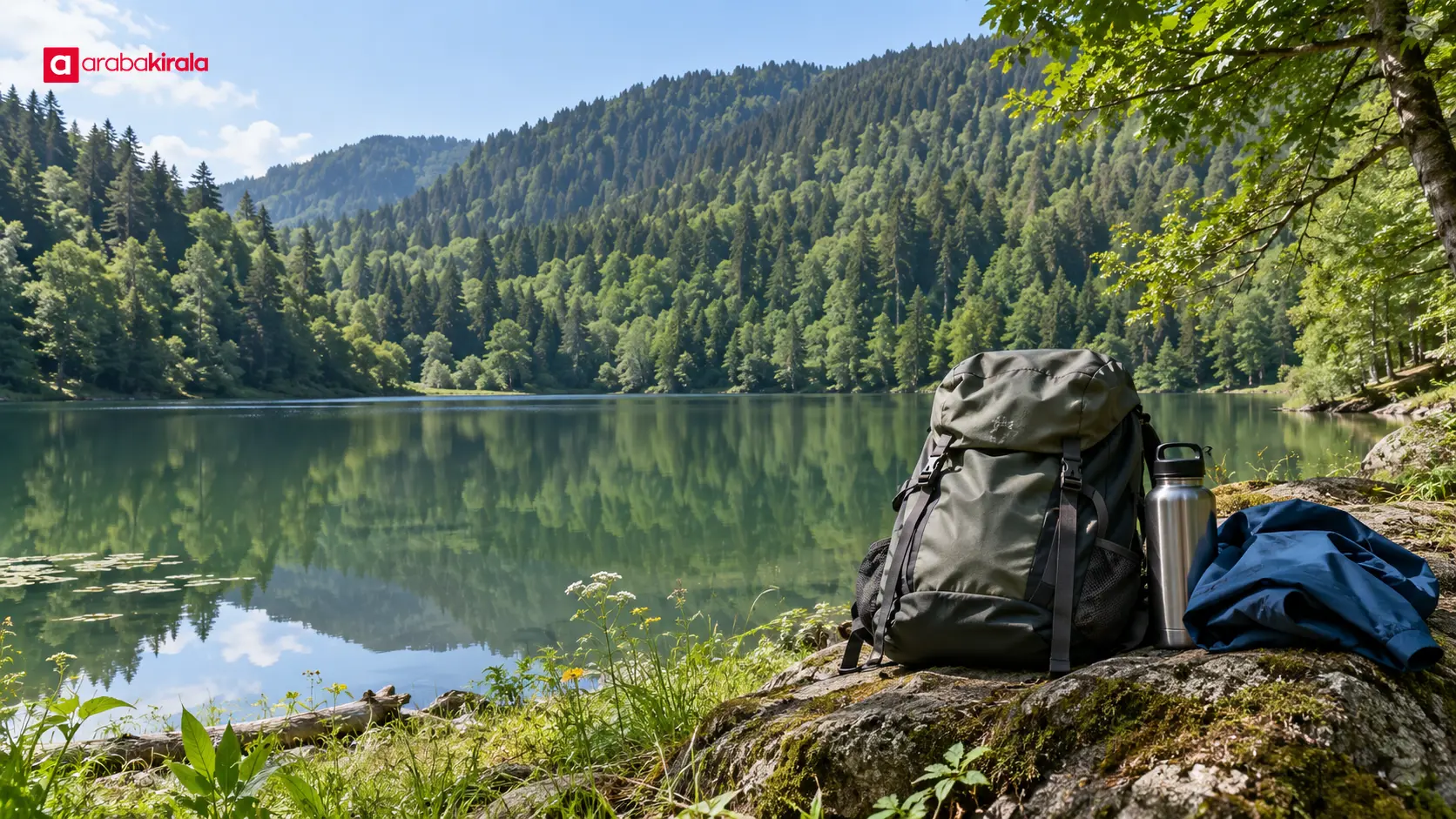
- Walking shoes that hold your feet securely, plus spare socks
- Season-appropriate layers, a light rain jacket and a hat
- Enough drinking water for the day and easy-to-carry food
- A phone, map information available offline and a portable charger
- Sun protection, personal essentials and a small first-aid kit
- A bag to take your rubbish back with you
Pack for the weather and your personal needs without making your bag unnecessarily heavy. Keep in mind that items left in a vehicle may be affected by heat or security concerns. A sensible general habit is to keep valuables out of sight and park only in suitable, permitted places. Follow local guidance on parking and use of the area.
Visiting with care for nature
The forest and lakeshore ecosystem around Karagöl can be affected by actions that seem small. Take rubbish with you, leave plants where they grow, do not feed wildlife and avoid playing loud music. Do not assume that lighting a fire is safe or allowed; follow current local rules where they apply. In dry periods, a fire can cause serious harm to natural areas.
When taking photographs, try to stay on the path and away from sensitive vegetation. Be mindful that other visitors may not want to appear in your pictures; ask before photographing people at close range. Restrictions may apply to drone use or access to specific spots, so follow local signs and official information. Quiet, careful movement makes it easier to observe nature and helps preserve the calm of the place.
Frequently asked questions
Is it sunny every day at Şavşat Karagöl in summer?
No. Weather can change in mountainous surroundings even during summer. Check the forecast for the day of your visit and dress in layers in case of rain or cooler conditions. If the weather deteriorates, shorten or postpone the walk.
Is it suitable to swim or enter the lake?
Do not enter the water unless you have confirmed that swimming is permitted and safe. If reliable, current information about the shore and water conditions is unavailable, keep your distance and enjoy the lake from the path.
Do I need specialist walking gear for a day visit?
Technical equipment is not always necessary for a short outing, but secure walking shoes, water and clothing suited to the weather help with comfort and safety. The length and surface of your chosen route affect what you may need.
Can I visit with children?
The children’s ages, walking experience and chosen route all matter. Choose a short route with suitable ground, supervise children by the water and allow frequent breaks. Set the pace around the children’s needs.
Final preparation for a flexible day outdoors
A good visit to Şavşat Karagöl is about more than reaching a viewpoint. Choose a walk that suits your pace, prepare for changing weather and treat the natural surroundings with care. Before leaving, confirm current access information, pack suitable shoes and layers, and plan for water and the return journey. If you need a rental car, ask your reserved branch about pickup, return, route and vehicle details. That preparation leaves you free to adapt to the conditions and enjoy a safer, more relaxed day by the lake.
Legal Disclaimer: All content, articles and information on the Araba Kirala website are provided solely to inform users. No information shared on this website constitutes definitive advice or guidance. Araba Kirala Teknoloji A.Ş. and its authors cannot be held responsible for any direct or indirect damages arising from the application of information on the website. For all questions and requests regarding car rental, please contact the office from which you will rent your vehicle.