A Day Plan for Visiting Tarsus’s Historic Sites by Car
Published: October 6, 2026 • Reading Time: 6 min • Last Updated: October 6, 2026
Plan a day around Tarsus’s historic sites by grouping nearby stops, balancing driving with walking, and checking practical details before setting out.
Contents
- Think of the day in three parts
- How to build a route for Tarsus’s historic sites
- Choose the focus of your visit
- Group nearby stops
- Keep the order flexible
- Balance driving with walking
- A practical preparation checklist
- A sample flow for the day
- Frequently asked questions
- Can you see Tarsus’s historic sites in one day?
- Can you drive to every historic site in the centre?
- What should I ask when arranging a rental car?
- What order should I follow for the route?
- Your next step
Planning a day around historic places in Tarsus is easier when the route is built around time at each stop rather than a race to see as many places as possible. This guide explains how to group sites, decide when to drive and when to walk, prepare for a comfortable visit, and check the details that may affect your route. The aim is a useful framework you can adapt to your interests and the current access information for each place.
Think of the day in three parts
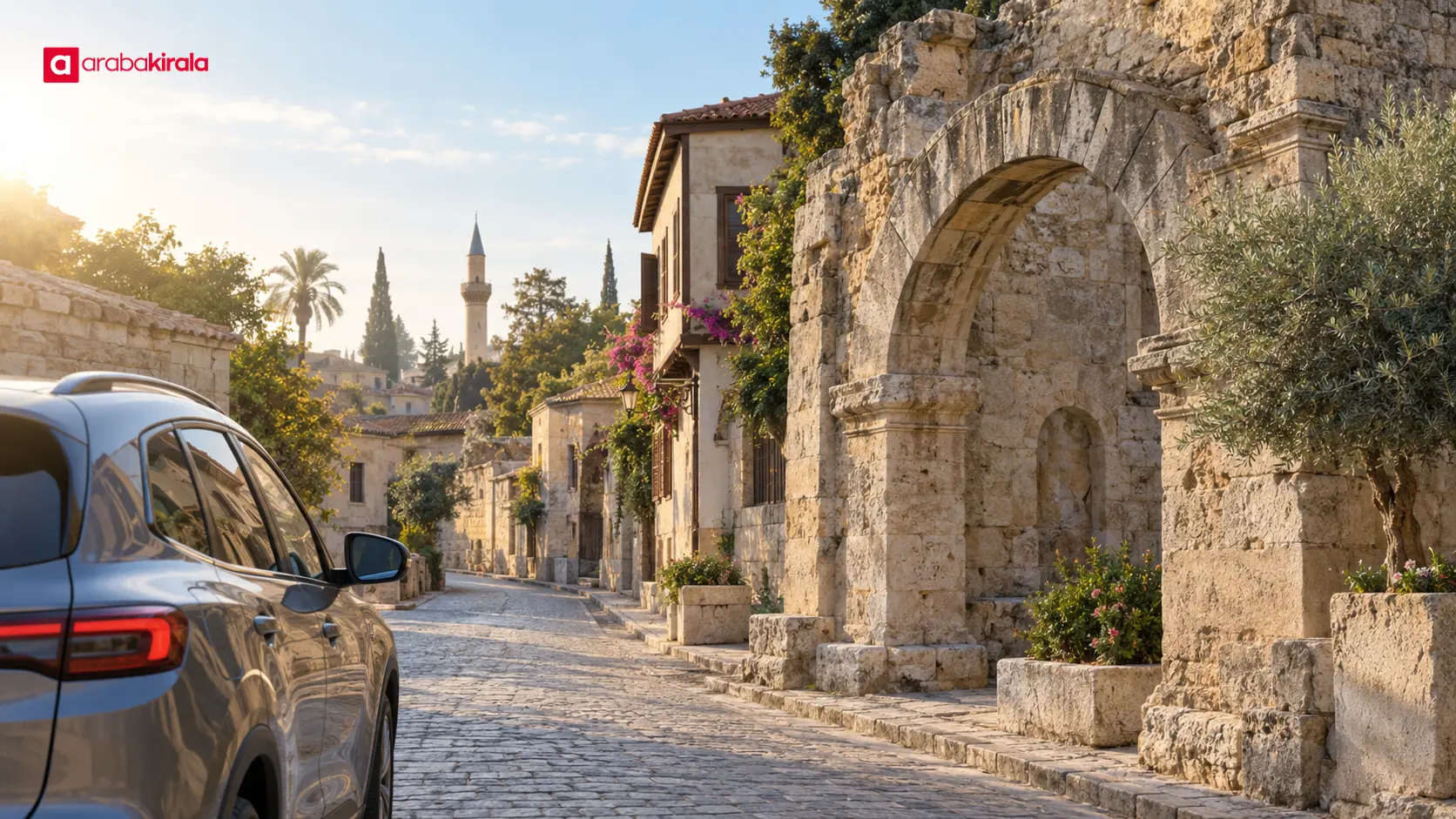
Tarsus has historic buildings, open spaces, and sites spread across different parts of town. They do not all call for the same kind of visit. One stop may be a brief look at an exterior, while another may invite a longer walk through its surroundings. Start by dividing your list into geographic groups: nearby central stops, places farther from the centre, and locations that fit the direction of your return journey.
For each stop, allow time for more than the drive shown on a map. Include parking, the walk from the vehicle, time to explore, and a break. Route estimates can change with traffic and access conditions, so use them as planning aids rather than a fixed timetable. If the day begins to run short, postponing one stop is more practical than rushing through every site.
How to build a route for Tarsus’s historic sites
Choose the focus of your visit
Decide whether you are most interested in architecture, historical context, open spaces, or observing the surroundings. Your focus helps determine how much time to allow. Viewing a building from outside is different from exploring the nearby streets as well. At places with religious or local significance, be considerate of visitor etiquette and any access guidance posted by the site.
Group nearby stops
Keeping central sites together can reduce the need to return to the car repeatedly. Leave the vehicle in an appropriate place and explore nearby buildings on foot; this also avoids searching for parking on narrow streets at every stop. The car can be useful for a longer transfer to a site outside the centre. Do not assume that every historic location has a nearby parking space or direct vehicle access. Walking access and local traffic arrangements vary.
Keep the order flexible
It can be practical to begin with a site whose current visiting hours you have confirmed, then leave open spaces or nearby walks for later in the day. Avoid assuming that a building will be open at a particular time. Visiting hours, entry arrangements, maintenance, and special events can change. Before setting out, check a current notice or an official contact channel for the place you intend to visit.
Balance driving with walking
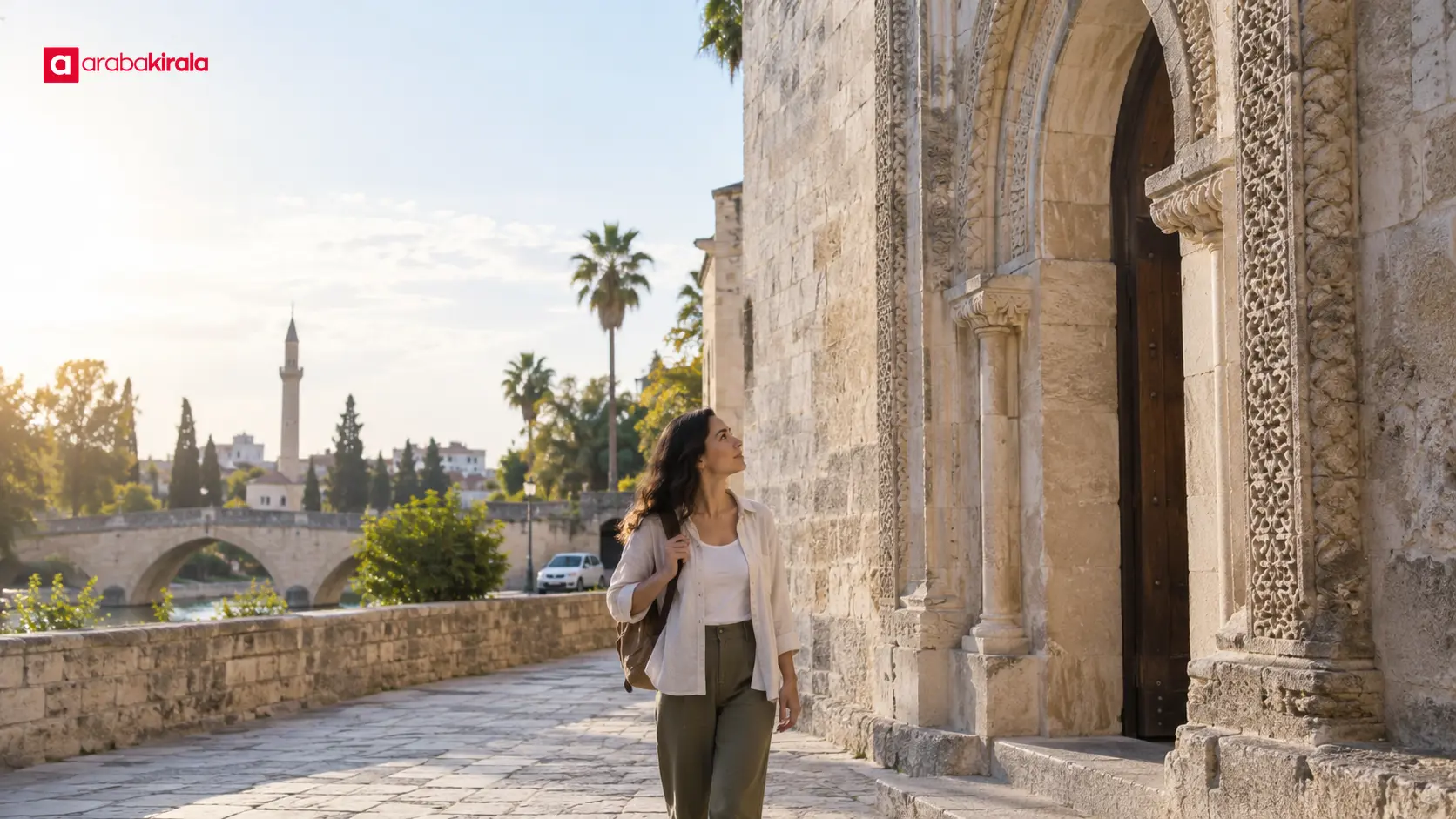
A car can make it easier to reach stops farther apart, but it does not guarantee parking on every street in the historic centre. Review possible parking areas on a map, follow local signs and traffic rules, and never obstruct pedestrian access. Once parked, combining several nearby stops on foot often makes the day flow better than driving short distances between each one.
Include time to park and walk in the schedule. If anyone in your group is a child, an older adult, or has limited mobility, look at walking distances and opportunities to rest. Access conditions differ from one historic site to another. Checking current information about steps, surfaces, and entrances can help you plan a visit that works for your group.
A practical preparation checklist
- Mark the sites on a map and group them by proximity.
- Check current visiting hours, access information, and any entry notices for each place.
- Charge your phone; a saved route or offline map can help if connectivity is limited.
- Pack water, comfortable walking shoes, and personal items suited to the weather.
- Leave room for meals, rest, traffic, and delays.
- If you are renting a car, confirm reservation-specific details with the branch you will collect from, such as vehicle class, fuel arrangements, mileage terms, parking or return procedures, and opening hours.
At pickup, reviewing existing vehicle marks together and recording the fuel and odometer readings makes it easier to compare the return condition with the handover record. Read the agreement and handover documents, including the dates, vehicle details, and listed procedures. Ask the branch about anything unclear or relevant to your itinerary before taking the car. These are general trip-planning steps, not a statement of any company’s terms or service guarantees.
A sample flow for the day
Begin in the morning at a central historic stop whose visiting hours you have checked. Walk to nearby buildings and streets rather than moving the car after every short visit. After a lunch break, drive to a selected site outside the centre, allowing time to park and explore the area. Keep the final part of the day open for a stop that fits your return direction or for a rest. This is a flexible outline, not a fixed tour: adjust the order to current access information and your own pace.
Driving quickly to reach one more stop or parking in a way that blocks access should not be part of the plan. Follow road signs and traffic rules, and set your navigation destination before moving rather than handling your phone while driving. If you feel tired after a full day, take a break before continuing.
Frequently asked questions
Can you see Tarsus’s historic sites in one day?
That depends on how many places you choose, their current visiting hours, and how long you want to spend at each one. Choose a few priorities rather than trying to fit every site into one day; the rest can be saved for another visit.
Can you drive to every historic site in the centre?
Do not assume that every street or building has direct vehicle access or nearby parking. Consider parking at a suitable point and walking shorter distances, and check current access and parking arrangements before setting out.
What should I ask when arranging a rental car?
Ask the branch handling your reservation about vehicle class, pickup and return times, mileage terms, fuel arrangements, any additional-driver process, and pickup or return details that affect your itinerary. These details may vary by reservation or branch, so treat them as specific questions rather than universal rules.
What order should I follow for the route?
Start with stops whose current hours and access you have confirmed, then add nearby open spaces or walking routes. Combining short central distances on foot, using the car for longer transfers, and leaving time at the end of the day are good starting points.

Your next step
Mark the historic places you want to see on a map, combine nearby locations into walking sections, and verify current visit information for each site. If you plan to rent a car, clarify any itinerary-related terms with the Tarsus branch or pickup location before booking. That preparation turns a list of historic places in Tarsus into a day that balances getting around with time to explore.
Legal Disclaimer: All content, articles and information on the Araba Kirala website are provided solely to inform users. No information shared on this website constitutes definitive advice or guidance. Araba Kirala Teknoloji A.Ş. and its authors cannot be held responsible for any direct or indirect damages arising from the application of information on the website. For all questions and requests regarding car rental, please contact the office from which you will rent your vehicle.