How to Visit Tokat’s Historic Center and Ballıca Cave by Car
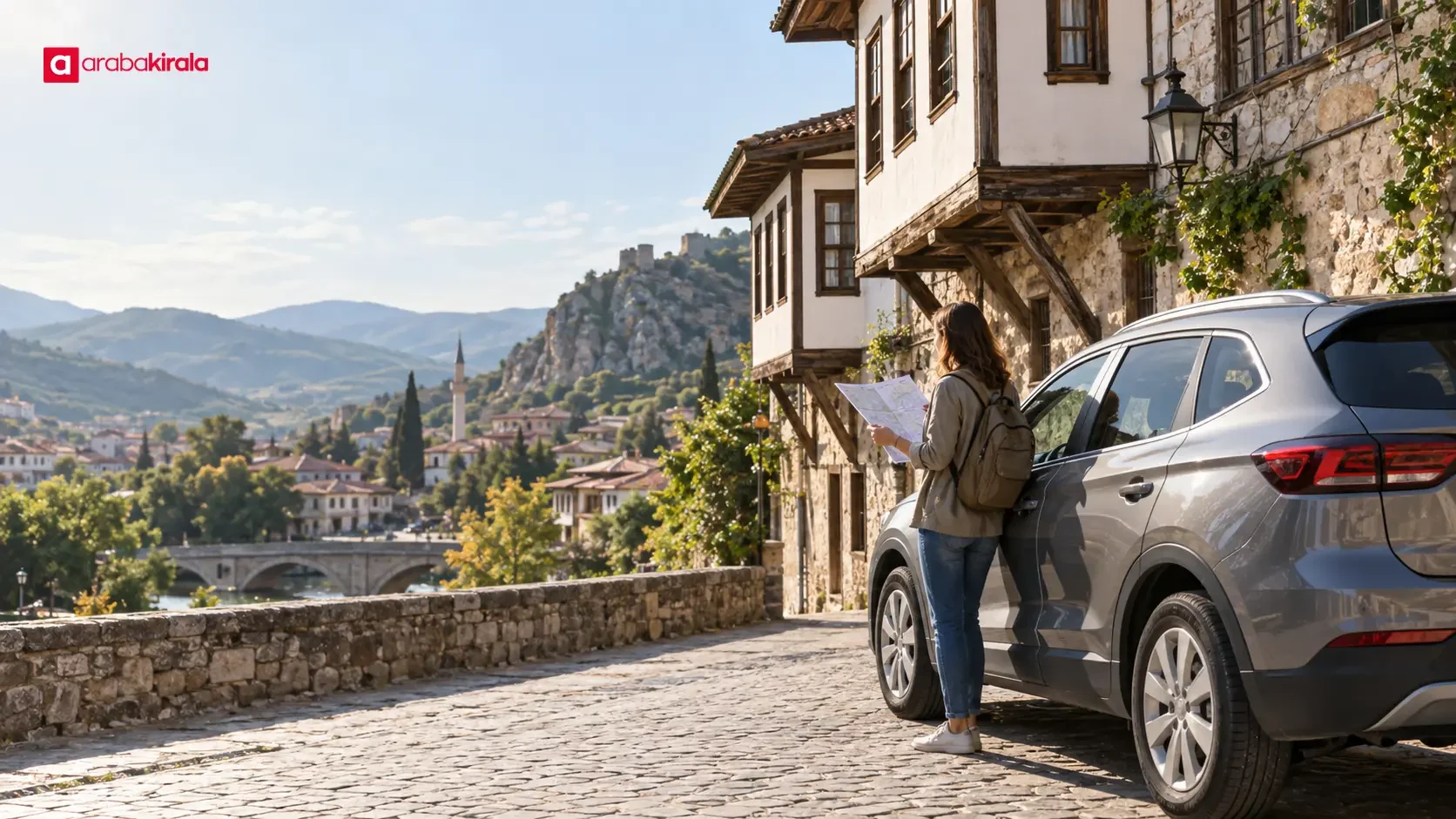
Tokat’s historic sights range from closely grouped places in the city center to Ballıca Cave, a separate destination outside the central walking area. Visiting both by car can make it easier to move between them, but a workable day depends on treating the city walk and the cave visit as distinct parts of the itinerary. Check current opening information, road conditions, and parking arrangements before setting out, and leave enough time for the return drive.
Plan the center and the cave as separate sections
Tokat’s central historic area can usually be explored on foot once you have parked. Trying to drive to every nearby landmark can mean repeatedly searching for parking and covering short distances in traffic. Mark the places you want to see on a map, then arrange them into a walking route. Account for slopes, steps, time spent inside buildings, and breaks rather than assuming that the distance between locations tells the whole story.
Ballıca Cave is not part of that compact city-center walk. Its visit requires a separate road journey, time at the site, and a return plan. A navigation app’s estimate is a planning aid, not a guaranteed arrival time: traffic, roadworks, weather, and your starting point can all affect the trip. Consider the outbound and return legs separately so the cave visit does not push the drive back into an overly tight schedule.
How much can fit into one day?
The answer depends on how many historic sites you want to enter and how much time you set aside for the cave. Seeing a building from outside takes a different amount of time from visiting its interior. Pick a few priorities and keep the schedule flexible. Confirm Ballıca Cave’s current visitor hours and access information through an official channel before travelling; older travel posts may no longer reflect the current arrangements.
Some itineraries may work better by visiting the cave earlier and returning to the center, while others may suit a different order depending on accommodation and starting point. Review both sections on a map in advance. Include time for fuel or charging, a rest stop, and the return journey instead of treating the driving time shown by an app as the entire travel commitment.
Driving and road preparation
Before leaving, review the route itself as well as the destination. If the route extends into rural areas, downloading an offline map can help where mobile reception is limited or location updates are delayed. Check the vehicle’s fuel or charge level, look for visible tire problems, and pay attention to dashboard warnings. If a vehicle warning appears, contact the rental office for guidance rather than continuing to drive as though nothing has happened.
Adjust speed to road signs, visibility, and surface conditions. In rain, fog, or poor visibility, leave more following distance and avoid abrupt manoeuvres. Set navigation and audio before moving; do not handle a screen while driving. If you need to stop, choose a safe and permitted place. Parking near historic areas and the cave may be limited or arranged differently, so follow signs and on-site directions.
Park once and explore the historic center on foot
Choosing one suitable parking location can make the central visit more straightforward and reduce unnecessary trips through narrow streets. Read local signs and markings before leaving the car. Street width, pedestrian activity, and stopping options can vary around historic sites. A legal parking place followed by a walk may be more practical than trying to approach every entrance by car.
Think about the walking surface and slope as well. Historic streets may include stone paving, steps, or inclines, so comfortable shoes and clothing suited to the weather can make the visit easier. If accessibility is a concern, check the entrance conditions and vehicle access with the relevant site before travelling. You can also plan the route so the walk back to the car does not add an unnecessary detour.
Prepare for a cave visit
A cave has a different environment from an outdoor historic site. Lighting, temperature, moisture, flooring, and steps may feel different from the conditions outside. Stay on the designated visitor route, do not cross barriers, and avoid touching or removing rock formations. These practices help protect the cave and support visitor safety. Follow posted directions and any guidance from staff.
Before the trip, verify current opening information, admission arrangements, photography rules, and access conditions through official visitor channels. These details can change, so do not rely on an assumed time or fee. Visitors with mobility or health needs should check relevant conditions such as stairs and walking distance in advance. Drivers should also allow for any walk between the parking area and the entrance when estimating the visit’s duration.
Rental-car checks before setting out
Review the rental agreement for the return time, fuel or charging arrangement, mileage terms, how vehicle damage is recorded, and how to request roadside assistance. These details can vary by reservation and vehicle, so ask the branch where you will collect the car if anything is unclear. At pickup, note existing marks or damage and the dashboard condition so you can compare your observations with the handover record. Before returning the car, check its visible condition and fuel or charge level again.
If the trip takes longer than planned, contact the rental office before the agreed return time to ask how a change should be handled and what it may mean for the reservation. Leave schedule flexibility if a long visit could affect the return. If another person is expected to drive, ask the branch how that driver must be recorded and what documents are needed. Do not let someone drive unless they are included in the rental arrangements.
A practical itinerary sequence
Start by selecting the central historic places that matter most to you and putting them in a sensible walking order. Park in a suitable place and complete the center visit on foot. After a meal or rest, add the drive to Ballıca Cave only after confirming its current visitor information. Keep the drive back, daylight, and driver fatigue in view. This is a planning pattern, not a fixed tour; adjust the order to your accommodation and priorities.
If rain or fog is forecast, reassess the drive outside the city and allow extra time. When road or weather conditions are poor, reducing the number of outdoor stops is a sensible way to avoid an overpacked day. If you become tired while driving, stop somewhere safe and rest before continuing.
Frequently asked questions
Can I visit Tokat’s center and Ballıca Cave in one day?
It depends on how many places you plan to visit, whether you want to enter historic buildings, and the cave’s current visitor hours. Prioritize the central stops, allow time for both directions of the drive, and confirm current cave information before departure. Keeping a few optional stops for another visit is more practical than compressing the whole day.
Do I need a car for every stop in Tokat’s historic center?
No. For nearby places, parking once and walking can reduce time spent looking for parking and making short drives. Follow local parking signs and choose a walking distance that suits your needs.
What should I check before driving to Ballıca Cave?
Check current visitor hours, entrance arrangements, the visitor route, and access conditions through official channels. Review road and weather conditions as well. Older posts may contain outdated hours or travel details.
Which rental terms matter for this trip?
The return time, mileage terms, fuel or charging arrangement, damage record, and roadside-assistance procedure can affect your plan. Review them in the agreement before pickup and ask your rental branch about details specific to your reservation.
Legal Disclaimer: All content, articles and information on the Araba Kirala website are provided solely to inform users. No information shared on this website constitutes definitive advice or guidance. Araba Kirala Teknoloji A.Ş. and its authors cannot be held responsible for any direct or indirect damages arising from the application of information on the website. For all questions and requests regarding car rental, please contact the office from which you will rent your vehicle.