Torque and Horsepower: What They Mean for Everyday Driving
Torque and horsepower describe different parts of an engine’s capability. Torque measures its turning force, while horsepower describes how quickly work is done. Drivers often encounter both figures when reading a vehicle specification sheet, but neither number alone tells you exactly how a car will feel or perform. Engine speed, transmission ratios, vehicle weight, tires, and the way power reaches the wheels all matter. Understanding the difference makes it easier to interpret technical data and relate it to everyday driving.
What is torque?
Torque is the turning effect produced by a force. In a car engine, it is generated at the crankshaft and passed through the drivetrain toward the wheels. It is commonly measured in newton metres (Nm). A peak torque figure is useful, but the engine speed at which that figure is produced also matters. An engine that provides useful torque over a broad range of speeds may feel flexible, with less need for frequent gear changes in some conditions. Actual response still depends on the transmission, road gradient, load, throttle calibration, and driving mode.
Engine torque is not the same as the turning force available at the wheels. The gearbox and final drive change how engine rotation is delivered. A lower gear can increase wheel torque while changing the vehicle’s speed and engine speed. That is why a torque figure by itself cannot establish a car’s launch performance, towing suitability, or ability to climb a particular slope. Those depend on the entire vehicle and its stated limits.
What does horsepower mean?
Horsepower is a unit of power: it describes how much work an engine can do over time. Technical specifications may list power in kilowatts (kW), horsepower, or both. Torque and power are linked through engine speed. If an engine maintains torque while turning faster, it can produce more power. As a result, the maximum horsepower figure does not reveal the whole story unless you also know the speed range where that power is available.
A power curve shows how torque and power change as engine speed rises. One engine may respond strongly at low speeds but lose its pull sooner; another may be designed to rev higher before reaching its strongest output. The useful question for a driver is how the engine behaves in the gears and speed range that match the journey. When reviewing manufacturer data, look for the engine speeds listed alongside maximum torque and maximum power.
Torque versus horsepower
Torque describes turning force; horsepower describes the rate of doing work. Both are needed to understand an engine’s character. Strong low- or mid-range torque can contribute to a responsive feel, while power is related to the ability to keep increasing speed under suitable conditions. Simple rules such as “torque is for acceleration and horsepower is for top speed” leave out too much. Acceleration also depends on engine output across the rev range, gear ratios, vehicle mass, traction, and how the driver selects a gear.
Power delivered at the wheels can differ from power produced at the engine because the drivetrain has losses and the transmission changes the relationship between engine speed and wheel speed. Two cars with similar peak figures can therefore feel different if they have different weights, gear ratios, traction systems, or throttle responses. Compare specifications in context rather than choosing a vehicle by its largest number.
How the difference shows up on the road
Starting and accelerating in town
Stop-and-go traffic involves frequent starts and acceleration from low speeds. Low-speed torque can influence how readily an engine responds when the driver presses the accelerator. A transmission also shapes that response: an automatic selects gears according to its programming, while a manual requires the driver to choose an appropriate gear. The same engine can feel different across transmissions or drive modes. Smooth, progressive throttle input and attention to traffic flow are practical habits regardless of the engine’s peak figures.
Climbing hills and carrying a load
On an incline, the vehicle needs enough wheel force to maintain its speed. The gradient, passengers, and luggage affect the demand. Engine torque helps meet that demand, while the transmission selects a ratio that can keep the engine in a suitable operating range. If the engine is labouring, use a suitable gear safely and follow the vehicle’s owner’s manual. A torque figure does not state the permitted payload or towing capacity. Check the manufacturer’s technical documents for those limits.
Passing and continuing to accelerate
Passing requires more than a powerful engine. Gear selection, visibility, road conditions, traffic, and enough safe space are essential. A car in a high gear at low engine speed may respond slowly; shifting down can bring the engine into a more useful range. But the decision to pass must be based on a clear view, road markings, traffic, and a safe opportunity. Performance cannot replace safe distance or attentive driving.
How to read a specification sheet
- Check the engine speeds: The speeds at which peak torque and power occur help explain the engine’s character.
- Keep units distinct: Nm measures torque; kW and horsepower measure power. They are not interchangeable.
- Consider the transmission: Gear count and ratios affect how engine output reaches the wheels.
- Include vehicle weight and purpose: Similar engine figures can produce a different driving feel in vehicles with different mass and body styles.
- Use manufacturer information: Compare data measured and presented on a consistent basis; do not fill missing details with assumptions.
Using these details when choosing a rental car
Torque and horsepower can help you think about whether a vehicle suits a journey, but they do not guarantee that a particular model will be right for you. Consider city driving, highway travel, the number of passengers, luggage, and the route’s terrain together. If you need to know which vehicle classes or engine options are available, ask during the reservation process or contact the branch where you will collect the car. Confirm details for your reservation directly with that branch rather than assuming a particular vehicle will be assigned.
Before driving away, review the owner’s manual and dashboard indicators. Recommended fuel, gear operation, and driver assistance features can vary between vehicles. These checks help turn technical specifications into practical understanding, especially when the car’s powertrain differs from the one you normally drive.
Frequently asked questions
Is a car with more torque always faster?
No. Torque describes an engine’s turning force, but does not determine acceleration on its own. The power curve, gear ratios, vehicle weight, traction, and tires also affect the result.
Does more horsepower always mean higher fuel consumption?
Peak power alone does not determine real-world fuel use. Consumption varies with engine design, vehicle weight, speed, traffic, route, maintenance, and driving style. Treat published consumption figures as test data, not a guaranteed outcome for every trip.
Do torque and horsepower apply to electric cars too?
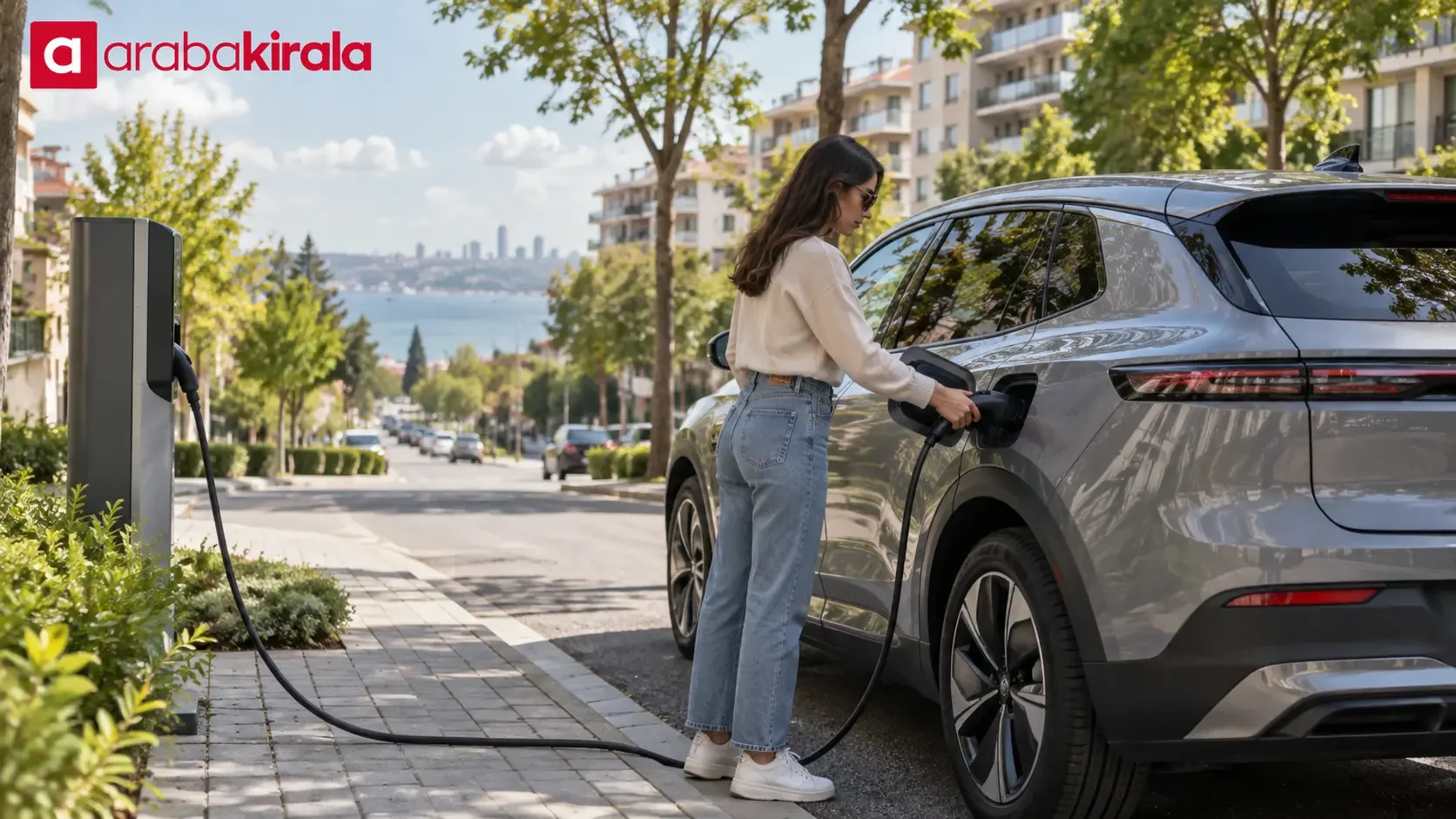
Yes, the terms are used for electric motors as well. The way an electric motor supplies torque at different speeds, and whether it uses a single-speed or multi-speed drivetrain, can give it a different driving feel from an internal combustion car. Manufacturer technical information is useful when comparing them.
Can I tell a car’s pulling ability from engine torque alone?
No. Engine torque is only one part of the force that reaches the road. Gear ratios, final drive, drivetrain, tire grip, and vehicle weight matter too. Check the manufacturer’s technical documents for payload or towing limits.
Reading torque and horsepower together gives a more complete picture of an engine. Add engine speed, transmission, and vehicle weight to the comparison, and specifications become more useful for matching a car to your needs. Safe driving still depends on appropriate speed, suitable gear selection, awareness of road conditions, and following the vehicle maker’s instructions.
Legal Disclaimer: All content, articles and information on the Araba Kirala website are provided solely to inform users. No information shared on this website constitutes definitive advice or guidance. Araba Kirala Teknoloji A.Ş. and its authors cannot be held responsible for any direct or indirect damages arising from the application of information on the website. For all questions and requests regarding car rental, please contact the office from which you will rent your vehicle.