Vehicle Class vs. Body Style: Choose a Rental Car for Your Needs

Published: October 9, 2026 • Reading Time: 8 min • Last Updated: October 9, 2026
Learn how vehicle class differs from body style, what each label can tell you, and how to assess passenger, luggage, parking, and route needs before renting.
Contents
- What do vehicle class and body style mean?
- Why the distinction helps when renting
- How to assess common body styles
- Hatchback: flexible access in a compact layout
- Sedan: a separate trunk
- SUV and crossover: taller profiles in a range of sizes
- Station wagon: an extended cargo area
- Five practical factors for narrowing your choice
- Checks before booking and pickup
- A quick guide to matching needs and layout
- Frequently Asked Questions
Vehicle class and body style are two labels that may appear together in a rental search, but they describe different things. This guide explains how class gives a broad sense of a vehicle’s size and market position, while body style describes its shape and the way its cabin and cargo area are arranged. You will also learn how to weigh passenger numbers, luggage, city parking, and trip plans before narrowing your choices. That gives you a practical basis for reading a vehicle group description and asking the rental branch about details that matter to your reservation.
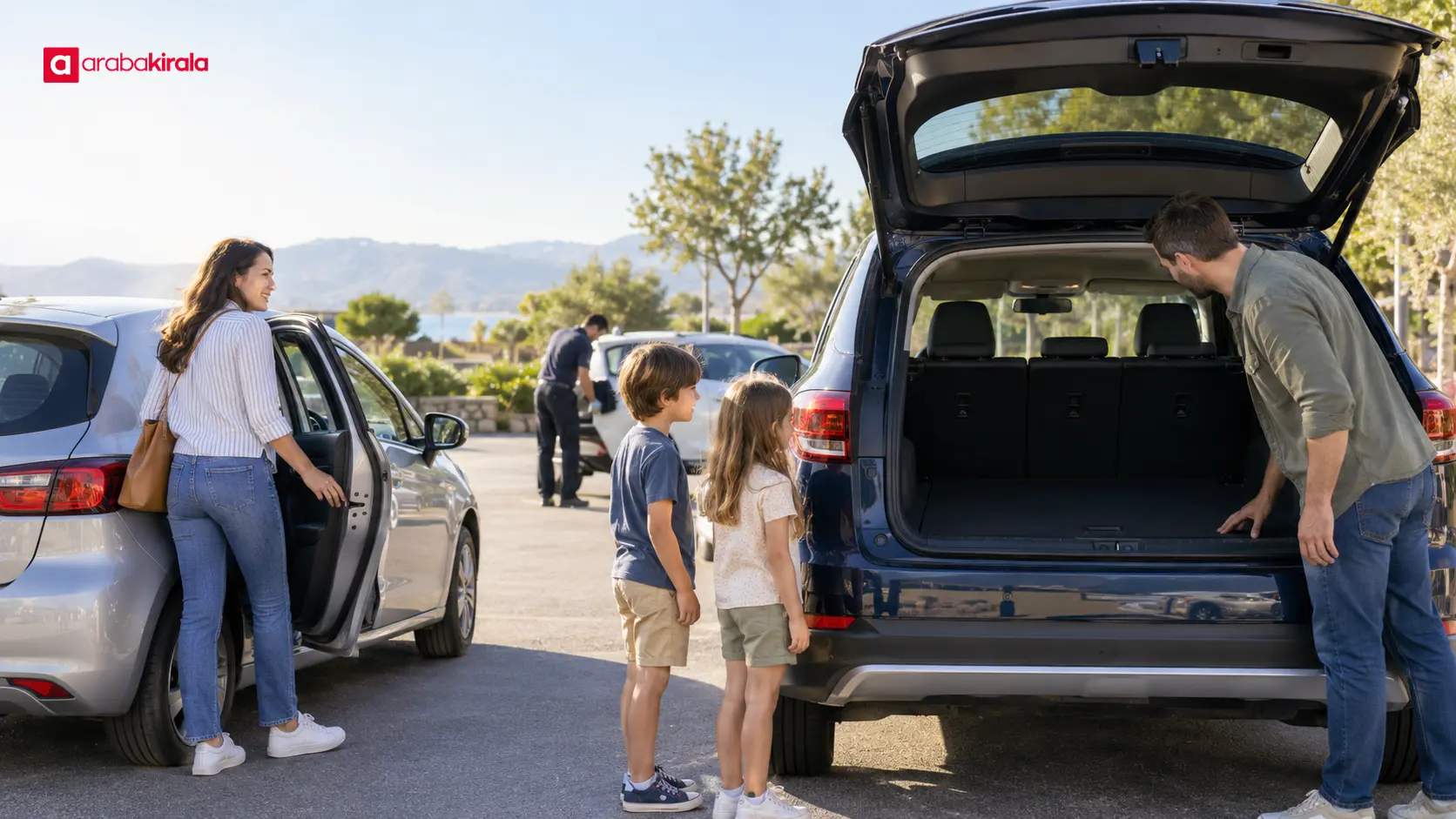
What do vehicle class and body style mean?
Vehicle class is a broad way to group cars by factors such as overall size, intended use, and equipment level. Terms such as economy, compact, midsize, or premium can suggest the general scale or position of a vehicle. The labels are not universal promises, though: the exact grouping and included equipment can vary by listing. A class name alone does not identify a specific model, engine, luggage capacity, or feature set.
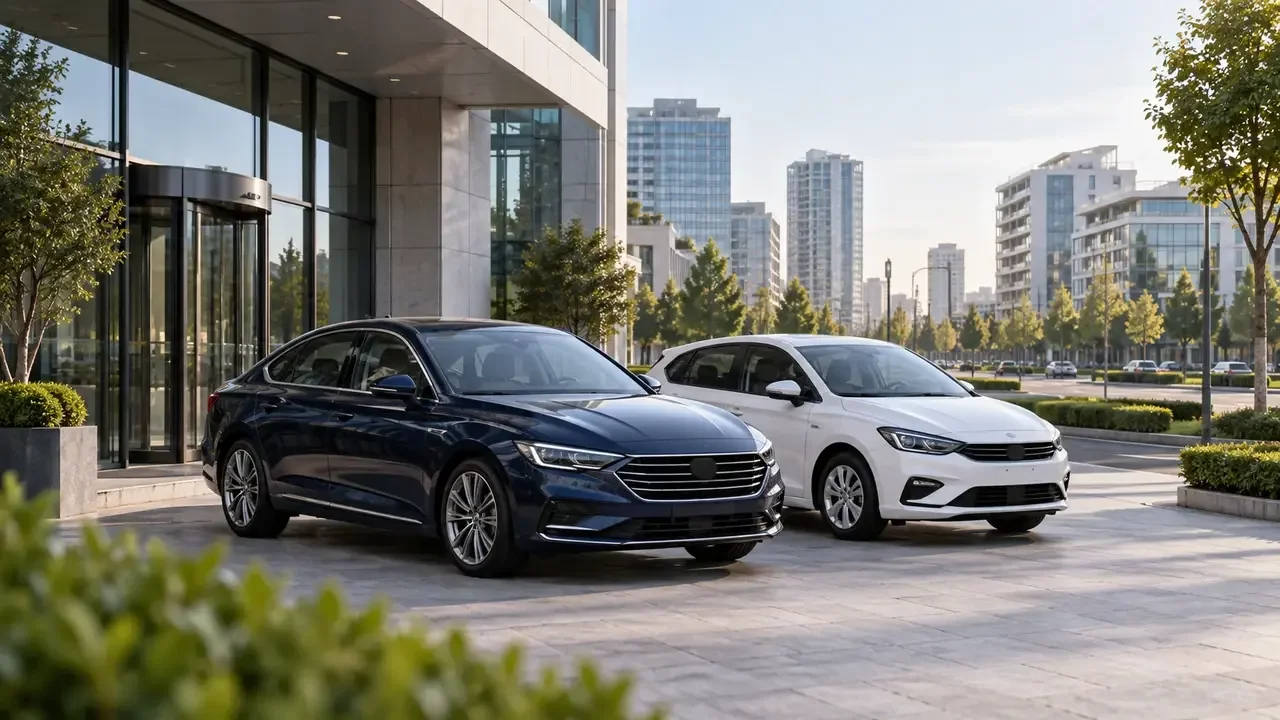
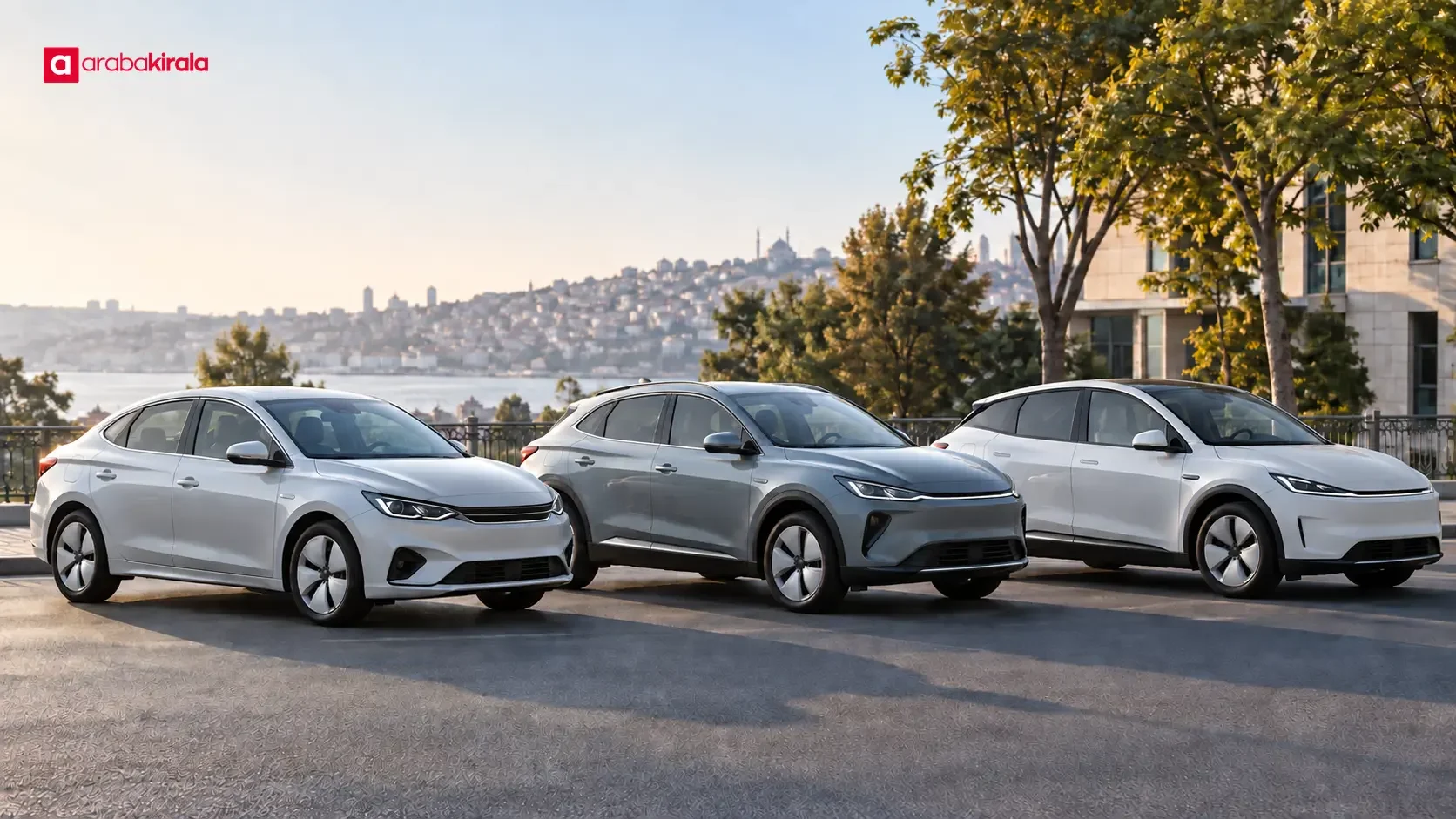
Body style describes the vehicle’s physical form and the layout of its passenger and cargo spaces. Hatchback, sedan, SUV, and station wagon refer to different rear shapes and arrangements. A body style can appear in vehicles of different sizes, and vehicles in a similar class can have different body styles. The two labels therefore answer different questions: broadly, what scale of vehicle is this, and how is its space arranged?
Why the distinction helps when renting
Class can help you form an initial expectation about a vehicle’s overall footprint. Body style helps you consider what that footprint means for loading luggage, entering the cabin, or using the rear seats. A larger vehicle may offer more cabin or cargo space, but actual usable room varies. An SUV profile may suggest a higher seating position or a taller cargo opening, yet the label does not establish a particular vehicle’s measurements or equipment.
Using both ideas can help you avoid choosing based on a name alone. Start with the broad class, then think about whether the layout suits your passengers and belongings. Read the description of the reserved vehicle group and ask the branch you will rent from about any differences in model, dimensions, or equipment that could affect your plans.
How to assess common body styles
Hatchback: flexible access in a compact layout
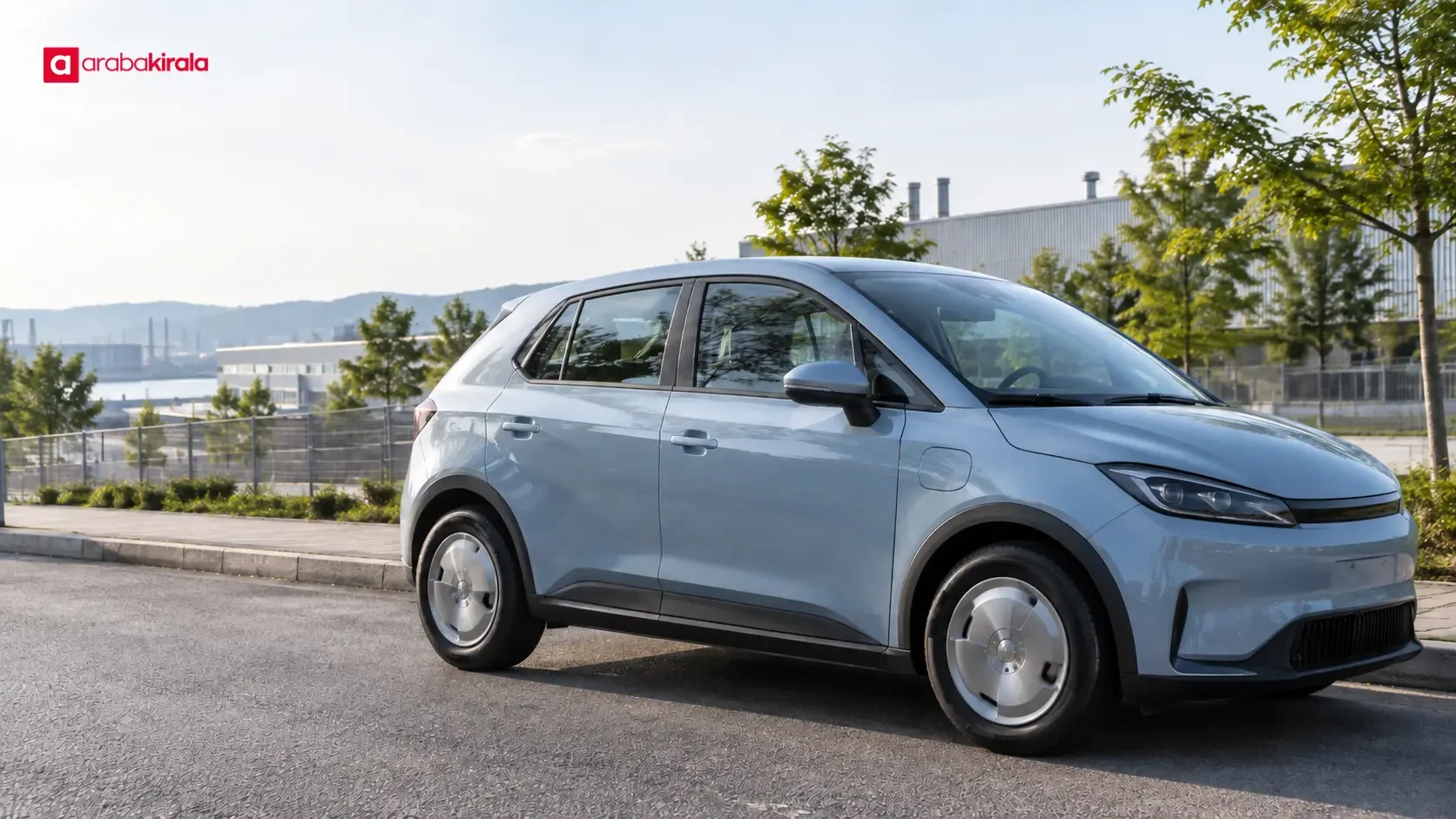
A hatchback has a rear door that opens upward and includes the cargo area. If the rear seats fold, the space may be reconfigured for some loads; check the arrangement for the specific vehicle. Compact hatchbacks can be convenient in dense city streets where maneuvering and parking space are considerations. Still, “hatchback” does not mean that every car of this type is small or has the same cargo capacity.
The layout may suit city trips, short work journeys, or travel with a modest amount of luggage. For a longer trip with larger suitcases, consider the opening, floor dimensions, and how the rear seats are used. A wide-looking opening does not tell you whether a particular item will fit once its shape and orientation are taken into account.
Sedan: a separate trunk
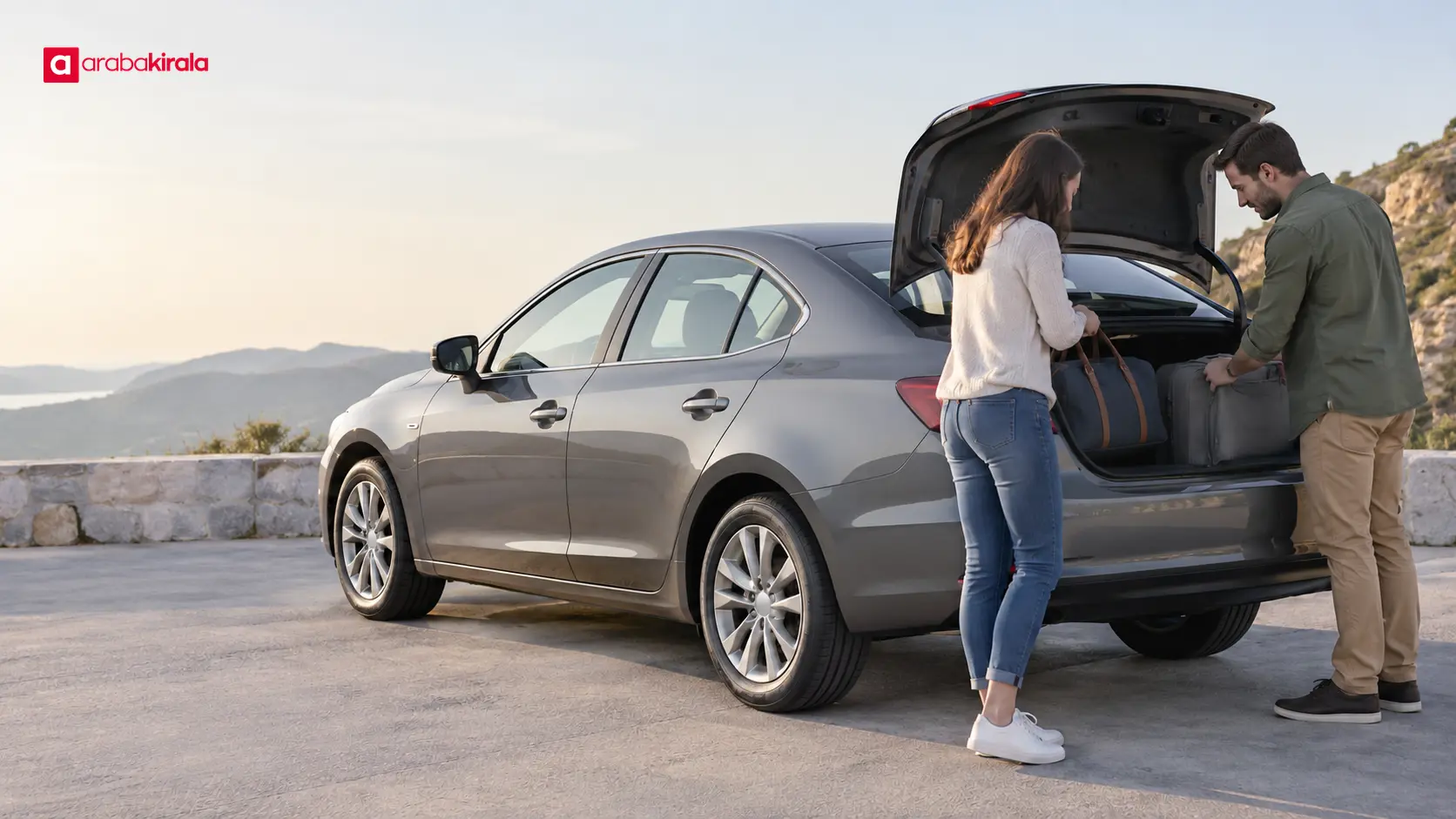
A sedan has an enclosed trunk separated from the passenger cabin. Some travelers may prefer keeping luggage in a distinct compartment. Sedans come in different sizes and classes, and the body-style name alone does not tell you the rear-seat legroom or how many suitcases will fit. Consider how many people will use the back seat and what they need to carry.
For longer journeys, assess passenger comfort, cabin room, and cargo layout together. If you have bulky or unusually shaped luggage, the trunk opening and the item’s placement may matter more than a capacity figure by itself. Ask the rental branch what variation in luggage layout or seating you should expect within the reserved group.
SUV and crossover: taller profiles in a range of sizes
SUV is a broad label for vehicles that often have a taller body and a more upright seating position. Crossovers may combine a car-like driving layout with a higher profile. Neither label by itself guarantees all-wheel drive, off-road capability, or a spacious cabin. Ground clearance, drivetrain, and seat layout differ among vehicles.
If a higher seating position or easier entry is important, evaluate those features in the vehicle offered for your rental. A taller vehicle can also require attention to garage height limits and the space it occupies when parking. Check the entrances you plan to use, and confirm the approximate dimensions or technical features you need with the rental branch.
Station wagon: an extended cargo area
A station wagon has a roofline that continues toward the rear and a cargo area integrated with the cabin. Its layout may work well for long items or several bags. The remaining space with the seats occupied, the cargo floor shape, and the rear opening vary by vehicle. Do not assume that every item will fit just because the car is a wagon.
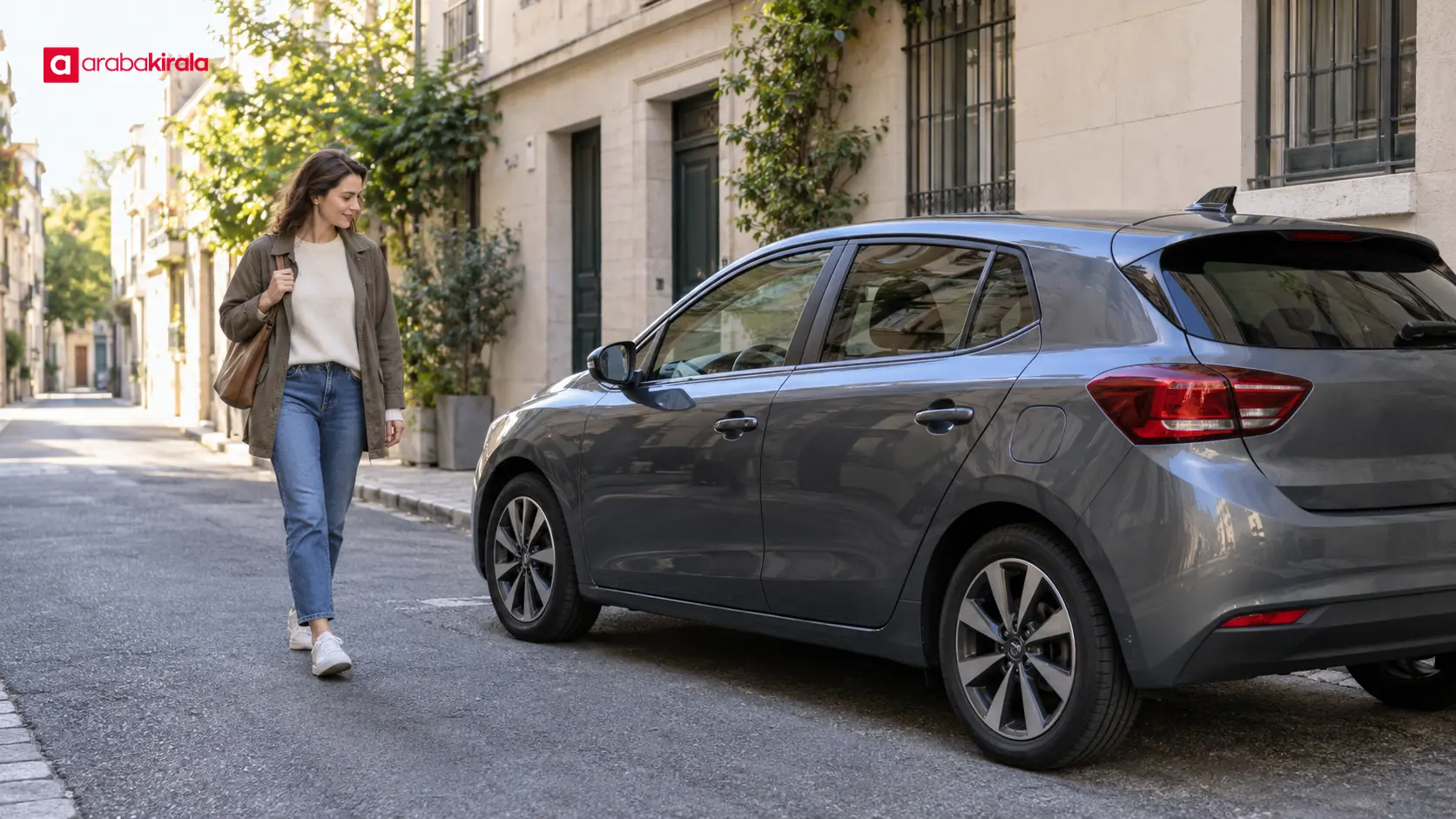
Five practical factors for narrowing your choice
- Passengers: Count everyone, including the driver, and consider the comfort of anyone using the rear seats for a long trip.
- Luggage shape: Include bulky items such as a stroller, sports gear, or equipment that cannot be folded, not only the number of suitcases.
- Where you will drive: Narrow streets and limited parking call for different considerations than long roads and spacious car parks.
- Access and loading: Seat height, door opening, and the luggage threshold can affect getting in and placing bags.
- Your priorities: Pick the two or three factors that matter most, such as cabin room, parking ease, cargo layout, or a particular driving feature.
These factors help you describe what you need when searching for a vehicle group. Treat a class label as a way to narrow the field, not as a promise that a specific model will be available. If a feature such as seating capacity, cargo layout, automatic transmission, or another specification is essential, ask the branch before booking how that feature can be confirmed for your reservation.
Checks before booking and pickup
First, write down the basics of your trip: how many people are traveling, what they will carry, where they are going, and what the parking conditions are. Use class to consider broad vehicle size and body style to assess the cabin and cargo arrangement. Remember that one class may include different body styles or equipment.
Review the description of the selected group and its listed features. Ask the relevant office about branch- or reservation-specific matters, such as the exact model, cargo dimensions, specific equipment, or pickup arrangements. At pickup, review the vehicle’s exterior, interior, and existing damage record with the staff. Check that the fuel and odometer readings match the handover record; clear records can also help make the return process easier to follow. If you need equipment such as a child seat, confirm its availability and suitability in advance.
A quick guide to matching needs and layout
If easy city parking and a modest amount of luggage are priorities, you can start by looking at compact classes and hatchbacks. If you prefer a separate trunk, consider a sedan. For several bags or long items, review station wagon options. If you want a higher seating position, look at SUV or crossover groups and check their actual dimensions and technical features. These are starting points for evaluation, not rules that guarantee a particular vehicle will suit every traveler.
In short, class describes a vehicle’s broad scale, while body style describes how its cabin and cargo space are shaped. Begin with passenger and luggage needs, then factor in the route, parking, and access. Finally, review the booking details and ask the rental branch to clarify any points that are specific to the vehicle group. This approach helps you choose based on practical needs without treating a label as a guarantee.
Frequently Asked Questions
Are vehicle class and body style the same thing?
No. Class gives a broad indication of size or market position. Body style describes the vehicle’s shape and how the passenger and cargo spaces are arranged. Different body styles can appear within a similar class.
Do hatchbacks always have small trunks?
No. Hatchbacks vary in size and cargo layout. The rear-seat configuration and opening also affect what you can carry, so consider the dimensions of your belongings as well as the vehicle.
Does renting an SUV mean I will get an all-wheel-drive car?
No. SUV or crossover describes a general body layout, not a guaranteed drivetrain. If all-wheel drive or another technical feature matters for your trip, confirm it with the branch before booking.
Can I choose a specific model within a vehicle class?
A class description alone does not mean a particular model will be provided. If you need a specific model or feature, check the reservation details and ask the rental office what it can confirm.
How can I tell whether my suitcases will fit?
Their dimensions and whether they can pass through the trunk opening matter as much as the number of bags. Note the size of any large item and ask the branch about the cargo arrangement for the vehicle group.
What should I decide before choosing a rental car?
Start with passenger numbers, luggage, route, and parking conditions. Then identify the body and equipment features that are important to you and review the description of the reserved vehicle group.
Legal Disclaimer: All content, articles and information on the Araba Kirala website are provided solely to inform users. No information shared on this website constitutes definitive advice or guidance. Araba Kirala Teknoloji A.Ş. and its authors cannot be held responsible for any direct or indirect damages arising from the application of information on the website. For all questions and requests regarding car rental, please contact the office from which you will rent your vehicle.