How Do an Insurance Claim Notice, an Adjuster, and Repair Approval Differ?

Published: October 8, 2026 • Reading Time: 8 min • Last Updated: October 8, 2026
Understand what a claim notice, an adjuster’s inspection, and repair approval each do, how the vehicle insurance repair process moves forward, and what to clarify before work begins.
Contents
- What does each step do?
- Claim notice: recording the event
- Adjuster: technical inspection and findings
- Repair approval: clarifying the work scope
- How the claim moves from notice to repair
- Why keep the records organized?
- What to check before repairs begin
- A claim record is not the same as a coverage decision
- Summary and next step
- Frequently Asked Questions
A vehicle insurance claim notice, an adjuster’s inspection, and repair approval are three separate steps, not different names for the same action. A notice reports the event and opens a claim file; an adjuster records technical findings about the damage; repair approval concerns whether work may proceed and within what scope. This guide explains how each part of the vehicle insurance adjuster and repair process works, what it does not establish by itself, and what drivers can keep track of at every stage.

What does each step do?
Separating the flow of information from the decisions in a claim helps prevent premature work and misunderstandings. The notice puts the event on record. The inspection documents the vehicle’s condition and possible repair needs. Approval is a later step concerning the work and its scope. Details may vary with the type of policy, the event, and the parties handling the file, so the driver should follow the instructions attached to the specific claim.
Claim notice: recording the event
A claim notice is a report to the insurer that damage has occurred. It generally conveys when and where the event took place, what damage is visible, and the basic information available about the incident. A claim or reference number helps connect later messages and documents to the same file. Reporting an incident does not by itself establish that the loss is covered or that a repair amount has been settled; it starts the review.
Describe what you observed clearly instead of guessing at causes or costs. Note the time and location, visible damaged areas, and information about other parties that you have. If it is safe, take photographs that show both the vehicle’s overall condition and close views of the damage. Personal and traffic safety come first; do not stop in a dangerous place just to inspect the vehicle. The records or documents requested can depend on the circumstances, so follow the insurer’s instructions for your file.
Adjuster: technical inspection and findings
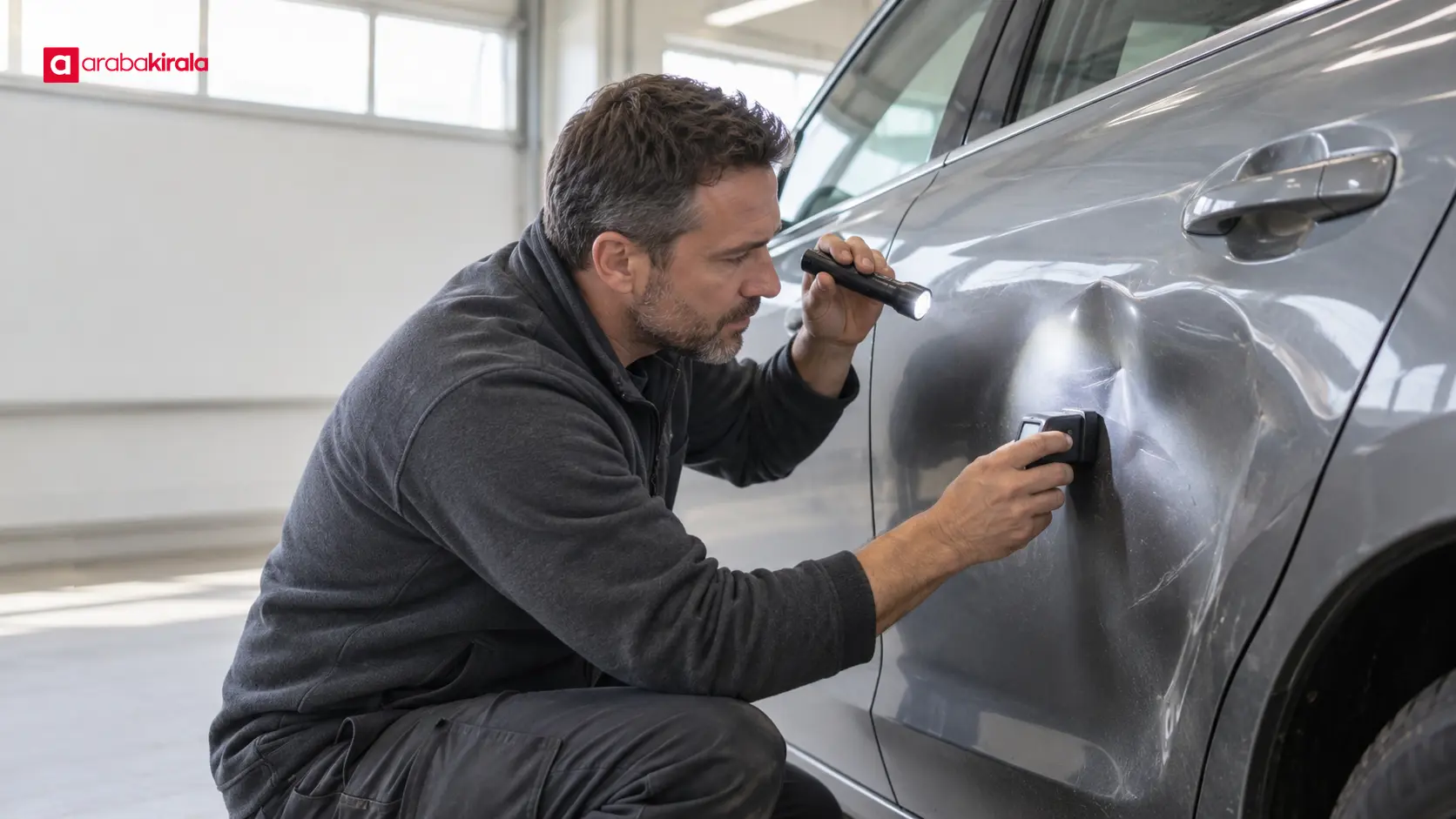
An insurance adjuster examines the damaged vehicle and relevant information to record technical findings about the damage and repair needs. The inspection can cover the vehicle’s physical condition, affected components, possible repair methods, and materials submitted with the claim. The findings are documented in a report that contributes to the claim review. An adjuster’s report should not be read on its own as a guarantee of coverage or payment under every policy. Coverage, deductibles, limits, and payment are considered under the policy and the full file review.
If the inspection raises a question about prior damage, an unrelated defect, or damage that is not immediately visible, distinguish what you know from what you do not know. Labeling photographs and records with the relevant event makes the file easier to understand. You can ask who is conducting the inspection, how the report will be shared, and whether further review is needed. Rather than assume that a particular appointment method or process applies in every case, request current instructions for your claim.
Repair approval: clarifying the work scope
Repair approval is not the same as an inspection report. The report records technical findings; approval is a subsequent stage concerning whether work can begin, what work is included, and whether more assessment is needed. Communication may be required among the repair facility, the insurer, and the people authorized to handle the claim. Leaving a vehicle at a repair shop or completing an inspection does not automatically mean that every operation has been approved.
Before work begins, clarify which damage items have been reviewed, how newly discovered damage after disassembly will be recorded, and whom the repair facility should notify if the scope changes. Ask for an itemized explanation of proposed work, parts, and labor. If your policy includes conditions related to repair facilities or parts, verify those details in your own policy. If there may be a price difference, extra payment, or an item outside the claim scope, ask who is responsible and get the explanation in writing before authorizing the work.
How the claim moves from notice to repair
A vehicle damage file usually has connected stages, but not every claim follows the same sequence or timeline. Missing records, an additional inspection, or the nature of the damage can affect progress. A useful habit is to note the current claim stage and the next expected action whenever you speak with the insurer or repair facility.
- Record the event safely: Address any injury or traffic hazard first. When safe, photograph the vehicle and damage, and note the event’s time and location.
- Submit the notice and save the reference: Use the insurer’s reporting channel, retain a copy of the information you submitted, and keep the claim number. Associate requested documents with that number.
- Follow inspection instructions: The place and timing of an inspection, required documents, and any additional assessment depend on the file. Confirm any unclear step with the insurer or repair facility.
- Understand approval and cost scope: Before authorizing work, find out what has been approved, what happens if more damage appears, and which policy-related costs might fall to you.
- Check the work at handover: Compare the work order and invoice breakdown with the repairs performed. Point out unresolved warnings or concerns during handover and keep the records.
Why keep the records organized?
Photographs, the notice record, an adjuster’s report, a repair estimate, and a work order answer different questions. A photograph can document the visible condition after the event. The notice record shows when the event was reported and under which file. The adjuster’s report records technical findings. An estimate and work order help compare planned and completed work. Keeping them together, labeled with dates and the claim number, makes it easier to ask about a particular item later.
Not every document is required in every case. Ask the insurer for the current list that applies to your file, and avoid sharing unrelated personal information. Keep an email or system receipt showing that you submitted a document; it can help clarify communication if someone later says a record is missing. You can also ask which report version is being used, whether an additional report exists, and which repair items it addresses.
What to check before repairs begin
Understanding technical and financial scope early cannot prevent every surprise, but it can reduce confusion. Direct these questions to the person handling the claim and the repair facility:
- What is the claim number, who is handling the file, and what stage is it at?
- Is the inspection complete? How can I see the findings, and is additional assessment needed?
- Which operations are approved? Who will be notified if disassembly reveals more damage?
- What parts, labor, and other items are listed on the work order, and does my policy have relevant selection or payment conditions?
- Does the policy include a deductible, limit, exclusion, or possible charge to me?
- How will I be updated about completion, quality checks, handover, and the final documents?
These are general questions for understanding a file, not uniform conditions that every insurer or policy answers in the same way. Check your policy and the written explanation for your claim. If damage occurs while you are using a rental vehicle, report it to the branch from which you rented as well as following the relevant insurance reporting steps. Ask that branch directly about procedures and documents specific to the rental vehicle.
A claim record is not the same as a coverage decision
The fact that damage has been reported or inspected does not mean that every expense will automatically be covered. Comprehensive vehicle insurance, compulsory motor third-party liability insurance, and other products have different purposes and parties. Compulsory third-party liability insurance concerns damage that may be caused to others, while comprehensive insurance defines coverage for the insured vehicle under its policy. Which policy applies, who owns the damaged property, and how the event occurred all matter. For coverage questions, read the policy’s general and special terms and the insurer’s written decision on the file.
If you disagree with an assessment, identify the specific finding or repair item in question. Send relevant support, such as a photograph, invoice, service record, or passage in the report, with the claim number and ask for a written explanation. Also clarify what the word “approved” refers to: a particular operation or amount may be approved without the entire claim being resolved.
Summary and next step
The notice puts event details into the claim file, the adjuster documents technical findings, and repair approval clarifies the work scope or conditions for proceeding. Treating them as separate steps, saving records, reviewing reports and work orders, and learning how additional damage will be handled make it easier to follow the process. Start by gathering your claim number and policy, then ask in writing about the file’s current stage, repair scope, and any amount that could be your responsibility.
Frequently Asked Questions
Does submitting a claim notice mean the repair is approved?
No. The notice records the event and starts the file review. Coverage and the repair scope are considered separately after the claim is assessed.
Is an adjuster’s report the same as the insurer’s decision?
No. The report contains technical findings from the inspection. Coverage, deductibles, and payment are reviewed under the policy and the claim file; do not treat the report alone as a promise to pay.
Can I leave my vehicle for repair before an adjuster inspects it?
There is no single answer for every file. Inspection methods and conditions for starting work depend on the claim and policy process. Document the visible damage, then get written instructions from the insurer and repair facility before work begins.
What should I do if more damage appears during disassembly?
Ask the repair facility to document the newly found damage with photographs and a work record as soon as it is seen. Contact the insurer or claim handler to ask whether another assessment is needed, and get clarification before proceeding with newly added work.
Who should I tell if a rental vehicle is damaged?
Follow the applicable insurance reporting steps and also notify the branch where you rented the vehicle. Ask that branch about vehicle-specific reporting, documentation, and handover procedures, and keep those requirements distinct from the general policy information.
Legal Disclaimer: All content, articles and information on the Araba Kirala website are provided solely to inform users. No information shared on this website constitutes definitive advice or guidance. Araba Kirala Teknoloji A.Ş. and its authors cannot be held responsible for any direct or indirect damages arising from the application of information on the website. For all questions and requests regarding car rental, please contact the office from which you will rent your vehicle.