The Roles of Repair Shops, Assessors, and Policyholders in Vehicle Insurance Damage Assessment
Published: October 9, 2026 • Reading Time: 8 min • Last Updated: October 9, 2026
Learn how repair shops, assessors, and policyholders contribute to vehicle damage assessment, from inspection and records to communication before repairs.
Contents
- What is a damage assessment meant to establish?
- How the three roles differ
- The repair shop: examines the vehicle and provides repair information
- The assessor: evaluates the file and technical findings
- The policyholder: provides accurate information and tracks records
- Steps to follow before inspection and repair
- Keeping photographs, documents, and explanations consistent
- Rental car planning while a vehicle is being inspected
- What to do when information is missing or disputed
- Summary: make the process easy to follow
- Frequently Asked Questions
Vehicle insurance damage assessment is the process of documenting damage, examining the vehicle, evaluating repair needs, and sharing relevant information among the people handling the file. This guide explains what the repair shop, assessor, and policyholder each do, how an inspection may proceed, and which records help you follow the process before repairs begin.

What is a damage assessment meant to establish?
An assessment helps identify which parts of a vehicle appear damaged and how the damage may be addressed from a repair perspective. Visible condition, the account of the incident, photographs, vehicle information, and other requested documents may all be considered. A technical assessment is not the same thing as a decision about policy coverage or payment. Policy terms and the details of the claim are considered separately in the insurance handling process.
What can be seen at first glance may not show the full extent of damage. Some effects can be concealed beneath body panels and may only become clear during a closer inspection or repair work. A later technical finding may therefore differ from the initial record without automatically meaning that someone acted improperly. When new damage is found, recording it with an explanation and supporting images makes the change easier to follow.
How the three roles differ
The repair shop: examines the vehicle and provides repair information
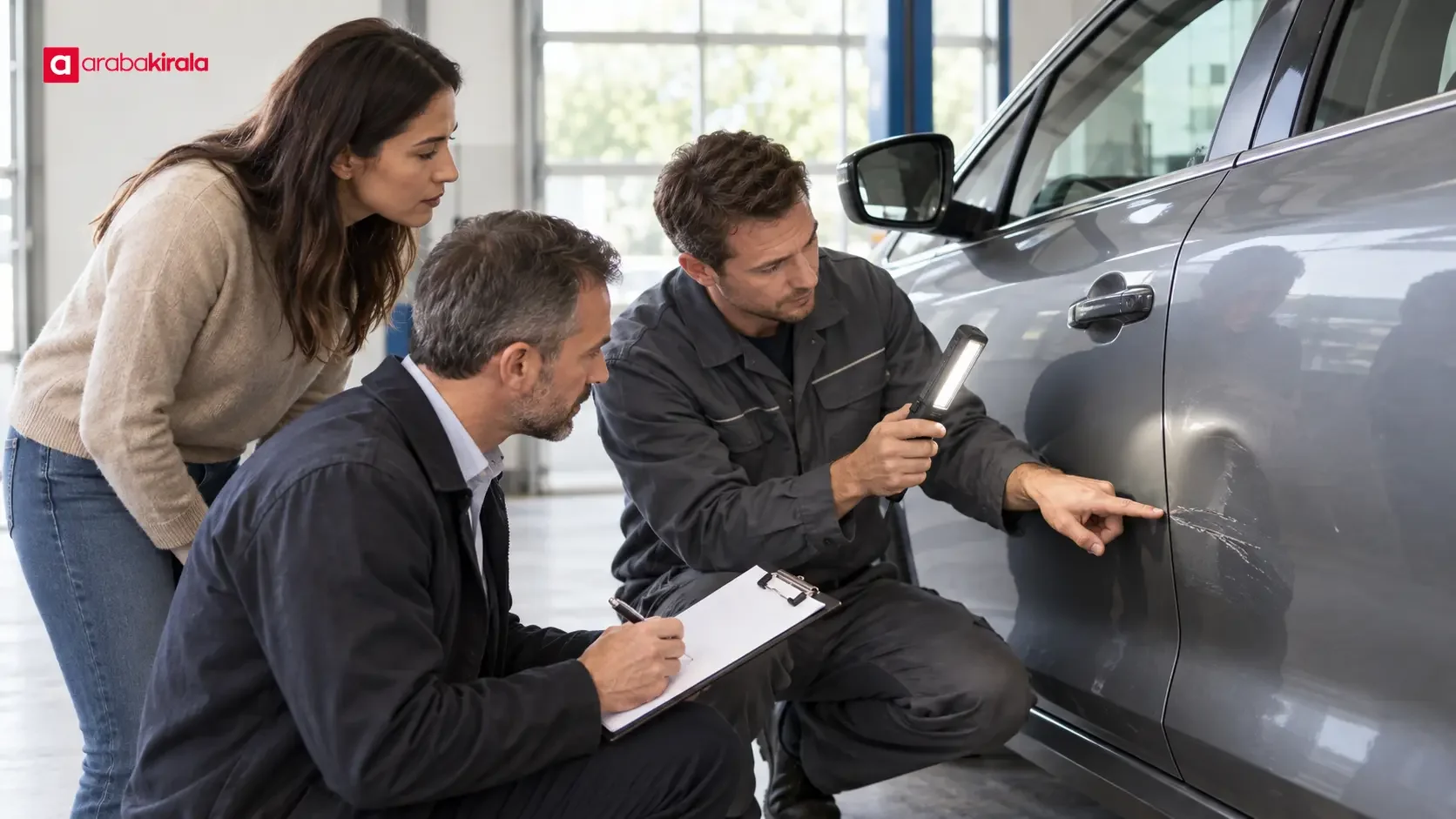
The repair shop’s main contribution is to inspect the affected areas, identify repair work, and document its technical findings clearly. It can provide information about parts, labor, and repair methods. If further damage appears as work progresses, the shop can explain the new finding and update relevant records. Its technical opinion alone does not determine whether an insurer will make a payment under a policy.
When speaking with the shop, describe when and how the incident occurred as accurately as you can, and point out the areas where damage was noticed. Mention any pre-existing damage so it is not confused with the recent incident. If there is a sign that could affect safe operation, such as a warning light or visible damage near a wheel, tell the shop promptly.
The assessor: evaluates the file and technical findings
An assessor evaluates the damage using information in the file and findings from an inspection of the vehicle. The inspection method and scope can vary with the circumstances of the claim. The assessor may record the nature of the damage, visible parts, and repair-related findings, and may request an explanation or additional document when needed. The assessor does not take the vehicle owner’s place in deciding how to use the car or perform repairs on behalf of the shop. A technical assessment is also distinct from the insurer’s handling of policy terms and the claim.
If it is unclear why a finding matters, the vehicle owner or repair shop can ask which part, image, or explanation was considered. The assessor’s role is to examine the damage using technical information; the policyholder supports that work by providing a clear and consistent account of the incident.
The policyholder: provides accurate information and tracks records
The policyholder reports the damage through the relevant insurance channel and provides the requested information as fully as possible. Notes about when and where the incident occurred, how the damage was noticed, and who was using the vehicle may help with communication. Since required documents and reporting steps can depend on the policy and type of claim, ask the insurer handling your file for the current instructions.
Keep copies of photographs and documents, and note when you received information and from whom. These records make it easier to respond if an explanation or document is later requested. If a technical term is unclear, ask the repair shop or the insurance channel managing the file instead of guessing at its meaning.
Steps to follow before inspection and repair
- Make safety the priority: If the vehicle may not be safe to drive, do not continue the journey; use an appropriate assistance channel for your location. Take photographs only when doing so does not put you or others at risk.
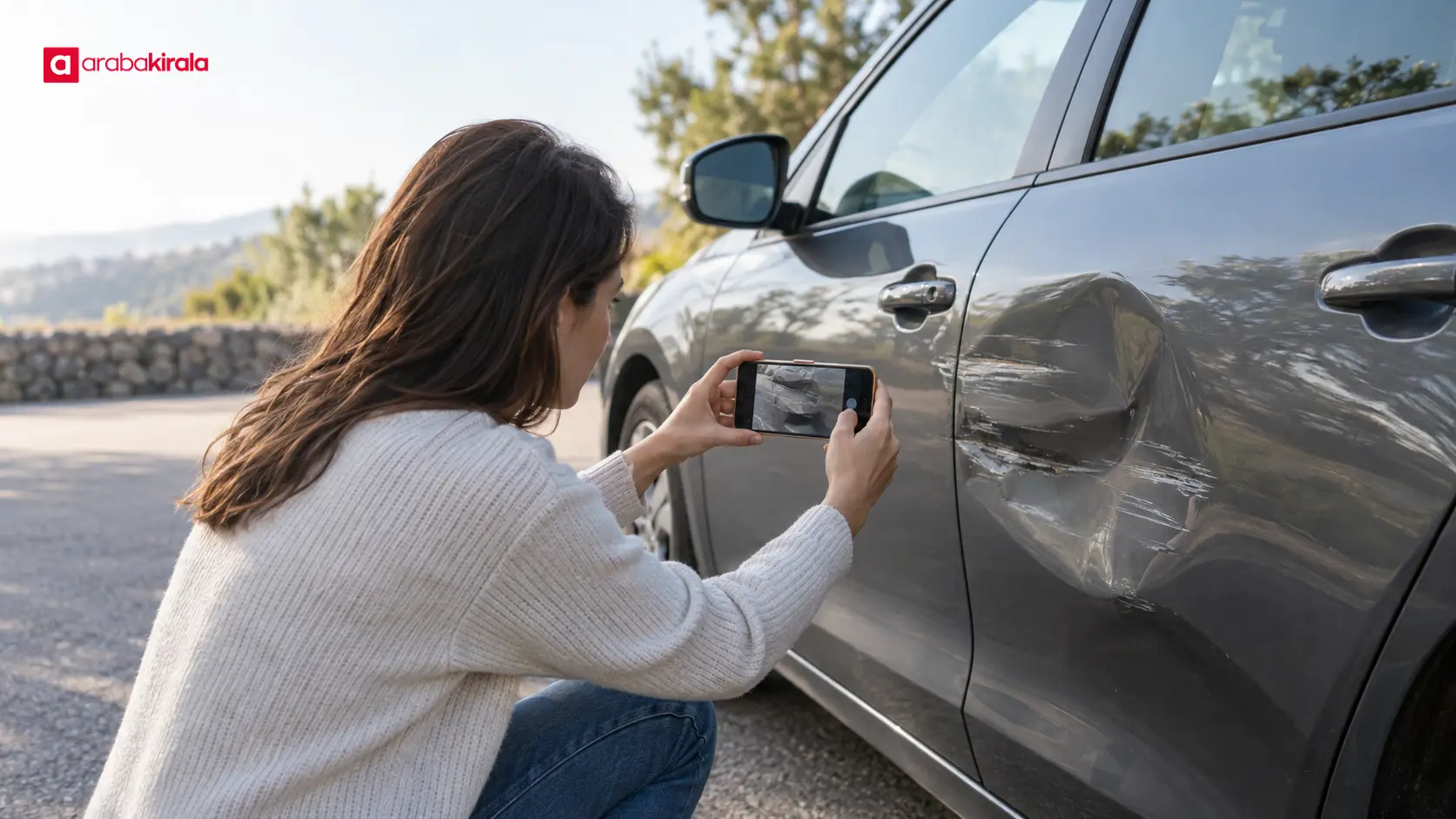
- Record the damage: Photograph the vehicle as a whole and the affected areas from angles that show both context and detail. Keep the original files so the images remain easy to identify and follow; do not put yourself in danger to take a picture.
- Write down what you observed: Note the time, place, and how the damage was discovered based on what you know firsthand. Do not present an uncertain cause as a confirmed fact.
- Get the file instructions: Confirm the claim reference and next steps with the insurance channel where you reported the damage. Ask how the file will be coordinated with the shop or assessor who will inspect the vehicle.
- Coordinate inspection and repair: Clarify with the shop and file contact when repair work can begin and how any new findings during disassembly should be recorded. Ask for an explanation before authorizing a step you do not understand.
- Keep a record of the process: Store messages and documents about handover, inspection, additional findings, and repair together. If the shop’s explanation and the file assessment differ, ask which technical information is different.
Keeping photographs, documents, and explanations consistent
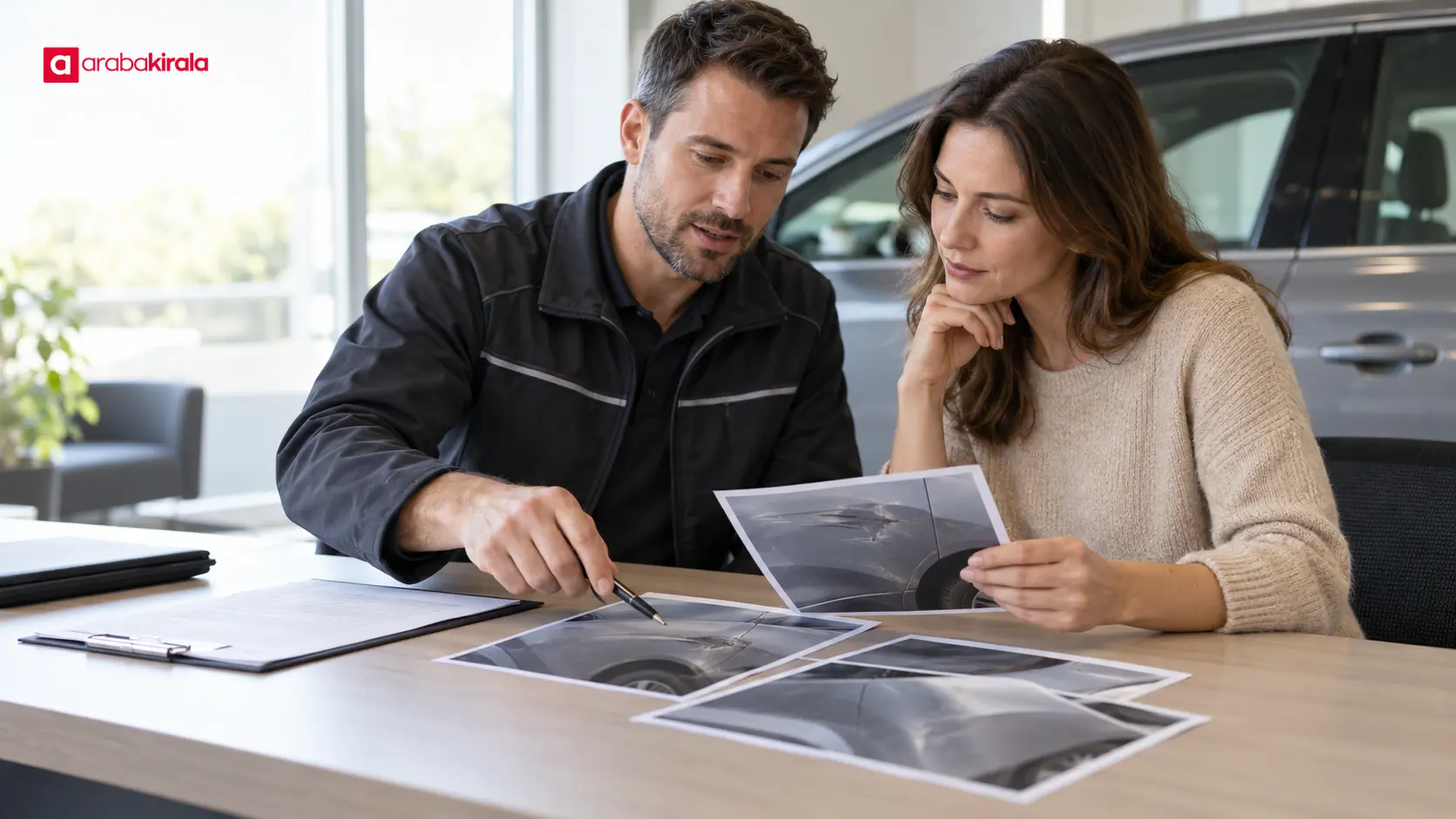
Photographs help show the vehicle’s initial condition, but they do not always establish the cause of damage or the complete repair scope on their own. Images from different distances can make it easier to see both the vehicle’s overall position and the damaged part. Keep the originals if you crop or mark copies, and retain an unchanged version as well.
The incident description, images, and repair findings should complement each other. If the area described in your account does not match what appears in a photograph, explaining the reason can make the file easier to understand. When unsure about a date or part detail, say so instead of estimating. If you notice missing or conflicting information, send a correction promptly through the relevant claim channel.
Rental car planning while a vehicle is being inspected
If the damaged vehicle needs to remain at a repair shop for inspection or repairs, you may need temporary transportation. If you are considering a rental car, ask the branch you plan to rent from about reservation-specific details such as vehicle category, pickup and return locations, hours, mileage arrangements, and required documents. These details can vary by branch and reservation. Do not assume that a rental expense will be covered by an insurance claim; ask your insurer about your policy and file.
What to do when information is missing or disputed
First identify which information seems incomplete or different: the incident account, a photograph, a repair finding, or a file record. Then contact the relevant party with the specific document or observation. Ask the repair shop to explain a technical finding, the assessor to clarify the information used in an assessment, or the insurance channel to explain the next file step and any requested documents. Note the date of the conversation and the response.
If you disagree with an assessment, state clearly which point you want reviewed instead of relying on a general objection. If you have a new photograph, repair finding, or explanation, send it with the claim reference. The available process depends on the policy and the applicable claim handling arrangements, so obtain current guidance from the insurer managing your file.
Summary: make the process easy to follow
In damage assessment, the repair shop describes the vehicle’s technical condition and repair needs, the assessor evaluates technical findings in the file, and the policyholder provides accurate information and follows communications. Understanding these separate roles helps keep a technical inspection distinct from an insurance decision and makes missing information easier to spot. Start by recording the damage safely, reporting it, and confirming with the file contact how inspection and repair should be sequenced.
Frequently Asked Questions
What is the difference between an assessor’s inspection and a repair shop’s inspection?
The repair shop examines the vehicle’s technical condition and repair work. The assessor evaluates the claim file using technical findings. The inspections may inform one another, but the roles are different.
Can repairs begin before the assessor inspects the vehicle?
That depends on the file instructions and the circumstances of the damage. Before repair work or part removal, ask the insurer and repair shop which inspection or records need to be completed.
What should damage photographs show?
Useful images show the vehicle overall, where the damaged area sits on the vehicle, and close details of the damage. Make safety the priority if taking photographs is not safe.
What should happen if new damage is found during repairs?
Ask the repair shop to explain and document the new finding with photographs or a technical record. Contact the person managing the file to learn how it should be updated and whether another inspection is needed.
Is an assessor’s report the same as an insurance payment decision?
No. A technical assessment addresses damage findings, while insurance handling also considers policy terms and file information. Ask your insurer how the report is being considered in your claim.
Who pays for a rental car while the damaged vehicle is at a repair shop?
There is no general guarantee of coverage. Ask your insurer about your policy and claim; for rental arrangements, confirm reservation details directly with the branch you plan to use.
Legal Disclaimer: All content, articles and information on the Araba Kirala website are provided solely to inform users. No information shared on this website constitutes definitive advice or guidance. Araba Kirala Teknoloji A.Ş. and its authors cannot be held responsible for any direct or indirect damages arising from the application of information on the website. For all questions and requests regarding car rental, please contact the office from which you will rent your vehicle.