Vehicle Life Cycle Assessment: From Manufacturing to Use
Vehicle life cycle assessment examines environmental impacts across a vehicle’s defined life stages, from raw material extraction and component production to driving, maintenance and end of life. It gives a broader view than fuel consumption or tailpipe emissions alone. The method helps readers ask better questions about different vehicles and technologies, but it does not produce a context-free verdict on which car is “greenest.” A result depends on the boundaries, data and assumptions used in the study.
What does vehicle life cycle assessment mean?
Life cycle assessment, or LCA, is a structured method for compiling resource use and environmental flows associated with a product inside a stated system boundary, then evaluating selected impacts. For a car, a study may cover materials and parts supply, vehicle assembly, fuel or electricity supply, operation, maintenance and repair, and processes at the end of use such as reuse or material recovery. Studies can draw the boundary differently, so the phrase “life cycle analysis” alone does not establish that two published results are directly comparable.
An LCA typically includes an inventory phase, impact assessment and interpretation. The inventory records inputs and outputs such as energy, materials, water, emissions and waste. Impact assessment translates those flows into selected categories, which can include climate change, resource use or air pollution. Interpretation then considers what the results mean in light of data quality, assumptions and limitations. A well-described result is therefore more than one carbon figure.
The main stages in a vehicle’s life
Raw materials and component production
A vehicle contains materials and parts for its body, chassis, glass, tires, electronics, motor and driveline. Their production involves different energy and material flows. For an electric car, battery cells and the pack may also be included. The calculated effects depend on material choices, supply chains, manufacturing energy and which components the study covers. A lighter component may help reduce energy needed in use, but a full assessment also considers the materials and energy required to make it.
Vehicle assembly and factories
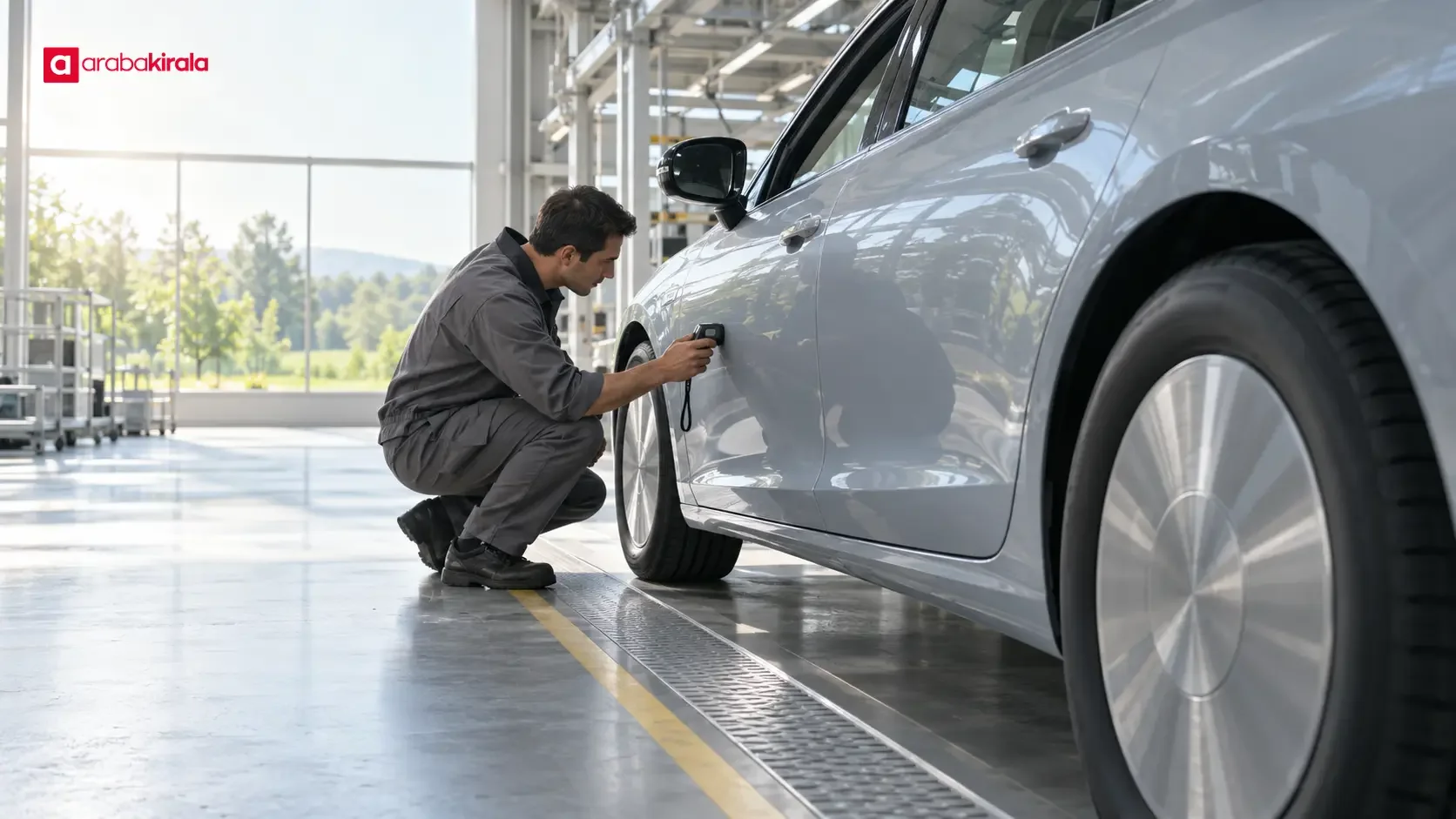
Assembly, painting and surface treatments, factory energy and production waste may be included in the manufacturing stage. A study limited to the assembly plant may leave out the upstream production of parts and materials, so it may not represent the vehicle’s full manufacturing footprint. When reading a report, check whether its boundary ends at the factory gate or extends through a broader supply chain.
Energy supply and vehicle operation
The use phase depends on how far and under what conditions the vehicle is operated. For a combustion vehicle, an assessment may include fuel extraction, processing and delivery as well as fuel burned in the vehicle. For an electric vehicle, it may include electricity generation and delivery to the vehicle. Some analyses look only at direct energy use during operation. A use-phase or “well-to-wheel” assessment is not the same as a full life cycle analysis that also includes vehicle manufacturing and end of life.
Distance travelled, driving style, road and weather conditions, payload, temperature management and the energy source can affect use-phase results. Studies may not measure all these factors through real-world driving data; they can use standardized test data or modeled assumptions. Check whether competing studies assume a similar service life and pattern of use before treating their results as an apples-to-apples comparison.
Maintenance, repair and end of life
Replacement tires, fluids and spare parts, along with repairs, may be included in the use stage. The study’s purpose and available data determine which maintenance activities are counted. At end of life, an assessment may model component reuse, material recovery, waste treatment or disposal. The way recovered materials are credited can affect the result, so a report should make its recycling assumptions clear.
How does an assessment compare vehicles?
A sound comparison begins by defining the question. Is the aim to understand the environmental profiles of two vehicle technologies, or to compare a transport service? The study then chooses a functional unit, a shared measure of the service being compared. A defined travel distance is commonly used in vehicle studies, but distance alone may not capture the service if capacity or passenger numbers matter. The report should explain the measure it uses.
Next, system boundaries should be aligned. If one study includes battery production, electricity generation and end of life while another counts only tailpipe emissions, they do not answer the same question. Check the data year, geographic scope, energy mix, assumed vehicle life, driving consumption and recovery assumptions as well. If results are sensitive to those inputs, uncertainty or scenario analysis can show which assumptions drive the outcome.
Assessing electric and combustion vehicles
The absence of tailpipe emissions while an electric vehicle is being driven does not mean its entire life cycle has zero impacts. Electricity generation, battery and vehicle production, maintenance and end-of-life processes can all be part of a broader assessment. Likewise, a combustion vehicle can be evaluated beyond its exhaust by including fuel supply and vehicle production. The relative contribution of each stage depends on vehicle characteristics, the energy source, use pattern, distance travelled and assessment boundary; it should not be assumed to be universal.
For that reason, statements such as “an electric vehicle has lower impacts in every situation” or “manufacturing always cancels out any use-phase benefit” are not reliable without a specified scope. The impact category matters too. A result focused on climate change does not automatically rank vehicles the same way for water use, mineral resources or air pollution.
What to check when reading results
- Goal and scope: What question does the study answer, and which vehicles and life stages does it include?
- Functional unit: Is the result per vehicle, per defined travel distance or per another measure of service?
- Energy and fuel data: Is fuel or electricity supply included, and which region and time period do the data represent?
- Use assumptions: How are service life, total distance and energy consumption estimated?
- Manufacturing coverage: Are the battery, main components, supply chain and factory energy included?
- End of life: How are reuse and recovery modeled, and what assumptions determine any material recovery credit?
- Uncertainty and review: Are data gaps, sensitivity results and any independent critical review described?
Different totals do not automatically mean one study is wrong. A report may find a larger manufacturing impact because it covers more of the supply chain or uses different energy data. Another may assume a longer service life and spread manufacturing impacts over more kilometres. Matching methods and boundaries before comparing figures is more informative than focusing on one total alone.
Why this matters to people renting a car
A short rental decision does not by itself change a vehicle’s whole life cycle, and an LCA result does not directly measure the impact of every rental option. Still, the framework can help people plan their transport needs and vehicle use more thoughtfully. Choosing a vehicle with suitable passenger and luggage capacity, planning the route and avoiding unnecessary cargo are practical considerations. They do not guarantee a particular environmental outcome; they simply address factors that can affect use.
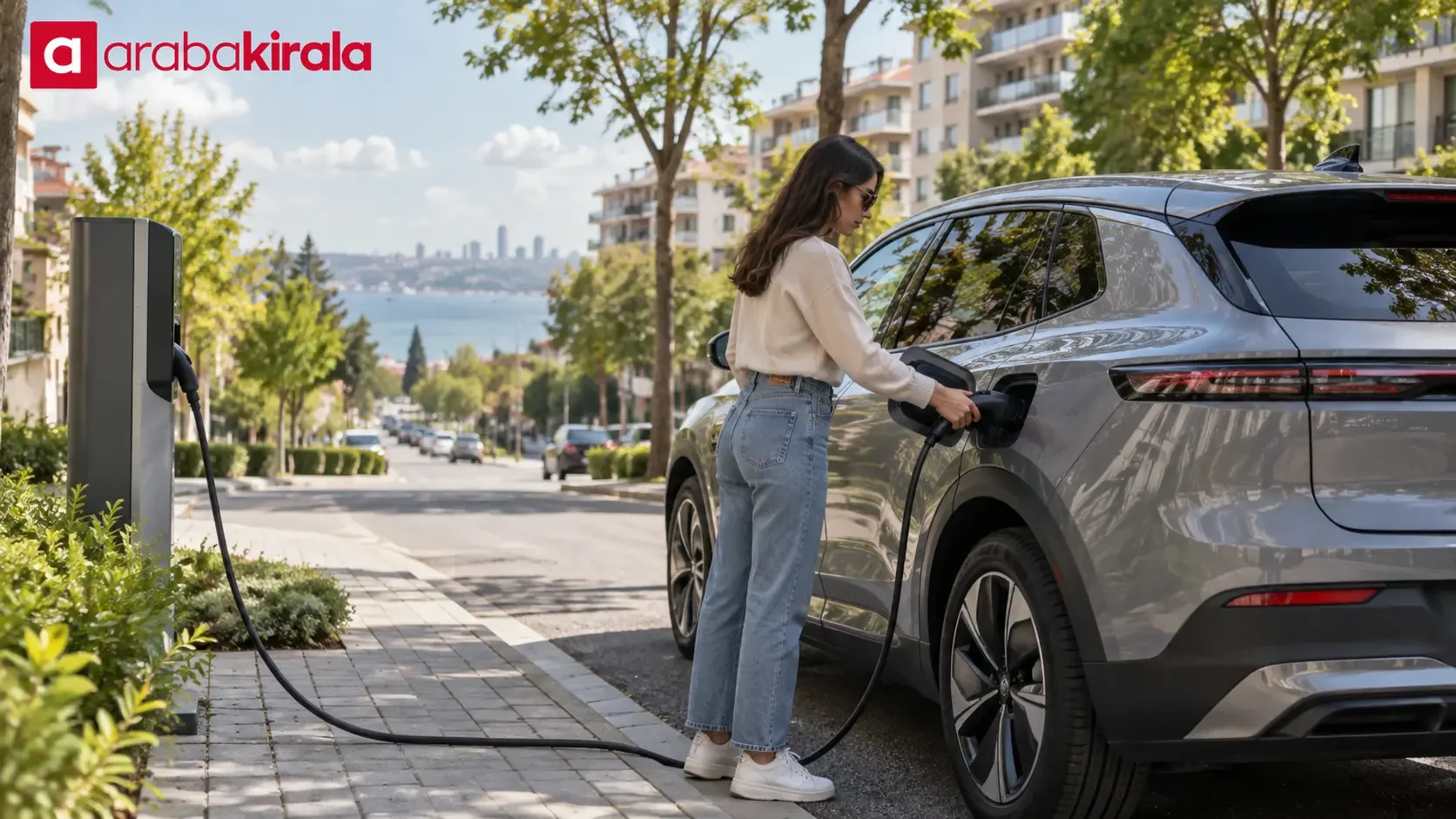
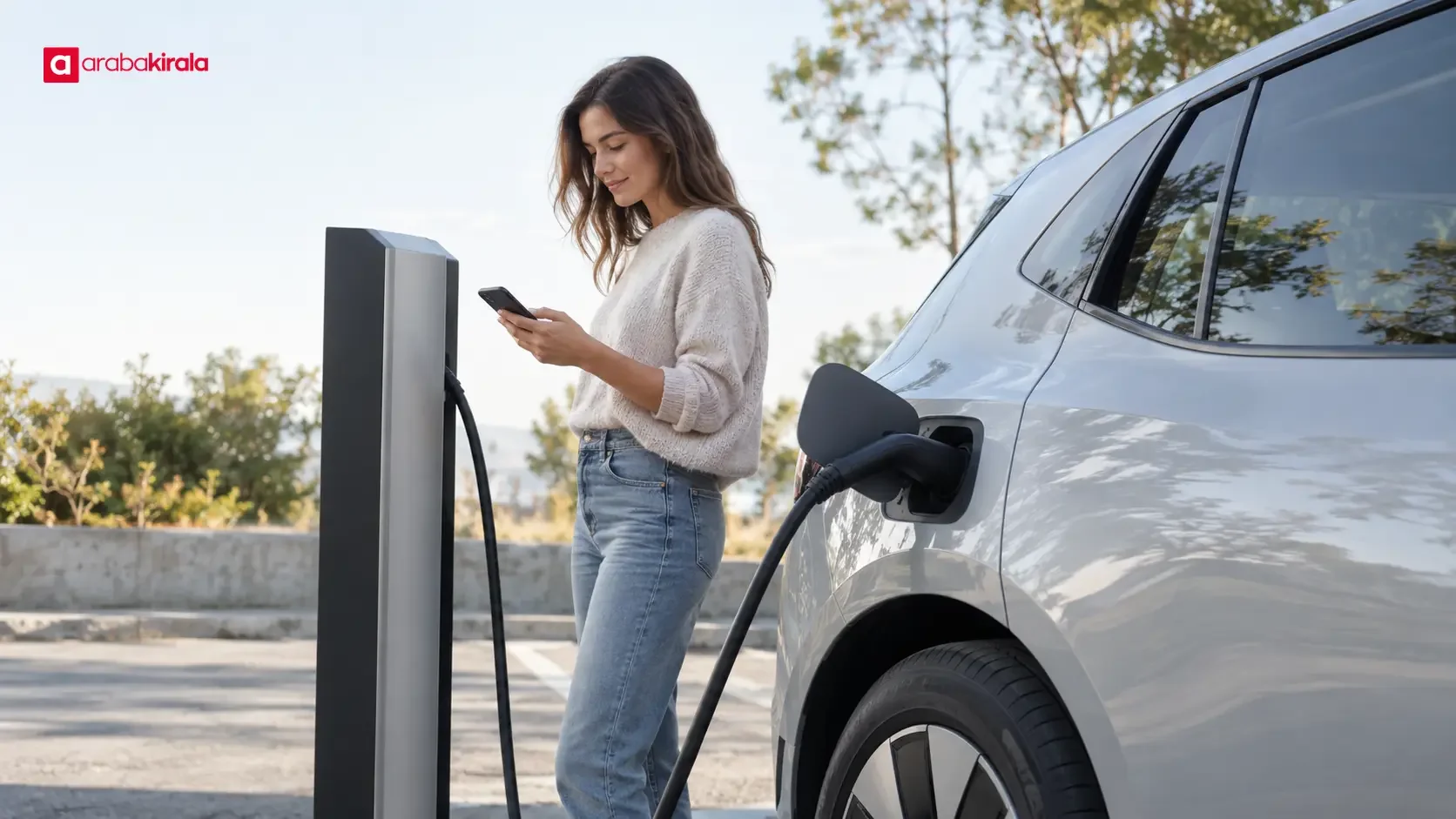
If considering an electric vehicle, it can be useful to check whether charging is available along the planned route, confirm the energy type of the vehicle being collected and understand practical details such as its charging connection with the rental branch. For a fuel-powered vehicle, confirm the fuel type and relevant operating information. Vehicle class alone is not enough to establish a model’s environmental advantage, running cost or emissions; that requires model-specific technical data and a clearly defined comparison.
Frequently asked questions
Does vehicle life cycle assessment measure only carbon emissions?
No. Depending on the study’s goal, it can evaluate climate change along with resource use, water, air pollution or other impact categories. The scope indicates which categories are reported.
Are manufacturing impacts or use impacts higher?
There is no fixed answer that applies to every vehicle and use pattern. Technology, manufacturing data, energy source, distance travelled and system boundaries all affect the result. Look at how both stages are treated within the same study.
Are manufacturer figures or an environmental label enough?
They can be a useful starting point, but comparison also requires the scope, functional unit, data period and assumptions. Placing two labels prepared with different methods side by side can be misleading.
How can renters use LCA information when choosing a car?
An assessment helps explain why life stages differ; it does not by itself reveal the full environmental impact of a specific rental vehicle. Ask the rental branch about booking-specific details such as the vehicle and charging, then consider which option fits the trip.
The main value of vehicle life cycle assessment is that it brings manufacturing, energy use, maintenance and end of life into one evaluation framework. To interpret a result well, read its boundaries, assumptions and impact categories along with the headline total.
Legal Disclaimer: All content, articles and information on the Araba Kirala website are provided solely to inform users. No information shared on this website constitutes definitive advice or guidance. Araba Kirala Teknoloji A.Ş. and its authors cannot be held responsible for any direct or indirect damages arising from the application of information on the website. For all questions and requests regarding car rental, please contact the office from which you will rent your vehicle.