How Are Vehicle Part Repair, Refurbishment, and Replacement Different?
Published: October 10, 2026 • Reading Time: 6 min • Last Updated: October 10, 2026
Learn how repair, refurbishment, and replacement differ, what technicians assess, and what to clarify with a service provider before work begins.
Contents
Automotive part repair and refurbishment are different ways to return a faulty component to service; replacement removes it and installs another part. This guide explains what each process involves, what technical factors inform the choice, and what details are useful to clarify with a service provider before work begins.
What do repair, refurbishment, and replacement mean?
Repair addresses a defined fault or damaged area in an existing part. Depending on the component, this might involve restoring a connection, correcting a suitable surface defect, repairing an electrical connection, or renewing a worn subcomponent. The scope may be narrower than rebuilding the entire part, but a sound decision depends on the type and location of damage and the conditions under which the component operates.
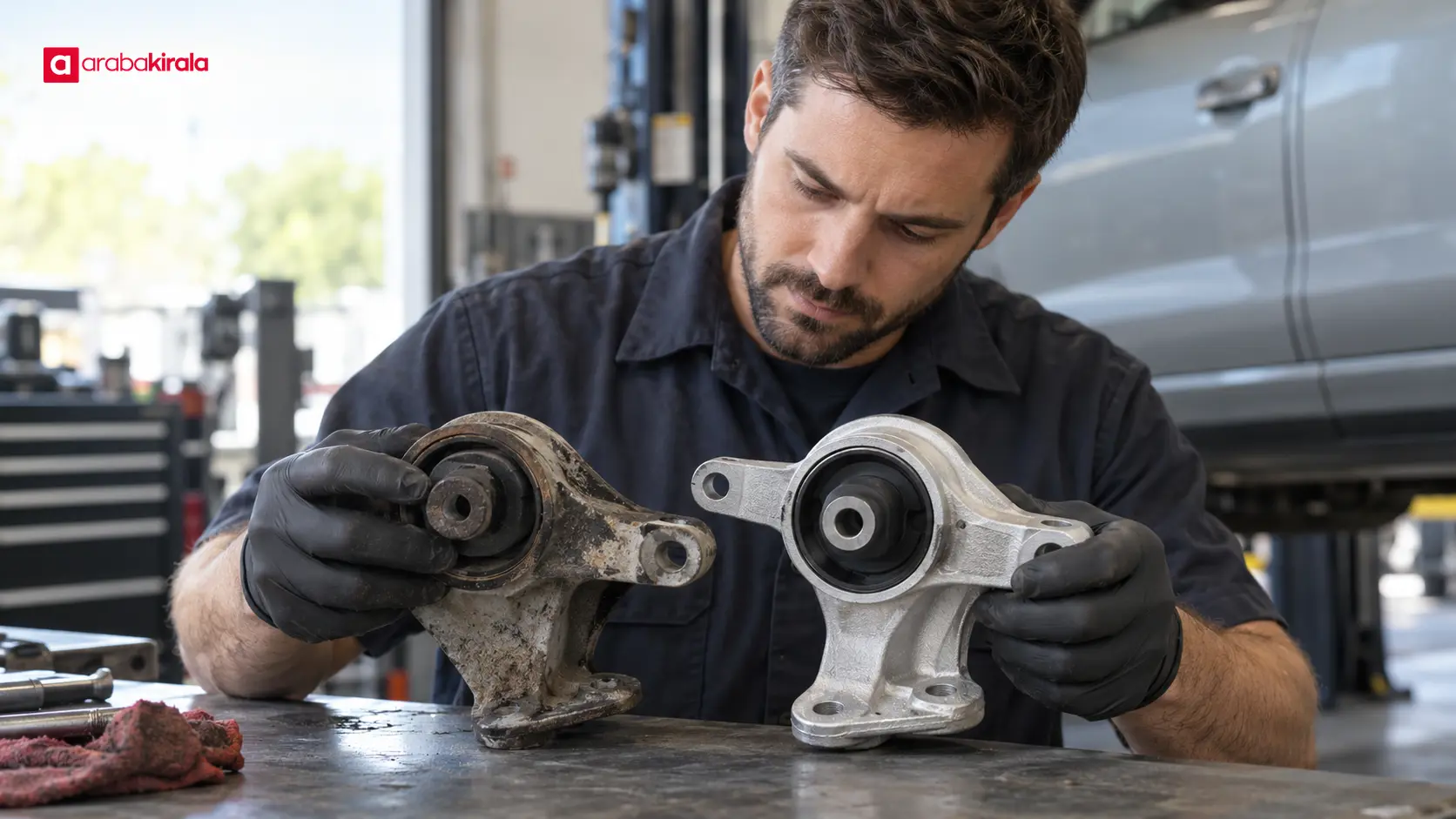
Refurbishment is a broader process of taking a part apart or otherwise assessing it in depth, cleaning and inspecting its components, renewing items that are worn or no longer functional where appropriate, then reassembling and checking it. Refurbishment does not simply mean cleaning. The goal is to assess the part’s function and operating characteristics after the required work. The available steps depend on the design and condition of the component.
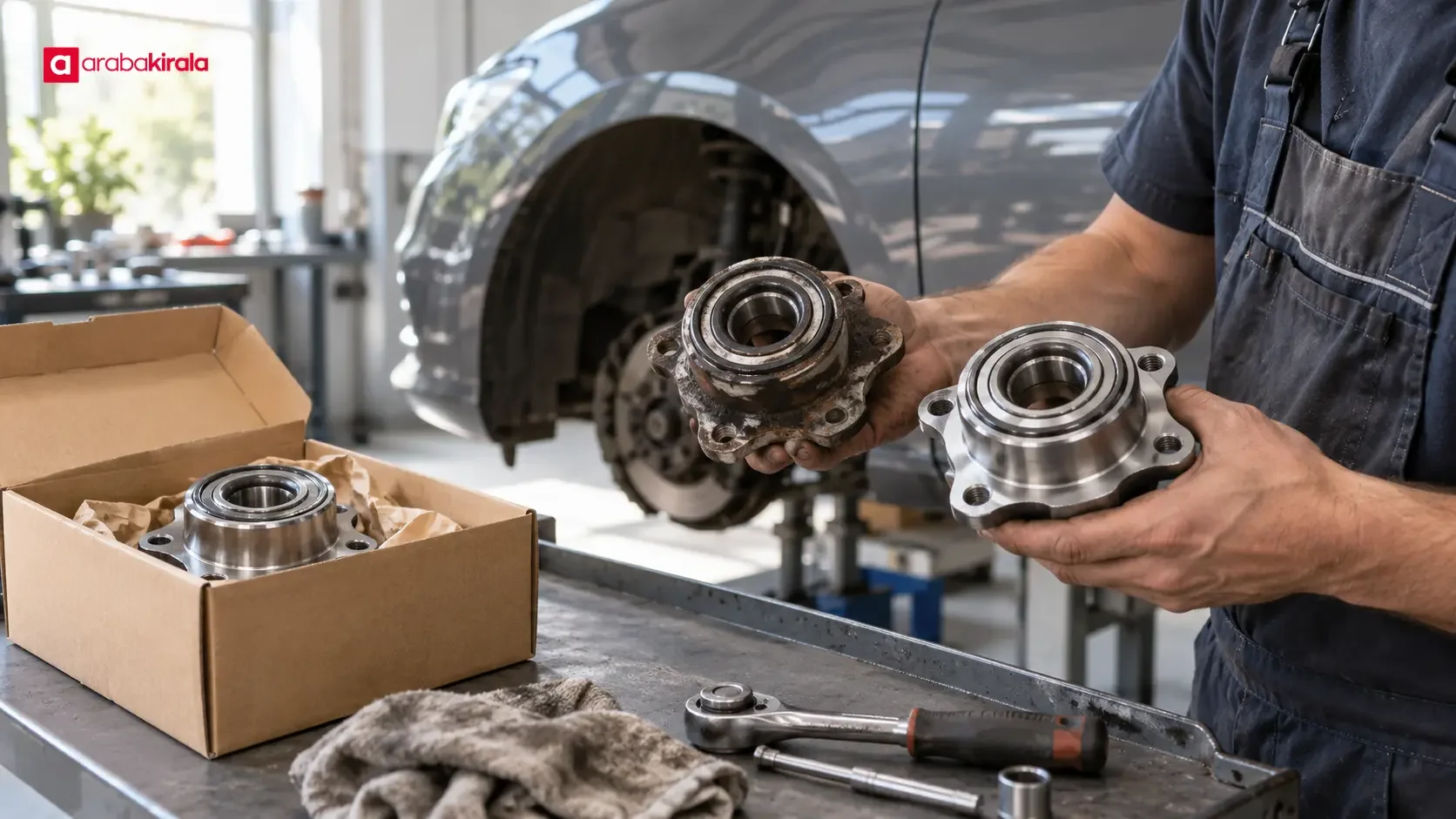
Replacement removes the existing part and fits another compatible one. The replacement might be newly manufactured or have a different history or production process. The word “replacement” alone does not describe the part’s condition. Ask whether it is new, refurbished, or sourced in another way, and how its compatibility with the vehicle is confirmed.
What informs the decision?
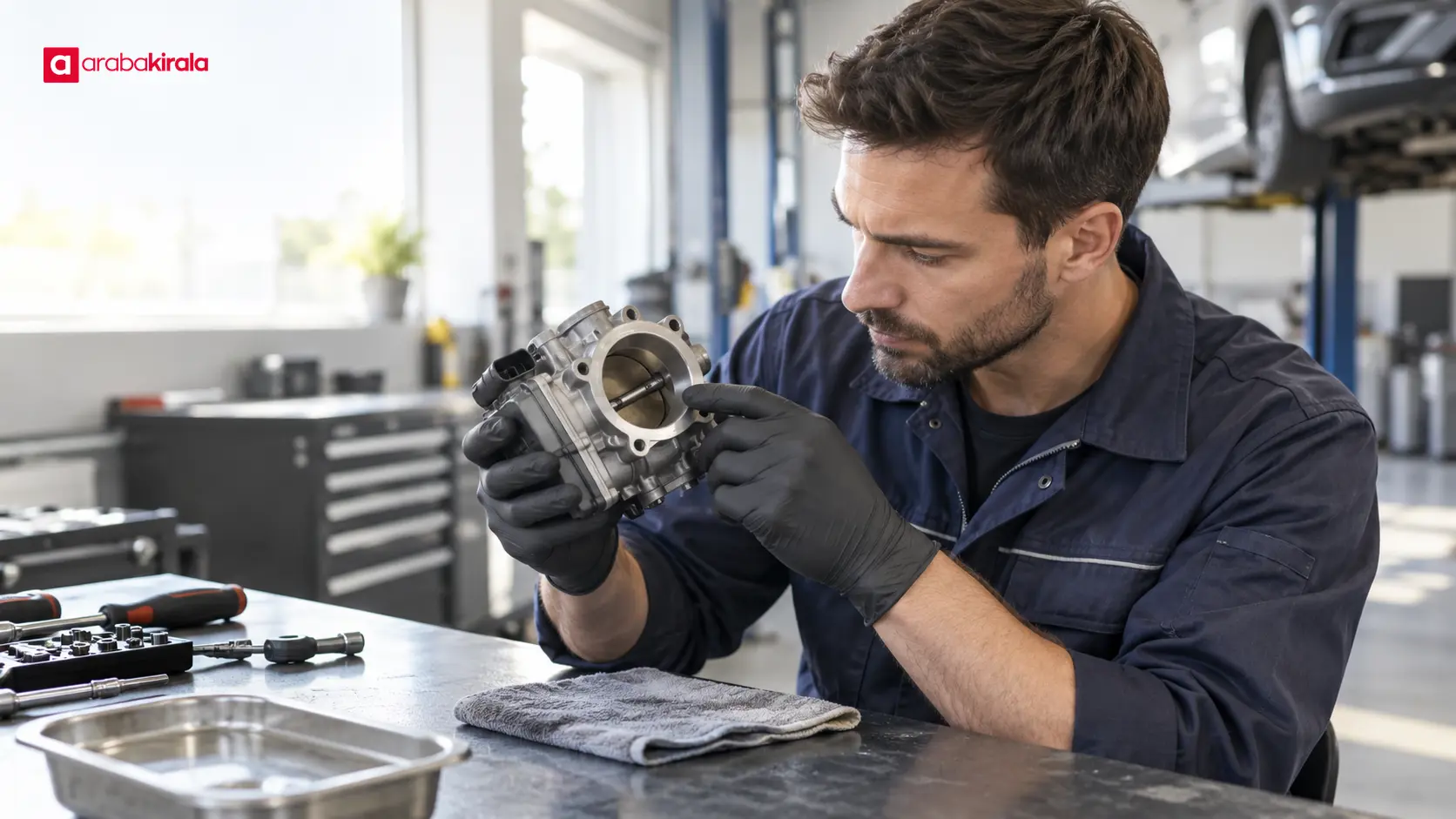
The first step is to establish what is causing the symptom and how extensive the fault is. A noise, vibration, warning light, or change in performance does not by itself prove that a particular component has failed. Diagnosis may include visual inspection, measurements, review of fault codes, and consideration of the conditions in which the vehicle operates. Checks made before removing a part can also help avoid unnecessary work.
A component’s safety function and the effect of its failure matter. Parts related to brakes, steering, suspension, or structural support can affect vehicle control or road holding. Decisions in these areas should take account of manufacturer technical information and suitable service methods, rather than cost or appearance alone. If a seat belt, airbag, or other safety system warning appears, do not try to disable the system; have a qualified service provider assess it.
The damage location and size, material, prior work on the part, and the ability to check it after work can all affect the choice. One part may have a surface defect suitable for repair, while a crack or distortion in a similar location on another component may affect its function. Similar looking damage does not necessarily have the same technical consequences. A firm assessment requires inspection of the relevant part.
How the three processes differ
- Repair: Work targets specific fault points while the existing part remains in use. Clarify the limits of the work and what checks will follow.
- Refurbishment: The part may be dismantled and inspected more broadly; components considered necessary may be renewed before the part is checked again. Ask what the work covers, which subcomponents will be renewed, and how it will be tested.
- Replacement: The existing part is removed and another is fitted. Ask for the replacement part’s description and condition, how fitment is confirmed, and what checks follow installation.
These approaches are not interchangeable for every component. Some designs may not be suitable for repair, and some faults may require attention beyond a single component. Understanding why a particular process is recommended makes it easier to assess the proposed work.
What should you clarify in a service estimate?
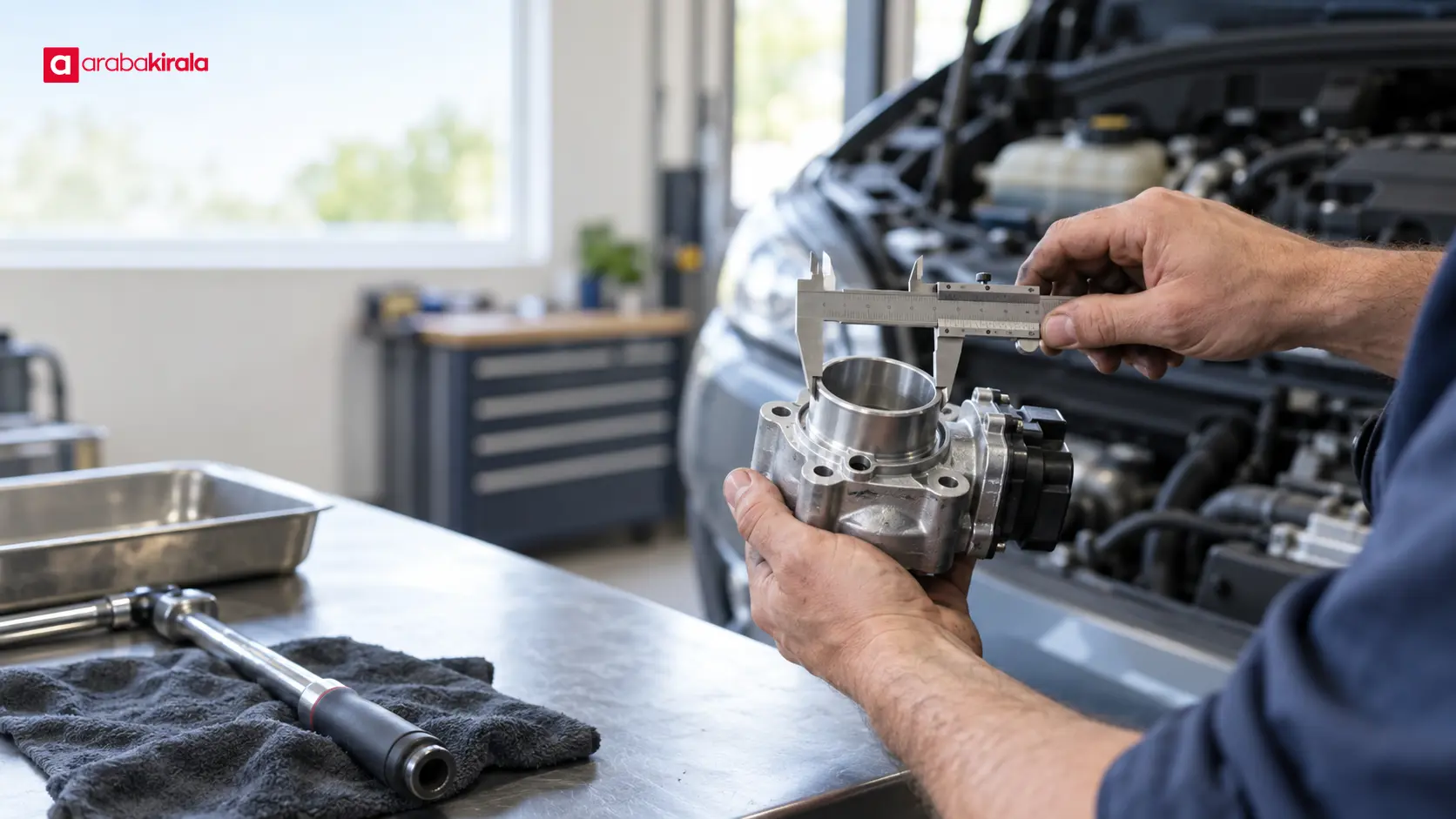
Ask what evidence supports the diagnosis: Which measurement, observation, or fault record led to the recommendation? What effect does the fault have on the vehicle, and could it affect safe operation? An explanation tied to the inspected component and identified damage helps make the scope understandable.
If repair or refurbishment is proposed, ask which areas will be worked on, which items will be replaced, and how the result will be checked. If replacement is proposed, confirm the type and description of the part, how its suitability for the vehicle will be verified, and which functions will be checked after installation. The part’s condition, such as whether it is new or previously used, should be stated clearly in the estimate and service record.
Request an estimate that clearly explains labor, parts, additional work, and any diagnostic charge. If further damage is found, clarify how you will be informed before work proceeds and how a change in scope will be approved. Warranty or post-service support terms can vary by provider and part; ask in writing about the applicable period, coverage, and process for making a claim.
Checks and records after the work
When collecting the vehicle, keep records showing what work was done, which component was involved, and what was replaced. An invoice, work order, or service description can help interpret the history if the symptom returns. Check that the part description and work summary on the document match the work performed.
If the service provider performed a check or road test after the work, ask what it covered. Warning lights, operation of the relevant function, and unusual sounds or vibration can be observed, but a driver’s observation does not replace technical testing. If a safety-related warning remains or the vehicle behaves unexpectedly, do not put it under strain; ask the service provider to assess it again.
Summary and next step
Repair addresses a specific fault, refurbishment is a broader process for assessing and reconditioning a part, and replacement removes one part and fits another. The choice should reflect the cause and extent of the fault, the component’s safety function, and the checks possible after work. Ask the service provider for the diagnostic finding, reason for the proposed method, condition of any replacement part, and written scope of work. If a maintenance or part-related matter arises during a vehicle rental, ask the branch handling your reservation or vehicle collection about details specific to that service.
Frequently Asked Questions
What is the main difference between repair and refurbishment?
Repair usually targets a defined fault. Refurbishment may involve dismantling and assessing the part more broadly, then replacing subcomponents that need it. Ask the service provider to explain exactly what each term covers in the estimate.
Can every vehicle part be repaired?
No. Design, material, damage location, and safety function may limit repair options. Suitability should be assessed through technical inspection and relevant manufacturer information.
How can I find out whether a replacement part is new?
Ask for the part’s description and condition to be stated clearly in the estimate and service record. The word “replacement” alone does not say whether a part is new, refurbished, or another type.
Which records should I keep after a repair?
Keep the work order, invoice, and service documents identifying the work or the fitted part. They make it easier to follow the repair history during later maintenance or fault diagnosis.
Is it safe to drive with a safety system warning?
The meaning of a warning depends on the vehicle and system. Follow the owner’s manual, do not try to disable the system, and seek assessment from a qualified service provider. Do not continue driving if the vehicle cannot be controlled safely.
Legal Disclaimer: All content, articles and information on the Araba Kirala website are provided solely to inform users. No information shared on this website constitutes definitive advice or guidance. Araba Kirala Teknoloji A.Ş. and its authors cannot be held responsible for any direct or indirect damages arising from the application of information on the website. For all questions and requests regarding car rental, please contact the office from which you will rent your vehicle.