How to Verify a Rental Car’s Fuel Type and Fuel Door
Confirming a rental car’s fuel type before leaving the pickup location helps you choose the right energy source and plan your trip. Petrol, diesel, hybrid and electric vehicles do not all refuel in the same way, and putting the wrong fuel into a vehicle can cause damage. At handover, check the vehicle information, the label inside the fuel door and the dashboard reading together. This guide explains where to verify each detail and what to do when the information is unclear.
Why check the fuel type before driving?
A vehicle’s appearance, model name or fuel gauge alone does not prove which fuel it uses. A model line may have several engine options, and the car assigned at pickup may not have the same engine or equipment as the one shown in a general reservation description. Do not make the decision based only on the car’s colour, body shape or model name.
Verifying the fuel type reduces the chance of selecting the wrong pump, especially when driving an unfamiliar vehicle. It also helps you understand the initial fuel record and plan your stops. Use more than one information source: the label inside the fuel door, vehicle markings, the owner’s manual and any vehicle details in the rental record. If these sources conflict, do not guess. Ask the handover staff or the branch you are renting from.
Petrol, diesel, hybrid and electric: what is different?
Petrol and diesel cars store liquid fuel in a tank and use an internal combustion engine to produce motion. The two fuels are not interchangeable. Nozzle colours or the shape of a filler neck may vary by location or vehicle, so colour coding alone is not a dependable way to choose. Read the vehicle’s label and operating information.
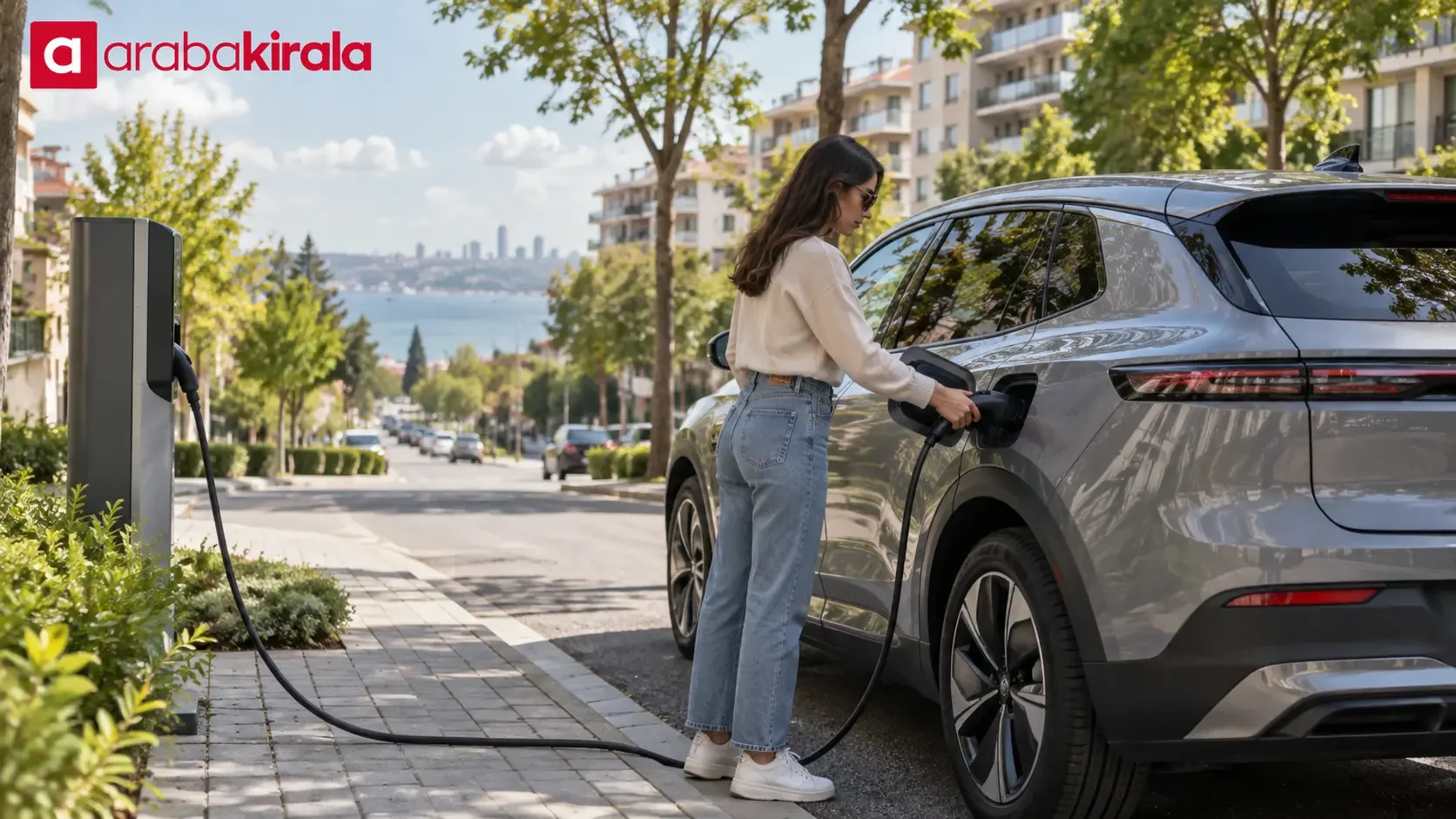
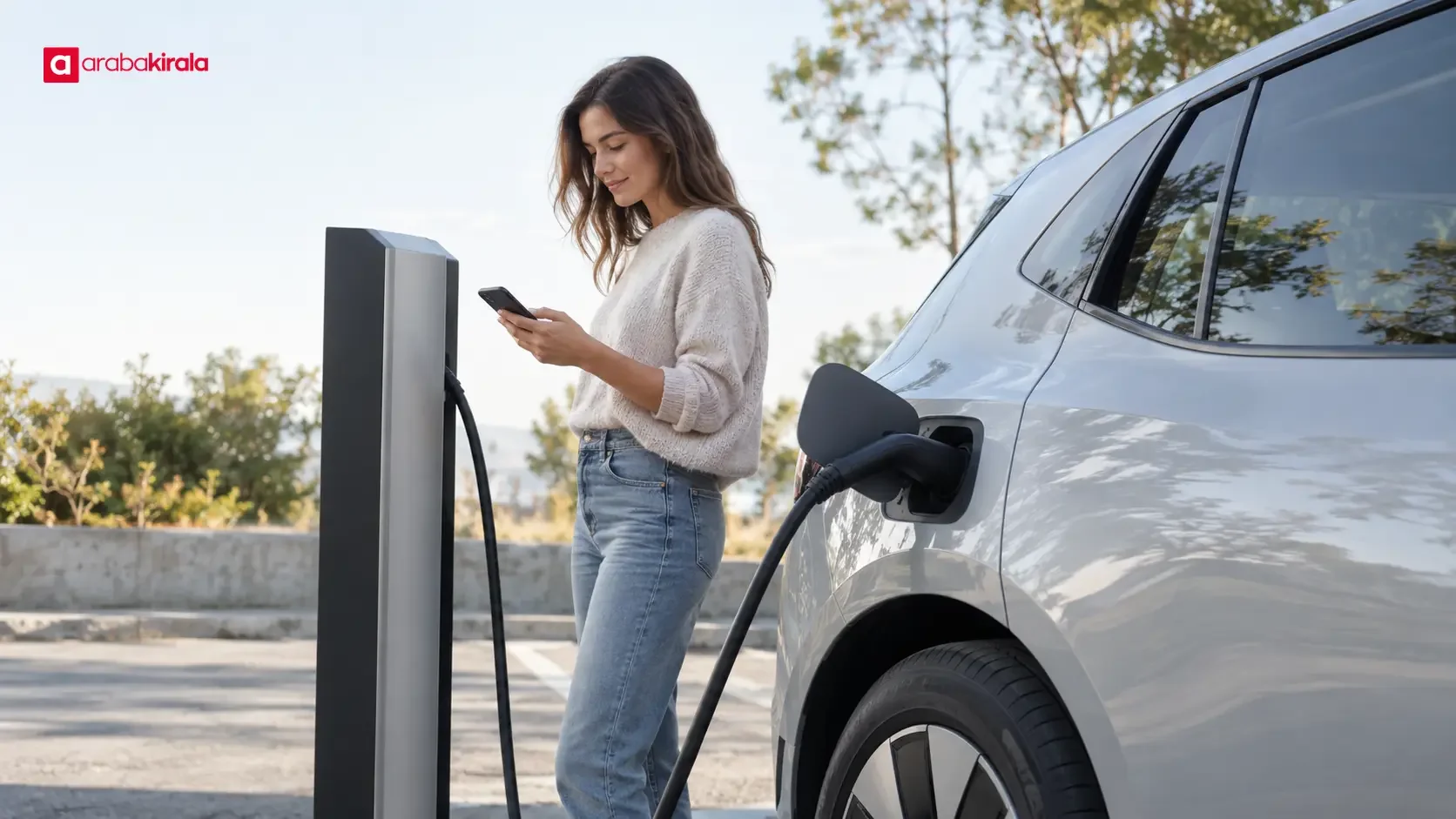
A hybrid combines an electric motor with an internal combustion engine; the systems may work together or separately depending on the vehicle and driving conditions. The word “hybrid” alone does not tell you which fuel the car takes. Many hybrids also use petrol, while plug-in hybrids may additionally be charged from an external power source. Check the fuel-door label and the manual for the specific vehicle. A fully electric car has no petrol or diesel tank; its battery is charged through a charging connection. If the car is fully electric, you need charging guidance rather than a fuel pump.
Where to verify fuel type and fuel-door details
Read the label inside the fuel door
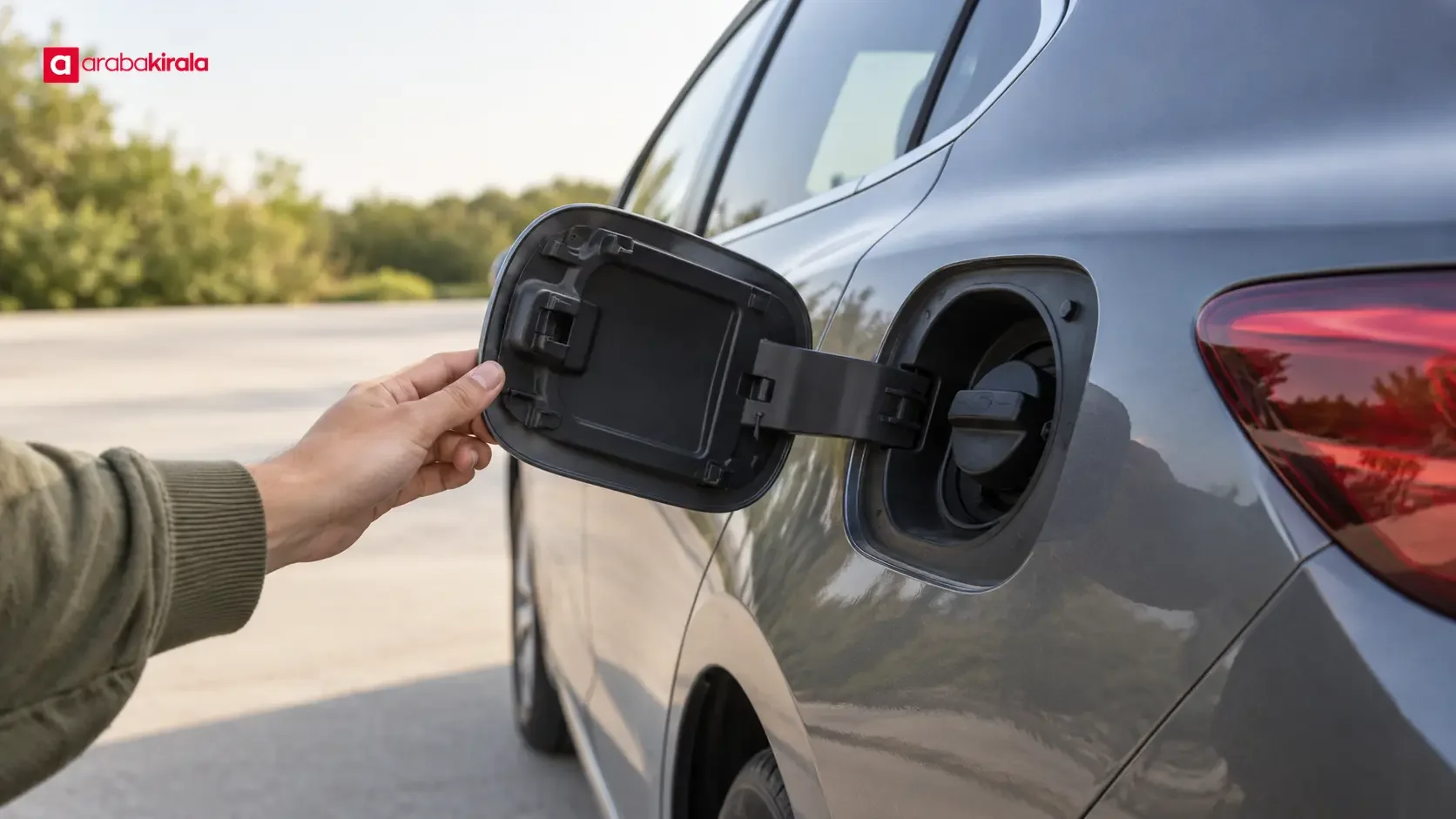
Many vehicles have a label or marking on the inside of the fuel door that identifies the required fuel. The release may be a button or lever inside the cabin, near the dashboard or by a door; its position varies by vehicle. Read the label carefully after opening the door. If the label is missing, unreadable or inconsistent with another vehicle detail, do not choose a fuel by assumption.
Check the dashboard indicators
The fuel gauge shows an estimate of the amount of fuel in the tank; it may not clearly state the fuel type. An arrow beside the pump symbol can indicate which side of the car has the fuel door, helping you position the vehicle at a pump. It does not identify petrol or diesel. Review dashboard warnings, vehicle-information menus and any energy-flow display, but do not use them as a substitute for the fuel-door label or manual.
Cross-check the vehicle documents and handover record
The fuel or energy-system section of the owner’s manual may describe the requirements for the specific engine. If the rental record or handover document lists vehicle details, compare them with the markings on the car. If the description in the record conflicts with the dashboard or fuel-door information, ask for clarification before completing pickup. A general model name is not conclusive evidence of fuel type because a model may be offered with different engines.
A practical pickup checklist
- Match the vehicle details, and where applicable the registration or vehicle identifier, with the handover record.
- Ask where the fuel-door release is before opening it; do not force a panel or lever.
- Read the fuel marking inside the door. If it is absent or unclear, confirm the correct fuel with staff or the branch.
- Check the dashboard fuel or battery level and ask how the starting level is recorded.
- If a starting level is written down, make sure it matches the dashboard. Report any difference at pickup.
- Before leaving, ask about branch-specific details such as the required return level and how refuelling is handled.
Recording the starting level is a separate check from identifying the fuel type. The gauge indicates the starting amount; the fuel-door label indicates what to put in the tank. Checking both can reduce the risk of a wrong-fuel mistake and help prevent later confusion about the handover record. If you take a photo for your own records, make sure the display is legible and the image reflects the vehicle at pickup.
Fuel-door location and opening method
The fuel door may be on the right or left, depending on the make and model. On many cars, a small arrow beside the fuel-pump symbol on the dashboard points to its side. This is useful when positioning the car at a station, but it should not be mistaken for a fuel-type indicator. If there is no arrow, check the manual or ask the handover staff before you set off.
The opening mechanism is not universal either. Some doors open when pressed from the outside after the vehicle is unlocked; others use a lever or button in the cabin. Learning the method at pickup helps you avoid forcing nearby parts. If the door appears frozen, stuck or damaged, do not pry it open or remove components. Tell the branch you are renting from.
How to avoid selecting the wrong fuel at a station
Compare the name on the pump with the wording on the vehicle label, and do not begin refuelling until they clearly match. Asking station staff can provide an additional check, but first verify the vehicle’s required fuel using its own labels and operating information. The nozzle colour, hose position or choices made by other drivers are not reliable confirmation on their own.
If there is any uncertainty, do not put a nozzle into the filler. Check the vehicle manual using the vehicle’s identifying details and contact the rental branch for a clear answer. For a hybrid, confirm whether the specific vehicle uses liquid fuel as well as external charging. For an electric car, ask about the charging connection and the vehicle’s instructions. Charging steps, connector compatibility and how the battery level is recorded at return can depend on the vehicle and rental arrangement.
What to do if the wrong fuel has been added
If you realize that the wrong fuel has entered the tank, do not start the engine or continue driving. If the engine has not been started, avoid trying the ignition or start button as well; follow the safety instructions in the vehicle manual and contact the rental branch promptly. If the engine is already running, stop in a safe place, do not restart it and ask the branch what to do. Do not try to drain the tank, repair the issue yourself or drive the car to a workshop. The appropriate assistance and next steps depend on the vehicle’s condition and the rental arrangement.
Frequently asked questions about rental-car fuel
Does the fuel gauge tell me whether a car takes petrol or diesel?
Usually it indicates how much fuel is in the tank, not which type it contains. Check the label inside the fuel door, the vehicle manual and the vehicle information together.
How can I tell which side the fuel door is on?
Many dashboards have a small arrow beside the fuel-pump symbol. It can point to the side where the door is located. If you cannot see one, consult the manual or ask at handover.
Does a hybrid use petrol or need charging?
Hybrid systems vary. Some hybrids use petrol and manage their battery while driving; plug-in hybrids may also support external charging. Verify the specific vehicle’s type and requirements from its markings and manual.
Does an electric car have a fuel door?
A fully electric vehicle has no petrol or diesel tank. It stores energy in a battery and charges through a charging connection. Check the vehicle manual and ask the branch about the port location, compatible connection and starting charge level.
What if the reservation details and the vehicle’s fuel label do not match?
Tell the handover staff before refuelling and compare the label, vehicle details and reservation record together. Do not guess which fuel the car needs while the mismatch is unresolved.
Final checks before setting off
Verifying a rental car’s fuel type takes more than a quick glance at one label. Use the fuel-door marking, owner’s manual, dashboard information and handover record to confirm the same picture. Record the fuel type and starting level separately, and learn where the door is and how it opens. Confirm any branch-specific arrangements for the return level, refuelling or charging before pickup. If details conflict, ask for clarification before adding fuel; it is a simple step toward a safer, smoother trip.
Legal Disclaimer: All content, articles and information on the Araba Kirala website are provided solely to inform users. No information shared on this website constitutes definitive advice or guidance. Araba Kirala Teknoloji A.Ş. and its authors cannot be held responsible for any direct or indirect damages arising from the application of information on the website. For all questions and requests regarding car rental, please contact the office from which you will rent your vehicle.