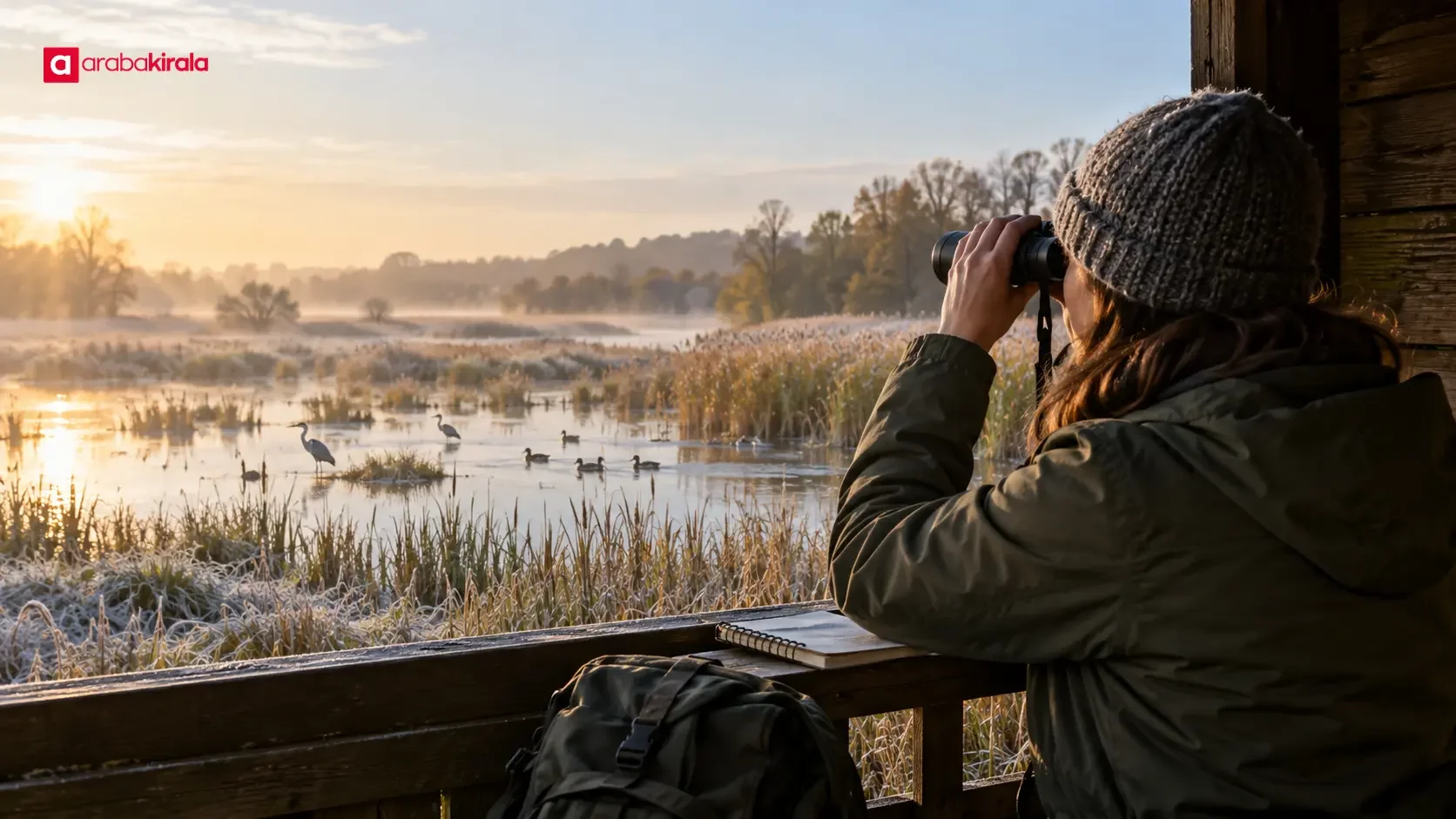
How to Plan a Wetland Birdwatching Trip in Summer or Winter
Published: October 9, 2026 • Reading Time: 7 min • Last Updated: October 9, 2026
Plan a seasonal wetland birdwatching trip with practical guidance on choosing a site, checking conditions, packing, and observing wildlife responsibly.
Contents
- How season changes the experience
- Summer: longer days and changing heat
- Winter: shorter days and cold conditions
- Choose a site and route for your purpose
- Plan around weather, daylight, and transport
- Equipment and preparation for watching birds
- Observe safely and with care for wildlife
- A short checklist for the day
- Next step: make a small, flexible plan
- Frequently Asked Questions
To plan a seasonal wetland birdwatching trip, consider the season, the site’s visitor arrangements, the forecast, and what you will carry as one connected plan. This guide explains how summer and winter visits differ, how to choose a suitable route, what equipment helps, and how to observe birds safely while giving wildlife space.
How season changes the experience
Wetlands can include lakes, lagoons, deltas, reed beds, mudflats, and areas that hold water only for part of the year. Water levels, vegetation, weather, and birds’ annual life cycles all shape what a visitor may see. There is no single best season for every site; the right choice depends on your purpose and the conditions you are prepared to meet.
Summer: longer days and changing heat
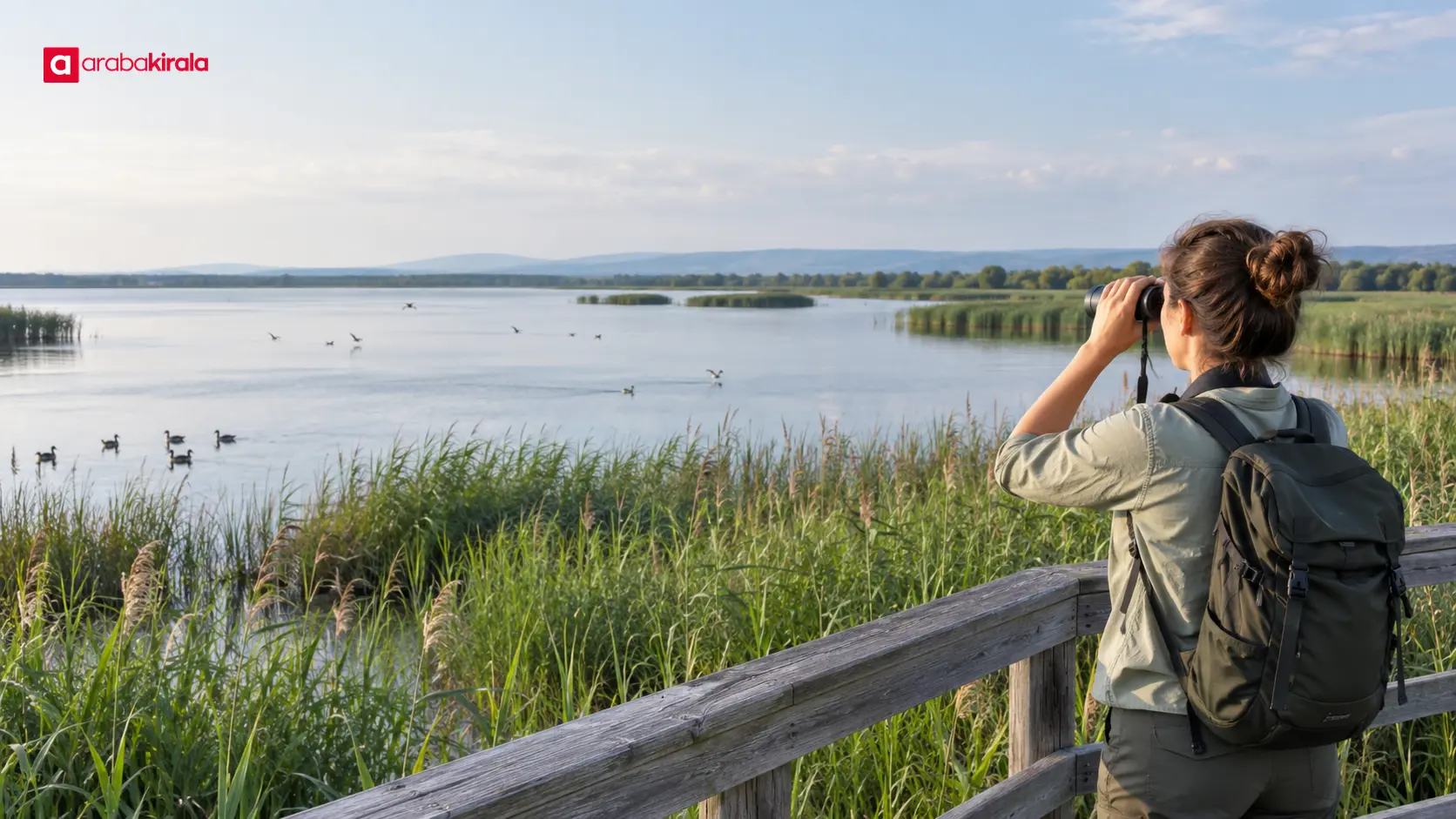
Longer daylight can give you more flexibility on a summer route. Heat, strong sun, dry ground, and limited shade in open areas can make the visit more demanding. Some birds may be less active during the hottest hours, and a calendar alone cannot guarantee particular species or a busy viewing experience. Check the wetland’s current visitor information and find out which viewing points are accessible.
Pack light, breathable clothing that covers you from the sun, a hat, water, and sun protection. If an extreme heat advisory is in effect, choose cooler hours or postpone the outing. Shade, facilities, and access to drinking water vary by site, so check the managing authority’s current information before leaving.
Winter: shorter days and cold conditions
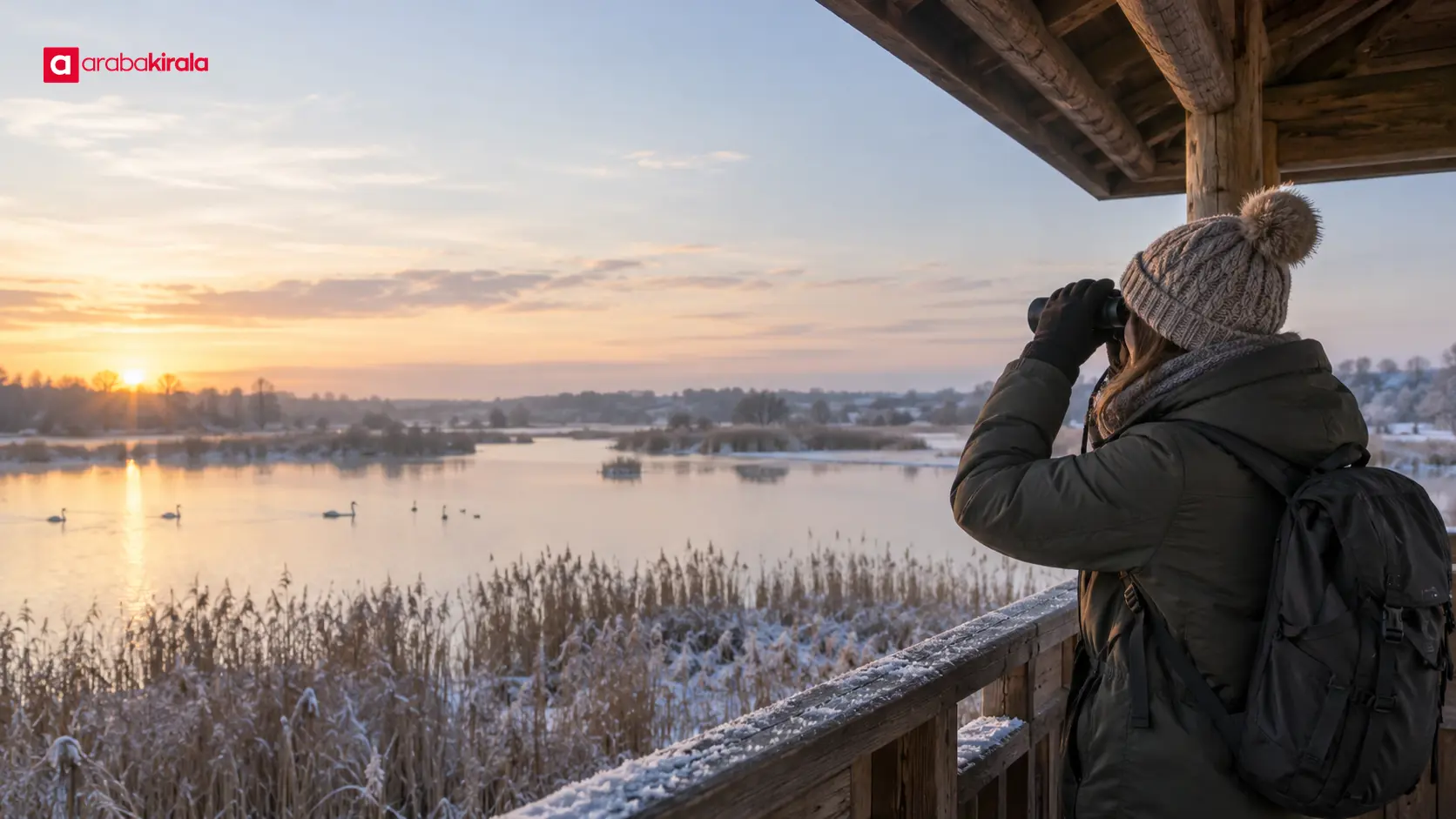
Different bird communities and larger groups may be present at wetlands in winter, but species presence depends on location, weather, and conditions in that particular year. Cold can make it difficult to stand outdoors for long periods. Wear layers, keep your hands and feet warm, and plan around the earlier sunset. Wind and rain can affect both visibility and the walking surface.
Use footwear with a suitable sole for muddy, icy, or waterlogged paths. Do not cut across the shoreline; stay on designated trails and at marked viewing points. Set a return time that does not leave the walk back until after dark. If travelling to a remote site, check road and access conditions on the day as well.
Choose a site and route for your purpose
Start by deciding what you want from the outing: general birdwatching, photography, learning about habitats, or a short nature walk with family. Then look for a public wetland with visitor access suited to that purpose. The Turkish Ministry of Agriculture and Forestry’s General Directorate of Nature Conservation and National Parks publishes a list of wetlands and their locations, which can be a useful starting point. A site’s designation does not mean every part is open to visitors, so read its own visitor rules.
On a map, look beyond the destination to the distance between viewing points, walking surface, parking, and return route. Check whether a viewing tower, platform, or trail is open. Do not assume that a visitor centre, restroom, or food service is available; facilities vary. If driving, ArabaKirala’s relevant city or location pages may help you identify a starting point for your transport plan. Ask the branch where you will collect the vehicle about details specific to your booking and route.
Plan around weather, daylight, and transport
Check the current forecast for the day, including wind, rain, visibility, and storm risk as well as temperature. Wetland outings can involve exposed shorelines, long walks, and proximity to water. If you hear thunder, leave exposed areas and move to a safe enclosed building or a fully enclosed vehicle with a metal roof. When storms are likely, postponing an outdoor visit is the safer choice.
Allow time for parking and the walk from the vehicle to the observation area. If you hope to arrive early, confirm the site’s visiting hours and entry arrangements rather than assuming all wetlands open at the same time. Park only where permitted, keep narrow rural roads clear, and consider fatigue and weather on the return journey. For a group trip, agreeing in advance on driving and walking responsibilities makes the day easier to manage.
Equipment and preparation for watching birds
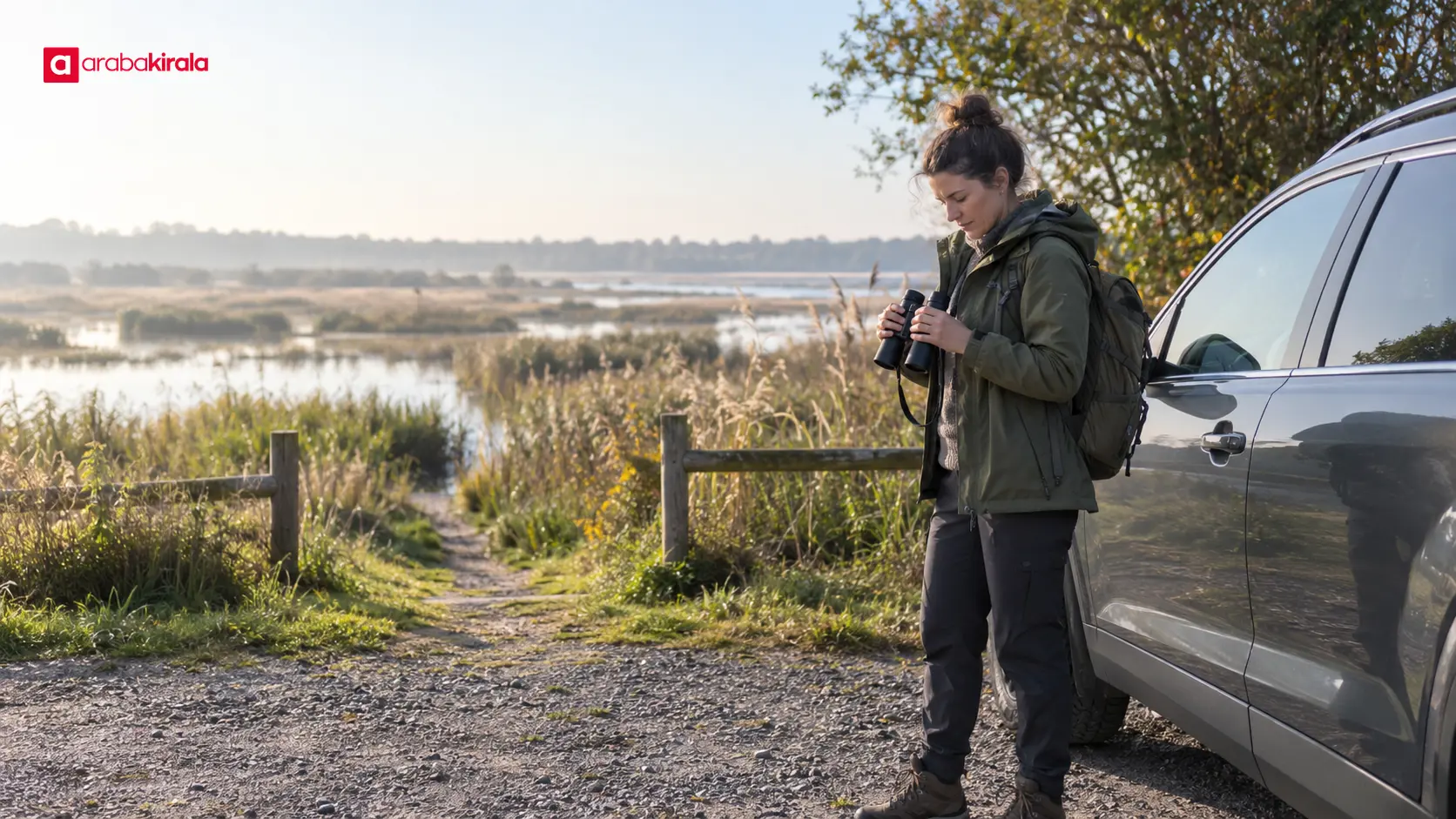
Binoculars help you see detail without moving closer to birds. A pair that feels comfortable and gives a broad view can be useful for beginners; more magnification does not always make observation easier because it also magnifies small hand movements. Bring a field guide for the region or an identification resource that works offline. Keep your phone charged, make sure it can handle the expected conditions, and silence it while watching.
In your notes, begin with the bird’s overall size and shape, colour pattern, behaviour, and habitat. Then look for distinctive features such as a wing bar, bill shape, or head marking. If a bird is distant or visible only briefly, mark the record as “possible” rather than assigning a certain species name. Cornell Lab of Ornithology’s guides to field marks and identification can help you develop a systematic way to record observations.
Pack water, an extra layer for the season, basic first-aid items, a bag to carry out your litter, and spare batteries if needed. In winter, thin inner gloves can make it easier to adjust binoculars while keeping your hands warm. In summer, water and sun protection take priority. Choose what to bring according to the route length and forecast instead of carrying unnecessary gear.
Observe safely and with care for wildlife
Do not leave the trail to get closer, enter reed beds, or approach places that may contain nests. Binoculars and telephoto lenses are tools for watching from a distance, not reasons to move nearer for a better view. Birds that repeatedly raise their heads, call in alarm, or move away as you approach are showing that you should give them more space. Keep quiet, avoid sudden movements, and do not feed them.
Staying on designated paths protects sensitive ground and keeps visitors away from hidden hazards in mud, reeds, and at the water’s edge. Dog access and leash requirements vary by site, so check the official visitor guidance before setting out. Do not leave food scraps or other litter. If a viewing tower or narrow platform is busy, wait your turn and avoid occupying one spot for a long time. Avoid flash photography and playback of bird calls to draw birds closer.
A short checklist for the day
- Site: Check visiting hours, open routes, restricted areas, and current notices.
- Season: Account for sun and water needs in summer, and cold, wind, and early darkness in winter.
- Weather: Review rain and storm forecasts, and know your safe return and shelter options.
- Transport: Confirm the road, parking, walking distance, and return before daylight fades.
- Equipment: Prepare binoculars, a way to take notes, suitable footwear, and weather-appropriate clothing.
- Conduct: Stay on trails, give birds space, and avoid feeding or damaging habitat.
Next step: make a small, flexible plan
For a first outing, choose a site with straightforward access, a clear route, and current visitor information. Check the managing authority’s notices and the forecast, then set your equipment and return time for the season. In the field, watch from a distance and record what you see alongside habitat and behaviour. Careful observation and respect for nature matter more than a promised species list. If your transport plan includes a rental vehicle, confirm trip-specific details with the branch where you will collect it.
Frequently Asked Questions
Is summer or winter better for wetland birdwatching?
There is no single best season. Summer brings longer daylight and warmer conditions, while winter has colder, shorter days and may bring different bird communities. The site, current weather, and your purpose should guide the choice.
Can I go birdwatching without binoculars?
Yes. Binoculars make it easier to notice details from a distance, but they are not required. Scanning a wide area with the naked eye and observing silhouettes and behaviour are good ways to begin. Do not compensate for a lack of binoculars by approaching birds.
How do I check whether a wetland is open before visiting?
Review the site’s official authority page for notices, visiting hours, and route information. Seasonal maintenance, weather, or conservation work can affect access. Contact the site’s managing authority if a detail is unclear.
Do I need to get close to birds to photograph them?
No. A telephoto lens or binoculars can help you watch while maintaining distance. If birds change their behaviour, do not move closer. Stay on the path, avoid nest areas, and do not disturb them with flash.
What should I consider when planning a wetland visit with children?
Choose a route with a length and surface suited to the children’s ages, supervise closely near water, and explain before the visit that everyone should stay on marked paths. Short viewing breaks, water, and weather-appropriate clothing can make the outing more comfortable.
Should I visit if storms or heavy rain are forecast?
If the forecast indicates a storm risk, postpone an outing in an exposed wetland near water. If you hear thunder while outside, move to a safe enclosed place and stay away from the shoreline and open areas until conditions improve.
Legal Disclaimer: All content, articles and information on the Araba Kirala website are provided solely to inform users. No information shared on this website constitutes definitive advice or guidance. Araba Kirala Teknoloji A.Ş. and its authors cannot be held responsible for any direct or indirect damages arising from the application of information on the website. For all questions and requests regarding car rental, please contact the office from which you will rent your vehicle.