What Does an F1 Race Engineer Do? Driver Communication and Data
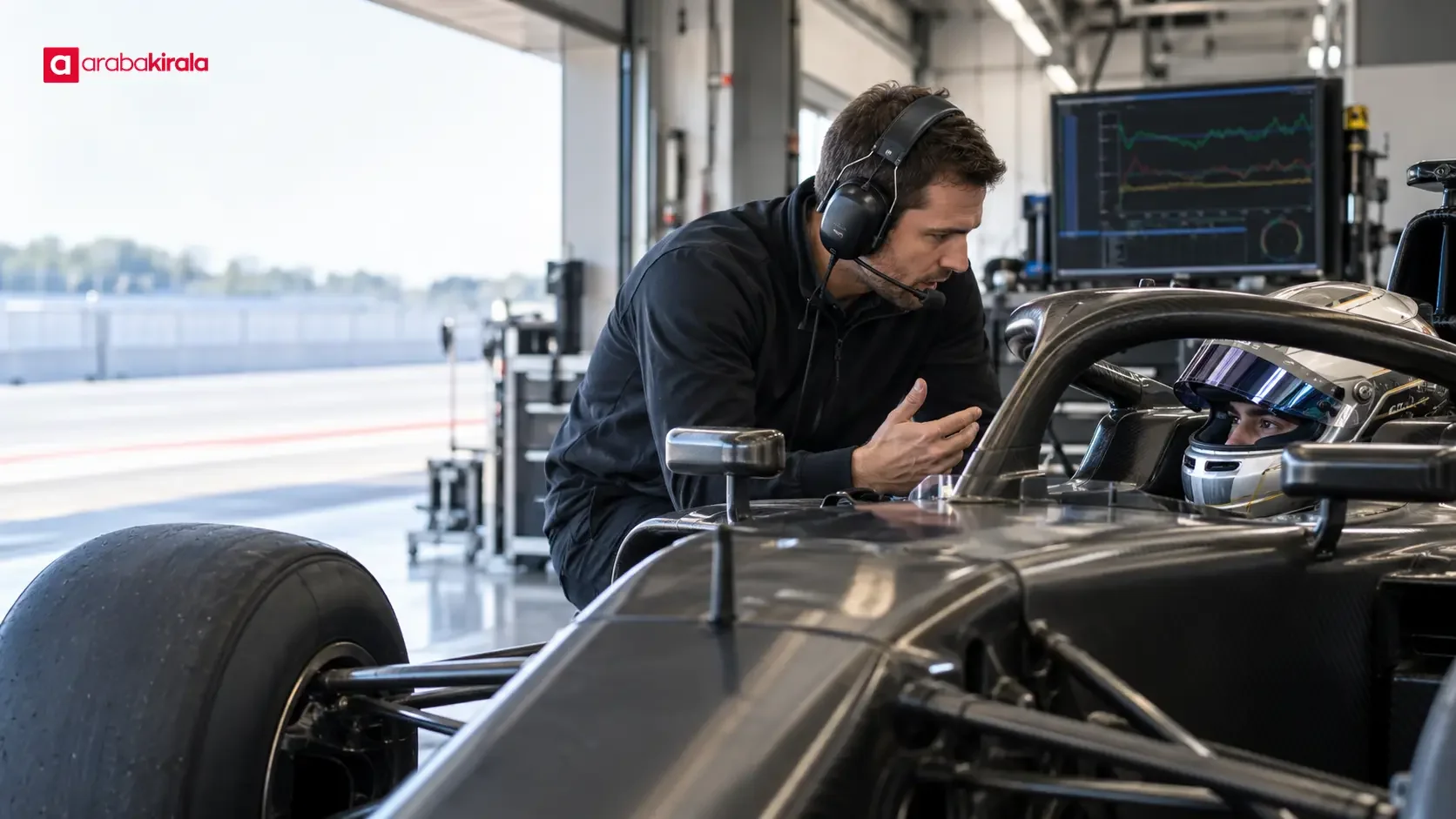
An F1 race engineer is one of the main links between a Formula 1 driver and the technical team working on the car. The engineer gathers the driver’s feedback, considers it alongside measurements from the car, follows what is happening on track and communicates useful information back to the driver. The job is much broader than speaking over the radio: it connects preparation, practice, analysis and race communication across the event.
The engineer does not replace the team’s specialists or make every decision alone. Performance engineers, systems experts, strategists and other members of the pit wall each contribute information from their area. The race engineer helps relate those inputs to the driver’s work and pass them on in a form that is timely and clear. Understanding this role shows why Formula 1 performance depends on coordination and communication as well as speed.
Where the race engineer fits in the team
A modern Formula 1 car involves many technical disciplines. The race engineer is among the people who work most closely with the driver, serving as a key technical point of contact. The role includes understanding how the driver describes the car, organizing observations from a session and helping the team identify what to examine next. It is a two-way link: information flows from the team to the driver, and the driver’s experience flows back to the engineers.
A driver may report how the car responds on corner entry, under braking or when accelerating out of a turn. That description is valuable, but it is not automatically a diagnosis. Engineers compare it with telemetry, lap data and conditions on track. The driver feels the car directly; measurements record aspects of the car and its operation. Each offers a different view, and the team can make a more useful assessment by considering them together.
Trust and a shared vocabulary help the work. The race engineer learns how a particular driver expresses sensations and which information is helpful at different moments. The driver learns how to report a behavior with enough detail for the team to investigate it. This working relationship develops through preparation and repeated sessions, not through a single radio exchange.
Work across a race weekend
Preparation and session goals
Before track activity begins, the team reviews available technical information and findings from previous work. The race engineer helps establish what the driver and team want to learn during each session. They might agree to focus on a particular car response, evaluate an adjustment or answer a specific question about performance. Clear goals make limited track time more productive because the team knows what it is trying to observe.
Preparation cannot predict every condition. Surface grip, weather, traffic and tyre state may change during a session. The plan gives the team a starting point, then engineers adapt it when new information arrives. The race engineer helps keep the driver’s immediate task aligned with the team’s test objectives as the session unfolds.
Practice and feedback
During practice, engineers review telemetry and other records from the car alongside the driver’s comments. Telemetry can help show where a behavior occurred and how the car was being operated at that point. Yet one graph or one lap rarely explains everything. Lap time can be affected by traffic, tyre condition, fuel load, driving line and track evolution, among other factors.
The race engineer may help focus the driver’s feedback: Is the behavior concentrated in certain corners? Does it change with braking or throttle application? Is it different from the previous run? The team then compares relevant laps and measurements. If it evaluates an adjustment, the next run can help show whether the change had the intended effect. This cycle of observation, comparison and review helps turn impressions into practical engineering work.
Qualifying and preparation for the race
In qualifying, the timing and purpose of each lap matter. The race engineer can coordinate with the driver on when to leave the garage, preparation for a timed lap and traffic on track. The aim is to help create suitable conditions for a representative lap, while accounting for where other cars are and how the session is progressing. Information needs to be delivered clearly without distracting the driver from driving.
Before the race, the team reviews the condition of the car and driver, prepares for possible race conditions and agrees on communication procedures. Race strategy is not simply the personal decision of the race engineer. Specialists at the pit wall evaluate information and options, while the race engineer communicates relevant points to the driver and brings the driver’s observations back to the team.
How race engineers interpret data
Formula 1 cars generate many measurements during sessions and races. These can help the team understand performance, car systems and different parts of a lap. The race engineer tries to read measurements in context. A slower lap alone does not prove that the car has developed a problem: the driver may have encountered traffic, used tyres in a different condition or been following a different run objective.
For a useful comparison, engineers look for laps completed under sufficiently similar conditions. They may examine sections of a lap, driver inputs, car responses and the driver’s account together. If a difference appears, the team considers whether it repeats. The data can help explain what the driver felt, but it still needs interpretation; engineering judgments emerge through team analysis.
Data is also used to shape the next run. The team can define a question that can be checked in practice, such as whether an adjustment changes a particular response. For the comparison to be useful, the question must be clear and the following run should be assessed against relevant conditions. The race engineer connects that process with the driver’s feedback and helps summarize what the team learned.
Why radio communication matters
The radio is a fast communication channel between the driver and pit wall. During a race, the driver is focused on controlling the car, nearby competitors and changing track conditions. Messages therefore need to be clear, timely and relevant to the situation. A race engineer may relay information about traffic, the car’s condition, team observations or options under consideration. The content changes with the session and circumstances.
Short messages are not automatically effective; timing and clarity matter too. Too much detail can add to the driver’s workload, while too little can create confusion about a technical issue. The race engineer weighs what the driver needs to know and when it is useful to know it. The driver’s response can then inform the team’s next assessment.
Radio clips heard by viewers do not show the whole decision process. They are only a small, audible part of wider analysis and coordination. Strategy discussions, technical reviews and the work of specialists in different roles also contribute to team decisions.
Contributing to decisions during a race
As race conditions change, the team reviews its current plan. The race engineer passes on the driver’s observations and feedback about the car. Strategy specialists consider the flow of the race, the position of cars, tyre condition and available options. The race engineer may be the central communicator who makes the resulting information understandable to the driver.
This is not a fixed plan applied unchanged in every circumstance. The team can weigh its options again when new information becomes available. Decisions are made to support the team’s aims under the conditions of that race; a particular outcome cannot be guaranteed. The race engineer helps coordinate the driver and the specialists whose work informs those decisions.
Skills a race engineer needs
- Technical reasoning: Assessing car behavior, measurements and track conditions together.
- Clear communication: Explaining complex information in a form that suits the driver’s immediate needs.
- Listening and questioning: Helping turn a driver’s sensations into feedback the team can investigate.
- Prioritization: Identifying which information matters most at a particular point in a session or race.
- Teamwork: Coordinating with strategy, performance and car systems specialists.
- Adaptability: Reviewing the plan when new data or track conditions change the picture.
These skills go beyond technical knowledge. A productive relationship helps the driver describe the car more clearly and lets engineers assess findings more effectively. Trust does not mean every suggestion will be right; good engineering also involves checking decisions and learning from what happens.
Race engineer and strategist: what is the difference?
The race engineer is a close technical contact for the driver and connects feedback with car data during the weekend. Strategy specialists focus on the broader race situation and the options available as it develops. Their responsibilities complement each other, but they are not identical. A race engineer may communicate information from the strategy group to the driver and relay the driver’s observations back to the relevant people. Decisions can draw on several specialists, rather than placing all information and responsibility on one person.
Frequently asked questions
Does the F1 race engineer decide the driver’s race strategy alone?
No. Race strategy is a team process in which multiple specialists assess information and circumstances. The race engineer connects that work with communication to and from the driver.
Can a race engineer identify a fault with certainty from telemetry?
Telemetry is an important source for examining how systems behave, but findings need to be considered with context and other indicators. A single record does not necessarily provide a definitive diagnosis.
Is driver feedback more important than measurements?
They provide different kinds of information. The driver describes how the car feels from the cockpit; measurements record aspects of systems and performance. Teams generally consider both together.
Does a race engineer work only on race day?
No. The role also includes preparation, analysis and coordination during practice and qualifying. Race-day radio communication is one part of a broader weekend of work.
In summary
An F1 race engineer connects the driver’s feedback, the car’s measurements and the work of the team’s specialists. The role contributes to setting session goals, interpreting laps and telemetry, organizing radio communication and making sure useful information reaches the right people during a race. Its core purpose is to help the driver and team work together through well-contextualized technical information, rather than to make every decision alone. In Formula 1, the quality of that coordination matters alongside the car’s capabilities.
Legal Disclaimer: All content, articles and information on the Araba Kirala website are provided solely to inform users. No information shared on this website constitutes definitive advice or guidance. Araba Kirala Teknoloji A.Ş. and its authors cannot be held responsible for any direct or indirect damages arising from the application of information on the website. For all questions and requests regarding car rental, please contact the office from which you will rent your vehicle.