What Is an EV Charging Curve? Why Charging Power Changes as the Battery Fills
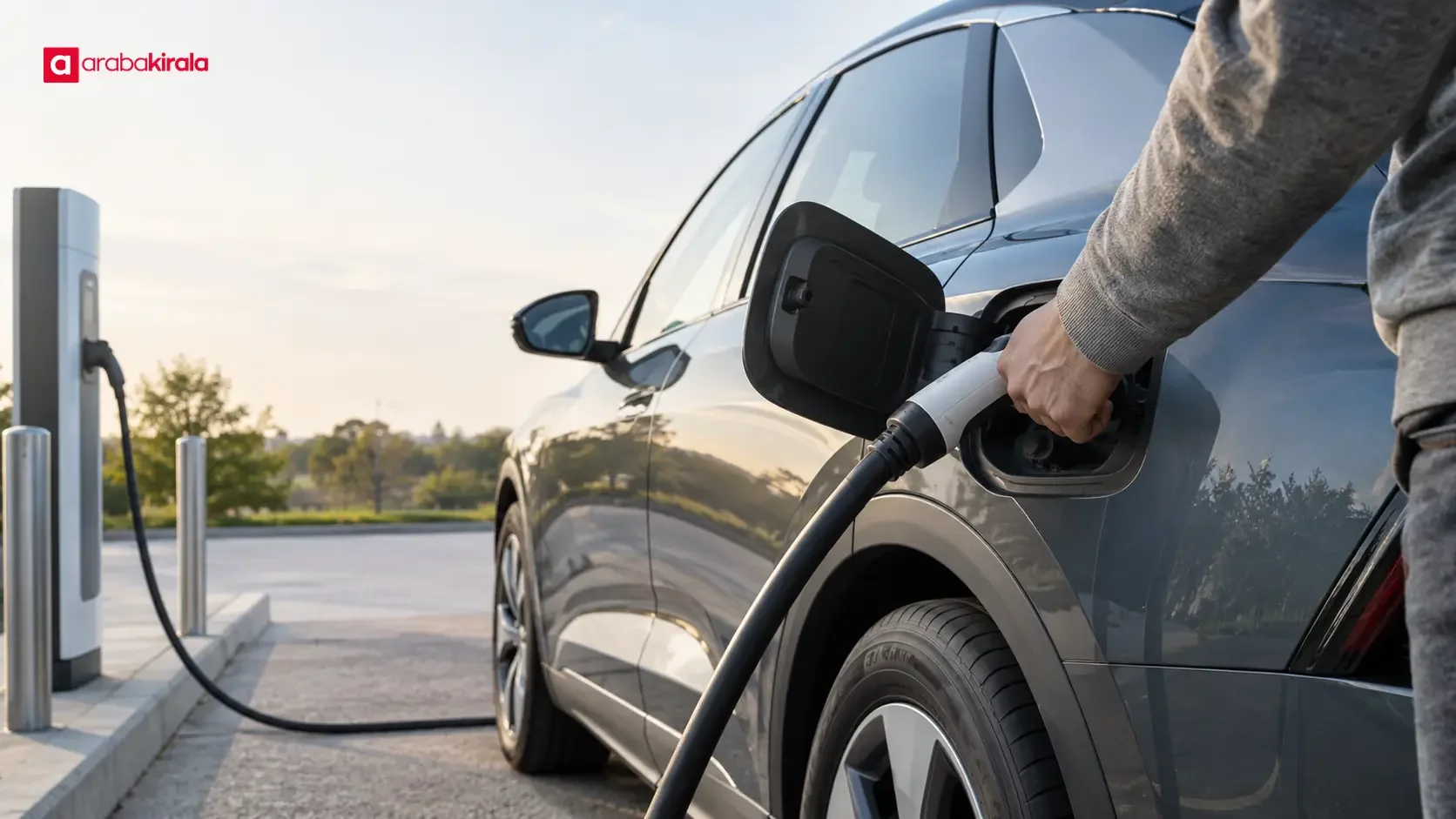
An electric vehicle charging curve shows how much power the battery accepts as charging progresses, usually plotted against time or battery state of charge. It explains why a car advertised with a high peak charging rate does not hold that rate throughout a session. Understanding the curve helps you estimate charging stops more realistically, interpret the figures on a charger display, and make sense of technical information about an EV.
What does a charging curve show?
Charging power is usually measured in kilowatts (kW). It describes the rate at which energy is being transferred at a particular moment. On a charging curve, the horizontal axis commonly represents elapsed time or the battery’s state of charge, while the vertical axis shows power. The line may rise, level off, or fall; it is not necessarily a constant-speed profile.
A quoted maximum DC charging rate is a peak capability under specified conditions. It is not a promise that the car will charge at that rate from the beginning to the end of every session. A vehicle may draw high power over part of the battery range and then reduce it as charging continues. That is why the peak figure alone cannot tell you how long a stop will take.
Why does charging power change as the battery fills?
Battery cells need to be charged within controlled limits. The vehicle’s battery management system monitors conditions and adjusts the power it accepts. At a lower state of charge, the system may allow a higher rate. As the battery approaches a higher state of charge, power can taper to manage cell voltage, keep charging balanced, and protect the battery. A gradual drop is often part of normal operation rather than evidence that charging has failed.
The point at which power begins to taper and the shape of that taper vary among vehicles. Battery chemistry, pack design, software, temperature, and the charging equipment all play a part. Even the same vehicle can show different charging power on separate occasions because the conditions are not identical.
Factors that affect the charging curve
Battery temperature
A battery that is too cold or too hot may accept power more slowly. The vehicle can limit charging until the battery is closer to its preferred operating range. Some vehicles can condition the battery before arrival at a rapid charging point, sometimes using route navigation; availability and operation depend on the vehicle. Consult the owner’s manual for that model’s charging and temperature guidance.
Limits of the car and charger
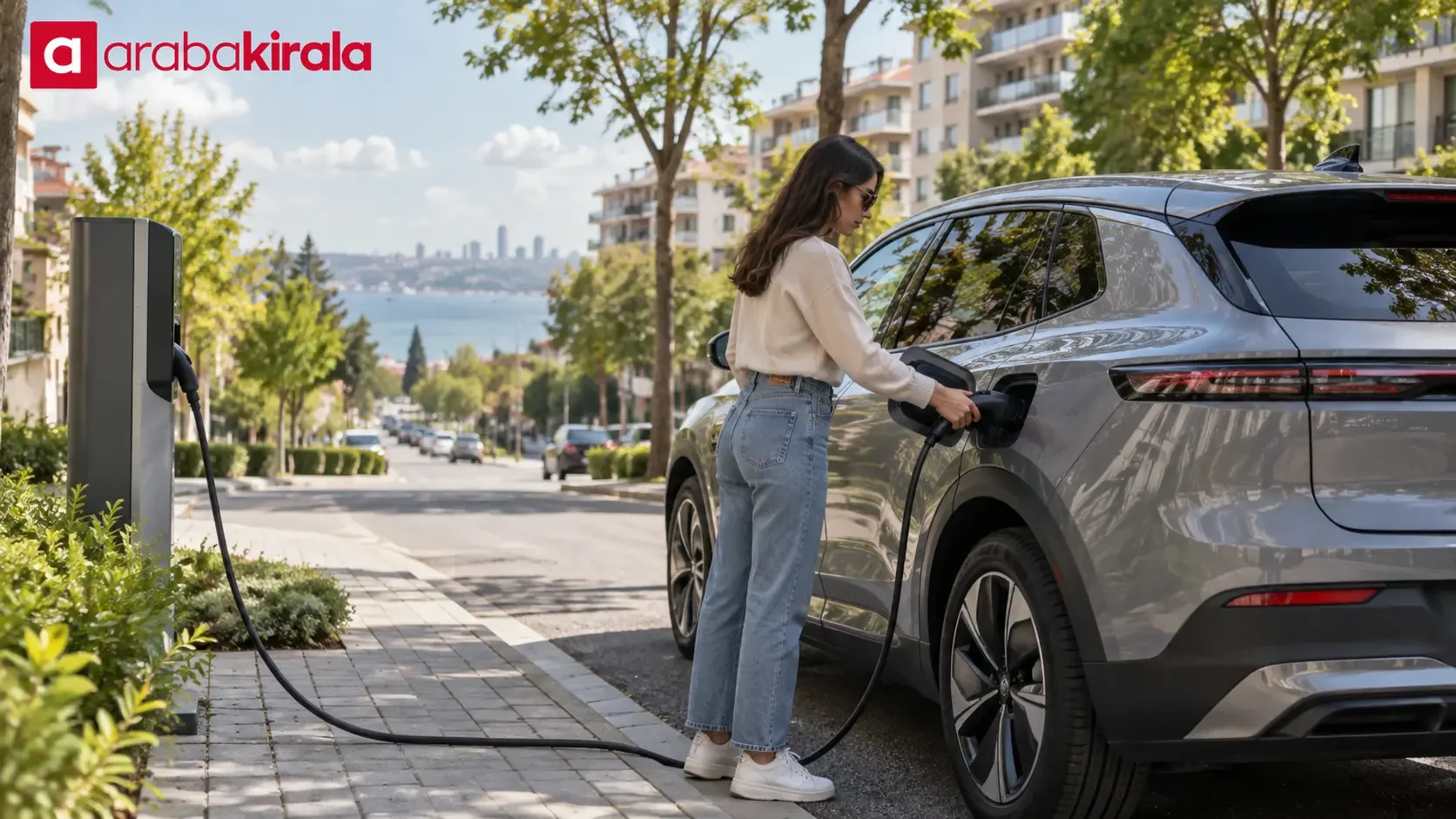
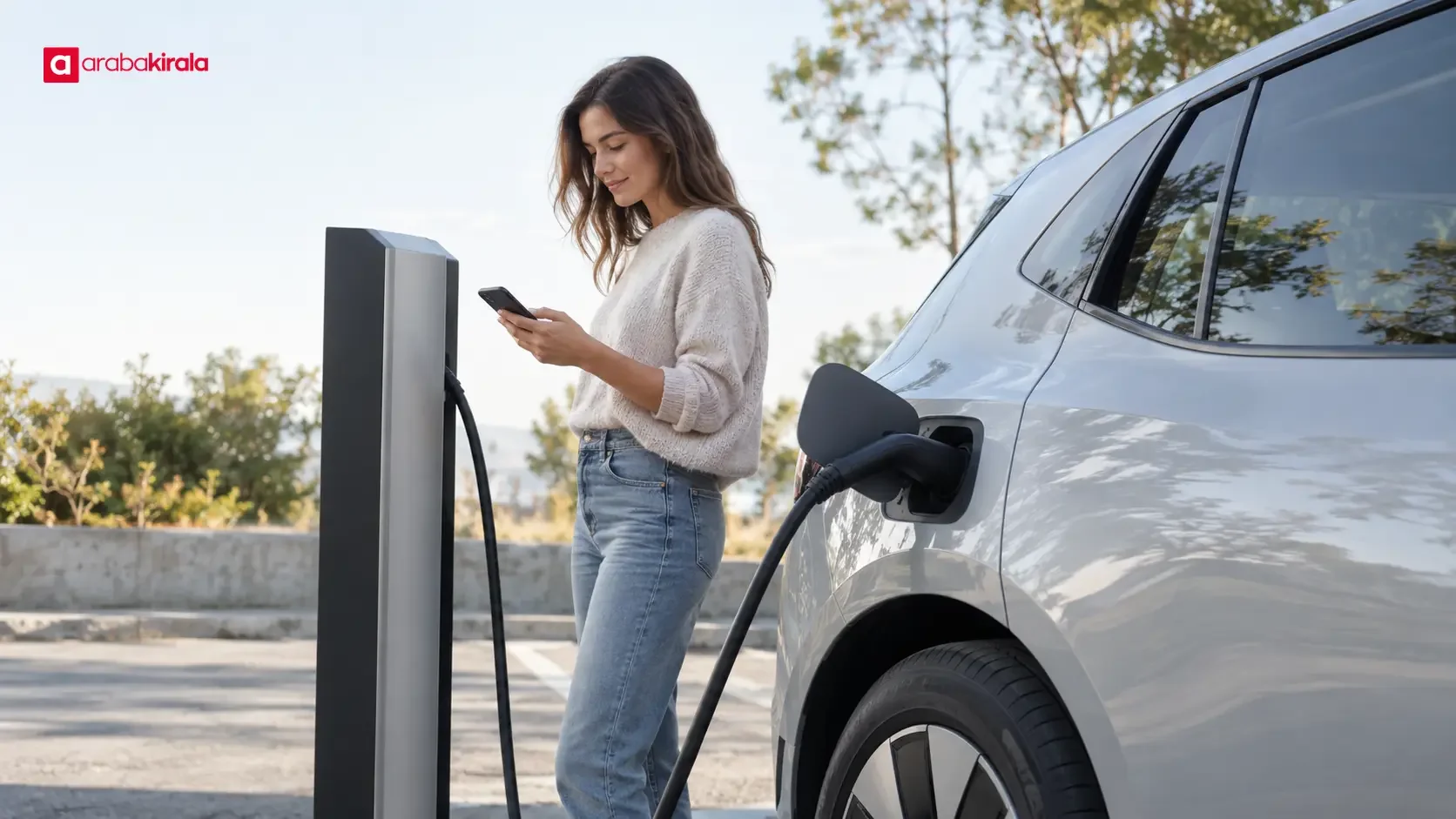
The power rating printed on a charging unit does not mean every vehicle can draw that amount. The car is limited by its own charging capability, and the charger may also be unable to meet the car’s request at that moment. Equipment, connector compatibility, cable limits, and power sharing between connectors can affect the value shown. A display is a snapshot of current power, not necessarily the average for the whole session.
Starting state of charge
Many charging curves show higher power over a lower portion of the battery range, with power declining at higher states of charge. Starting a rapid-charge session with a battery that is already relatively full may therefore produce a lower rate than the vehicle’s peak figure. The time to reach 80 percent can differ substantially from the time needed to continue from 80 to 100 percent. The final part may take longer, depending on the vehicle and conditions.
Peak power and average power are different
Peak power is the highest rate reached during a session, sometimes only briefly. Average power describes the energy added over a chosen interval divided by the time taken. If the curve spends much of the session below the peak, the peak figure gives an incomplete picture of the charging experience.
When comparing published charging times, check whether the start and end state of charge, battery temperature, charging method, and test conditions are stated. Results based on different intervals are difficult to compare directly. Battery capacity matters too: two packs charging at the same power may need different amounts of energy to gain the same percentage points.
How to use the curve when planning a trip
Check the manufacturer’s manual or official technical information for the vehicle’s DC charging capability. Treat the maximum rate as a peak under suitable conditions, not a continuous rate.
Plan around the energy needed to continue your journey and the likely charging range, rather than assuming every stop must end at a full battery. Higher states of charge may take longer to add.
If the displayed rate is lower than expected, consider state of charge, battery temperature, the vehicle’s limits, and charger conditions together. One number by itself rarely explains the full situation.
Use the vehicle and charging equipment instructions if a session appears unusually slow. Follow the displayed guidance before taking action such as stopping the session or changing the connection.
If you are driving a rental EV, ask the branch you are renting from how to read the charging and battery displays, which rapid-charging features the vehicle supports, and what in-car information is available for route planning. Vehicle features can differ, so check the specific car.
How does the curve relate to charging time?
The energy added is broadly related to power multiplied by time, but charging power changes during a session. The area beneath the curve over a selected interval represents the energy delivered. To understand a charging-time estimate, you need the start and target state of charge and the curve across that part of the battery range, not just a single kW rating.
A car or charging app may show a predicted time based on current conditions and the selected target. That estimate can change as the battery warms, the rate tapers, or other conditions shift. Treat it as a useful planning signal rather than a guaranteed arrival or waiting time. Leaving some flexibility in a long-distance itinerary makes the estimate easier to use.
Frequently asked questions about EV charging curves
Does a drop in charging power mean the battery is faulty?
Not on its own. Power commonly decreases as the state of charge rises, and temperature or charger conditions can also affect it. If the vehicle displays a warning or the behaviour remains outside the guidance in its manual, follow the manufacturer’s instructions and seek appropriate support.
What does maximum charging power mean?
It is the highest charging rate the vehicle can accept under certain conditions. It does not mean that the rate will be reached at every session or maintained throughout one. State of charge, temperature, equipment, and the vehicle’s control system all affect the actual power.
Should I always charge to 100 percent?
Follow the vehicle manufacturer’s battery guidance and consider the needs of the journey. Routine driving and preparing for a long trip can call for different charging choices. Do not treat one target percentage as a universal rule for every EV.
Where can I find an EV’s charging curve?
Look at the manufacturer’s official technical information, the owner’s manual, or the vehicle’s energy displays. Manufacturers do not all publish curves at the same level of detail. If a curve is unavailable, its shape cannot be inferred from the maximum power figure alone.
An EV charging curve shows how charging speed changes across the battery range, and why a peak rate is not the whole story. By considering the curve alongside battery conditions, vehicle limits, and charger capability, drivers can form more realistic expectations for charging stops and plan a journey with better context.
Legal Disclaimer: All content, articles and information on the Araba Kirala website are provided solely to inform users. No information shared on this website constitutes definitive advice or guidance. Araba Kirala Teknoloji A.Ş. and its authors cannot be held responsible for any direct or indirect damages arising from the application of information on the website. For all questions and requests regarding car rental, please contact the office from which you will rent your vehicle.