What Is an F1 Sprint Race? Its Place in the Grand Prix Weekend
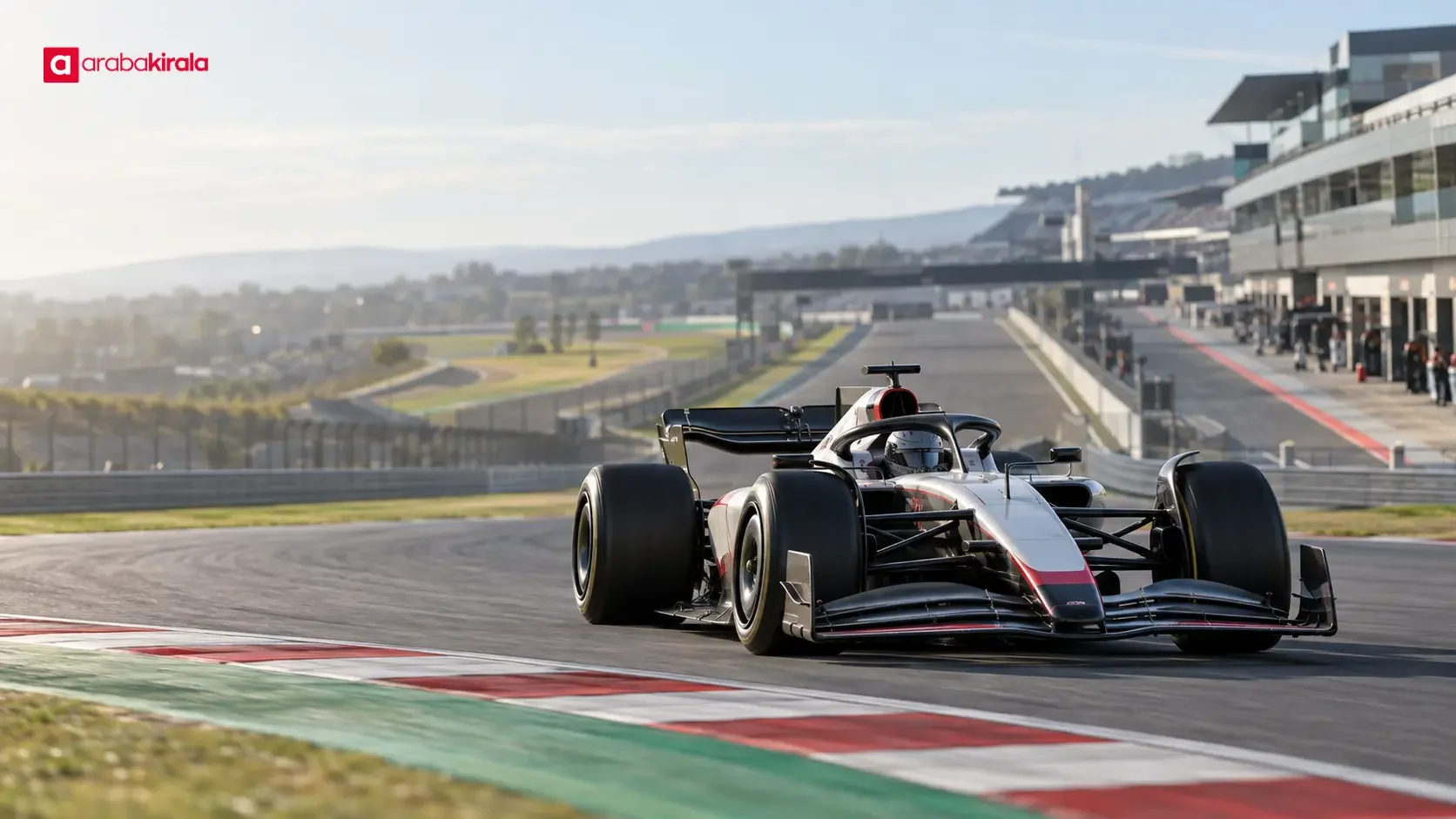
A Formula 1 sprint race is a shorter race held at selected Grand Prix weekends. It has its own start, finish, classification and points, so it is a separate competition rather than a preview or shortened replay of the Grand Prix. Sprint weekends also arrange sessions differently from a standard weekend, changing when drivers practice, qualify and race. Understanding those distinctions makes it easier to follow the event schedule and see what each result means.
What is a sprint race?
A sprint is a short-distance race included at selected events on the Formula 1 calendar. Drivers start from a grid and race over the sprint distance. The finishing order creates a sprint classification, and points from that classification count towards the season championships. The main Grand Prix still takes place later in the same weekend; the sprint does not replace it.
The format adds a competitive race to the weekend before the Grand Prix. Because the distance is shorter, the sprint reaches its decisive moments sooner, but it is not simply an exhibition. Drivers still need to manage the car, tyres, track conditions and available grip. Teams also have to consider how the sprint fits into preparations for the remaining sessions.
Where does the sprint fit in the weekend schedule?
A standard Formula 1 weekend usually has practice and qualifying on Friday, further practice and qualifying-related sessions on Saturday, and the Grand Prix on Sunday. A sprint weekend follows a different pattern. In the current format, Friday generally includes one practice session and qualifying for the Grand Prix; Saturday includes sprint qualifying and the sprint race; and the Grand Prix is held on Sunday. The official event timetable gives the session names and exact times for each round.
With less practice time than on a standard weekend, teams have fewer opportunities to assess the car before competitive sessions begin. Practice data can help drivers and engineers evaluate braking points, balance through corners, tyre behaviour and the level of grip on the circuit. They use that information when preparing for qualifying and the races. The rules governing car set-up changes and operating conditions are also tied to the sprint-weekend format, so detailed technical questions should be checked against the official regulations for the relevant season.
Sprint qualifying and Grand Prix qualifying
Sprint qualifying and Grand Prix qualifying both use timed sessions to establish starting order, but they set the grid for different races. Sprint qualifying determines where the cars start the sprint. Grand Prix qualifying determines the starting order for the main race. A time set in one session should not be read as the starting position for the other.
Sprint qualifying uses a short sequence of knockout segments. The compressed session makes timing a lap, managing traffic and finding a clear section of track important. Grand Prix qualifying has the separate aim of setting the Grand Prix grid. Although the broad idea of posting a fast lap is familiar, the sessions occupy different places in the schedule and serve different races.
The sprint result does not directly set the Grand Prix grid. A driver who gains places or wins the sprint does not automatically carry that position to Sunday’s start. To understand the main-race grid, check the Grand Prix qualifying classification and any official decisions that affect it.
How are sprint points awarded?
Points go to the top eight finishers in a sprint. The winner scores eight points, second place scores seven, third place scores six, and the allocation decreases by one point per position down to one point for eighth. Drivers outside the top eight do not score sprint points. The points contribute to the drivers’ championship, while the relevant team points count towards the constructors’ championship.
Sprint points are separate from points earned in the Grand Prix. A sprint win is a sprint victory; it is not a Grand Prix win. The additional scoring opportunity can matter over a season, while each team must also prepare its car and tyres for the next session. This is why a sprint result is useful to interpret on its own and as part of the wider weekend.
How does a sprint differ from the Grand Prix?
The sprint covers less distance than the Grand Prix, so the strategy is not identical to a longer race. The shorter format can make position battles begin early, but it does not guarantee frequent overtaking or an easy-to-predict finish. Circuit layout, weather, surface grip, the relative performance of the cars and traffic can all shape what happens.
Tyre use still matters. Teams plan how to use their available tyre sets within the applicable rules, and tyre temperature, wear and grip can affect braking and traction on corner exit. For viewers, tyre behaviour helps explain why a driver may preserve pace at one point or push harder in another. Tyre allocations and event-specific regulations can vary, so consult official Formula 1 information and the event timetable for the relevant round.
What should viewers watch for?
Start by identifying which session sets which grid: sprint qualifying is for the sprint, while Grand Prix qualifying sets the main-race starting order. Then follow the grid positions and changes over the opening laps. In a short race, early choices about defending or attacking can shape the remaining laps. A pass in the sprint, however, does not predict what will happen in the Grand Prix, which has its own start and race conditions.
- The start and opening corners: Grid position, the first braking zone and the line through a corner can create early position changes.
- Track conditions: Rain, temperature and surface grip can affect racing lines and tyre behaviour.
- Team decisions: Pit and tyre choices depend on the rules and the course of the race; there is no single strategy to assume.
- Official classification: Follow the official results for the final classification, including any sporting decisions issued after the finish.
Frequently asked questions
Does the sprint replace the Grand Prix?
No. At sprint-format events, the sprint is an additional race and the Grand Prix is still held. Each has its own start order and result.
Does the sprint winner start the Grand Prix from pole?
Not automatically. The sprint result does not set the Grand Prix grid. The main-race starting order comes from Grand Prix qualifying and any relevant official decisions.
How many drivers score sprint points?
The top eight finishers score. The allocation runs from eight points for first place to one point for eighth.
Is there a sprint at every Formula 1 race weekend?
No. Sprint races are scheduled at selected events. Check the official Formula 1 calendar and the event timetable to see whether a particular weekend uses the sprint format.
In summary
An F1 sprint is a separate, shorter, points-scoring race at selected Grand Prix weekends. Sprint qualifying sets its grid, while Grand Prix qualifying sets the grid for the main race. The changed session order affects team preparation and the way viewers follow the event. Keep the sprint classification, its points and the Grand Prix starting order distinct to understand what each part of the weekend means.
Legal Disclaimer: All content, articles and information on the Araba Kirala website are provided solely to inform users. No information shared on this website constitutes definitive advice or guidance. Araba Kirala Teknoloji A.Ş. and its authors cannot be held responsible for any direct or indirect damages arising from the application of information on the website. For all questions and requests regarding car rental, please contact the office from which you will rent your vehicle.