What Is DRS in Formula 1? Drag and Overtaking Opportunities
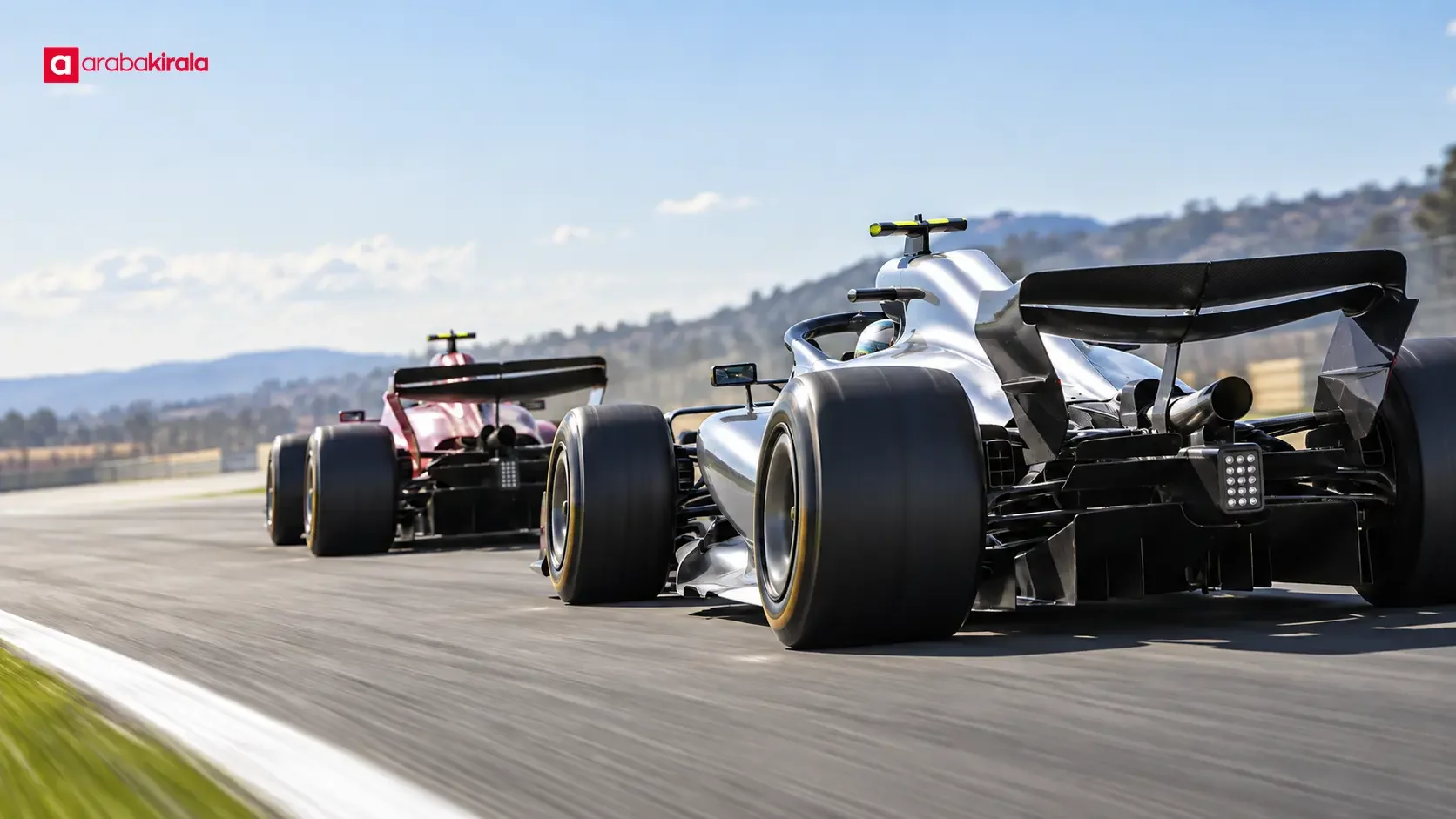
The Formula 1 DRS system is a device that opens a movable section of the rear wing under defined conditions to reduce aerodynamic drag. DRS stands for Drag Reduction System. It does not add engine power or make a car faster in every part of a lap. Instead, it changes the rear wing’s aerodynamic effect for a limited section of track, which can help a driver gain speed on a straight and close on a car ahead. The system’s permitted zones and operating conditions are set by the regulations and can be restricted for safety.
Why Formula 1 uses DRS
Formula 1 cars rely on aerodynamic surfaces to manage airflow and generate downforce. Downforce presses the car towards the track and helps it maintain grip through corners. The same wings and bodywork that shape airflow also create drag, which resists forward motion. Car designers therefore balance cornering performance against straight-line speed. More downforce can help a car through corners, while greater drag can limit its speed on a straight.
DRS temporarily changes that balance. When the driver activates it in an authorised zone, a flap in the rear wing moves to a more open position. The altered wing produces less drag, so the car may accelerate more effectively or reach a higher speed before braking. The rear wing’s aerodynamic effect also changes, which is why DRS is not intended for unrestricted use through corners. The driver returns the flap to its normal position when the system is no longer active or when braking begins.
How drag and downforce are connected
Drag is the aerodynamic force that opposes a car as it moves through the air. Its effect becomes increasingly important as speed rises. A Formula 1 car’s aerodynamic behaviour comes from the complete package: the front wing, floor, diffuser, rear wing, suspension settings and tyres all influence how the car behaves. DRS changes one part of that package for a specific purpose; it does not remove the need to manage the whole car.
Opening the rear wing flap reduces the drag produced by that wing. The resulting speed benefit is not fixed. It depends on factors such as the length and shape of the straight, the car’s speed, its aerodynamic setup, air conditions, tyre state and position relative to other cars. A DRS activation can help a driver close a gap, but it does not guarantee a particular speed increase or an overtake.
Detection points and activation zones
A circuit may have one or more designated DRS zones, usually along straights where the system can provide a speed benefit. A detection point can be located before an activation zone. The detection point is used to assess whether the relevant eligibility condition is met; the activation zone is the section where an eligible driver can use the system. These points serve different purposes and should not be treated as the same location.
The number and placement of zones can vary by circuit and event. They are set out in official information for the relevant race weekend and may be affected by track layout and safety considerations. It is not safe to assume that every circuit has the same number of zones or that a layout remains unchanged from year to year. For a particular Grand Prix, consult current FIA or Formula 1 event information.
DRS can assist an overtake, but it is not an overtake button
DRS can help a following car build a speed advantage on a straight, but completing a pass still depends on positioning, timing, braking and available track space. A driver may close rapidly yet reach the braking zone without being alongside. The car ahead may defend its position, while the attacking driver has to choose a safe line and judge whether a pass is possible. The system creates an opportunity; the drivers still have to manage the manoeuvre.
Eligibility is assessed under the applicable race conditions rather than being passed automatically from one car to the next. In a close group, one car may be allowed to use DRS while another car nearby is not. The exact effect also varies with the gap, relative speed and where each car is on the straight. That is one reason why DRS does not produce the same result every time it is activated.
When can a driver use DRS?
DRS use is controlled by the rules for the season and by instructions from race control. Use may be limited during particular phases of a race or suspended when conditions require it. Starts, restarts and safety concerns are examples of situations in which the permitted use can be restricted. The exact provisions and the point at which DRS becomes available are matters for the current sporting regulations and official event instructions.
These limits make DRS part of race management as well as vehicle technology. It is not simply a device that a driver can activate anywhere to gain speed. Because sporting rules can change, a description of an earlier season should not be assumed to describe the current one. For current details, check official FIA regulations and the race weekend’s official notices.
How DRS fits into race strategy
Teams account for the trade-off between downforce and drag when choosing a car’s aerodynamic setup. A setup that produces less drag can help on straights, but the car still needs sufficient grip and balance in corners. The best compromise depends on the circuit and the demands of the event. DRS then provides a temporary reduction in drag within the permitted parts of the lap.
Drivers and teams also consider tyre performance, following distance, braking points and the timing of an attack. DRS is one factor in that broader picture. A car’s ability to catch the one ahead does not mean a pass will happen or that the race result will change. The circuit, speed difference, tyres and decisions made by both drivers all shape what follows.
Frequently asked questions about DRS
Do all Formula 1 cars have DRS?
Formula 1 cars have a rear-wing element that can move as permitted by the technical rules. The system’s design and operation are governed by the regulations in force for the season, so official FIA technical rules are the reference for precise details.
Can a driver use DRS in a corner?
DRS is used in designated zones, generally on straights where reducing drag can help with speed. Grip and control are especially important through corners. Use outside the authorised conditions can be restricted, and race control can suspend it for safety.
Does DRS guarantee an overtake?
No. It can reduce drag and help a driver close a gap or gain speed, but an overtake also depends on the cars’ positions, relative speed, braking and the driver’s chosen line. DRS provides an opportunity rather than a guaranteed result.
Are DRS zones the same at every race?
No. Their number and location depend on the circuit and the official arrangements for the event. Check the current FIA or Formula 1 information for the race in question.
In summary
Formula 1 DRS opens a movable rear-wing flap in defined circumstances to reduce drag on designated parts of a circuit. This can help a car accelerate on a straight and create an opportunity to challenge the car ahead. The benefit depends on the circuit, car and race situation, and it does not guarantee a pass. Understanding the relationship between drag, downforce, activation zones and driver decisions explains why DRS matters while remaining only one part of a race.
Legal Disclaimer: All content, articles and information on the Araba Kirala website are provided solely to inform users. No information shared on this website constitutes definitive advice or guidance. Araba Kirala Teknoloji A.Ş. and its authors cannot be held responsible for any direct or indirect damages arising from the application of information on the website. For all questions and requests regarding car rental, please contact the office from which you will rent your vehicle.