What Is Parc Fermé in F1? How It Limits Car Setup
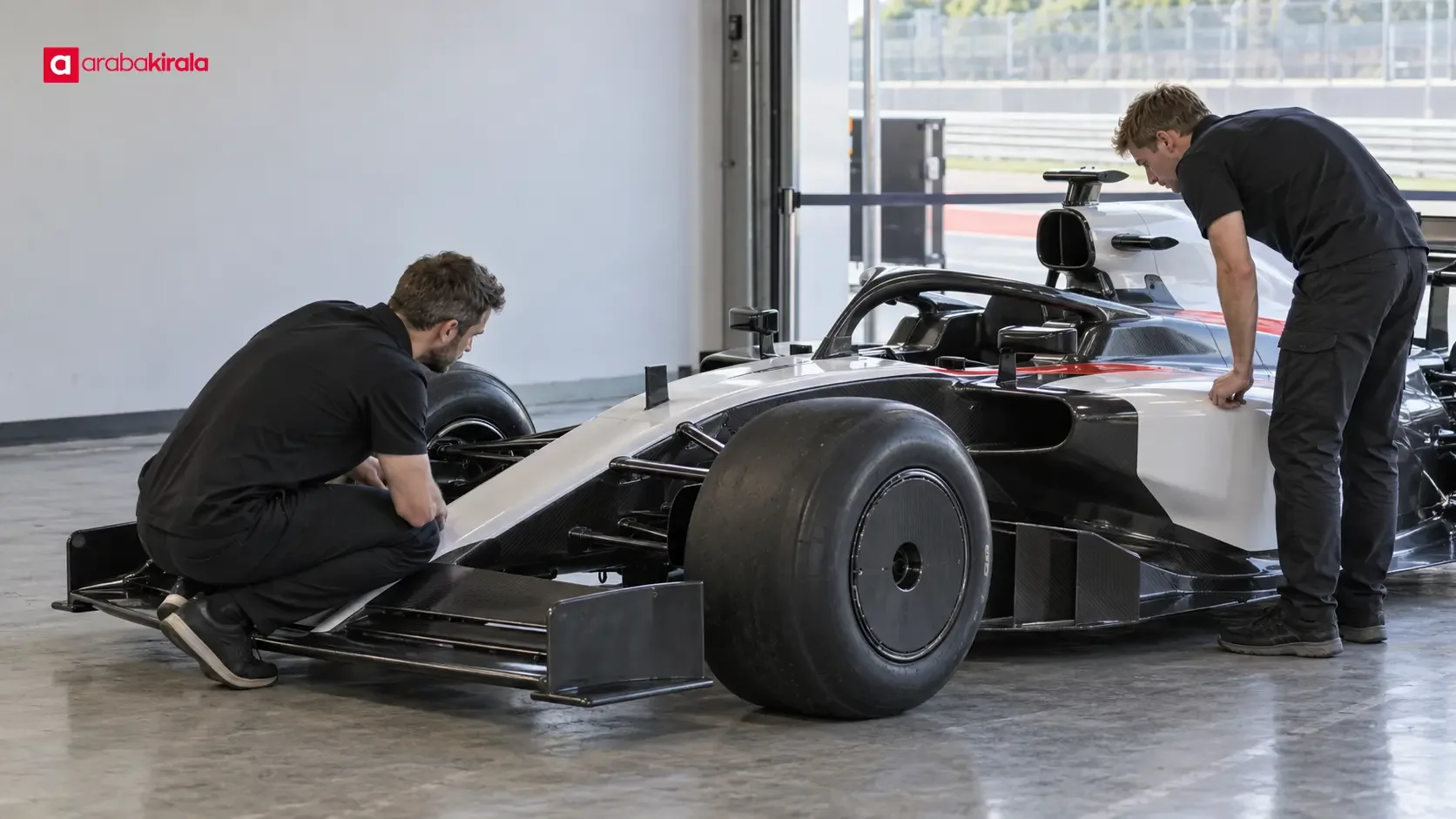
What is Parc Fermé in F1? It is the period and regulatory framework in which a Formula 1 car is placed under technical oversight after a designated session. The French phrase means “closed park,” but it describes more than a physical parking area. Parc Fermé rules limit the work a team may perform on a car and allow the FIA to check whether it complies with technical regulations. The system helps preserve the link between the car used in qualifying and the configuration taken into the race.
Parc Fermé does not mean that a car can never be touched. FIA checks and operations expressly allowed by the rules can take place. What teams cannot do is freely rebuild the car’s setup during the restricted period. The exact start and end points depend on the weekend format and the regulations in force for that season, so a specific event should be understood using its official rules.
Why does Parc Fermé exist?
Teams tune many aspects of a car, including its aerodynamics, mechanical balance and energy use, to suit the circuit and the demands of each session. A setup must balance the need for a fast qualifying lap against the demands of managing tyres, fuel and components over a race distance. Parc Fermé limits extensive changes after qualifying, so teams cannot freely transform the car before the race.
The framework also supports sporting oversight. Teams are expected to maintain the relevant configuration under which the car qualified, subject to permitted work and regulatory exceptions. FIA technical officials can inspect the car, take measurements and investigate compliance. The race configuration is therefore governed by a combination of team choices, rules and the consequences attached to any unauthorized change.
When does the Parc Fermé period begin?
At a standard race weekend, Parc Fermé conditions are connected to qualifying. The regulations for the event define the applicable timing and scope. A sprint weekend has a different session order and may have different Parc Fermé periods, so it is unsafe to assume that one timetable applies to every Grand Prix.
There is a useful distinction between a car being subject to Parc Fermé rules and being physically placed in a closed area. The first is a sporting and technical status that restricts team work on the car. The second describes a location or supervision arrangement. FIA oversight and the rules can apply even when the car is not sitting in a dedicated Parc Fermé enclosure.
Which setup changes are restricted?
Under Parc Fermé conditions, a team cannot make unrestricted adjustments that materially change the car’s performance. Work involving wing settings, suspension and certain mechanical or aerodynamic components is subject to the rules. In practical terms, the restriction prevents a team from changing the car’s basic character after qualifying to seek a fresh performance advantage for the race.
Not every operation is automatically prohibited. The regulations can allow defined maintenance and repair work, safety-related actions or replacement of particular components. Those permissions come with conditions. The scope of the work, the part involved, notification to the FIA and technical checks can all matter. A visible intervention does not necessarily mean that a team is freely changing its setup.
It is also better not to make a blanket assumption about tyre pressures, cooling arrangements or routine service tasks. Their limits are set by the relevant technical and sporting regulations. For a detail specific to one Grand Prix, check the FIA documents for that season and the event’s official notices.
Why must teams make setup decisions early?
Before Parc Fermé begins, a team must choose a configuration intended to serve both qualifying and the race. An aerodynamic choice that produces less downforce may help straight-line speed while affecting cornering performance. More downforce can support grip in corners while increasing drag on the straights. These examples show why setup choices involve trade-offs; they do not guarantee the same result at every circuit or for every car.
Teams also consider tyre wear, balance, weather and track conditions. A choice that works for a single qualifying lap may not deliver the same benefit over a longer race. Parc Fermé makes those pre-session judgements consequential because teams cannot simply reconfigure the car without regard to the rules. The data and the car’s performance across sessions reveal how well a choice worked.
What can happen after a Parc Fermé breach?
If officials find an unauthorized change or a component that does not comply, the FIA can apply a sporting penalty under the relevant regulations. A pit-lane start or a grid penalty may be among the possible outcomes, depending on the type of breach and the applicable rule. It would be inaccurate to say that every case receives the same penalty. The component involved, when the change occurred and whether the team met its notification obligations can affect the decision.
For the outcome of a particular incident, consult the official event decisions and FIA announcements. News reports can provide context, but stewards’ decisions and official documents are the direct sources for a confirmed sporting result. A Parc Fermé breach does not automatically mean that a car is excluded from the race.
How should fans read Parc Fermé during a sprint weekend?
A sprint weekend arranges sessions differently from a standard weekend. The start and end of each Parc Fermé period, the sessions between which adjustments may be made and any exceptions must therefore be read in the context of that event’s format. Sprint rules can change from one season to another, so it is not safe to carry a previous year’s timetable forward without checking.
When following a sprint event, it helps to read the official schedule alongside the FIA sporting regulations and event-specific notices. That makes it easier to understand why a team may not be able to work on a car after a particular session, or why a change may need FIA approval.
A short guide for viewers
- Check whether the weekend uses the standard or sprint format.
- When a report mentions Parc Fermé, note which session and point in the weekend it refers to.
- Do not treat “the car is in a closed area” and “the car is under Parc Fermé rules” as interchangeable phrases.
- Use the FIA regulations for the relevant season and official decisions to assess whether a change was permitted.
- For a penalty report, check whether the outcome is confirmed in the stewards’ official decision.
Frequently asked questions
Can nobody touch the car in Parc Fermé?
No. The term does not mean that every contact or operation is forbidden. Technical checks, safety work and operations permitted by the rules can take place. What is restricted is a team’s freedom to change the setup.
Does Parc Fermé apply only before the race?
It applies during defined periods associated with particular sessions. The start and end depend on the weekend format and current regulations; there is no single time or session that can be assumed for every event.
Does every setup change lead to a grid penalty?
No single outcome applies to every change. Whether the work was permitted, the scope of the rule and the FIA’s decision all matter. The official event decisions are the source for confirmed penalty information.
Are Parc Fermé and a technical inspection the same thing?
No. Parc Fermé also refers to rules that limit work and changes to a car. A technical inspection is a check of the car’s compliance. Inspections may take place during a Parc Fermé period, but the terms describe different things.
Conclusion
In F1, Parc Fermé is a framework for maintaining a car’s technical configuration between qualifying and the race while allowing officials to check compliance. It restricts setup changes but allows checks and certain work under the rules. The timing and possible penalties depend on the weekend format and the current FIA documents. Understanding that framework makes reports about car changes and grid penalties easier to interpret.
Legal Disclaimer: All content, articles and information on the Araba Kirala website are provided solely to inform users. No information shared on this website constitutes definitive advice or guidance. Araba Kirala Teknoloji A.Ş. and its authors cannot be held responsible for any direct or indirect damages arising from the application of information on the website. For all questions and requests regarding car rental, please contact the office from which you will rent your vehicle.