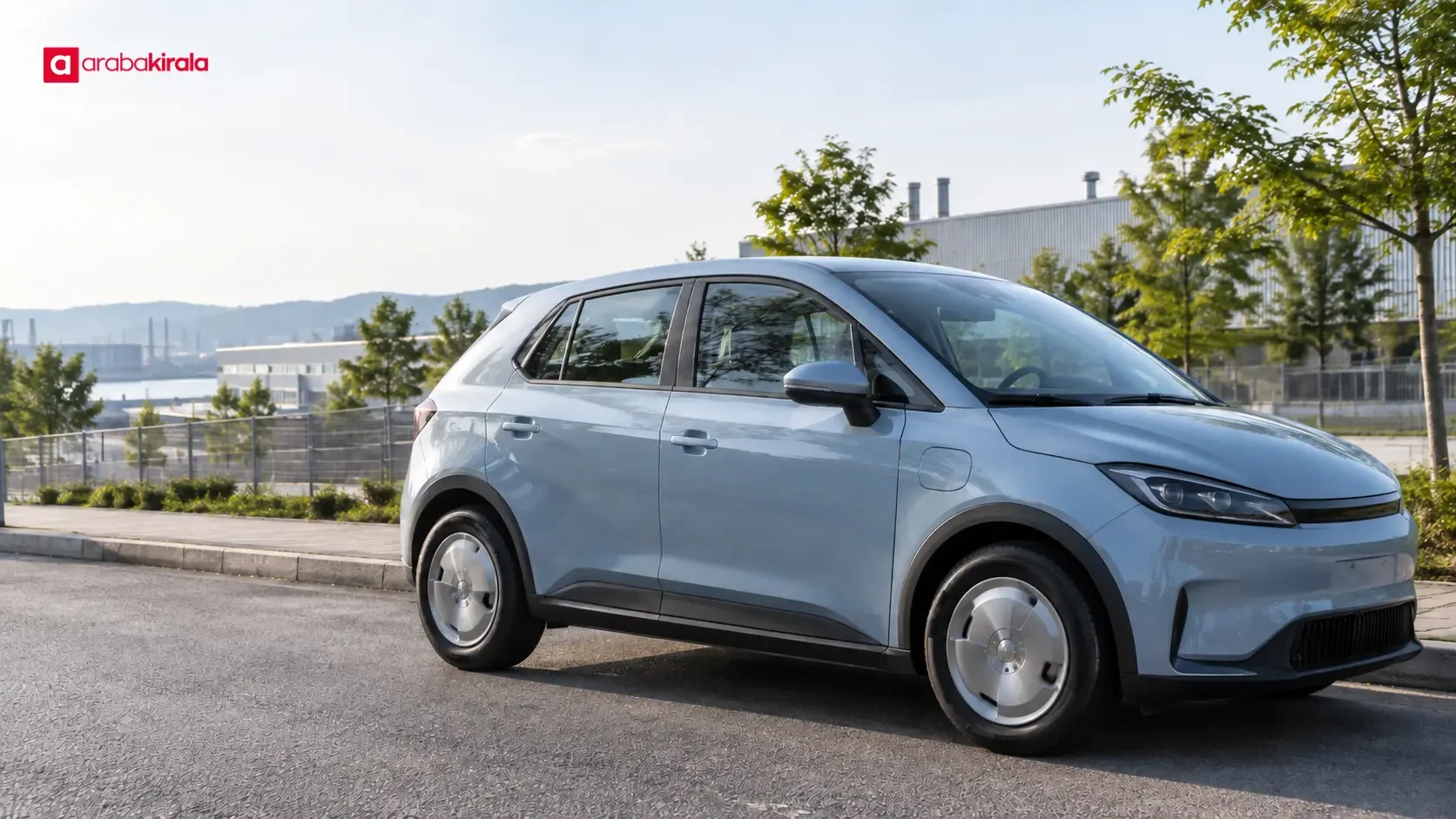
What Is Regenerative Braking? How It Feels in an EV

What is regenerative braking? It is a way for an electric vehicle to recover part of its motion energy as electricity while slowing down and send that electricity back to the battery. When the driver lifts off the accelerator or presses the brake pedal, the system can help reduce speed. The electric motor may operate like a generator during this process. Regeneration makes use of some energy that would otherwise become heat during braking; it does not create free energy or completely replace the vehicle’s friction brakes.
How does regenerative braking work?
A moving vehicle has kinetic energy. In conventional friction braking, contact between brake pads and discs turns much of that motion energy into heat and slows the wheels. In an electric vehicle, the motor can operate in a mode that converts wheel rotation into electricity when conditions allow. Power electronics direct the generated electricity to the battery. The motor’s resistance to the wheels also produces a slowing force.
The amount of energy recovered is not constant. Speed, road gradient, battery charge and temperature, vehicle settings, and driving conditions can all affect it. Regeneration may be reduced when the battery cannot accept more energy or when system limits apply. A changing energy-flow graphic on the dashboard can therefore be normal; by itself, it does not prove that the battery or brakes are faulty.
Why does the car slow when you lift off the accelerator?
Many electric vehicles slow down perceptibly when the driver releases the accelerator. The strength of this effect varies by vehicle and setting. At a low level, the vehicle may coast more freely. At a stronger level, its speed may drop more noticeably. Some vehicles let the driver select a regeneration level; in others, a drive mode or automatic control system determines the response.
Lifting off the accelerator is not the same as pressing the brake pedal. Even if strong regeneration noticeably slows the vehicle, maintain a safe following distance and use the brake pedal when needed. Near a traffic signal, junction, pedestrian crossing, or unexpected obstacle, do not assume that releasing the accelerator will stop the car at the right point.
What does regenerative braking feel like?
Regeneration can feel like the vehicle slowing as soon as you ease off the accelerator. At a high setting, deceleration begins sooner and can make occupants lean forward slightly. At a lower setting, the vehicle may reduce speed more gradually, much like coasting after lifting off in a conventional car. This sensation is different from the brake pedal’s response: regeneration often follows a reduction in accelerator demand, while the brake pedal directly requests braking from the driver.
Some electric vehicles offer a driving style commonly called “one-pedal driving.” The phrase describes how strong regeneration can let the driver manage much of everyday acceleration and deceleration with the accelerator. It does not mean one pedal is enough in every situation. Whether the vehicle comes to a complete stop, whether a hold function engages, and when the brake lights illuminate can vary by model. Follow the vehicle’s owner’s manual for those details.
Regenerative braking versus friction braking
With regenerative braking, the electric motor provides some of the slowing force and, when conditions allow, energy returns to the battery. With friction braking, brake pads press against discs to slow wheel rotation, and most of the motion energy becomes heat. Both systems may be used in the same vehicle. When the driver presses the brake pedal, the car may combine regeneration and mechanical braking according to the braking demand and operating conditions. The exact coordination depends on the model.
Regeneration does not remove the need for mechanical brakes or their maintenance. Friction brakes remain important for emergency stops, low-speed braking, situations when the battery cannot accept energy, and any stronger braking demand. If the brake pedal feels unusual, a warning light appears, or braking performance changes unexpectedly, follow the owner’s manual and seek qualified technical help.
Choosing a regeneration level for everyday driving
If your vehicle allows adjustment, read the owner’s manual first. Try the setting in a quiet area with clear visibility, where you can safely observe how much the car slows when you lift off the accelerator. Start with a low or moderate level, then adapt your speed and following distance to the response. Remember that changing a setting can change the vehicle’s behavior. Do not interact with menus while driving; stop in a safe place before making adjustments.
Passenger comfort can also guide your choice. Abruptly lifting off the accelerator, particularly in stop-and-go traffic, can make occupants rock forward and back. Smooth, anticipatory pedal inputs reduce that motion. Take extra care on wet, slippery, or uneven surfaces: tire grip and road conditions affect how deceleration feels and how the vehicle responds.
When can energy recovery be reduced?
Regeneration can be limited when the battery charge is high or its temperature is outside the system’s preferred operating range. On a long descent, a rising state of charge may mean the vehicle cannot sustain the same slowing force through regeneration alone. Some vehicles show a message or automatically change the available level. Check the owner’s manual for the meaning of dashboard indicators, since symbols and messages differ among models.
Be ready to use the brake pedal to control speed safely if regenerative deceleration changes. Consider the road and the vehicle’s braking response before starting a descent. It is not possible to assume that regeneration will fully recharge the battery, add a fixed amount of range on every trip, or determine energy use on its own. Recovered energy and any effect on range depend on factors such as route, speed, temperature, load, and vehicle settings.
What to learn before driving a rented electric vehicle
Getting familiar with regenerative braking before setting off can make a rental EV easier to drive smoothly. At handover, ask where to find the owner’s manual, how to select the regeneration setting, and what the energy-flow indicators on the display mean. Whether the vehicle supports one-pedal driving and how that feature works are model-specific details. Ask the branch where you are renting or the person handing over the vehicle.
If the vehicle has different drive modes, find out how they affect accelerator and deceleration response. Do not assume when the brake lights activate during regenerative deceleration; consult the vehicle manual. Knowing this is useful for maintaining a suitable following distance and communicating your actions to other road users. Before moving, also familiarize yourself with the gear selector, parking function, and brake pedal.
Frequently asked questions
Does regenerative braking increase driving range?
It can reduce energy use by returning some energy to the battery during deceleration. The effect varies with conditions and does not guarantee a particular range increase. Speed, route, temperature, load, and driving style all affect overall consumption.
Can regenerative braking bring the car to a complete stop?
Some vehicles can slow strongly and stop under suitable settings; others require the driver to press the brake pedal to stop. Behavior depends on the model and setting. Review the manual and learn the stopping behavior in a safe area while following traffic rules.
Can energy be recovered when I press the brake pedal?
Many electric vehicles can use regeneration alongside mechanical braking when the driver brakes. How much each system contributes depends on the design, speed, and battery conditions. The dashboard display and owner’s manual can help explain how a specific vehicle operates.
Should I always use the highest regeneration setting?
No single level suits every driver and road condition. Choose a response you understand and can control, while keeping passengers comfortable. Follow the vehicle’s guidance and maintain a safe following distance at all times.
Summary: Learn the response and keep the brake pedal ready
Regenerative braking lets an electric motor act like a generator while slowing down, returning some motion energy to the battery. The deceleration you feel when lifting off the accelerator varies with the setting and operating conditions. Learning the system in a safe place, consulting the owner’s manual, and using the brake pedal whenever needed make EV driving more predictable. For model settings or handover details on a rental vehicle, ask the branch where you plan to rent.
Legal Disclaimer: All content, articles and information on the Araba Kirala website are provided solely to inform users. No information shared on this website constitutes definitive advice or guidance. Araba Kirala Teknoloji A.Ş. and its authors cannot be held responsible for any direct or indirect damages arising from the application of information on the website. For all questions and requests regarding car rental, please contact the office from which you will rent your vehicle.