
What Is WRC Super Rally? How a Return to Competition Works

Published: October 6, 2026 • Reading Time: 6 min • Last Updated: October 6, 2026
Learn what WRC Super Rally means, how crews may return after retiring from a stage, and why penalties and official classifications matter.
Contents
- What does Super Rally mean?
- Retiring from a stage and restarting later
- How the return process works
- 1. The crew cannot complete a stage
- 2. The car is brought to a suitable service area
- 3. Repairs, checks and a restart
- Why time penalties matter
- Is Super Rally the same as restarting during a stage?
- How spectators can follow the results
- Frequently asked questions
- Can a crew that restarts under Super Rally still win?
- Does the car need repairs before it can restart?
- Does Super Rally work the same way at every WRC event?
- Why does a penalty affect the crew’s total time?
- Summary and next step
WRC Super Rally is a sporting framework that can allow a crew unable to complete a stage to return to competition at a later opportunity, subject to the car’s condition and the event rules. This guide explains why the system exists, how a retirement differs from a later restart, how penalties affect the result, and what spectators should check when following a rally. The precise procedure depends on the current FIA regulations and the event’s official documents.
What does Super Rally mean?
A World Rally Championship event is made up of timed special stages run on closed roads, linked by a schedule and service periods. If a car cannot finish a stage because of damage, a mechanical problem or another incident, its crew may be unable to continue the remaining programme that day. Super Rally describes the route by which a crew may be permitted to restart on a later rally day when the applicable conditions are met.
The phrase “return to competition” does not mean that the incident is erased or that lost time is restored. The crew can resume, but time lost on earlier stages and any applicable penalties remain relevant to the overall classification. A restart can keep a crew in the event and give it a chance to continue competing, but it does not automatically restore its previous position.
Retiring from a stage and restarting later
Failing to reach a stage control or finish can prevent a crew from continuing the schedule immediately. That does not necessarily mean its entire event has ended. Officials consider the car’s condition, crew safety, the event timetable and the sporting rules when deciding what can happen next.
Although Super Rally is sometimes described as a second chance, it is not unconditional. A damaged car may need repairs and technical checks before it is eligible to return. Teams must follow the event’s stated procedures and timing. The official event information establishes how the rules apply to a particular incident.
How the return process works
1. The crew cannot complete a stage
If a car stops on a stage, safety comes first. The crew follows the event’s communication and recovery procedures so officials can track the incident and vehicle location. A car seen stopped by spectators does not, by itself, confirm whether the crew has retired permanently or will be eligible to restart.
2. The car is brought to a suitable service area
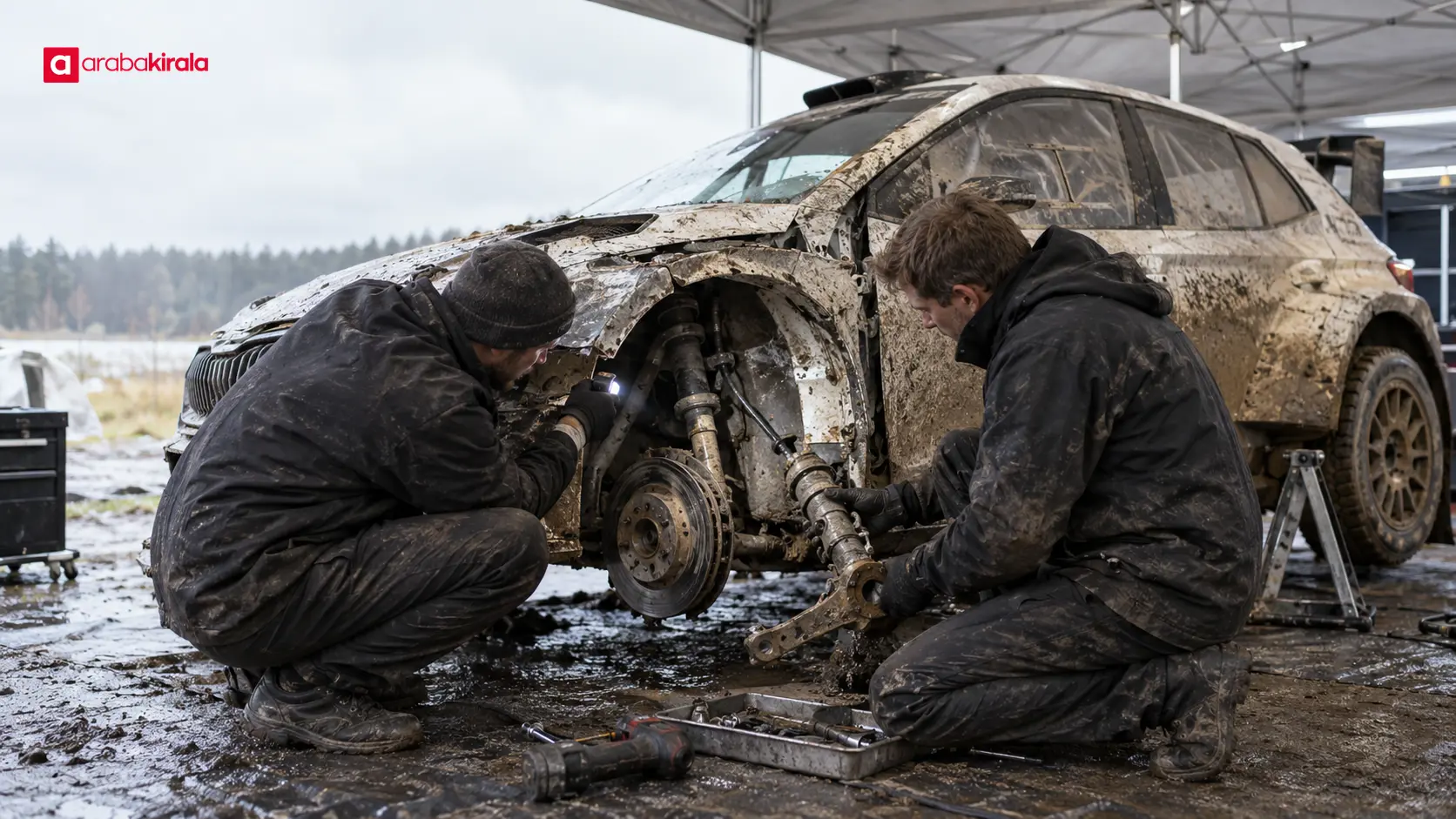
The car may need to be recovered to service or assessed by the event’s technical officials. The type of damage, whether repairs are feasible and whether the vehicle can be operated safely all matter. Sporting eligibility does not override the requirement for a car to be safe and technically suitable. Safety assessment is a central part of any decision to return.
3. Repairs, checks and a restart
The team works to restore the car to an appropriate condition and completes the checks required by the event. The exact checks depend on the damage, the vehicle and the applicable procedures. The crew can restart only in line with the officials’ decisions and the event schedule. The label “Super Rally” should not be taken as a guarantee that every crew will receive a restart.

Why time penalties matter
A crew that returns does not have the time for uncompleted stages simply removed from its record. Sporting regulations set a time or penalty method for those stages so that crews can be compared consistently in the classification. The resulting penalty can have a substantial effect on total time and overall position.
The details of a penalty are set out in the regulations for the relevant season, the rally’s official documents and its published results. Stage type, event format or amendments to the rules can affect how a case is handled. A penalty seen at one rally should not be treated as a universal value for another. Comparing stage results with the overall classification helps explain why a crew’s position may not match its pace on a particular stage.
Is Super Rally the same as restarting during a stage?
Not every return to motion is a Super Rally restart. A car that pauses briefly during a stage may continue that same stage if conditions are safe and officials’ directions allow it. That is different from a crew that cannot complete a stage and returns on a later rally day.
Likewise, an interruption caused by a red flag, a blocked route or an organiser’s decision may be handled under a separate sporting procedure. Each situation has its own rules. A news report saying that a crew “returned” may not identify the procedure used, so the official classification and event report provide better context.
How spectators can follow the results
- Separate stage times from the overall classification: A fast time on one stage does not cancel earlier penalties or lost time.
- Check the official classification: Provisional and final results can differ, so follow official event updates.
- Use the rules for that event: The season’s regulations and the rally documents explain the applicable details.
- Keep technical eligibility distinct from sporting position: Permission to restart depends on the car’s safety and suitability.
This makes it easier to understand more than the headline that a crew has returned. Reading stage times, penalties and the final classification together gives a clearer picture of how the rally unfolded.
Frequently asked questions
Can a crew that restarts under Super Rally still win?
A restart does not determine a finishing position. Previous losses, performance on the remaining stages, penalties and the results of other crews all shape the classification. The crew’s prospects depend on what happens over the rest of the event.
Does the car need repairs before it can restart?
The car must be safe and suitable to compete. The required technical assessment and repair work depend on the damage and the event procedures. The existence of a later restart opportunity is not, by itself, enough.
Does Super Rally work the same way at every WRC event?
The broad purpose is to regulate a return to competition, while the details are set by the current FIA sporting regulations and the event’s official documents. Check the applicable season’s rules and the rally’s official notices.
Why does a penalty affect the crew’s total time?
The penalty defines how uncompleted stages count in the sporting classification. It allows returning crews to be ranked within a common framework alongside crews that completed the stages on schedule.
Summary and next step
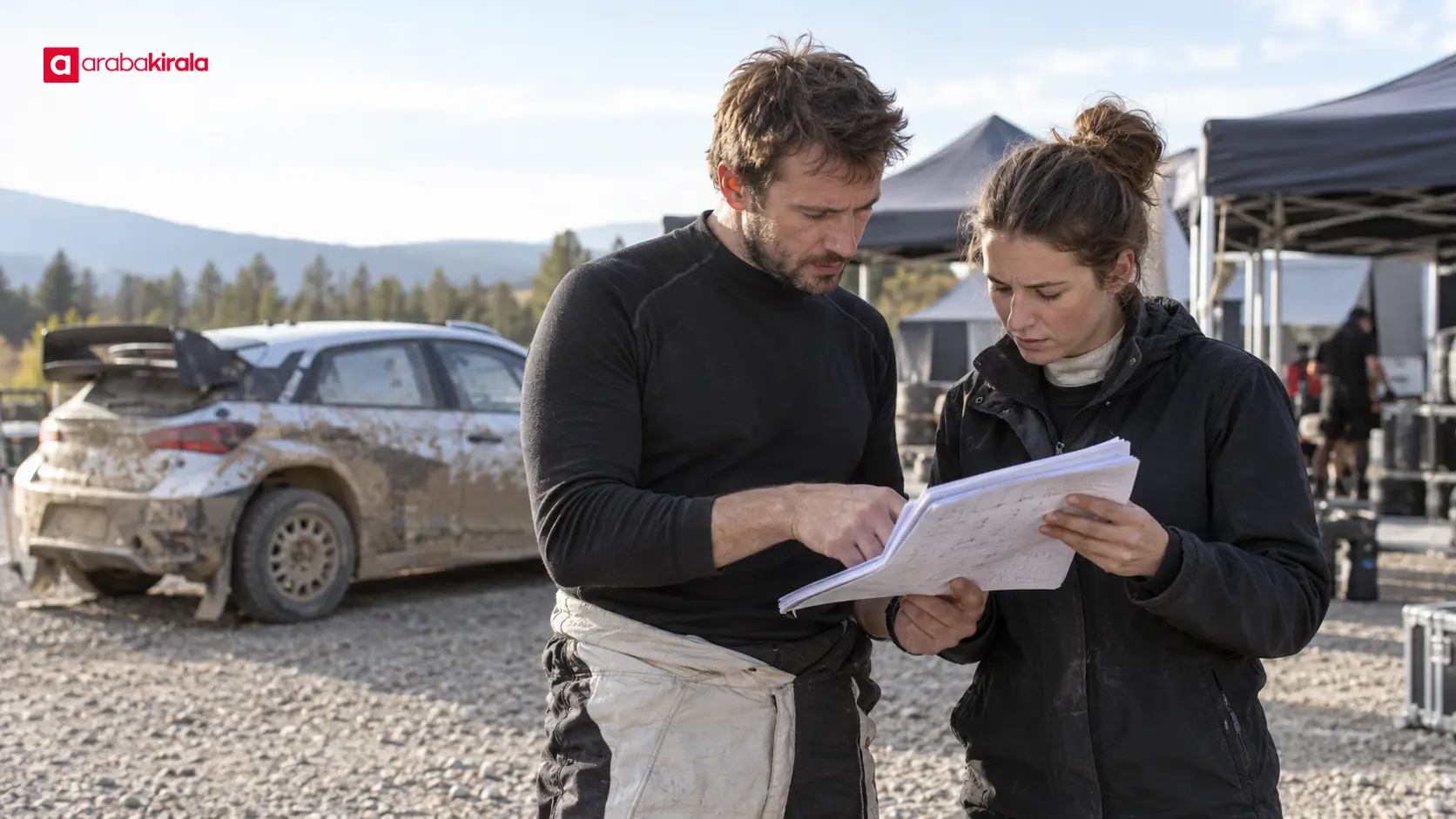
WRC Super Rally is a regulated way for a crew that could not complete a stage to return later if the car’s condition and event procedures permit it. The restart does not remove lost time: penalties and subsequent stage performance continue to shape the result. To understand a specific rally, consult the FIA sporting regulations for that season, the event’s official documents and the final classification.
Legal Disclaimer: All content, articles and information on the Araba Kirala website are provided solely to inform users. No information shared on this website constitutes definitive advice or guidance. Araba Kirala Teknoloji A.Ş. and its authors cannot be held responsible for any direct or indirect damages arising from the application of information on the website. For all questions and requests regarding car rental, please contact the office from which you will rent your vehicle.