How Wheelbase and Turning Circle Affect Maneuvering Space
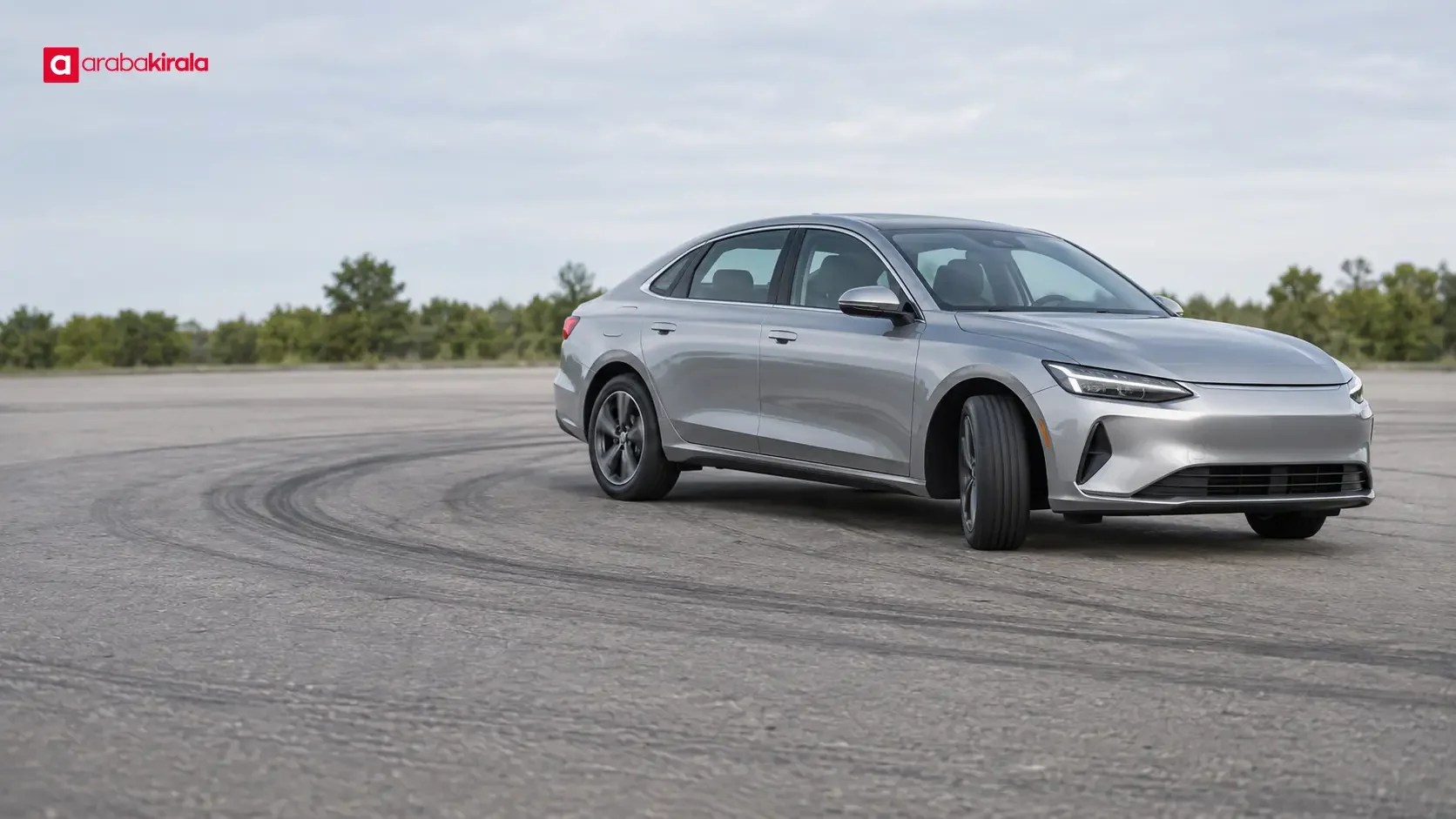
Wheelbase is the distance between the centers of a vehicle’s front and rear wheels. A turning circle describes the space a vehicle needs to complete a tight turn, using a defined part of its path as the reference. Together, these measurements can help drivers think ahead about parking garages, narrow streets, and U-turns. Neither number tells the whole story: steering geometry, body width, and the overhangs beyond the axles also affect the space a car occupies.
Understanding these terms is useful when choosing a vehicle for routes with tight corners or limited parking. Technical specifications can offer a helpful starting point, but read the measurement definition alongside the number. Two published turning figures may use different reference points, and real maneuvering also depends on the available space, the surface, and how the driver positions the car.
What does wheelbase measure?
Wheelbase is the longitudinal distance between the centerlines of the front and rear axles. Specifications usually express it in millimeters. It is different from overall vehicle length. Bumpers and other bodywork can extend beyond the axles, adding to the vehicle’s total length without changing its wheelbase.
The spacing between the axles affects the path a vehicle follows while turning. In a simplified steering model, wheelbase and the angle of the front wheels are related to turning radius. With a similar steering angle, a longer wheelbase will generally require a wider turning path. This is a geometric tendency, not a complete prediction for every car: steering design, wheel angles, vehicle width, and body shape all matter in practice.
Turning radius, turning circle, and turning diameter
Turning radius is the distance from the center of a circular path to the point used as the measurement reference. Turning diameter spans across that circle through its center; for the same circle, the diameter is twice the radius. Specifications may use terms such as turning circle or turning diameter. Check the definition and unit rather than comparing figures by number alone.
A measurement might trace the path of the outer front wheel, or it might account for the vehicle’s outer body boundary. A body-based figure can be more relevant when estimating how much clear space the car needs, while a tire-path figure may not include the sweep of body corners. When looking at values from different sources, confirm that they describe the same kind of measurement. A published figure does not guarantee that every tight parking maneuver will be possible in a particular space.
How wheelbase affects maneuvering
A longer wheelbase means the front and rear axles sit farther apart. For a comparable steering angle, the vehicle’s turning geometry may form a wider arc. This can make a single-move U-turn or a tight turn in a confined area more difficult. During a turn, the rear wheels follow a path inside the front wheels’ path. That difference, sometimes called off-tracking, matters near curbs, walls, and parked vehicles.
A shorter wheelbase tends to allow a tighter path under similar steering conditions, which can help when changing direction in a small space. But it does not follow that every short-wheelbase car is easier to park. Overall length, body width, steering lock, front and rear overhangs, and visibility also shape the maneuver. A compact-looking car can have a larger turning circle than another vehicle if its steering design differs.
Wheelbase alone also cannot tell you whether a car will ride comfortably or handle well. Those qualities depend on other design elements, including suspension, tires, and weight distribution. For maneuvering, wheelbase is useful because it helps explain one part of the turning geometry; it should not be treated as a summary of the car’s entire driving character.
Reading turning figures for everyday driving
Parking spaces and garage ramps
Columns, walls, painted lines, and neighboring vehicles reduce the room available in a garage. A smaller turning circle may let a driver change direction with fewer corrections, but access-lane width and the vehicle’s overall dimensions remain important. Consider both the parking bay and the route into it: a space may be large enough once reached, while the approach requires a difficult turn. On a ramp, leave room for the body corners as the steering angle changes.
Narrow streets and U-turns
Street width, raised curbs, parked cars, and oncoming traffic can make the usable area very different from a specification sheet’s idealized figure. A turn may require more than one movement. That does not, by itself, indicate a vehicle problem; it may simply reflect limited room. Reduce speed, check the surroundings, and pause to reposition when needed to complete the maneuver safely.
Allow for body overhang
Because bumpers extend beyond the axles, the path of the tires is not the same as the space occupied by the body. As the front turns close to a corner, the rear outside corner can swing outward; the rear wheels may also approach the inside edge of the turn. Watch the full vehicle envelope, not just the wheels. Use parking sensors or a camera as aids when available, while continuing to check around the car.
Which vehicle dimensions should you consider together?
For maneuvering space, look at wheelbase and turning circle alongside overall length, body width, front and rear overhangs, and the turning measurement definition. Manufacturer specifications may apply to a particular version of a vehicle. Different body styles or equipment configurations can have different dimensions, so use technical information that matches the vehicle version you are considering.
- Think about your route: Consider the width of the streets, garage approaches, and turning points you use.
- Read the measurement definition: Find out whether the turning figure follows a wheel path or includes the body boundary.
- Include the full dimensions: Wheelbase makes more sense when considered with overall length and width.
- Get familiar with the car: Before setting off, learn the mirrors, gear selector, camera, and sensor limitations.
If the exact model or dimensions of a rental vehicle depend on the vehicle group shown in your reservation, ask the branch where you will collect it for those specifics. For a particular parking space, assess the dimensions and the approach together instead of relying on a broad vehicle-class label.
Practical tips for safer maneuvers
Before moving, check around the car, including its rear sides, low obstacles, pedestrians, and areas that are hard to see. Adjust your seat and mirrors before setting off. Keep your speed low in a confined area and steer smoothly. Treat camera views and sensor alerts as aids to your own observation: a system may not detect every obstacle, and a camera image can make distances difficult to judge.
If there is not enough room to complete a turn, stop and reassess instead of forcing the maneuver. When appropriate, choose a wider, safe place to turn. Do not assume the rear is clear while parking; the front corners also move sideways as the car turns. Becoming familiar with a vehicle’s dimensions in a spacious, safe area away from traffic can help you judge its basic maneuvers at low speed.
Frequently asked questions
Does a car with a shorter wheelbase always turn in less space?
No. With similar steering geometry, a shorter wheelbase tends to help produce a tighter turn, but steering angle and body dimensions can change the result. When comparing vehicles, review the manufacturer’s turning figure and how it is measured.
Is a car with a small turning circle always easier to park?
A small turning circle can help when changing direction in a tight area. Parking also depends on overall length and width, visibility, the shape of the space, and the driver’s familiarity with the car. One measurement cannot describe every parking situation.
Are turning radius and turning diameter the same?
No. Radius is the distance from the center of a circle to its edge. Diameter goes from one edge to the other through the center; for the same circle, it is twice the radius. Check which term and measurement method a specification uses.
Can a long-wheelbase vehicle be used on narrow streets?
Wheelbase alone cannot answer that. Street width, turning circle, body overhangs, and the room available to maneuver all matter. Slowing down and completing a turn in several movements when necessary can support safe driving.
Legal Disclaimer: All content, articles and information on the Araba Kirala website are provided solely to inform users. No information shared on this website constitutes definitive advice or guidance. Araba Kirala Teknoloji A.Ş. and its authors cannot be held responsible for any direct or indirect damages arising from the application of information on the website. For all questions and requests regarding car rental, please contact the office from which you will rent your vehicle.