How Windshield Chips and Cracks Affect Visibility and Safety
Published: October 10, 2026 • Reading Time: 7 min • Last Updated: October 10, 2026
Learn how chips and cracks can distort a driver’s view, what signs make damage a safety concern, and how to inspect a rental car’s windshield at pickup.
Contents
A stone chip or crack in the windshield is more than a cosmetic blemish. It can scatter light, distort what the driver sees, and make it harder to focus on the road. This guide explains why windshield damage matters for visibility, which signs raise concern, how to respond safely, and what to inspect when collecting a rental car.
The windshield supports visibility and vehicle safety
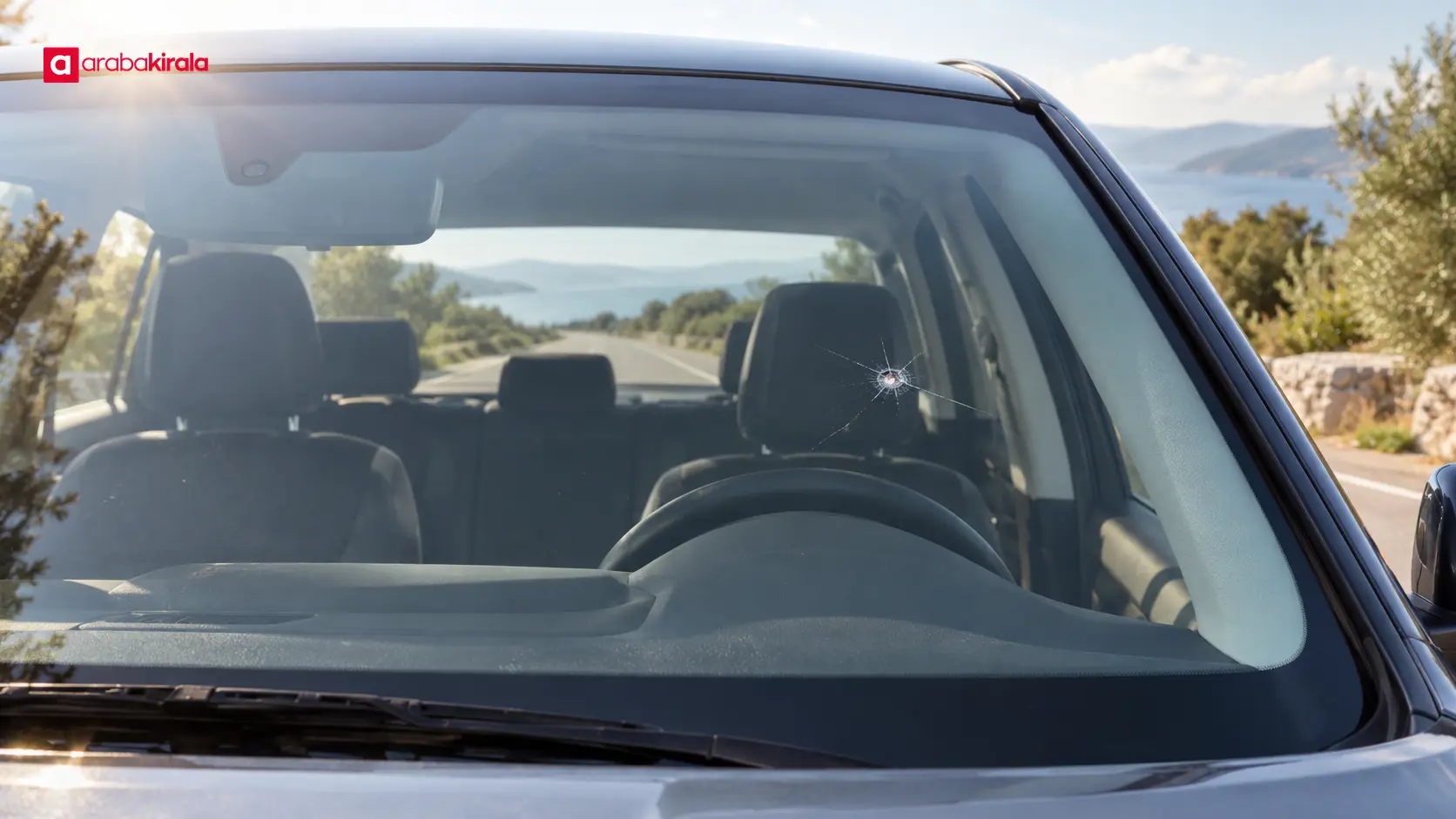
The windshield provides a clear view of the road, traffic signs, and movement around the vehicle. A pit, star shaped mark, or fine crack can create distracting glare even when it looks small from outside. Low sun in the morning or evening may scatter across a damaged surface. Headlights can produce a similar effect at night, especially when they shine toward the affected area.
The windshield is also part of a vehicle’s structure and, in some designs, helps support the intended deployment of the passenger side airbag. The effect of damage depends on the glass, its location and extent, and the vehicle design. Small appearance alone does not prove that a damaged windshield is safe. A crack that affects the view or appears to be spreading should be assessed by a qualified professional.
How a chip differs from a crack
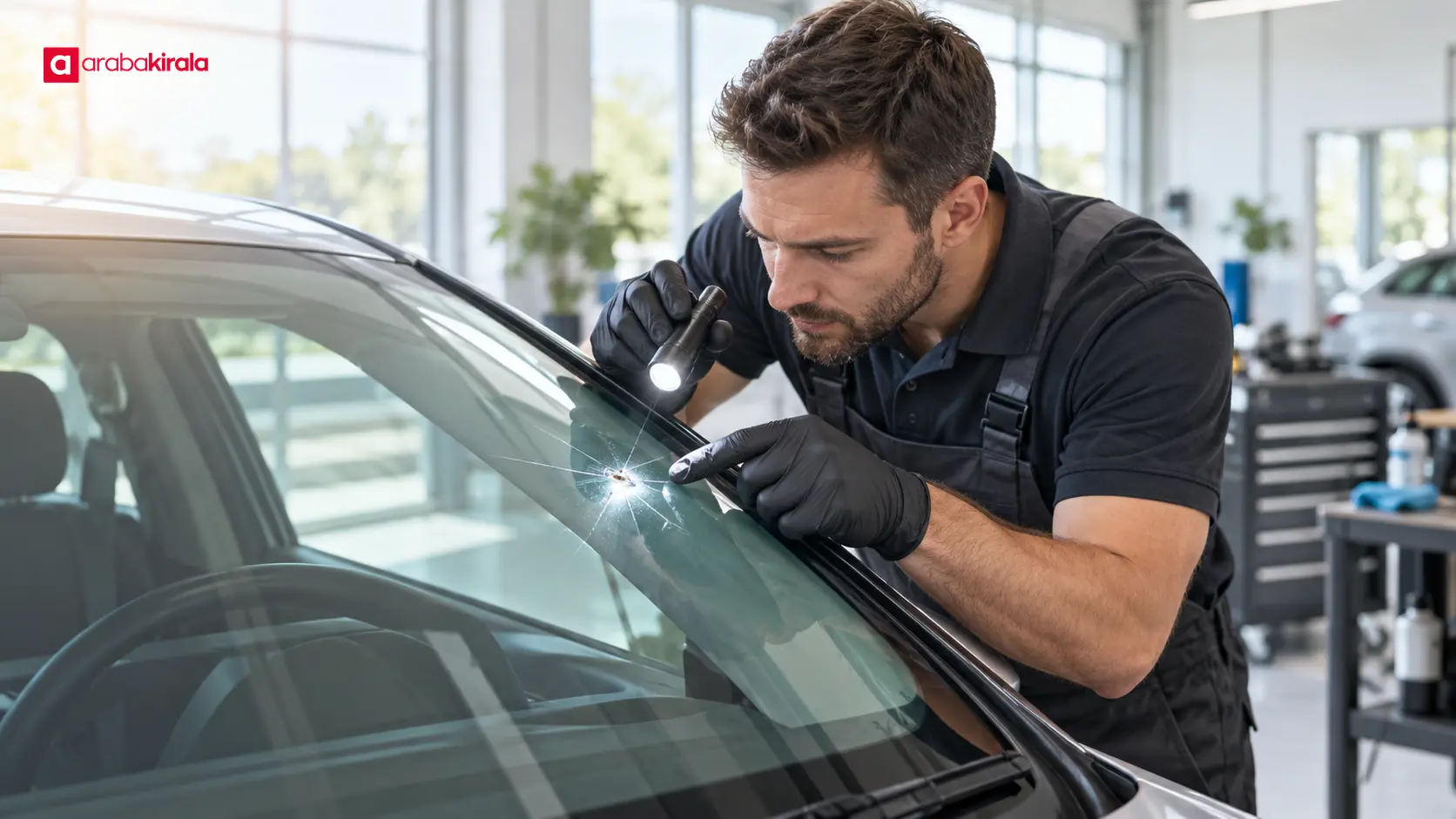
A chip is usually a localized mark caused by a small piece of road debris striking the glass. It may leave a pit, a ring around a central point, or short lines radiating outward. A crack is a line of separation that extends across the surface. A chip may start as a small mark, while changes in temperature, vibration, or impact can contribute to further spreading. Damage does not always develop in the same way, so its appearance alone is not enough to choose a repair method.
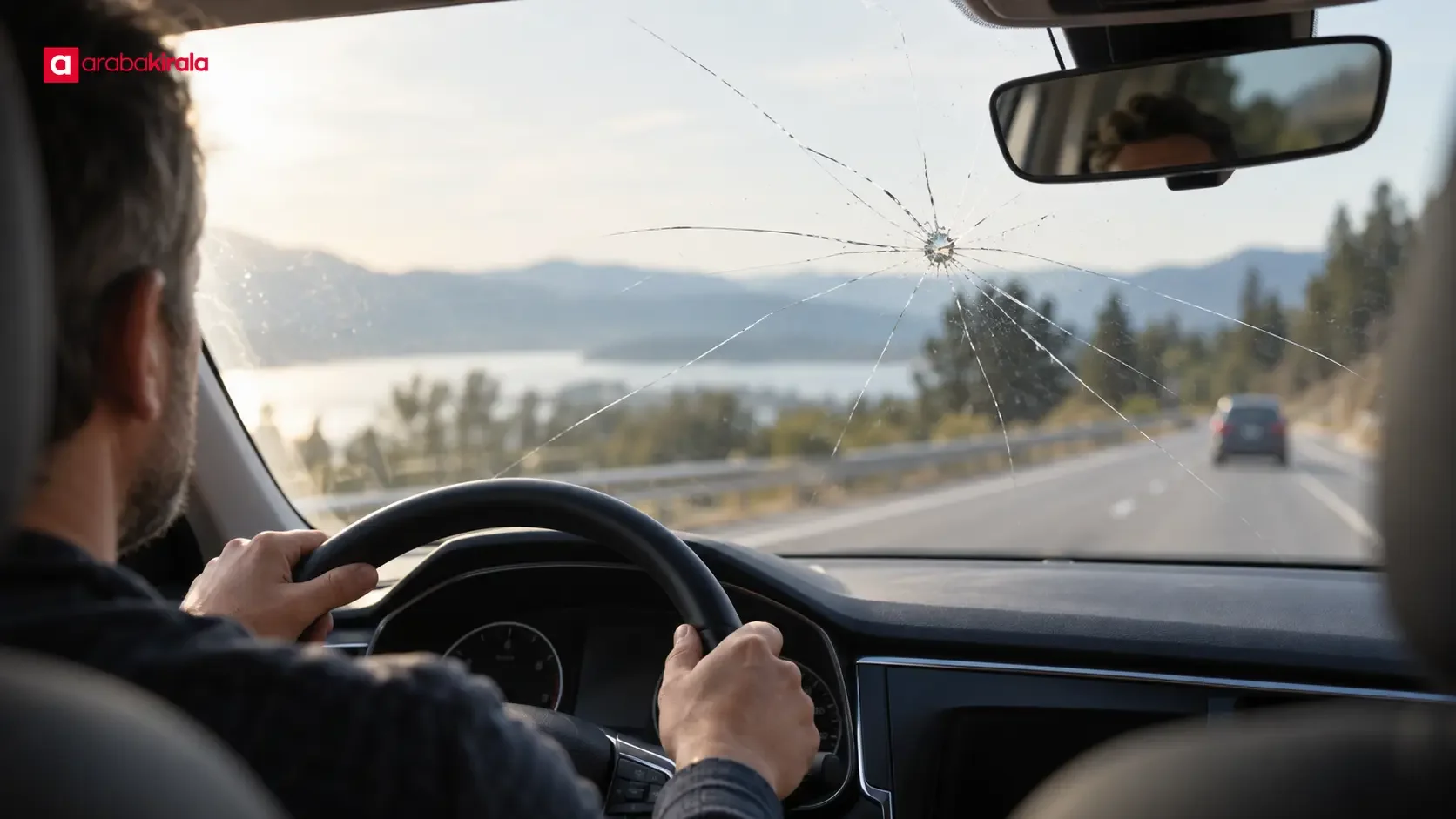
Location matters as much as size. A mark in the driver’s direct line of sight can blur or distort details on the road. Damage near the edge of the glass may also affect its integrity as it spreads. Whether a mark sits in the driver’s view is best checked from the driver’s seat; looking at the windshield from outside cannot answer that question reliably.
Signs that damage may affect safe visibility
- Distorted images: If a vehicle, pedestrian, or lane marking looks doubled or bent through the damaged area, the windshield may be interfering with the view.
- Scattered light: Glare around a chip or crack from the sun, streetlights, or headlights can become distracting, particularly at night or in direct light.
- A spreading line: A crack that has grown since it was first noticed indicates that damage is progressing. Vibration and temperature changes can influence that process.
- Wiper interference: If the damaged area catches the wiper blade, the blade may not clear water evenly or may move irregularly.
- Several damaged spots: Separate marks can affect a wider portion of the view and make an overall inspection of the glass more important.
If you notice one of these signs, have an auto glass professional assess the vehicle instead of assuming that the damage is harmless because it has not yet caused a problem. If your view is significantly obstructed, stop in a safe place and seek assistance rather than continuing to drive. Pressing on the glass, scraping the crack, or applying household adhesive can worsen the damage and complicate a proper assessment.
Reducing strain on damaged glass
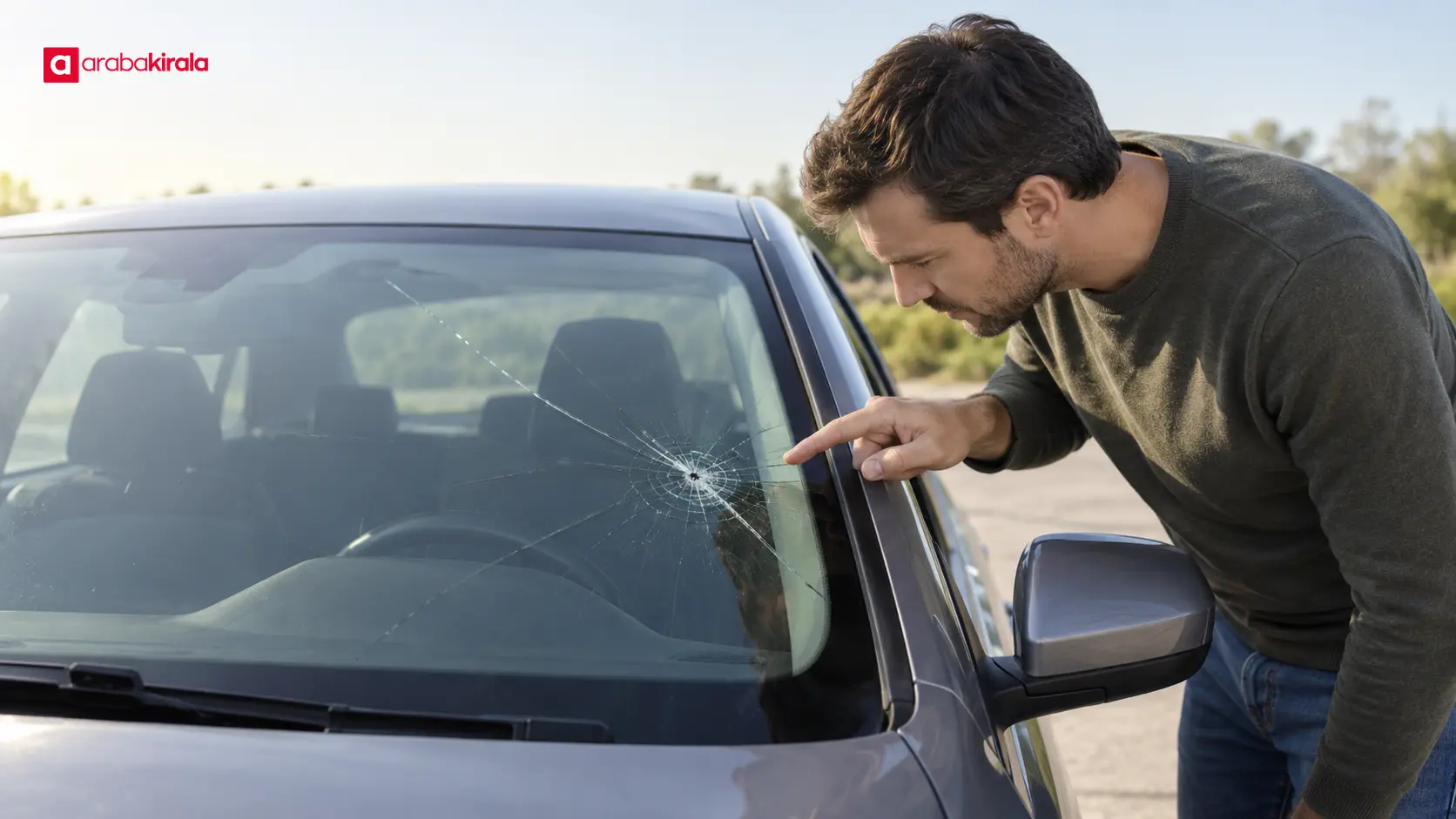
Once damage is noticed, the immediate aim is to avoid unnecessary conditions that could stress the glass before it can be assessed. Rapidly heating or cooling the cabin, or directing hot or cold air straight at the damaged area, may increase stress. Avoiding hard impacts on rough roads and keeping a safe following distance can also help reduce exposure to new road debris. These steps do not repair the windshield; they are precautions while arranging an assessment.
Do not touch the damaged area or place objects against it. If the damage interferes with your view, consider an appropriate assistance option instead of driving the vehicle to a workshop. Even when a mark looks minor, a professional will consider how it runs, how close it is to the glass edge, and whether it lies in the driver’s line of sight. A specialist who can inspect the windshield should decide whether repair or replacement is suitable.
Inspecting a rental car windshield at pickup
When collecting a rental car, inspect the windshield in good light and from more than one angle. Sit in the driver’s seat in a normal driving position and scan the full field of view. If you see a chip, a line shaped crack, damage where the wipers travel, or noticeable glare, point it out to the staff member before setting off. Ask for the existing damage to be recorded in the handover documentation and for instructions on what to do next.
Photos or video can help document the visible condition at pickup. Keep the date and time information if it is available, and show the record to the branch staff so the affected area is clear. A photo does not replace the rental paperwork: review the damage section of the handover record and the explanation you receive. If the damage affects your view, ask the branch how to proceed safely before driving; you can also ask what options are available if the vehicle should not be used.
Read the rental agreement sections on reporting damage, roadside assistance, and how glass damage is handled. Do not assume a particular deposit, insurance benefit, or charge applies; those are details that depend on the rental terms. The branch where you booked or the staff member handing over the vehicle can explain the relevant conditions. If a new chip occurs during the rental, stop somewhere safe before contacting the branch, and avoid actions that could make the damage worse.
What to do when visibility is affected
If a crack lies in your line of sight, creates glare, or is spreading, make safety the priority instead of continuing the trip. Bring the vehicle to a safe stop, notify the rental branch, and follow the directions given for a professional inspection. Do not set off with glass damage that significantly limits your view. For a vehicle you own, seek an assessment from an auto glass specialist. For a rental, document the damage with the branch and clarify the next step together.
In brief, the location of the damage, the glare it creates in different light, and whether it is spreading may tell you more than its apparent size. At pickup, check the windshield from the driver’s seat, report visible damage, and keep a clear record. If damage occurs later, notify the branch without trying to alter it. When visibility is at risk, stop driving and arrange help.
Frequently Asked Questions
Is it safe to drive with a small windshield chip?
Its small appearance does not establish that it is safe. A chip in the driver’s view, one that scatters light, or one with a spreading crack may affect visibility. Have an auto glass professional assess it, and do not drive if your view is obstructed.
Why can a windshield crack spread when temperatures change?
Glass expands and contracts as it warms and cools. That change can put stress around a damaged area, while road vibration may also influence how a crack develops. The outcome varies by damage, so a growing crack calls for professional assessment.
Why can windshield damage be more noticeable at night?
Headlights and streetlights can scatter across damaged glass, creating glare or distortion. Damage directly in the driver’s view can be especially distracting in darkness or when bright light approaches from ahead.
What should I do if I find windshield damage on a rental car?
Before leaving, show existing damage to the staff member and ask for it to be included in the handover record. If new damage occurs during the rental, stop somewhere safe, contact the branch, and follow the reporting process in your agreement.
Can I seal a windshield crack myself as a temporary fix?
Scraping, pressing on the glass, or applying an unverified substance may worsen the damage and make a professional assessment harder. Leave the damaged area alone and ask a specialist whether repair or replacement is appropriate.
Does every windshield crack require replacement?
No. The decision depends on the type, location, size, and progression of the damage, as well as the vehicle’s glass design. It is not possible to choose a repair method with certainty just by looking from outside; ask an auto glass specialist to inspect it.
Legal Disclaimer: All content, articles and information on the Araba Kirala website are provided solely to inform users. No information shared on this website constitutes definitive advice or guidance. Araba Kirala Teknoloji A.Ş. and its authors cannot be held responsible for any direct or indirect damages arising from the application of information on the website. For all questions and requests regarding car rental, please contact the office from which you will rent your vehicle.