Winter Birdwatching on the Konya Plain: Season, Binoculars and a Road Trip Plan
Published: October 8, 2026 • Reading Time: 7 min • Last Updated: October 8, 2026
Plan a winter birdwatching trip on the Konya Plain with guidance on wetlands, seasonal conditions, binoculars, respectful observation and driving preparation.
Contents
- Why explore the Konya Plain in winter?
- Choose the season and observation time
- Use current conditions, not a fixed promise
- Check the forecast and road conditions together
- Choosing and using binoculars
- Observe wetlands with care
- Getting there by car and preparing for the outing
- How to shape a practical day route
- Summary and next step
- Frequently Asked Questions
This guide explains how to plan winter birdwatching in Konya: how to research wetlands, account for seasonal conditions, use binoculars, and prepare for a safer drive. Seeing birds is never guaranteed. Water levels, weather, daylight and the birds’ natural movements all shape what you may observe. Build the trip around patient observation and good preparation rather than a promise of particular species.
Why explore the Konya Plain in winter?
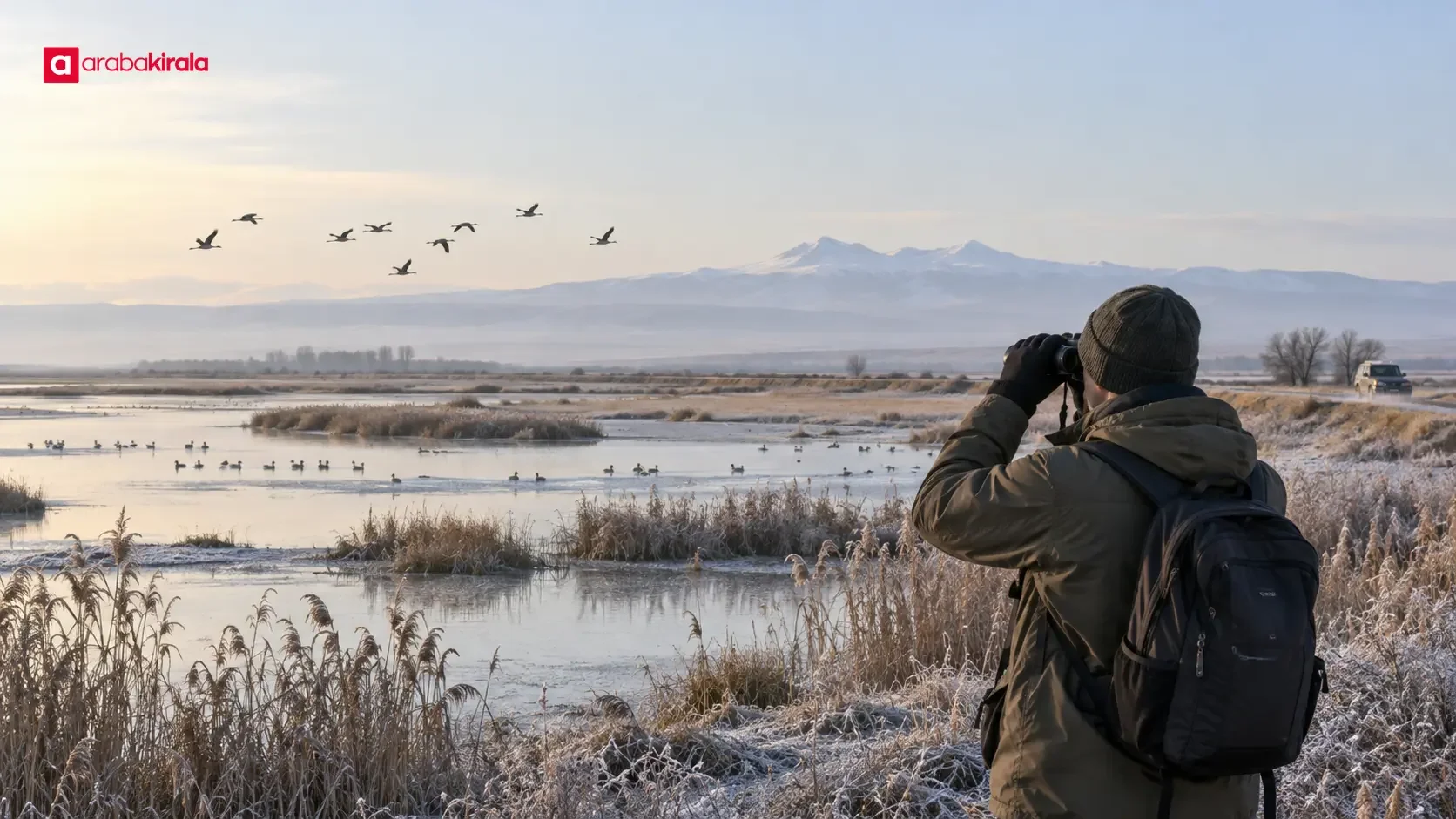
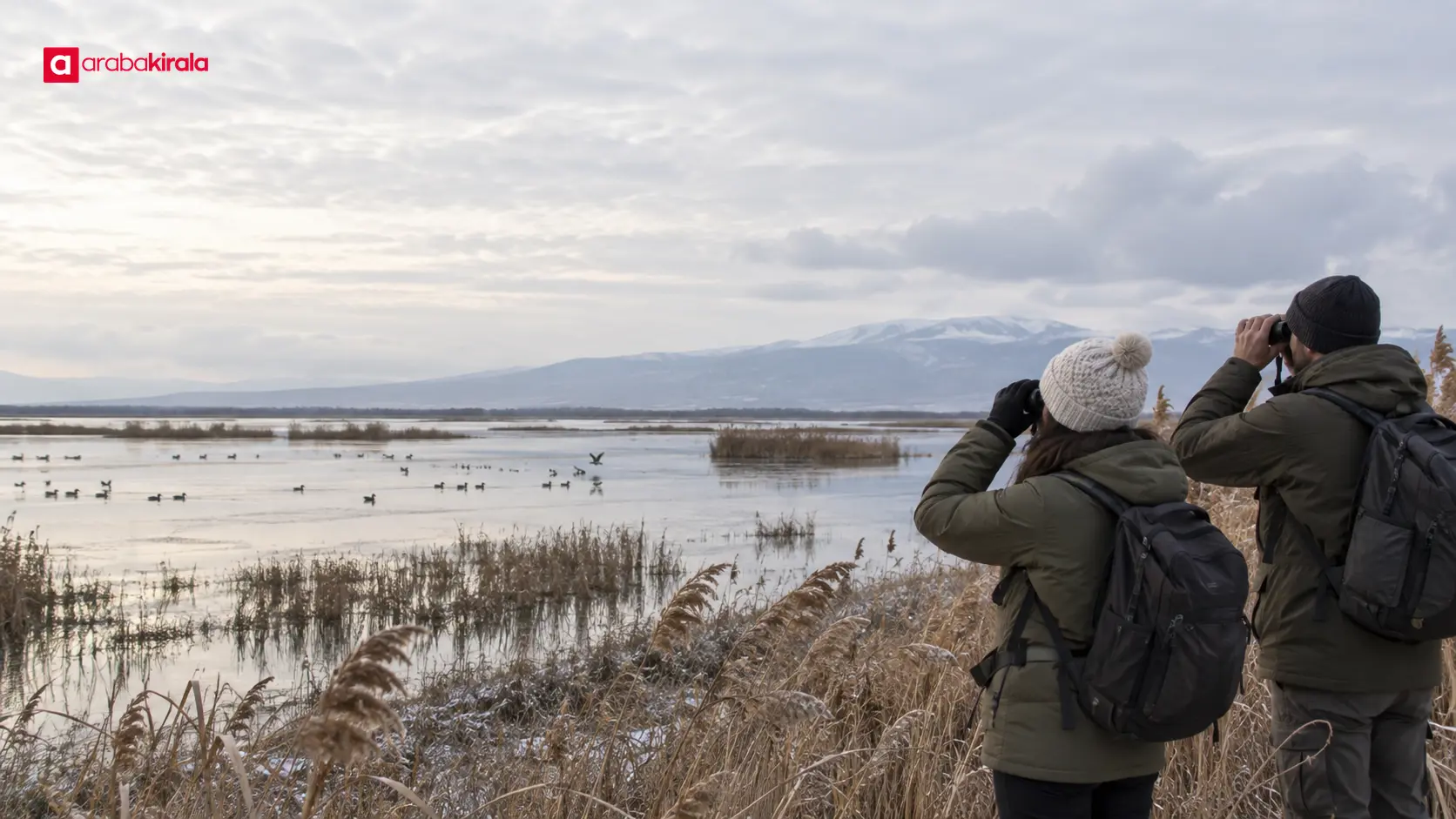
Wetlands can remain important places for waterbirds to feed, rest and spend the winter. The Directorate General of Nature Conservation and National Parks lists sites in Konya including Kozanlı Gökgöl, Çavuşçu Lake and Ereğli Marshes. The regional directorate also included Kozanlı Gökgöl among the sites surveyed during its 2023 Midwinter Waterbird Census. This establishes the area’s relevance to wetland observation; it does not establish which birds are present today or what a visitor will see.
With less leafy cover, some birds may be easier to spot across open winter landscapes. At the same time, cold, wind, fog, changing water levels, frozen surfaces and shorter daylight can affect the outing. Türkiye’s Meteorological Service describes Konya’s winter climate as cold. Seasonal averages are useful context, but check the forecast for the specific day and district before setting out.
Choose the season and observation time
Use current conditions, not a fixed promise
Winter spans changing bird movements and wetland conditions, so no single month can be called best for every species. Before choosing a site, look for current information about water conditions, access to observation points and any temporary restrictions. Official site listings describe a wetland’s designation and general character; they do not confirm that a particular facility is open or that a route is passable on your visit date.
Early daylight can offer attractive light and activity, but setting out in darkness when frost or ice is possible calls for extra care. For a first visit, travelling in daylight makes it easier to recognize the area and its access roads. Leave enough time to return before dark, when visibility and temperatures can change quickly.
Check the forecast and road conditions together
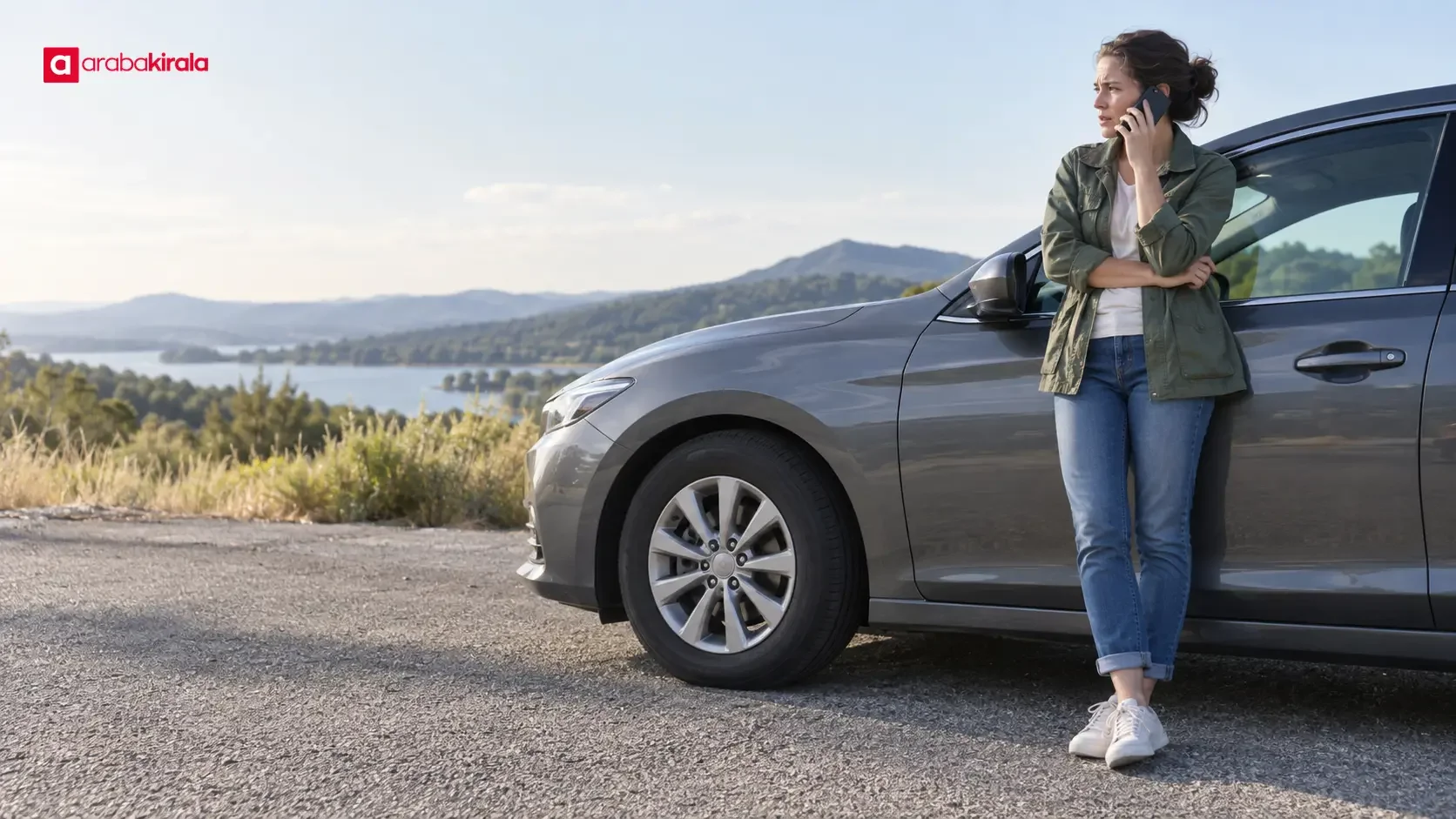
Before departure, check temperature, precipitation, wind, fog and any warnings. Rural roads near the plain may be narrower, darker or more slippery than main routes; a navigation app’s shortest suggestion is not automatically the safest. In fog or rain, slow down, maintain a generous following distance and preserve visibility. If the road surface is unsafe or an official warning advises against travel, postponing the trip is a sensible choice.
Choosing and using binoculars
You do not need expensive or complicated equipment to begin birdwatching. Choose binoculars that feel comfortable in your hands and have an easy focus wheel. Magnification indicates how much closer an object appears; objective lens diameter affects light gathering. Higher magnification also makes hand movement more noticeable and can make a moving bird harder to find. Consider weight, field of view, focusing and comfort with glasses rather than choosing by magnification alone.
First locate a bird with your unaided eyes, then raise the binoculars while keeping your gaze fixed in its direction. Avoid sweeping them randomly across the landscape. Adjust the eyepiece spacing to your eyes and turn the focus wheel until the view is sharp. Bring your elbows closer to your body or rest against a stable support if you need steadier viewing. A tripod can help in some circumstances, but it is not essential for a first outing.
Using binoculars to observe from a distance is better than moving into the wetland to get closer. It improves the view while helping avoid disturbance. Trying to take a phone photo through binoculars can be fiddly; observe first and take photographs only from an appropriate distance. Step back if your approach causes birds to flee, stop feeding or repeatedly show alarm behaviour.
Observe wetlands with care
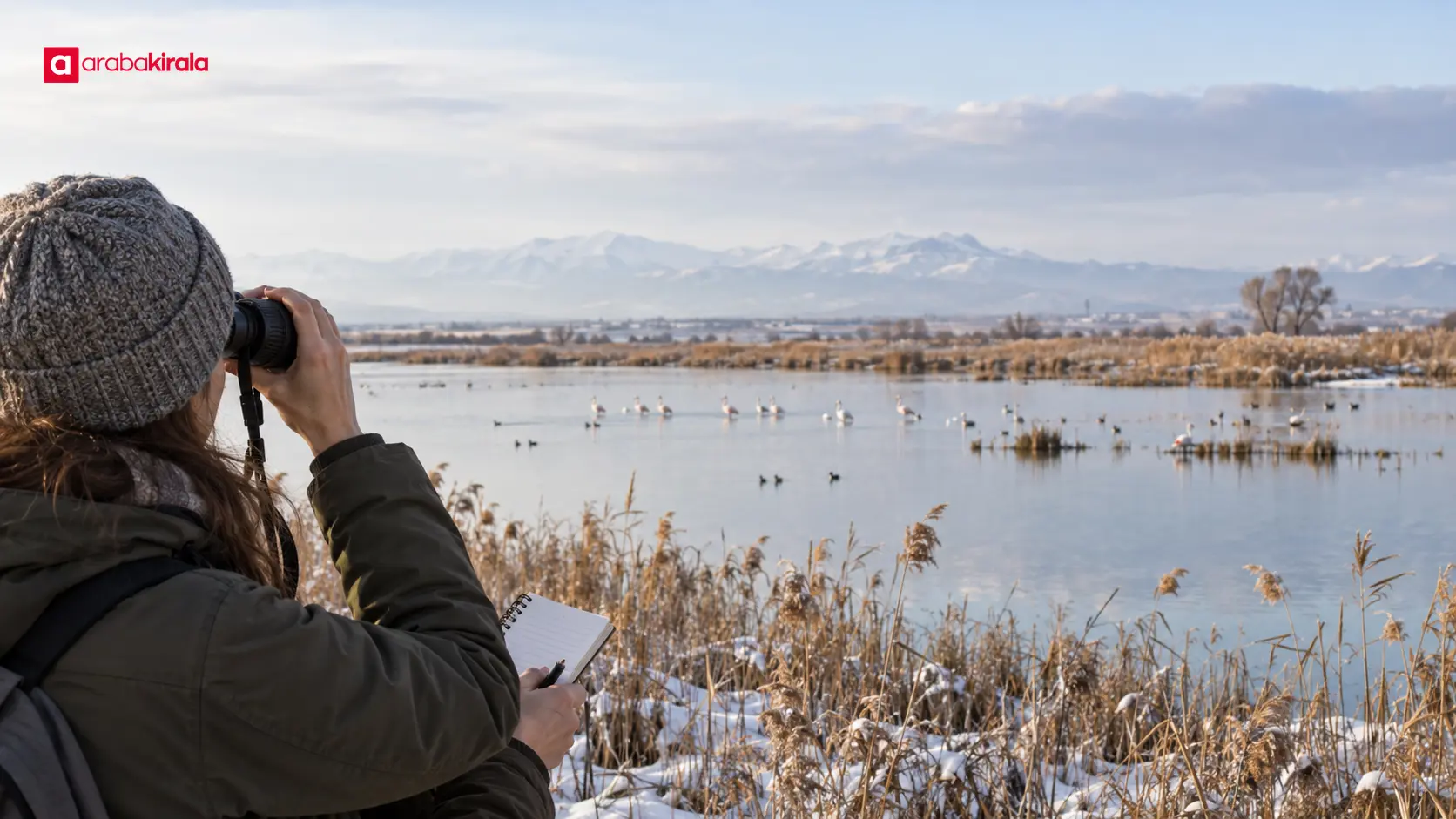
A protected wetland is habitat for wildlife, not simply a scenic stop. Use marked paths and observation points; do not enter reed beds, approach birds to make them fly, or call them with recordings or loud noises. Do not feed birds or leave litter, and do not drive onto shoreline vegetation or soft ground. Follow site notices and any directions provided by staff.
Field notes make a short visit more informative. Record the date, time, weather, approximate location and behaviour of what you observe. If you are unsure of a species, do not present a guess as a confirmed record. Note distinguishing features such as size, colour, bill shape and movement, then check them later with a reliable field guide. This improves observation regardless of photo quality or species count.
Getting there by car and preparing for the outing
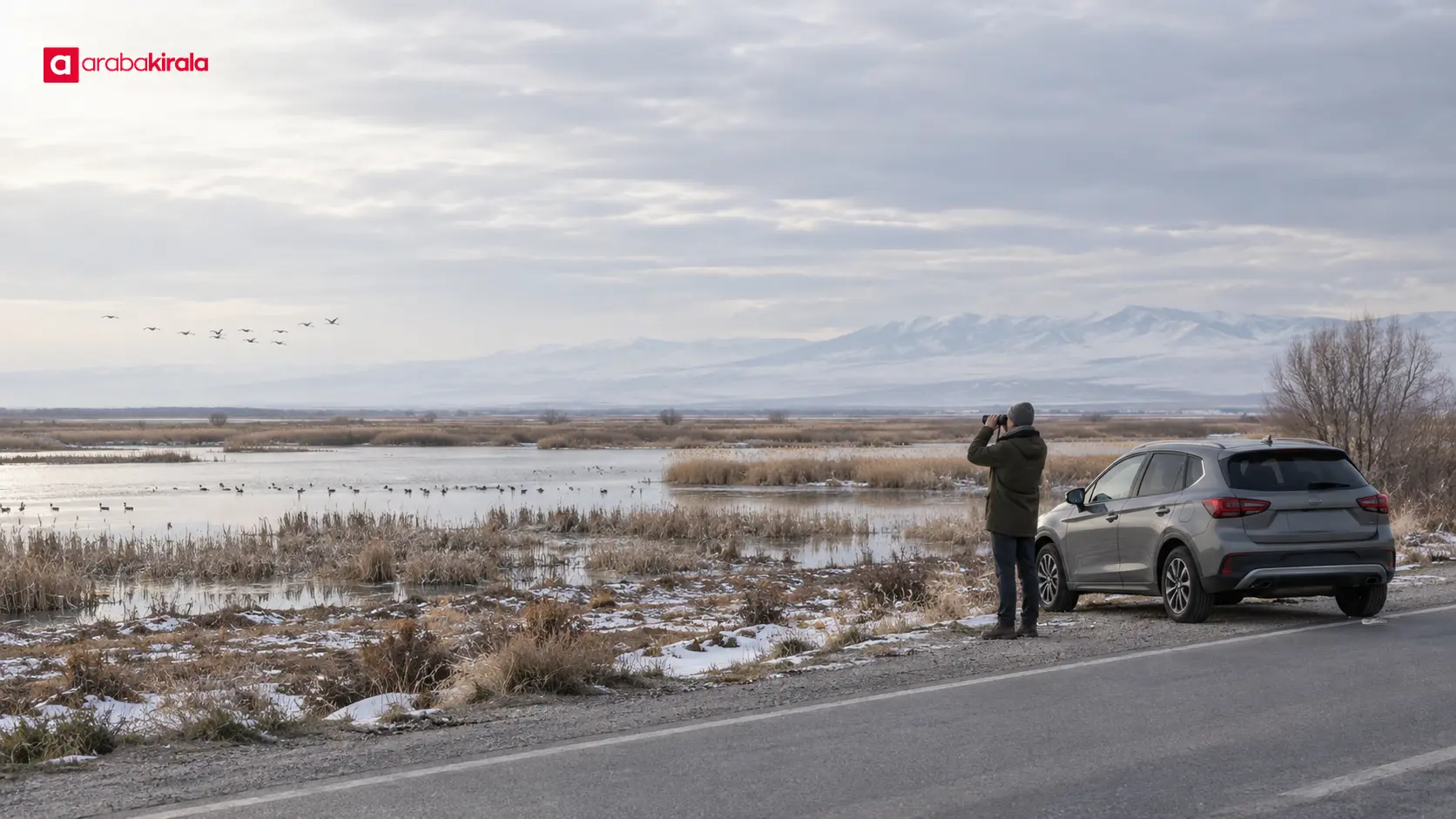
Wetlands around Konya can be spread beyond the city centre, so a car may make it easier to move between places during the day. Roads, parking and visitor facilities differ from site to site. Check the exact location, final road segment, current access and places where parking is permitted using up-to-date information. A listing that mentions a birdwatching tower or another facility does not by itself confirm that it is currently open or usable.
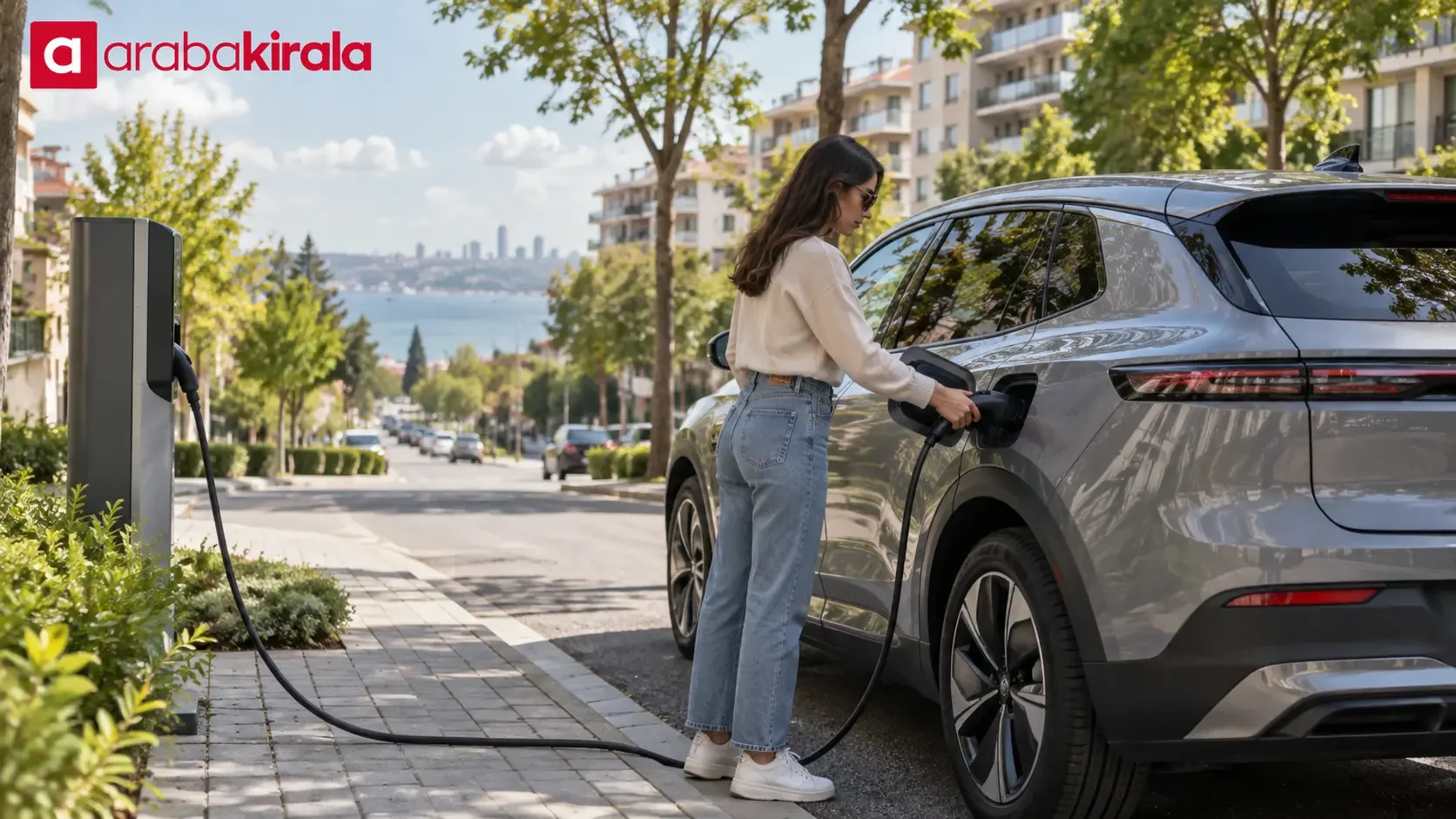
If you plan to use a rental car, tell the office you will be travelling on rural roads in winter. Ask about the vehicle’s current winter equipment and tyre condition, fuel or charging plans, how to reach roadside assistance, and reservation-specific points such as mileage, permitted use areas and pickup or return times. These details can vary by vehicle and office. At pickup, review existing exterior damage, the fuel or charge level and the odometer against the handover record; comparing the same indicators at return helps keep the trip orderly.
Pack binoculars, spare batteries, a phone power bank, water, snacks, warm layers and dry spare socks. Boots with suitable grip, gloves and a hat make it easier to spend time outdoors in the cold. Download an offline map before departure and leave fuel or charging capacity for the return journey. The driver should not use binoculars or a phone while driving; stop only in a safe, permitted place, park, and then observe.
How to shape a practical day route
Choosing one main wetland and one nearby alternative for a day is usually more useful than rushing between many sites. Start with the official list of Konya wetlands, select an area of interest, then check current access and weather before estimating travel time. Keep the alternative in mind if the first location has a road or access problem. Let weather and daylight set the length of your visit, and reserve time for quiet observation instead of chasing a species checklist.
- Before leaving: Check the forecast, road conditions, site access and vehicle plan.
- Pack: Bring binoculars, a notebook, warm clothing, water, a phone power bank and a bag to carry out your litter.
- On arrival: Scan the surroundings from a distance and identify observation points and site guidance.
- On the way back: Leave before dark and compare vehicle indicators with the handover record.
Summary and next step
A rewarding winter birdwatching trip in Konya depends on preparation, safe travel and leaving birds undisturbed. Kozanlı Gökgöl and Çavuşçu Lake are among the sites listed in official wetland information, but do not assume current bird presence or access. First check the official site information and the day’s forecast, prepare binoculars and suitable clothing, then confirm vehicle-specific details with the office you will rent from.
Frequently Asked Questions
Which birds can I see on the Konya Plain in winter?
Species vary with the date, weather and wetland conditions, so a particular sighting cannot be guaranteed. Konya’s wetlands are relevant to waterbirds. Check current site information or reliable observation records before your trip for a better sense of recent activity.
Which wetlands in Konya can I research for birdwatching?
The official wetland list includes Kozanlı Gökgöl, Çavuşçu Lake, Ereğli Marshes and other sites in Konya. Check current access, road conditions and conservation guidance separately before choosing one.
What binoculars do I need to start birdwatching?
Binoculars that are comfortable to hold, easy to focus and provide a sufficiently bright view are a good starting point. Higher magnification is not always better because it can exaggerate hand movement and narrow the field of view.
Can I drive right up to a birdwatching site?
That depends on the road, parking and visitor arrangements for the specific site. Leave the car only in a safe, permitted place and do not drive onto wetland edges or vegetation. Verify access information before travelling.
What should I confirm before taking a rental car onto winter rural roads?
Tell the rental office about your winter rural route and ask about the vehicle’s current winter equipment, roadside assistance and the use details in your reservation. Vehicle features and rental terms can vary.
Should I continue if there is fog or ice on the road?
If visibility or traction is not adequate for safe driving, do not set out or wait in a safe place and postpone the trip. Check current weather and road warnings instead of pushing on in risky conditions.
Legal Disclaimer: All content, articles and information on the Araba Kirala website are provided solely to inform users. No information shared on this website constitutes definitive advice or guidance. Araba Kirala Teknoloji A.Ş. and its authors cannot be held responsible for any direct or indirect damages arising from the application of information on the website. For all questions and requests regarding car rental, please contact the office from which you will rent your vehicle.