Winter Driving Around Mount Ilgaz: Plan for Weather and Road Conditions
Published: October 4, 2026 • Reading Time: 6 min • Last Updated: October 4, 2026
Plan a winter road trip around Mount Ilgaz by checking forecasts and official road updates together. This guide covers route preparation, vehicle readiness, careful driving, and how to adapt when conditions change.
Contents
- Why winter travel around Ilgaz needs a flexible plan
- Check the forecast and road information
- Read the forecast for the route and travel hours
- Use official road updates alongside your route map
- Prepare the vehicle and passengers
- Driving on snow, ice, and in fog
- Keep the Ilgaz itinerary adaptable
- Frequently asked questions
- What should I check first before driving to Ilgaz in winter?
- If the forecast looks clear, can I assume the road is safe?
- Will a rental car definitely include chains or winter equipment?
- What should I do if a road is closed?
- Final check before setting off
A winter drive around Mount Ilgaz takes more planning than choosing a destination and following a map. Check the forecast for your travel hours, review current road information, prepare the vehicle and passengers, and leave room to change plans. This guide explains how those steps work together, what to watch for on snow, ice, and fog, and how to make a sensible decision if conditions deteriorate.
Why winter travel around Ilgaz needs a flexible plan
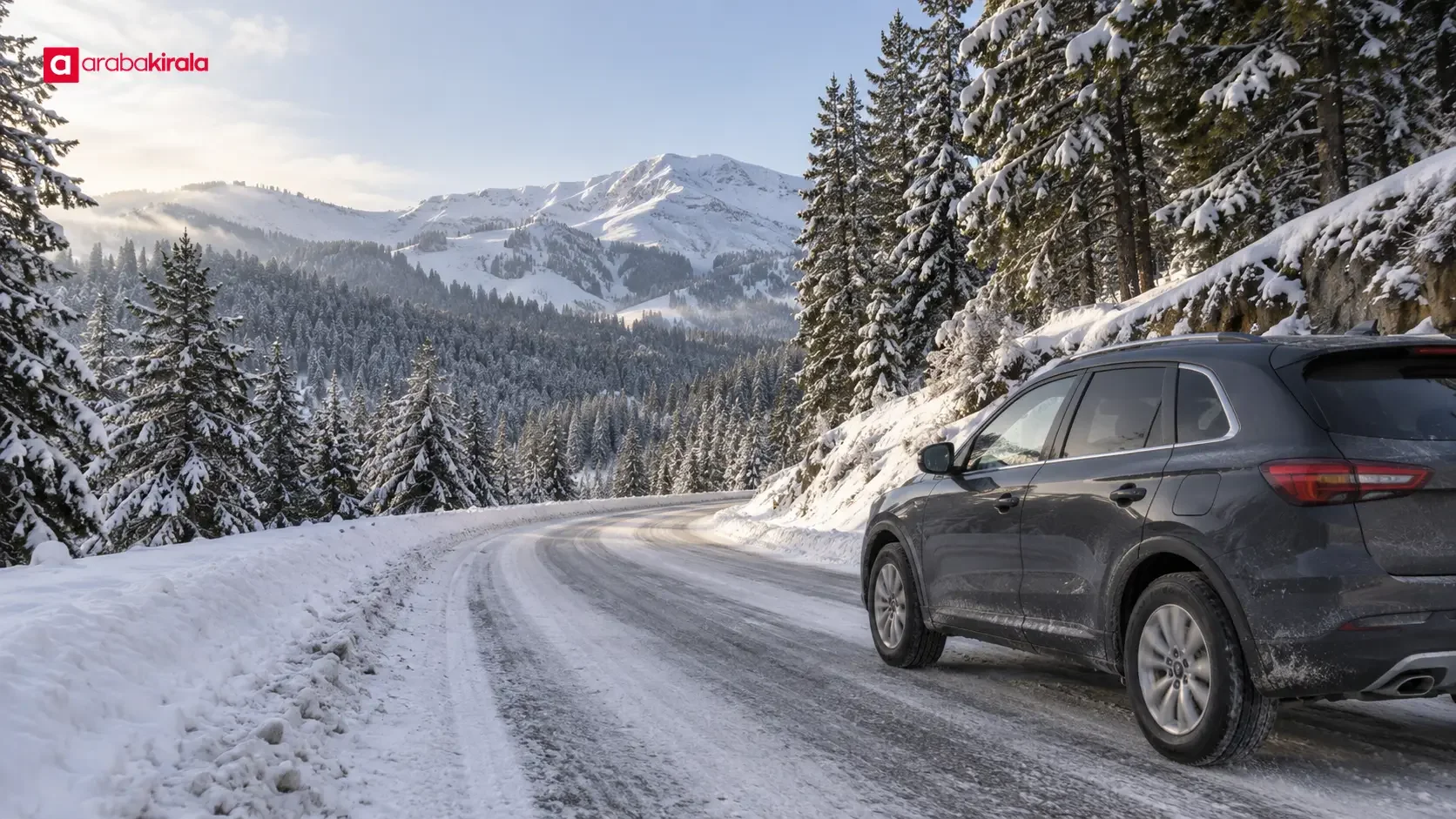
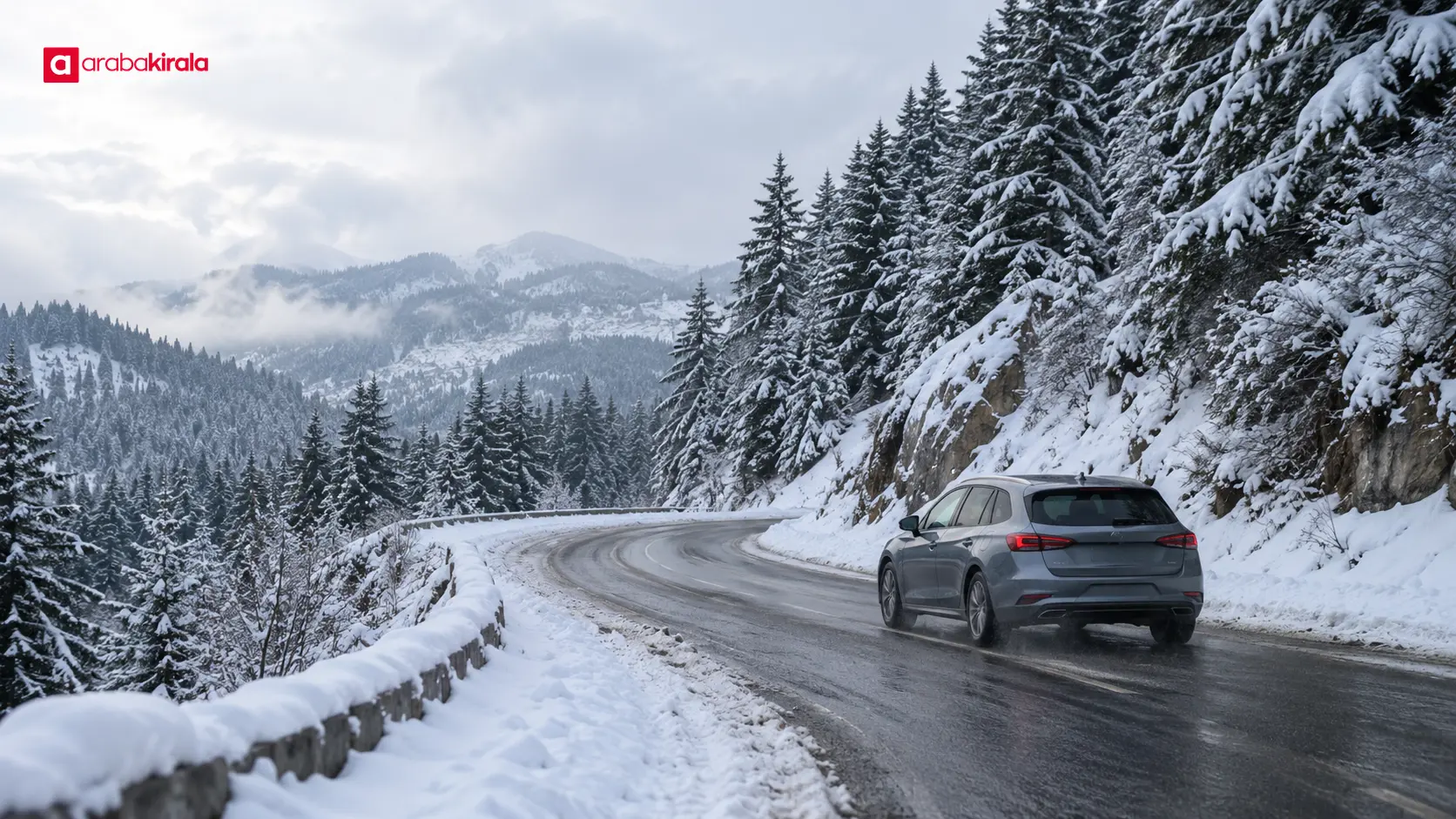
Conditions can vary across short distances in a mountainous area. Precipitation may change form as temperatures fall; a clear stretch may be followed by fog, snow, or a frozen patch. Curves, gradients, and shaded road sections add difficulty. A map’s estimated journey time is not a promise of actual travel time, so build in breaks and delay allowance instead of planning a tight arrival schedule.
A weather forecast and a road update answer different questions. A forecast describes expected conditions such as precipitation, temperature, wind, and alerts. Road information can show whether a route has a closure, restriction, or work zone. Checking only one leaves a gap in the picture. Conditions can also change after you have checked, so repeat the review close to departure.
Check the forecast and road information
Read the forecast for the route and travel hours
Before leaving, review the Turkish State Meteorological Service’s forecasts, observations, and warnings. Look beyond the day’s high temperature: conditions during both the outbound and return legs matter, including precipitation, falling temperatures, fog, and warnings for icing. Conditions at a higher point around Ilgaz may differ from those in a nearby town, so do not treat a town forecast as a precise report for a mountain location.
Forecasts can change as the travel date approaches. Recheck close to departure and consider the different parts of your route, rather than looking only at the start and destination. A significant weather warning is a reason to consider postponing the trip or choosing a shorter, simpler drive. That decision should take account of the people travelling and the vehicle available.
Use official road updates alongside your route map
The General Directorate of Highways (KGM) publishes road condition information and route analysis that can help identify reported work or access changes. Check before starting and again during a long journey only after stopping somewhere safe. Never read a phone while driving. An official report that a road is open does not guarantee that visibility or surface grip is suitable for every driver at that moment.
Do not assume that a navigation app’s alternative is easier in winter. A minor road, steep climb, or less-travelled pass may be less suitable than the main route. Check the alternative’s road type and current status before choosing it. Do not enter a closed section or go around an official barrier; revise the plan instead.
Prepare the vehicle and passengers
Tires and basic systems matter in winter. Before accepting a rental car, visually check the tires, wipers, lights, windshield washer fluid, and the heating and demisting controls. If a warning light or existing damage is unclear, tell the office before setting out. Ask the branch handling your booking or handover about the vehicle’s suitability for winter conditions, available equipment, and whether items such as snow chains are provided. Do not assume the answer is the same for every vehicle or location.
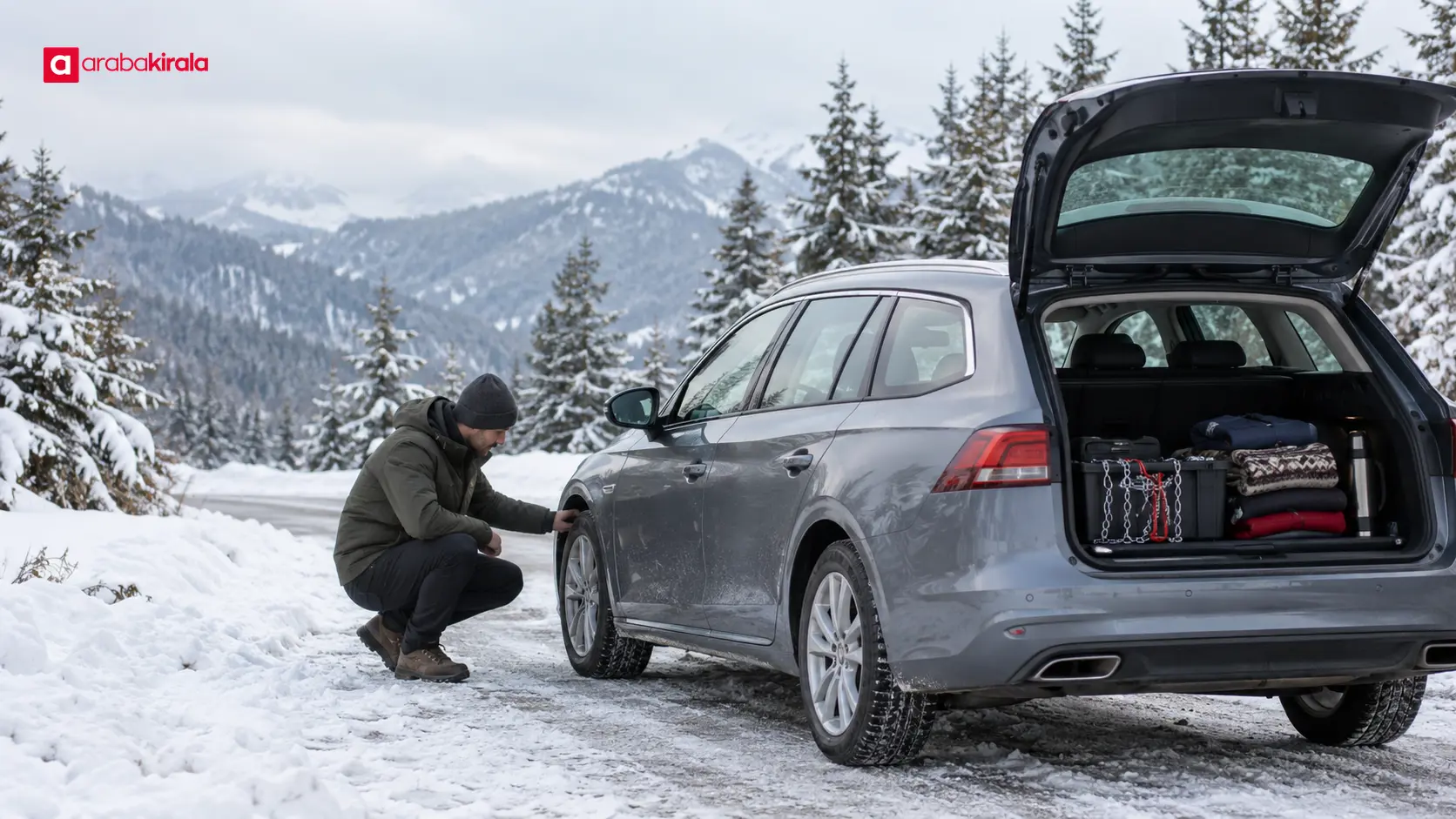
Having chains in the car is not enough by itself; equipment must suit the vehicle and its tires. If you are unfamiliar with fitting chains, learn from the vehicle instructions and practise in a safe place, never in moving traffic or on a slippery incline. KGM’s winter travel guidance recommends carrying items such as chains, a chock, and a tow rope. Their fit and your ability to use them safely still need consideration.
Charge your phone before departure and prepare offline navigation if available. Tell someone your route and approximate return plan. Warm clothing, drinking water, and basic supplies that are easy to reach can help during an unexpected delay. Secure luggage so loose objects do not become hazards during braking. If travelling with children, plan realistic breaks and warmth needs.
Driving on snow, ice, and in fog
Choose a speed that reflects visibility, traction, and traffic, even when it is below the posted limit. Sudden acceleration, hard braking, and abrupt steering can unsettle a vehicle on a slippery surface. Leave more space than usual behind the vehicle ahead so there is room to stop. Slow before a bend and remain in your lane. Look ahead on climbs to reduce unnecessary stopping, without attempting an unsafe pass.
Fog reduces the distance you can see. Reduce speed, use the appropriate lights, and do not try to compensate by following another vehicle closely. Use the vehicle’s suitable ventilation settings to clear misted windows. Account for possible ice when temperatures approach freezing, especially in shaded sections. Dark-looking asphalt does not necessarily mean the surface is dry.
If conditions worsen substantially, stop at a safe place where you will not obstruct traffic and reassess. Do not push on when visibility has become inadequate or the vehicle cannot proceed safely. Follow official staff instructions and traffic controls. If a road is closed, do not cross barriers; wait at a safe accessible point and change the route or travel date.
Keep the Ilgaz itinerary adaptable
Allow flexible time for the drive and breaks instead of planning around a single appointment. Do not assume the return journey will have the same weather as the outbound trip. Consider reduced daylight and fatigue. Check official notices from any outdoor site, facility, or event you intend to visit; an open road does not mean the destination itself is accessible or operating.
If you are renting, clarify details that depend on your booking and branch: pickup and return timing, how mileage is handled, winter equipment availability, chain use, and the contact channel for assistance. These details can vary by vehicle and agreement. When using booking or service information, confirm that the city or pickup location fits your plan; general online information should not be treated as a specific branch commitment.
Frequently asked questions
What should I check first before driving to Ilgaz in winter?
Start with the forecast and meteorological warnings for the date and hours you expect to travel. Then check current official road information for your route. Together, these checks support a decision to go, postpone, or choose another route.
If the forecast looks clear, can I assume the road is safe?
No. A forecast covers a broader area and time period; the road surface, shaded patches, and local visibility can vary. Check road information too, and adapt your driving to what you encounter.
Will a rental car definitely include chains or winter equipment?
Do not treat that as a universal rule. Ask the branch handling the vehicle about its available equipment, winter suitability, and chain arrangements before collection. Inspect the tires and equipment at handover.
What should I do if a road is closed?
Do not enter the closed section and follow directions from officials. At a safe location, check current official road information and assess whether there is a suitable alternative. If not, postpone the visit or return to a safe starting point.
Final check before setting off
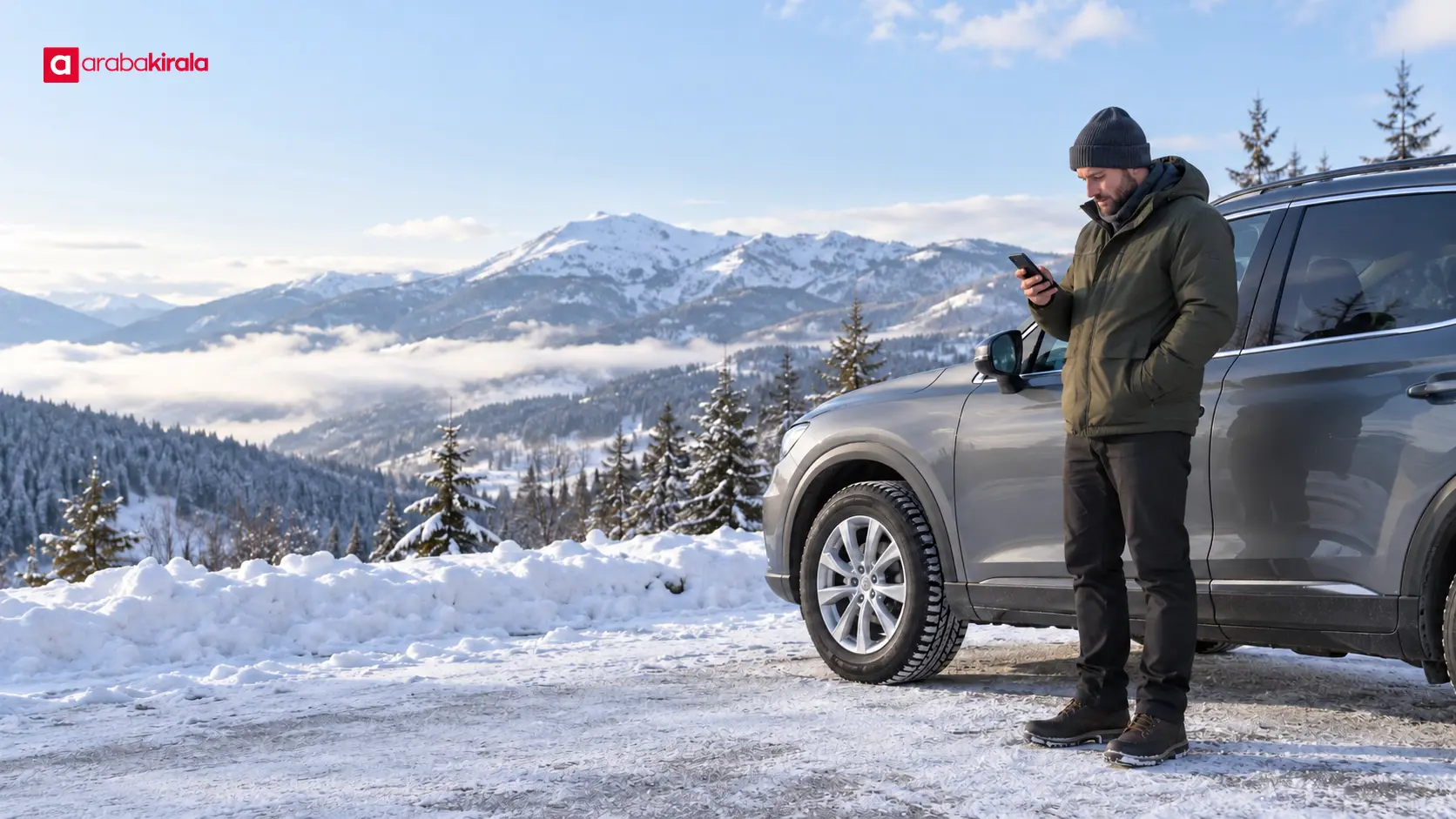
Build your Mount Ilgaz winter drive around the forecast, official road updates, vehicle readiness, and passenger needs. Repeat the checks close to departure and get new information only when safely stopped. If weather or road conditions make the plan unsafe, changing the itinerary is a sound choice. Your next step is to settle on a date and route, consult the latest official MGM and KGM information, and clarify vehicle-specific winter equipment with the rental branch before pickup.
Legal Disclaimer: All content, articles and information on the Araba Kirala website are provided solely to inform users. No information shared on this website constitutes definitive advice or guidance. Araba Kirala Teknoloji A.Ş. and its authors cannot be held responsible for any direct or indirect damages arising from the application of information on the website. For all questions and requests regarding car rental, please contact the office from which you will rent your vehicle.