Winter Sapanca Road Trip: Plan Around Daylight and Weather
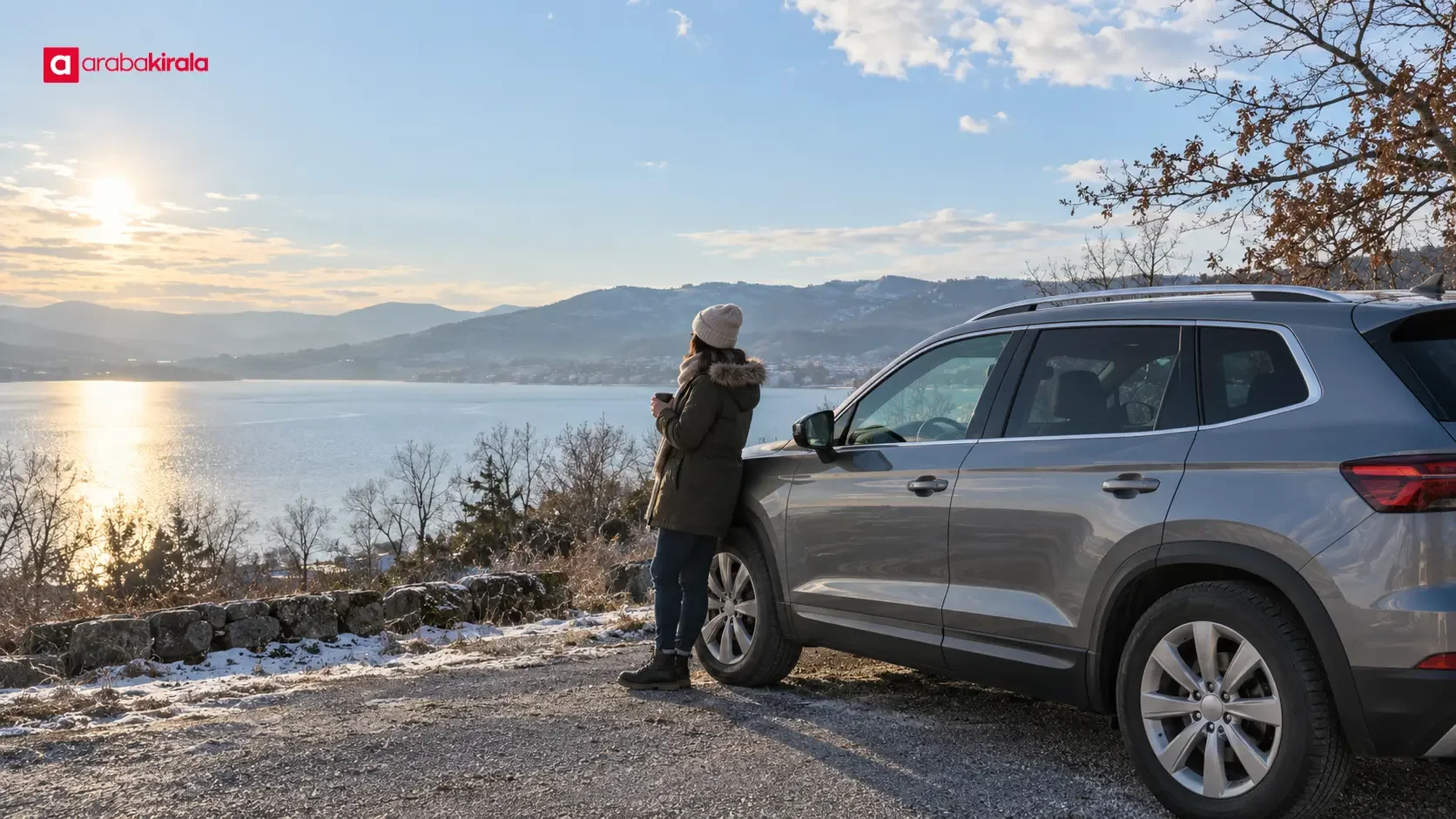
A winter Sapanca trip by car works best when the route, daylight and forecast are considered together. Winter days offer fewer hours of light than summer, so a long list of stops can leave little time to enjoy the lake or return without rushing. Choose the places that matter most, allow for breaks and parking, and keep a shorter alternative ready in case the weather or road conditions change.
Why daylight should shape your itinerary
Daylight matters for more than photographs. It can make it easier to see the scenery and navigate unfamiliar roads, while darkness and poor visibility call for extra attention. Sunrise and sunset vary with the date and location, so check the times for your travel day using a current, reliable service. Avoid planning from memory or assuming that one winter date has the same light window as another.
Start by choosing one or two priority stops. Place them at a time when you can enjoy them in daylight, then treat any additional places as optional. Include the time needed to park, get out of the car, walk around and resume the drive. A navigation app's estimate generally describes driving time; it does not necessarily account for finding parking, a meal, congestion or time spent at a viewpoint.
Set a practical start and return window
Identify your departure point, an approximate arrival window for the first stop and the time by which you want to begin the return. Leave a buffer for slower traffic, weather or an unexpectedly long break. If part of the drive may take place after dark, consider the driver's energy and the visibility expected along that portion of the route. Stop and rest if the driver feels drowsy or unable to concentrate; trying to stay on schedule is not a good reason to continue while tired.
Use the forecast to make route decisions
Check the forecast again on the morning of the trip. Precipitation, temperature, wind and visibility can all affect the drive and the time you can comfortably spend outdoors. Conditions may differ between the lake shore and higher or inland roads, so a regional forecast is a guide rather than a guarantee for every point along the route. Check current official weather and transport notices for relevant warnings or restrictions before setting out.
If rain, fog or strong wind is expected, reduce the number of outdoor stops and identify shorter or sheltered alternatives. Do not press on to a viewpoint when visibility is poor or the road appears unsafe. Reassess the conditions from a safe place, shorten the route or postpone the outing if needed. Building flexibility into the plan makes it easier to respond calmly when conditions change.
Adjust your driving for rain and fog
Wet surfaces call for smooth inputs and extra care when braking or turning. Keep your speed appropriate to the road and visibility, leave more space behind the vehicle ahead and avoid sudden manoeuvres. In fog, keep a speed that lets you stop within the distance you can see, maintain a safe following gap and use vehicle lighting appropriately. Follow the vehicle manual's instructions for headlights and fog lights. If visibility is too poor for safe travel, wait in a safe place.
Build a route around Lake Sapanca
When selecting places around the lake, consider road connections and what you plan to do at each stop, not just how close locations look on a map. One stop may suit a brief view; another may involve a walk or a longer break. Opening times, access and parking information can vary by season or site, so confirm them with current sources before visiting. Being able to drive near a place does not guarantee that parking is available or that access is open.
Grouping nearby stops into the same part of the day can reduce repeated driving. Still, do not assume that a short route on a map will take the same time in winter as it might in ideal conditions. Review live navigation information before departure, and use road signs and your judgement alongside app directions. If an app suggests a narrow, closed or unsuitable road, do not take it just to save time.
Keep a shorter backup plan
Prepare a main route and a reduced version. Decide in advance which stop you would remove if weather worsens, parking takes longer or a break runs over. A backup does not have to mean driving to another distant attraction: ending the trip early or pausing somewhere safe can be the sensible choice. This keeps the falling daylight from turning the remaining drive into a race against the clock.
Prepare the car and essentials for winter
Before leaving, check that the windows, mirrors and lights are clean. Use the vehicle's ventilation system as described in its manual to clear fogged glass, and make sure snow, ice or dirt does not obstruct the driver's view. If you are unsure whether the tyres or other equipment are suitable for the expected conditions, seek advice from a qualified service professional or the rental branch before driving. For vehicle-specific controls and equipment, rely on the owner's manual.
Check your phone battery and how you will access directions. Saving route information for offline use can help in areas with a weak connection. Bring water, warm layers and basic items you may want during a short break. These are simple comfort preparations for a winter outing, not a prediction that you will be stranded.
If using a rental car, learn how its controls work at handover. Knowing how to operate the demister, lights, wipers and fuel or charge display can save time before you set off. Comparing the recorded mileage and fuel or charge level at pickup and return with your own notes can help you keep track of the vehicle's use. Ask the branch you plan to rent from about vehicle or booking-specific details, such as winter equipment, assistance, travel area and mileage terms; do not assume that the same arrangements apply to every car or location.
Make stops safe and comfortable
Park only in permitted places suitable for stopping. Avoid locations that obstruct traffic, block visibility or put you in an unsafe position. Before getting out, check for nearby traffic, slippery surfaces and limited visibility. Wind and cold at a shoreline or lookout can feel sharper than they do inside the car. Suitable footwear and keeping your return path in mind can make even a short walk more comfortable.
Give each stop a purpose: take in the view, walk, eat or rest. Do not pack breaks so tightly that the day becomes uncomfortable, but avoid leaving one long, open-ended stop until the end of the itinerary. If a visit takes longer than expected, dropping the next optional stop can help preserve a reasonable return time.
A useful order for planning a winter Sapanca trip
- The day before: Check whether your chosen places are open and review current access information, the route and the day's sunrise and sunset times.
- Before departure: Recheck the forecast and road notices, inspect visibility-related equipment and prepare your essentials and phone.
- Earlier in the day: Schedule the most important outdoor stop while there is ample light.
- Around midday: Take a meal or rest break, then review the weather and the time remaining before deciding on optional stops.
- Before returning: Consider darkness, fatigue and current road conditions; shorten the outing if that makes the drive safer and more manageable.
Frequently asked questions
How many hours should I allow for a winter drive around Lake Sapanca?
It depends on where you start, which places you choose, road conditions and how long you spend at each stop. There is no single standard duration. Add time for parking, short walks, meals and traffic to the driving estimate. With fewer daylight hours, choosing fewer stops often makes for a more relaxed outing than trying to fit in everything.
What time should I leave for a winter visit?
That depends on the date's sunrise and sunset, the forecast and your route. Check the current times and schedule daylight-dependent stops accordingly. Whatever your departure time, keep a buffer for the return and review weather and road information again before leaving.
What should I do if there is fog or rain?
Make safe driving the priority. Reduce speed, increase following distance and wait in a safe place if visibility is insufficient. You can skip an outdoor stop, use a shorter route or postpone the trip if road conditions are unsuitable. Do not try to meet the schedule when visibility or the road makes driving unsafe.
What should I clarify before driving a rental car?
Get familiar with the car's controls and equipment relevant to winter driving. Ask the branch you will rent from how vehicle and booking-specific details are handled, including winter equipment, roadside assistance, permitted travel area and mileage terms. Treat these as details to confirm for your rental rather than universal industry rules.
How many stops should I plan for a short winter day?
No fixed number suits every route. Consider the distance between stops, how long you expect to stay and the hours of daylight available. Choose priority places first and leave the rest optional. This makes it easier to start the return without rushing as the light fades.
A well-planned winter trip around Sapanca depends on adapting to daylight, current weather and road information rather than following a rigid schedule. Pick priority stops, allow realistic time for driving and breaks, prepare a shorter route and revise the plan when conditions change. That approach can make time on the road around the lake more comfortable and controlled.
Legal Disclaimer: All content, articles and information on the Araba Kirala website are provided solely to inform users. No information shared on this website constitutes definitive advice or guidance. Araba Kirala Teknoloji A.Ş. and its authors cannot be held responsible for any direct or indirect damages arising from the application of information on the website. For all questions and requests regarding car rental, please contact the office from which you will rent your vehicle.