A Winter Uludağ Road Trip: Roads, Visibility and Gear
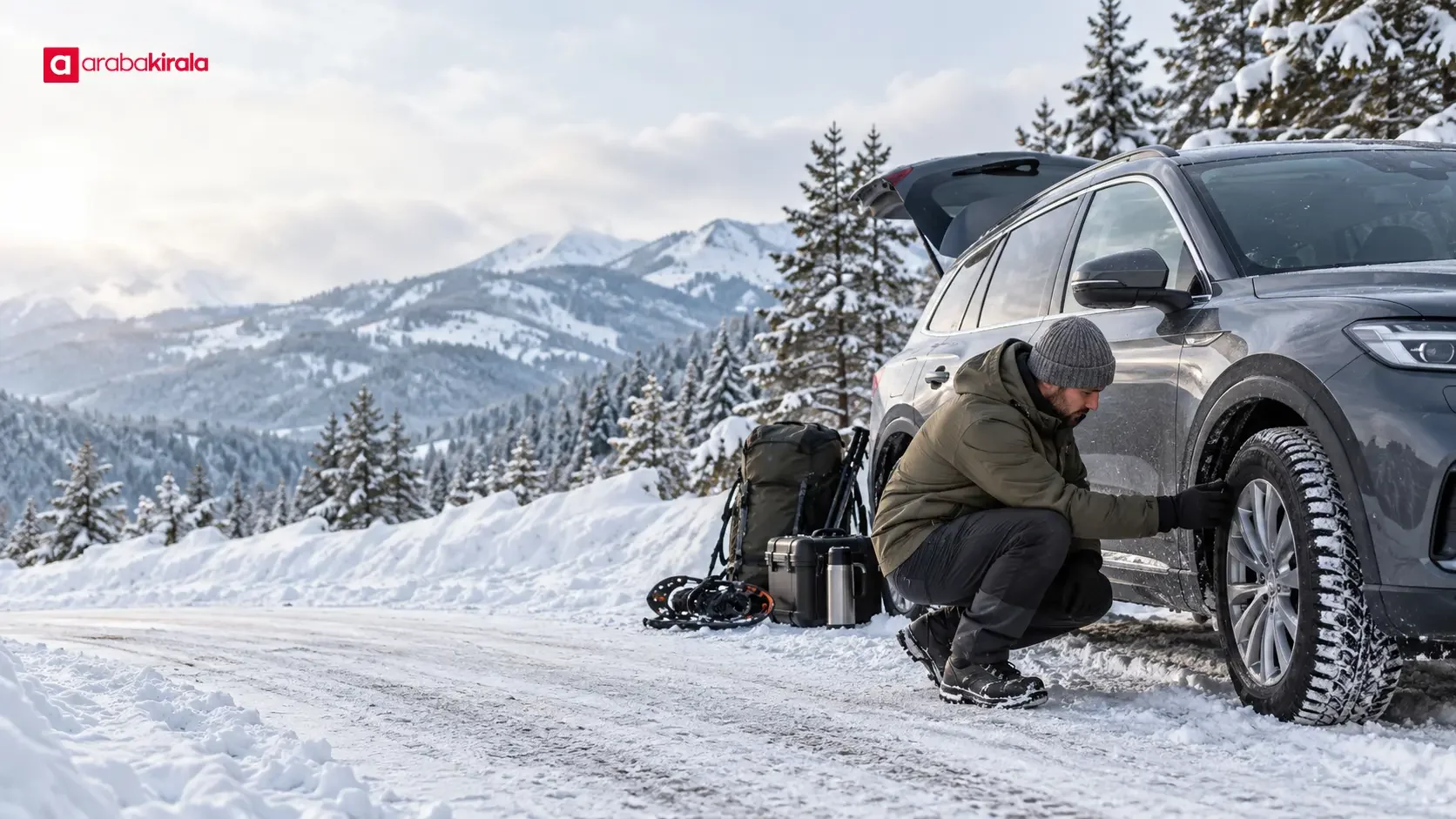
A winter Uludağ road trip takes more planning than choosing a destination and setting a departure time. As a route climbs from Bursa toward the mountain, temperature, precipitation, visibility, and traffic can change. Snow, ice, fog, and darkness may affect both the drive and the time needed to return. This guide explains how to check conditions, prepare a vehicle, adapt your driving, and make a practical return plan. Check official weather and road updates on the day of travel; do not assume a route will be open or safe based on an earlier forecast.
Why winter conditions can vary on the Uludağ route
Elevation and terrain can produce different conditions over a relatively short distance. Rain in the city may become snow at higher elevations, while temperatures near freezing can leave wet-looking surfaces icy. Sunlit stretches and shaded bends do not dry or thaw at the same rate. A forecast for the starting point therefore cannot describe every section of a mountain journey.
An update that says a road is open does not necessarily mean it is easy to drive or free of hazards. Traffic, snow clearing, temporary directions, and limited visibility can all affect the trip. Before departure, review official weather and traffic notices. If you need to check for changes after setting out, stop somewhere safe first; never search for updates while driving.
Plan the route and timing before you leave
Which information should you check?
Review the forecast for the area you plan to visit, including precipitation type and timing, wind, and temperature changes. Official meteorological notices help describe the broader weather picture, while official road and traffic notices may add information about the route. Check the time period covered by each update. A forecast from the previous evening may not reflect changes by morning or new advisories later in the day.
Build in time for breaks and possible delays instead of planning around the shortest route or an estimated arrival time alone. You need room to slow down, wait somewhere safe, or change plans if visibility or traction worsens. If an official warning, heavy snowfall, or poor visibility is expected, consider postponing the trip, shortening it, or returning earlier. A mountain outing is not a reason to take risks to keep to a schedule.
Daylight and the return journey
Daylight can make it easier for many drivers to read the surroundings and road markings, but fog, snowfall, and glare can still sharply reduce visibility. Account for the shorter winter daylight when setting the length of the outing. Set a realistic end time and take a break before fatigue builds during the return drive.
Changing mountain weather can also extend the time you spend at your destination. Check weather and road notices again before returning. If conditions make travel unsafe, follow current official directions and wait somewhere suitable. Sharing your route and expected return time with someone, and keeping a way to communicate, are useful parts of trip preparation.
Vehicle checks before a winter drive
Use the vehicle maker’s operating and maintenance guidance as your starting point. Check the tires for overall condition and wear, and verify pressure against the owner’s manual or the manufacturer’s label in the vehicle. Seasonal tire and chain requirements can depend on the vehicle, conditions, and current official rules, so review current notices and the vehicle manual. If chains may be needed, confirm that the product fits the vehicle and learn its instructions in safe conditions before departure; do not try to fit chains while the vehicle is moving.
Check that headlights, indicators, brake lights, and wipers work. Winter-appropriate washer fluid, a clean windshield, and a working defogging system help preserve visibility. Follow the manufacturer’s guidance for maintenance items such as coolant and the battery. If you find a fault or are unsure about a system, have a qualified service professional inspect it. Do not take a vehicle onto a mountain route when it is showing signs of a cold-weather problem.
Keep a phone power source, water, warm clothing, and necessary personal items accessible. Secure luggage so it cannot move during hard braking. Keep objects away from the driver’s view through the windshield and avoid arrangements that distract the driver. Emergency supplies do not replace winter maintenance or careful driving.
Driving in snow, ice, and fog
On a slippery surface, tires may have less grip and the vehicle may need more distance to stop. Reduce speed to suit road and visibility conditions and leave more space between vehicles. Sudden braking, rapid acceleration, and sharp steering can unsettle the vehicle, so make smooth, planned movements. Slow before entering a bend and avoid hard braking or abrupt steering once you are in it.
Shiny, wet-looking, or dark patches may indicate ice, but appearance alone cannot establish that a surface is safe. Take particular care on shaded sections, bridges, and overpasses. Traction control and other driver-assistance systems may help, but they cannot overcome the limits of grip. Their presence is not a reason to drive faster.
When fog or heavy snow shortens visibility, ease off and choose a speed that lets you see the road ahead. Use lights and fog lamps as directed in the vehicle manual; unnecessary high beams can reflect back and make visibility worse. If you cannot see well enough to drive safely, stop at a suitable, safe place. Choose a stopping point that does not obstruct the road or put other road users at risk.
Planning a winter trip in a rental car
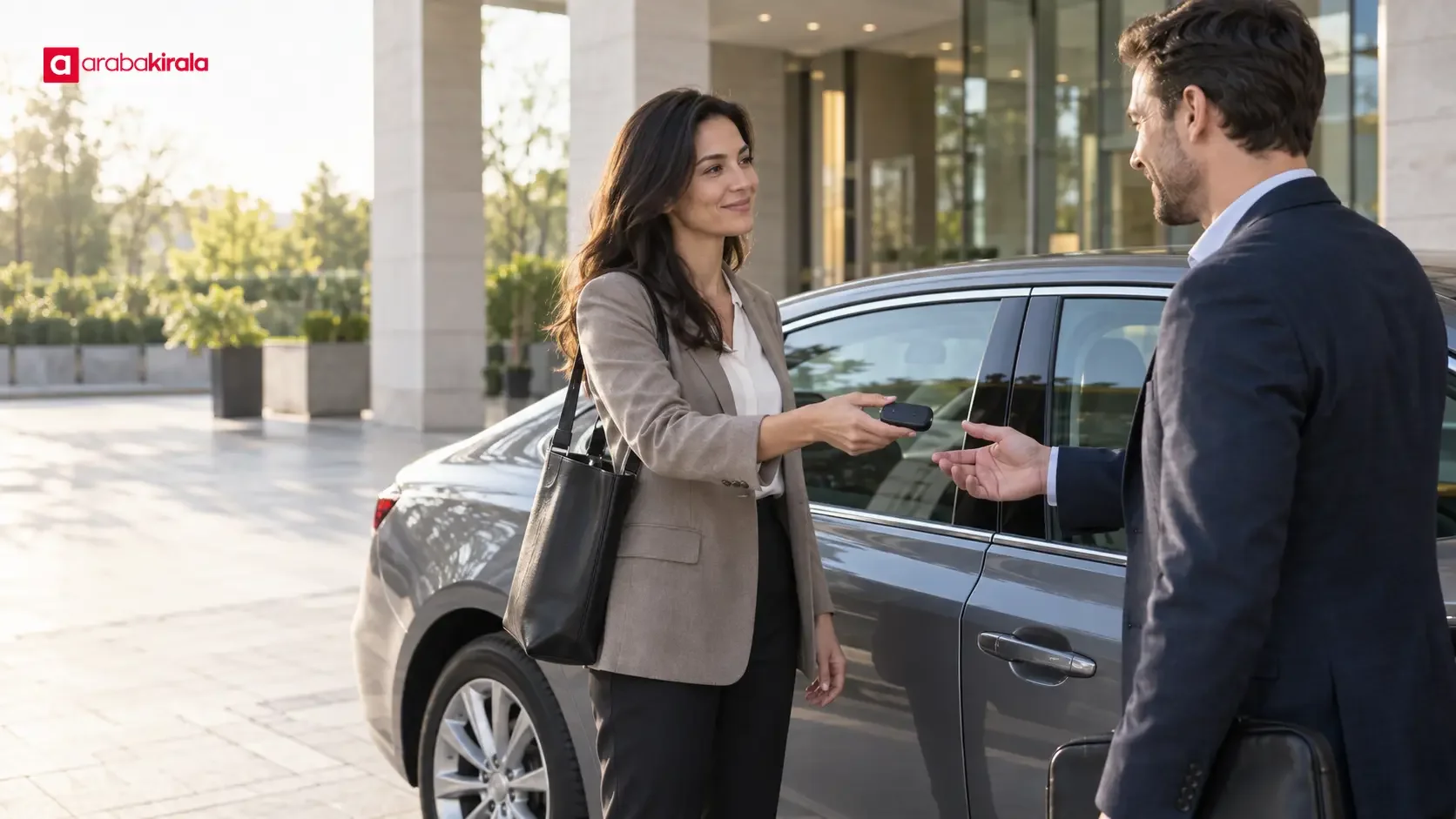
If you are using a rental vehicle, clarify its winter readiness and included equipment at the pickup location before setting out. Ask about tire type and condition, whether chains are available, and any instructions for their use. If a warning appears on the dashboard or you notice a problem with the windshield, lights, or wipers, report it before driving away. These are general preparation steps; vehicles and rental locations can differ.
Route details, mileage limits, pickup or return times, and winter equipment arrangements may depend on the reservation and the location. Confirm those details directly with the branch where you will rent. Read the agreement and vehicle handover record carefully, and inspect the vehicle with the staff member. This helps you understand the trip’s practical limits without assuming company terms.
What to do if road conditions change
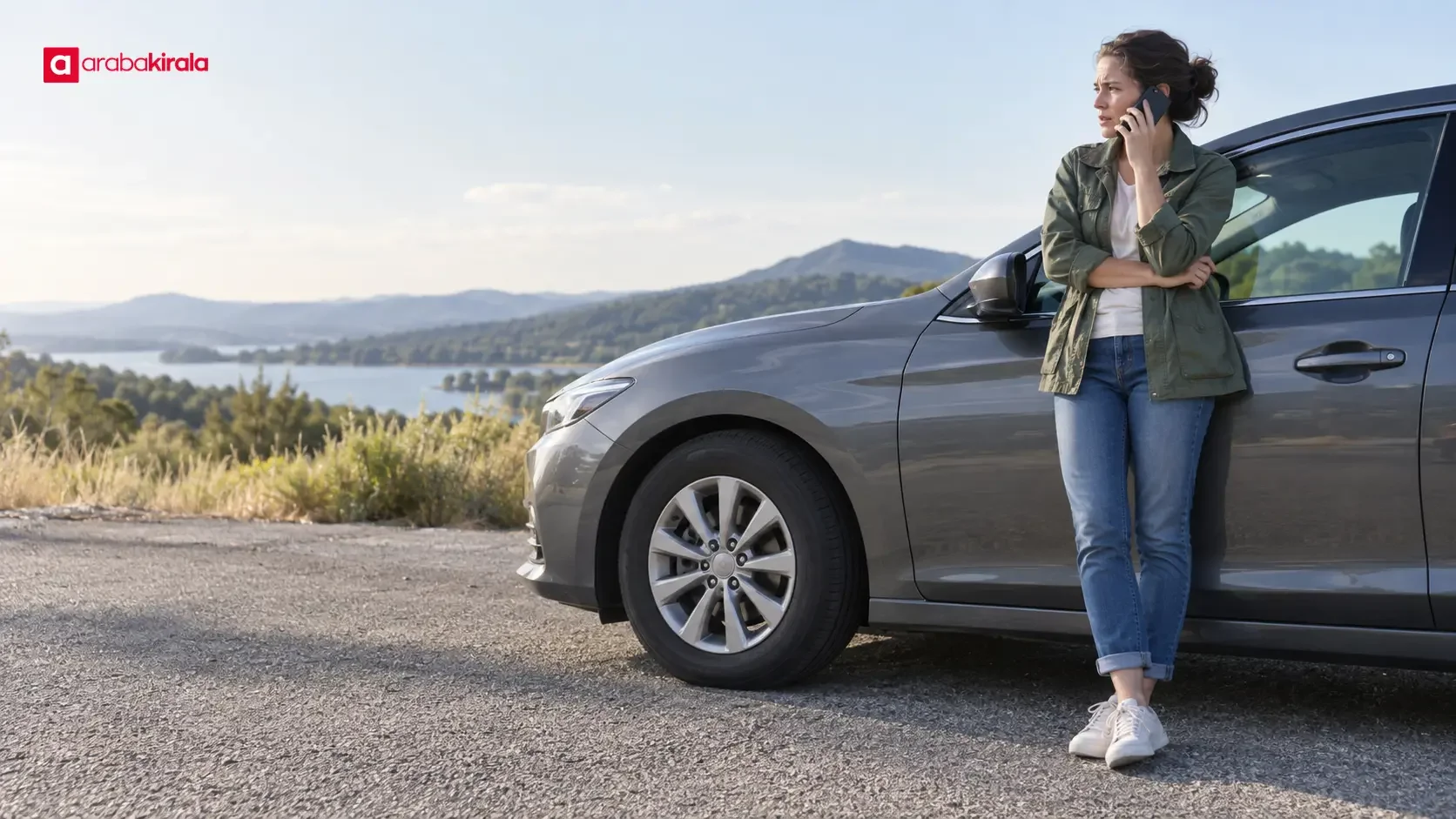
Heavy snow, ice, loss of visibility, or an official road notice may require a change of plan. If conditions become significantly worse while you are driving, do not press on just to arrive on time. Stop in a safe place and review current official notices; do not wait somewhere that creates a hazard. If the vehicle breaks down, you are involved in a collision, or you become stranded, follow the vehicle instructions and relevant emergency guidance. Avoid standing near moving traffic if you need to leave the vehicle.
Consider phone charge and signal coverage before departure. Note the route name or nearby landmarks so you can describe your location clearly in an emergency. Do not look up this information while driving; pull over safely first if needed. Use official channels when roadside assistance or emergency services are required.
Frequently asked questions
Are chains required on the Uludağ road in winter?
Required equipment depends on current road conditions, official directions, and the vehicle. Check current official notices and the owner’s manual before leaving. If you need to carry chains, make sure they fit your vehicle and learn the fitting instructions in advance. Use current official information for any requirement.
What time should I leave for a winter Uludağ trip?
No single departure time suits every day and route. Consider the forecast, road conditions, daylight, rest needs, and your return plan together. If heavy precipitation or fog is expected, delaying the journey or shortening the outing may be safer than trying to meet a fixed arrival time.
How should I drive if fog develops on the mountain road?
Reduce speed, increase following distance, and choose a pace suited to what you can see. Use lights as described in the vehicle manual. If visibility is too poor for safe driving, stop somewhere safe and wait for conditions to improve. Do not stop in the roadway or where you would endanger traffic.
What should I confirm before taking a rental car on the trip?
Check the tires, lights, wipers, winter equipment available, and any instructions for its use. Ask the rental location about route, pickup or return timing, and other agreement details. Those arrangements are specific to the vehicle and branch.
The most useful preparation for a winter Uludağ trip is to follow current official weather and road information, check the vehicle against its maker’s guidance, and be ready to change plans when conditions worsen. Keep reassessing traction and visibility, take a break when tired, and wait in a suitable place when you cannot proceed safely. A careful mountain-road plan reduces driving stress and supports better decisions throughout the outing.
Legal Disclaimer: All content, articles and information on the Araba Kirala website are provided solely to inform users. No information shared on this website constitutes definitive advice or guidance. Araba Kirala Teknoloji A.Ş. and its authors cannot be held responsible for any direct or indirect damages arising from the application of information on the website. For all questions and requests regarding car rental, please contact the office from which you will rent your vehicle.