
Winter Visit to Lake Abant: Weather, Visibility and Timing
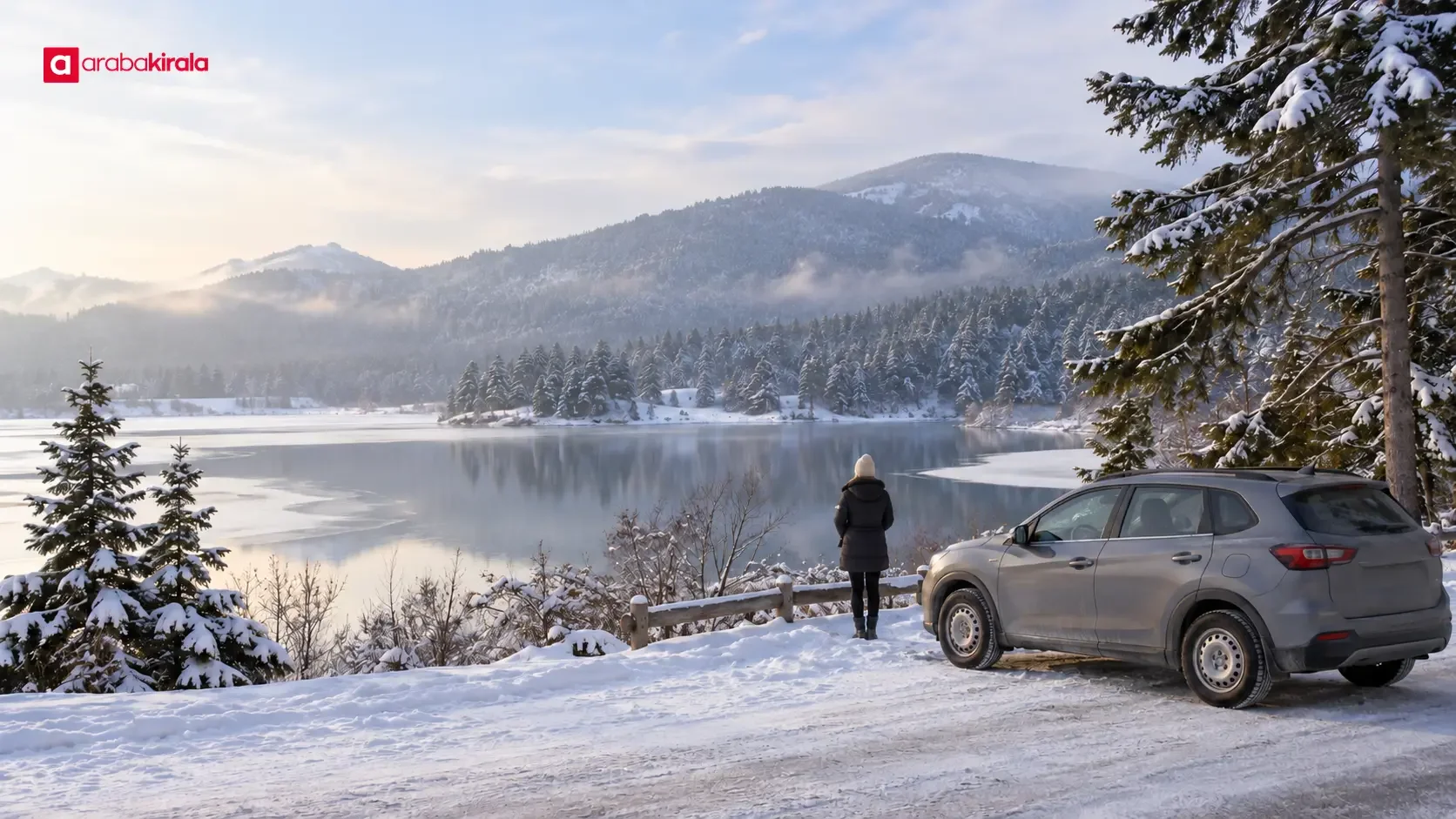
A winter visit to Lake Abant offers a different view of the lake and surrounding forest, but cold, snow, fog and ice can change how much time you can comfortably spend outdoors. Plan around the forecast for your travel day, visibility and current road information rather than relying on the season alone. Lake Abant National Park has walking paths, viewpoints, parking and visitor facilities, though winter conditions can affect access and use. This guide explains what to check before setting out and how to keep the day flexible once you arrive.
What winter weather means around Lake Abant
The lake and forest sit in a natural setting where conditions may feel different from those in Bolu town. A forecast gives a regional picture, while wind, shade and exposure can make the lakeshore, wooded areas and open viewpoints feel quite different from one another. Temperature is only one part of the decision. Precipitation, wind, cloud cover and visibility also affect how comfortable a walk or viewpoint stop will be.
Snow can make the trees and shoreline look striking, but fog may hide the far side of the lake and nearby slopes. On a day with reduced visibility, plan for shorter outdoor stops rather than trying to cover every viewpoint. Sunlight does not guarantee safe footing: shaded sections of a path may remain icy even when open areas look clear. Treat the winter landscape as a reason to slow down and check the ground as you walk.
Check weather and road information before departure
Review the Turkish State Meteorological Service forecast and warnings for Bolu, paying particular attention to snow, fog, icing and strong wind. Check the periods that overlap with your drive and visit, since morning and evening conditions may differ. A warning can affect more than what you wear; it may be a reason to change your departure time, shorten your outdoor plan or postpone the trip.
Check the General Directorate of Highways’ current road notices for the route toward Abant. Roadworks, controlled passage and closures can change, so an older search result may not describe the current situation. A navigation app’s estimated travel time is useful for orientation but does not replace current road information. Before leaving, consider the official road notice, the weather warnings and whether the vehicle is ready for winter conditions together. Leave time for the return journey and for unexpected changes.
How reduced visibility affects the day
Fog or heavy precipitation can limit the views from places chosen for scenery and photography. When visibility is poor, choose a short, familiar route instead of trying to reach more stops quickly. If driving, increase following distance, reduce speed to suit the road and visibility, use lights appropriately and make sure you can see the roadway ahead. If visibility becomes seriously limited, wait in a safe place for conditions to improve rather than stopping beside the road or at a location with restricted sight lines.
A break by the lake or in the vehicle can be part of the plan while you wait for clearer conditions. You might use the time for food or a warm drink, but do not assume a particular facility will be open or accessible; operating conditions can vary by season. Check the current status of any visitor area or facility you intend to use before setting out.
Choose a realistic time and route
Winter daylight is shorter than summer daylight. Plan your walk, viewpoint stops and drive back with the available daylight in mind. Rather than treating a complete circuit or long walk as essential, pick a manageable section and adjust it after checking the surface and weather. If you encounter ice, deep snow or standing water on a path, you do not need to continue; turning back safely is a sensible part of the plan.
Do not assume that paths and visitor areas will be in the same condition throughout winter. Snow clearance, maintenance, temporary restrictions and weather may affect access. Confirm the day’s status of walking paths, parking, visitor facilities or other areas with the relevant park office or facility if needed. If you are planning a specific activity, a longer walk with children or need accessible facilities, check the route and available services in advance.
Clothing and vehicle preparation
Layered clothing lets you adjust between a warm vehicle and a cold outdoor stop. A water-resistant outer layer, insulating mid-layer, hat and gloves make winter walks more comfortable. Choose shoes with a grippy sole and support around the ankle; ordinary city shoes may not provide enough traction on an icy surface. Spare socks and an extra layer are useful if clothes get wet.
If driving, check the tyres, windows, wipers, washer fluid and lights before leaving. Carry suitable winter equipment if snow or ice is possible, and follow the vehicle’s owner manual. If using a rental car, ask the branch where you will collect it about its winter equipment and suitability for the planned route before departure. Do not assume that a particular feature or service is included with every vehicle.
Stay safe and respect the lakeside environment
Stay on open, marked routes. Snow can make it difficult to see where a path ends, so avoid crossing into unmarked areas. Do not walk onto the lake or its ice. The appearance of ice does not show how thick or strong it is. When taking photographs near the shore, watch your footing and traffic, keep paths clear and supervise children closely near the water.
Abant is a protected natural area. Take your rubbish with you, avoid disturbing plants and wildlife, and use fire or picnic areas only where permitted. Follow posted signs. A quiet forest road may still carry vehicles; listen for traffic and use extra care where visibility is limited.
A simple plan for the visit
- The day before: Check the Bolu forecast and any weather warnings, then review your travel and accommodation arrangements.
- Before departure: Check current highway notices again and confirm the vehicle and winter equipment are suitable for conditions.
- On arrival: Read current signs and directions, then choose a short walk based on the condition of the surface.
- If visibility or footing worsens: Shorten the outdoor activity, take a break in a safe place or begin the return journey.
- On the way back: Account for daylight and changing weather instead of sticking to the original schedule at the expense of safety.
Frequently asked questions
What is the best time of day to visit Lake Abant in winter?
There is no single best time for every day. Arriving in the morning or around midday can make better use of daylight, but decide when to travel based on the latest forecast and road status. An early start is not automatically safer if fog, snowfall or ice is expected.
Can you walk around the lake while it is snowing?
That depends on the intensity of the snowfall, visibility, surface conditions and which routes are open that day. Use marked paths, keep the walk short on slippery ground and cancel it if conditions are unsuitable. Follow park staff instructions and posted signs.
Are the roads around Abant always open in winter?
Road conditions can change because of weather, maintenance and roadworks, so do not assume they remain open. Check current notices from the General Directorate of Highways before setting out and change or postpone your route when necessary.
Is it safe to walk on the lake if the surface is frozen?
No. The appearance of ice does not reliably indicate its thickness or strength. Do not go onto the lake surface, and follow warnings along the shore.
What should I ask before taking a rental car to Abant in winter?
Ask the branch where you will rent the vehicle about its winter equipment, current guidance for your route and any vehicle checks that are your responsibility under the agreement. Get information about the specific vehicle you will collect rather than relying on assumptions about a model or branch practice.
A rewarding winter day at Abant depends on sound timing and careful decisions as much as the scenery. Check weather and road information before leaving, choose a route that fits the daylight and update your plan if conditions change. For official updates, consult the Turkish State Meteorological Service, the General Directorate of Highways and the Directorate General of Nature Conservation and National Parks.
Legal Disclaimer: All content, articles and information on the Araba Kirala website are provided solely to inform users. No information shared on this website constitutes definitive advice or guidance. Araba Kirala Teknoloji A.Ş. and its authors cannot be held responsible for any direct or indirect damages arising from the application of information on the website. For all questions and requests regarding car rental, please contact the office from which you will rent your vehicle.