Winter Trip to Yedigöller: Roads, Weather and Visitor Planning
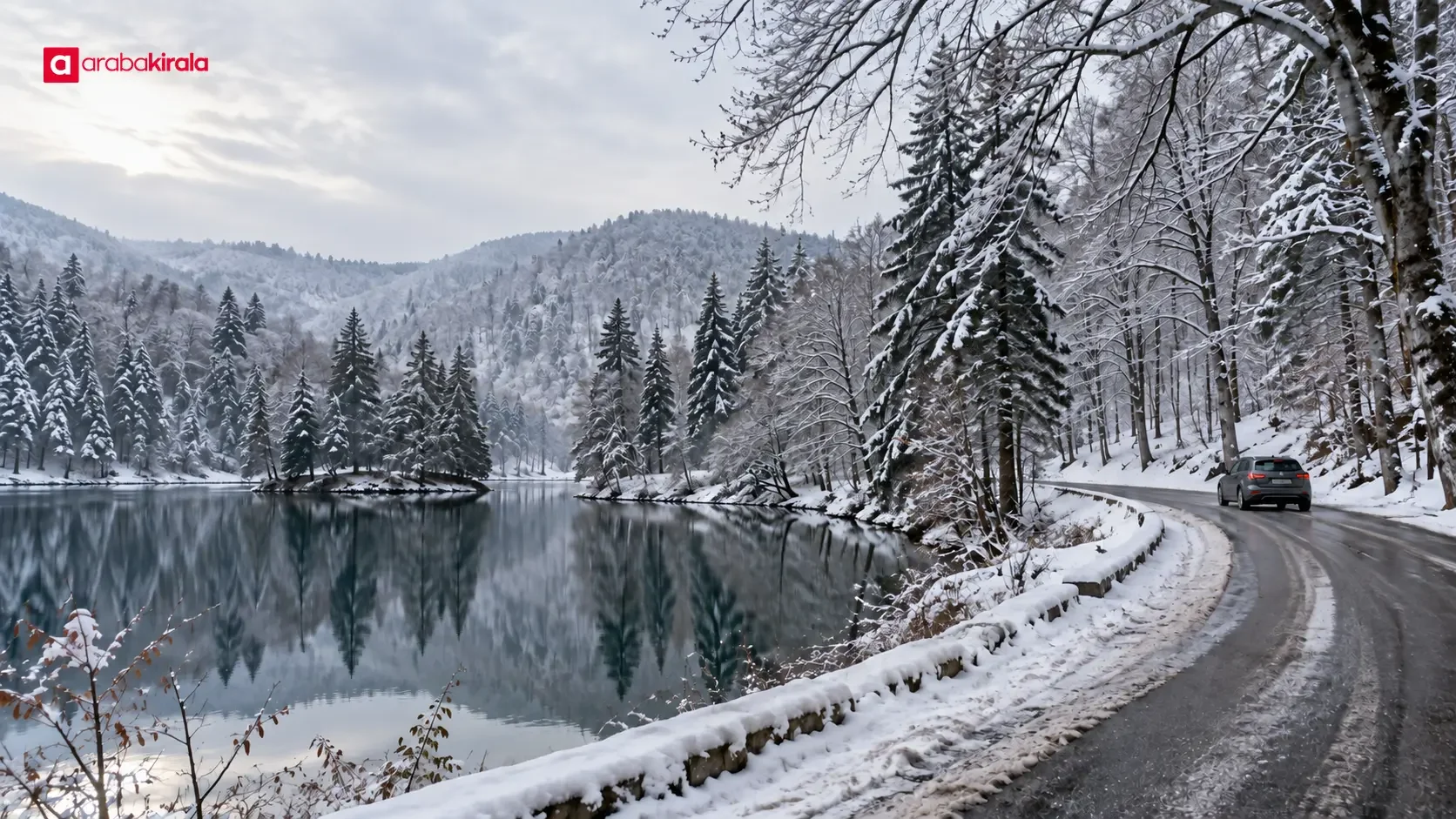
A winter trip to Yedigöller offers a chance to see its lakes and forest in a different season, but it calls for careful preparation. The national park lies north of Bolu, and winter access can become difficult as road surfaces and weather change. Build your plan around more than the destination: allow for travel time, daylight, walking conditions, and a safe return. Check current information before setting out, and be ready to change the plan if conditions on the day do not support a safe visit.
What to check before visiting Yedigöller in winter
Start with the forecast for your visit date and the status of the route you intend to use. Temperature alone does not describe winter travel conditions. Precipitation type, wind, visibility, and how conditions may change during the day all matter. Snow, sleet, and rain affect road surfaces and walking paths in different ways. Forecasts are updated, so review them before the trip and again on the day you travel.
Do not assume the road to Yedigöller will be the same from one day to the next. Snow accumulation, ice, fog, fallen branches, or road work can make access harder. Check current access and visitor information through relevant public authorities and official park notices. An old travel account may describe what happened on a past date; it cannot establish today's road conditions. If current information is unavailable or unclear, seek confirmation from the responsible authority before departing.
Plan the route and timing realistically
Treat a map app's estimated duration as an estimate, not a guaranteed arrival time. Winter driving may take longer because speeds are lower, surfaces change, and breaks may be needed. Add time for stops and delays. Consider the final section to the park separately: reaching a main road does not mean the remaining route will be equally straightforward. Decide on both the outbound and return routes, save an offline map, and account for areas where mobile coverage may be limited.
Daylight is limited in winter. Plan both legs of the journey and the time in the park with that in mind. Early darkness can make winding or narrow sections more tiring to drive. Rather than leaving the return time open in order to stay longer, set a reasonable schedule before departure. A shorter visit or postponement should remain an option if road or weather conditions worsen.
Preparing a vehicle for winter travel
A vehicle used for the trip should be suitable for winter conditions. Before driving, check the condition of the tires, lights, wipers, washer fluid, and dashboard warning indicators. Follow the owner's manual, and leave technical checks to a qualified service professional if you are unsure. Requirements for winter tires or chains, and whether a chain fits a particular vehicle, depend on route conditions, the vehicle, and applicable official rules. If you may need to fit chains, learn how to do so in a safe setting beforehand; do not practice beside traffic in hazardous conditions.
If you are travelling in a rental car, ask the branch where you will collect it about the vehicle's winter equipment and any arrangements relevant to your journey. Vehicle class, tire equipment, and the availability of additional gear may vary by booking. Clarify these details before setting off. At collection, check the visible condition of the tires, available equipment, and any warning lights. Tell the branch about a concern before you begin the drive.
Pack clothing suited to the forecast, spare socks, water, snacks, phone charging equipment, and basic personal supplies. A blanket and flashlight can be useful if an unexpected stop occurs. These items do not make a difficult road safe; they help you manage a delay or change in weather more comfortably. Keep the driver's view clear and secure luggage so it cannot shift while the vehicle is moving.
Driving safely in winter conditions
When snow or ice is possible, reduce speed to suit visibility and the road surface, leave more distance between vehicles, and avoid sudden braking, acceleration, or steering. Slow down before a bend. Pay attention to your own vehicle's grip and visibility instead of simply matching the movement of the vehicle ahead. In fog, follow the owner's manual for lighting and choose a speed that suits what you can see. If visibility becomes seriously limited, stopping in a safe place and waiting for conditions to improve may be the better choice.
Four-wheel drive or a higher ride height does not remove the need for grip when stopping. Such vehicles can also slide on ice and need a suitable surface for braking. Snowbanks at the roadside, narrowed passages, and shaded patches of ice deserve extra care. Follow traffic signs and directions from officials. If the road is closed or continuing is unsafe, do not try to get around a barrier. Stop at a safe location and follow current official updates.
Planning walks and time in the park
Walking between the lakes offers different views, but winter paths may be slippery, muddy, or covered in snow. Before travelling, check the park's current visitor arrangements and notices about open areas. Follow signs and directions at the entrance; do not enter closed or unmarked trails. The ground may be difficult to read near water, on steep slopes, or under snow. Stay on safe walking areas for photographs and never step onto frozen water.
Choose supportive walking shoes with a grippy sole and water resistance. Dressing in layers can help you stay comfortable as you move and during stops. Gloves, a hat, and spare socks are useful small additions. Choose a route to suit the group's fitness, and plan a shorter walk when travelling with children or people with limited mobility. If the weather changes quickly or the ground is more slippery than expected, shorten the route.
Help protect the natural area by carrying out your rubbish, avoiding harm to plants and wildlife, keeping vehicles within designated areas, and following park rules about fire. Avoid loud noise or other disturbance to wildlife. Park access arrangements and visitor services can change with the season, so check current official notices. Do not plan around the assumption that every facility will be operating throughout winter.
What to do if plans need to change
If weather or road updates turn unfavorable before departure, postponing the visit or choosing another day is a sensible option. If snowfall intensifies, visibility closes in, or a vehicle problem arises while travelling, stop in a safe place, make the parked vehicle visible, and contact roadside assistance or the appropriate emergency service when needed. Do not attempt risky maneuvers to free a vehicle on a slippery surface. Recheck current updates rather than relying on an old report that the road was open.
If you are using a rental vehicle, ask the branch at collection how to report a breakdown, collision, or route change. Keep the relevant contact information accessible before leaving. If you need to extend the rental, leave the vehicle elsewhere, or change the return time, contact the branch concerned to learn whether that can be arranged and what process applies. Do not assume the same arrangements are available at every location.
Frequently asked questions
How do I choose a suitable day for a winter visit?
No single date is suitable for the entire winter. Consider the forecast near your visit together with current road and park notices. If there is uncertainty about precipitation, ice, fog, or access, wait until conditions are clearer before setting out. A flexible schedule makes it easier to choose a day with more favorable conditions.
Are chains needed for a winter trip to Yedigöller?
That depends on current route conditions, the vehicle, and applicable official rules. Check official road updates and the owner's manual before travelling. For a rental car, ask the branch where you will collect it about chain availability and compatibility. Carrying chains does not mean the road is safe in every condition.
Can I visit Yedigöller as a day trip in winter?
That depends on your starting point, the road conditions that day, available daylight, and how long you want to spend in the park. Do not rely on a map estimate alone; allow for breaks and possible delays. Plan a return that does not depend on driving after dark or during deteriorating conditions.
Do I need to walk around every lake?
No. Winter ground conditions, weather, and the group's fitness should guide how much you walk. Use open and safe routes, and avoid slippery or closed areas. A short walk may be enough to enjoy the winter scenery.
A well-planned winter trip to Yedigöller means checking current road information, preparing the vehicle and clothing for the conditions, accounting for daylight, and allowing the itinerary to change. Confirm information again on the day, follow park guidance, and postpone the visit when conditions do not support safe travel.
Legal Disclaimer: All content, articles and information on the Araba Kirala website are provided solely to inform users. No information shared on this website constitutes definitive advice or guidance. Araba Kirala Teknoloji A.Ş. and its authors cannot be held responsible for any direct or indirect damages arising from the application of information on the website. For all questions and requests regarding car rental, please contact the office from which you will rent your vehicle.