How Rally Car Lighting Is Used on WRC Night Stages
Published: October 10, 2026 • Reading Time: 6 min • Last Updated: October 10, 2026
Learn how auxiliary light pods support visibility on WRC night stages, how crews combine lighting with pace notes, and why extra brightness does not remove the challenges of darkness.
Contents
WRC night stage lighting helps drivers read the road and its surface in darkness. This guide explains the difference between a car’s main headlights and auxiliary light pods, how drivers use the light alongside co-driver pace notes, and why powerful lamps alone cannot make night driving safe.
Why lighting matters on a night stage
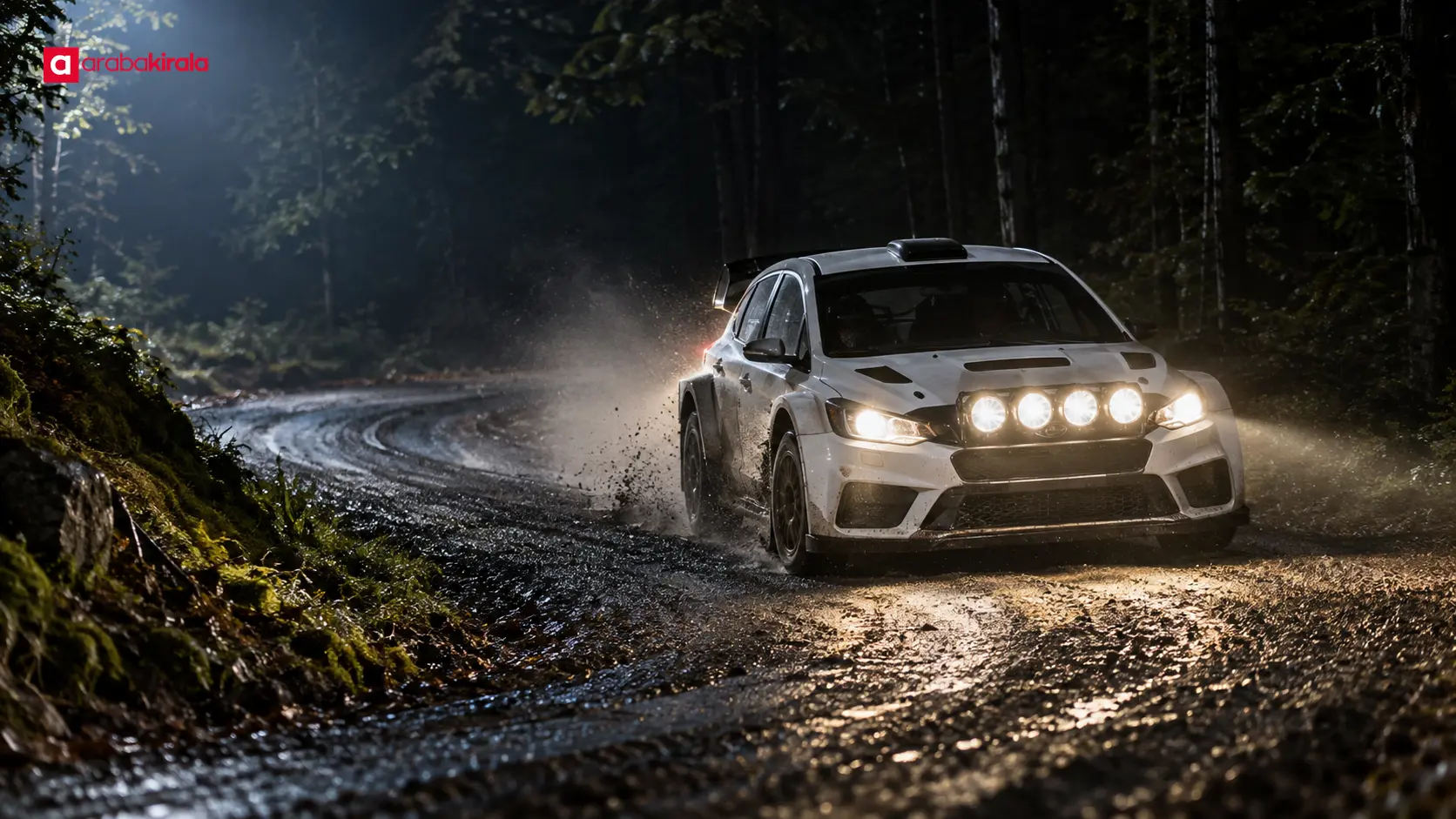
A rally stage is not a uniformly lit circuit. It may run over changing surfaces and through places with little ambient light. A road edge, loose stone, dip, crest or patch of standing water that is easy to pick out by day can be harder to see after dark. Headlights need to give the driver usable visual information: where the road goes, where its edges lie and how the surface changes.
Night stages are not always completely black. Moonlight, nearby settlements, weather and the route’s surroundings all affect ambient brightness. Yet this background light does not illuminate every section of road in front of the car in the same way. Rally cars can therefore use additional lighting alongside their main lamps.
Main headlights and auxiliary light pods
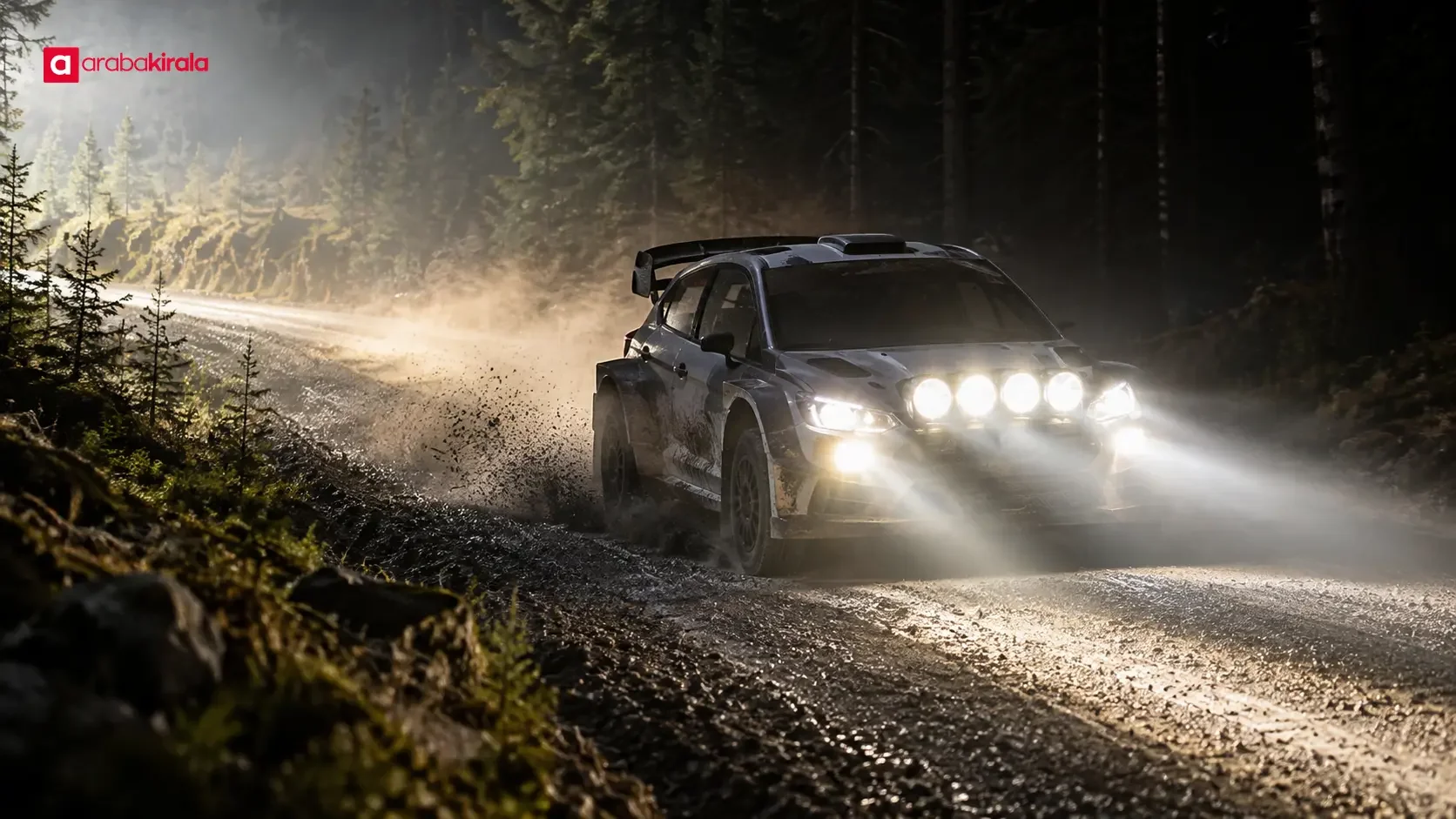
The main headlights provide a car’s basic forward lighting. Light pods are auxiliary high-intensity units added to a rally car’s front lighting arrangement to support visibility on dark stages. WRC’s glossary describes them as units typically mounted on the front bumper or bonnet and intended to improve visibility when stages take place in darkness.
The practical purpose of auxiliary lighting is to help the driver receive visual information from farther along the road. A broader illuminated area can make the road line and surface details easier to pick out earlier. The shape of the beam, the lamps’ position and how they are used depend on the car’s technical setup. It would be inaccurate to assume that every car carries the same number of lamps, mounted at identical angles or with identical brightness.
How light works with pace notes
In a rally crew, the driver reads the road while the co-driver calls notes prepared in advance. These describe features ahead, including the direction and character of corners. WRC explains that pace notes can also identify hazards such as potholes and jumps. At night, the lamps do not replace the notes. Light helps the driver interpret the visible section; pace notes provide information about the road approaching beyond the driver’s current view.
The two sources of information work together. The co-driver describes what is coming, and the driver relates that description to the visible surface and road line. Seeing a bright area is not enough: the driver still needs to understand where the road continues, how its edges change and what the surface may mean for the car’s response. Matching visual reading with pace-note calls is central to the crew’s decisions about speed and line.
What lighting cannot do
More light does not make every detail automatically visible. Dust, rain, fog and spray can reduce visibility, while reflections from wet or bright surfaces can make the surroundings harder to read. Areas beyond the illuminated section may remain dark. Drivers therefore cannot rely only on how far the lamps reach. Their choices about speed and line also depend on pace notes, knowledge of the route and the conditions they can see at the time.
Visual perception can change over the course of a night, too. Adapting to darkness, moving between lit and shadowed sections, and changes in ambient light affect the details a driver can pick out. Auxiliary lamps are a technical aid for visual perception in darkness, not a guarantee of perfect visibility or a substitute for sound driving decisions. Performance depends on the lighting working alongside crew coordination and appropriate judgement.
Preparing auxiliary lights before a stage
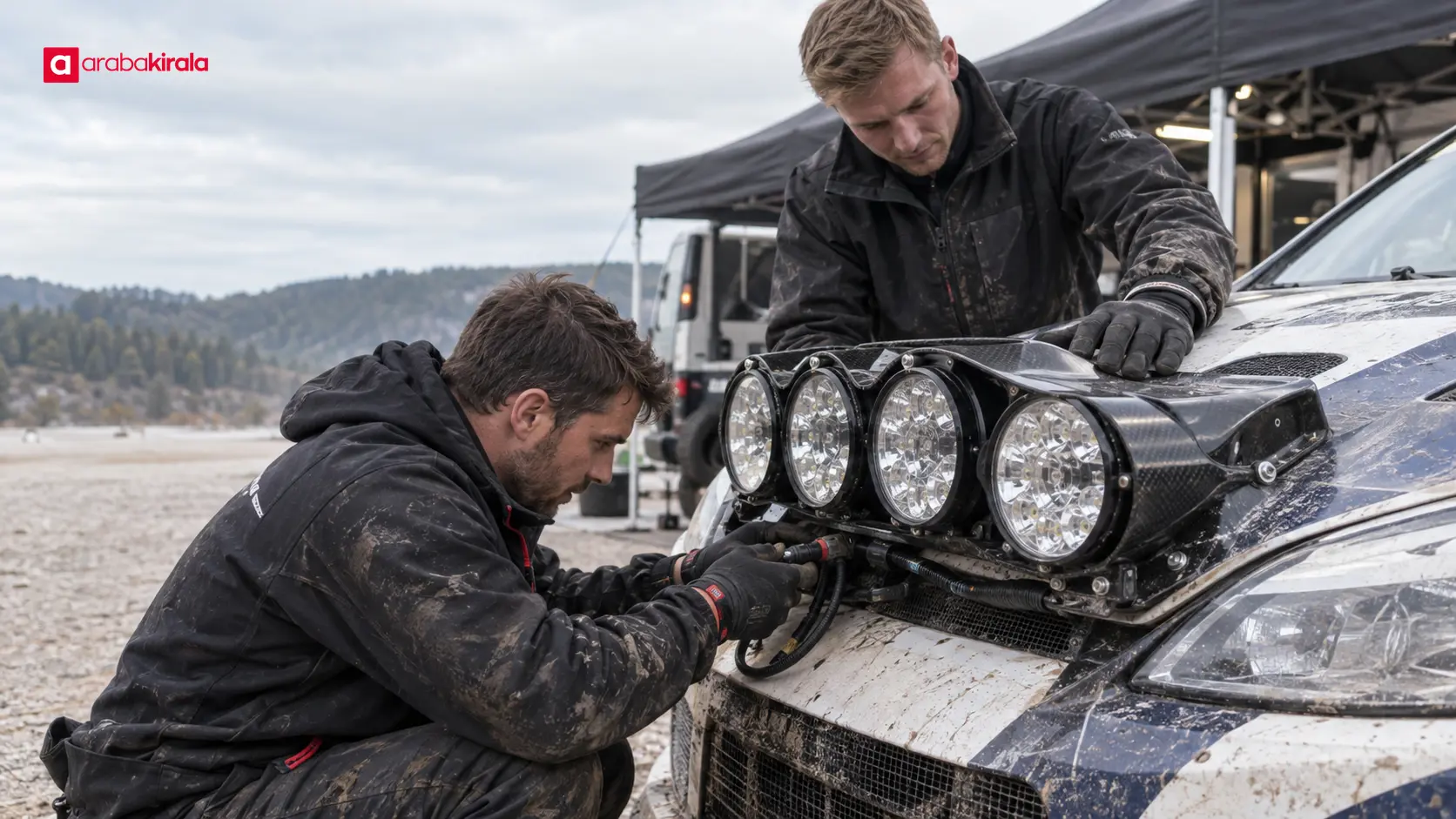
Getting ready for a night section involves more than switching lamps on. Rally event procedures can include designated light fitting zones where auxiliary units are installed or removed. FIA WRC sporting regulations from an earlier season described crew and team personnel fitting or removing auxiliary lights in these zones under officials’ supervision. The current procedure and schedule depend on the regulations in force for the event, so a past procedure should not be treated as universal across every season and stage.
The purpose of preparation is to have the car’s lighting arrangement installed correctly and ready for the stage. The technical team checks the fit and connections, while the crew considers the night conditions as part of its stage plan. For spectators, the obvious change is the extra group of lamps on the front of the car. Their presence alone, however, does not explain how the driver manages visual information in the cockpit.
What to watch for as a spectator
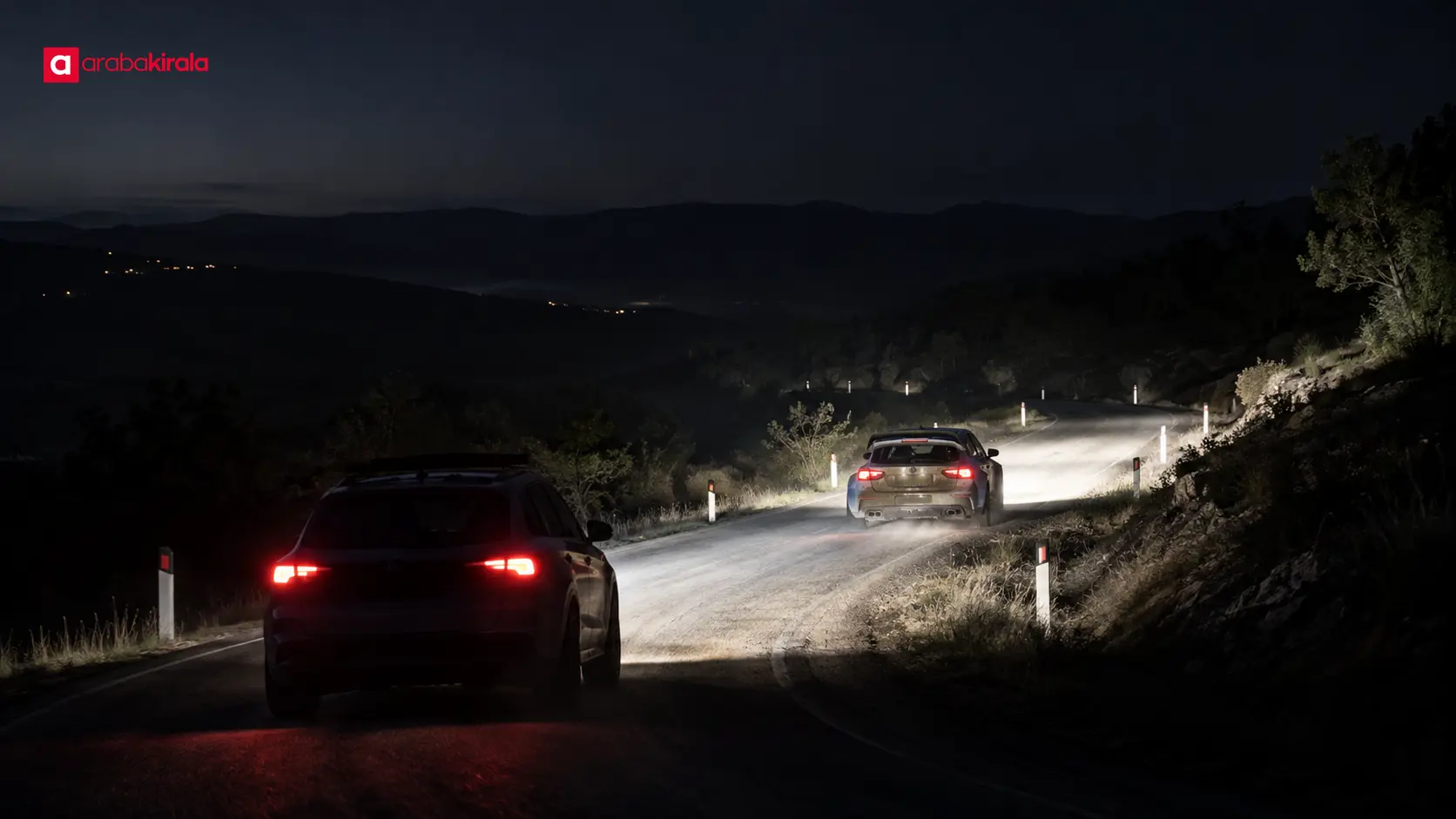
When watching a night stage, notice how the light pods create an illuminated area ahead of the car. Through corners, the beam’s direction relative to the road can make it easier to see how the car approaches a turn. Dust or a wet surface can alter the image through scattering and reflection, and broadcast brightness is not the same as the driver’s view. Camera exposure affects what viewers see on screen.
Also consider how the light works together with the co-driver’s calls. Pace notes describe sections the driver may not yet be able to see in the dark. It is more useful to understand night performance as the combined effect of lighting, route information and crew coordination than to credit it to lamp power alone.
In summary: lighting supports how the crew reads the road
On a WRC night stage, the main headlights provide basic visibility and auxiliary light pods help reveal a wider or more distant section of road. The driver combines that visual information with the co-driver’s pace notes and the conditions on the stage. Since weather, surface and ambient light can all change visibility, auxiliary lamps alone cannot guarantee safe driving. When you watch the next rally broadcast, follow how the beam moves across the road and how the co-driver’s calls add information beyond it.
Frequently Asked Questions
What are light pods on a WRC car for?
They are auxiliary lighting units fitted to the front of a rally car. On dark stages, they support visibility alongside the main headlights.
Do auxiliary lights let a driver go faster?
They can provide visual information about the road, but they do not guarantee faster or safer driving. Decisions about speed also involve the route, visibility, pace notes and the crew’s judgement.
Why does a co-driver matter on a night stage?
The co-driver’s pace notes describe approaching corners and road features that may not yet be visible to the driver. The driver can consider those calls alongside what the lights reveal.
Can rain or dust affect the lights?
Yes. Water, fog, dust and reflections can make it harder to see. Auxiliary lamps do not remove these conditions, which remain part of the driver’s assessment.
Do all WRC cars use identical light pods?
Details of the lighting arrangement depend on the car’s technical rules and setup. The visible units can vary, so one configuration should not be assumed to apply to every car.
Legal Disclaimer: All content, articles and information on the Araba Kirala website are provided solely to inform users. No information shared on this website constitutes definitive advice or guidance. Araba Kirala Teknoloji A.Ş. and its authors cannot be held responsible for any direct or indirect damages arising from the application of information on the website. For all questions and requests regarding car rental, please contact the office from which you will rent your vehicle.