How WRC Rally Car Brakes Adapt to Different Surfaces
Published: October 9, 2026 • Reading Time: 6 min • Last Updated: October 9, 2026
Learn how gravel, tarmac, and snow affect WRC braking, and how tires, brake balance, temperature, and driving inputs work together.
Contents
- What the braking system does
- Why the surface changes braking
- Tarmac: more grip can mean more heat
- Gravel: loose and changing grip
- Snow and ice: a narrow grip margin
- Tires, brake setup, and driving inputs work together
- Why brake temperature and maintenance matter
- A quick guide to surface differences
- Frequently Asked Questions
A WRC rally car brake system does not produce the same stopping distance or pedal response on every surface. As gravel, tarmac, and snow change the grip available to the tires, they also change how much braking force the wheels can transfer to the road. This guide explains what the brakes do, how surfaces and tire choice affect their behavior, why teams consider brake balance and temperature, and what viewers can look for when a car slows for a corner.
What the braking system does
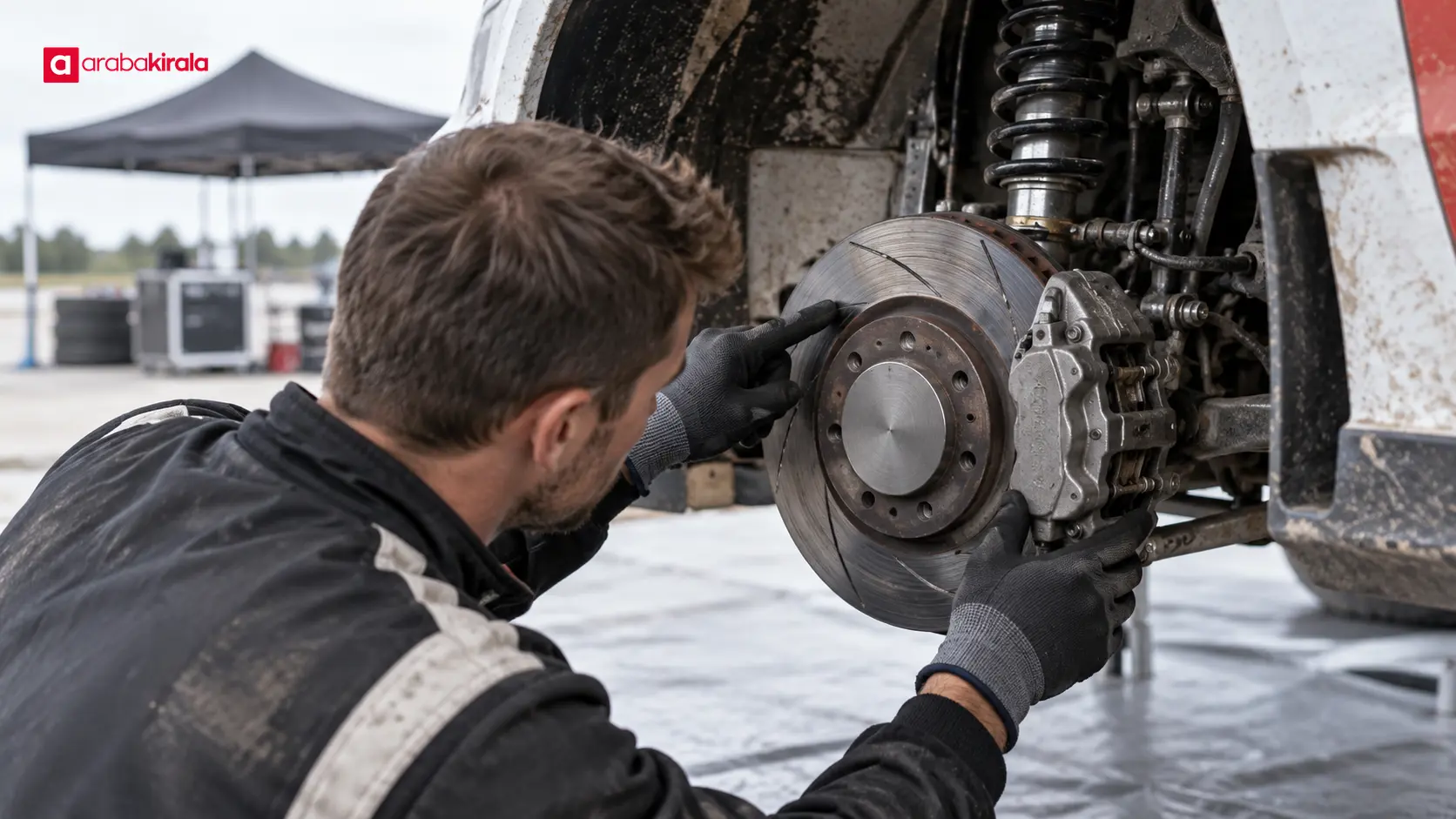
When the driver presses the brake pedal, hydraulic pressure carries that input to the braking mechanisms at the wheels. Brake pads press against discs, creating friction that turns the car’s movement energy into heat and reduces its speed. Brakes are not only for stopping. They also help a driver manage speed and weight transfer before a turn, preparing the car to change direction.
The front and rear brakes need to work together, but applying the same braking force at every wheel is not automatically best in every condition. Brake balance describes how braking force is distributed between the axles. A team can assess a setup for the car and stage conditions. A balance that is too far toward either axle can affect stability and the car’s line, especially when grip changes across the surface.
Why the surface changes braking
Tarmac: more grip can mean more heat
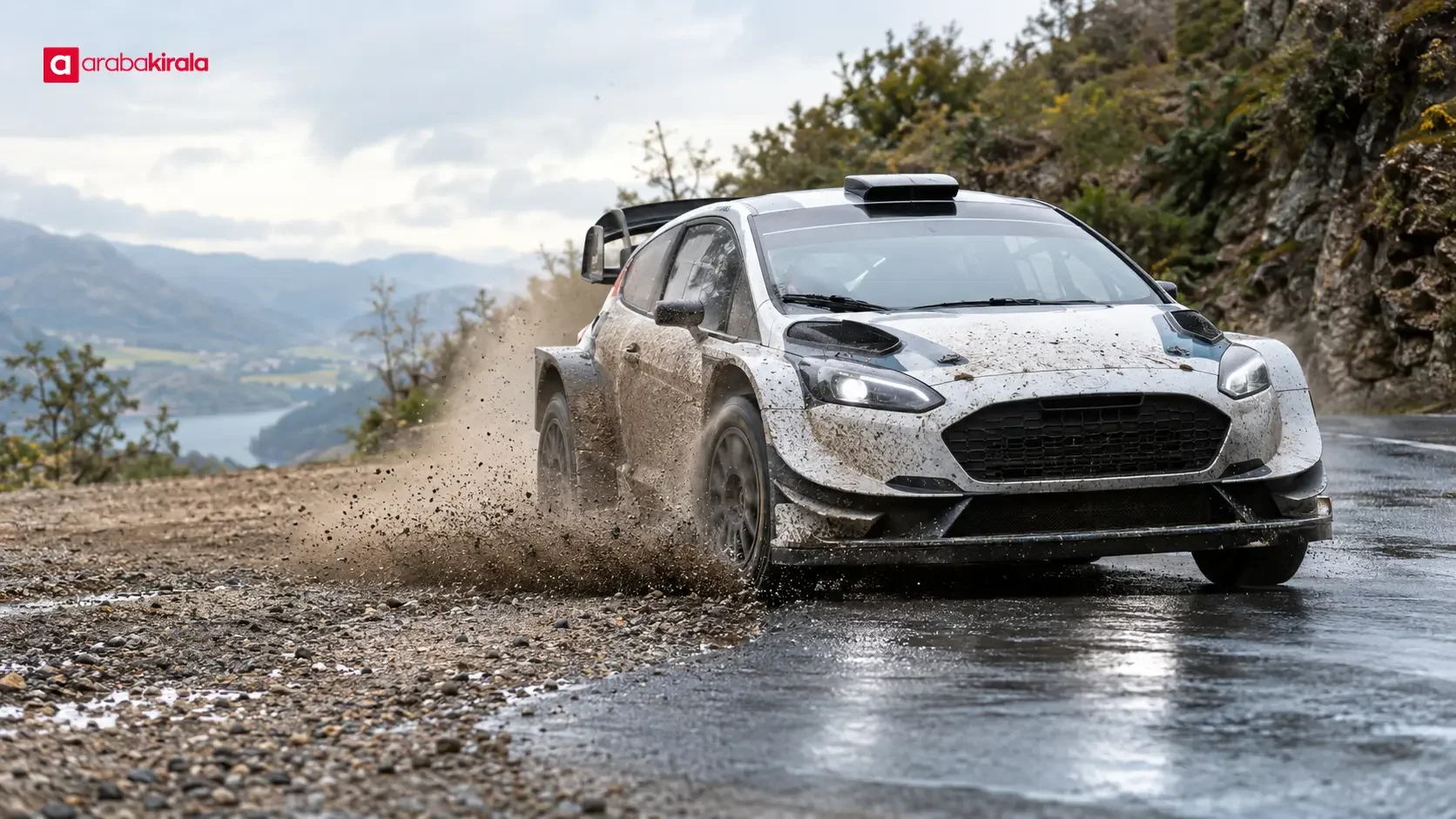
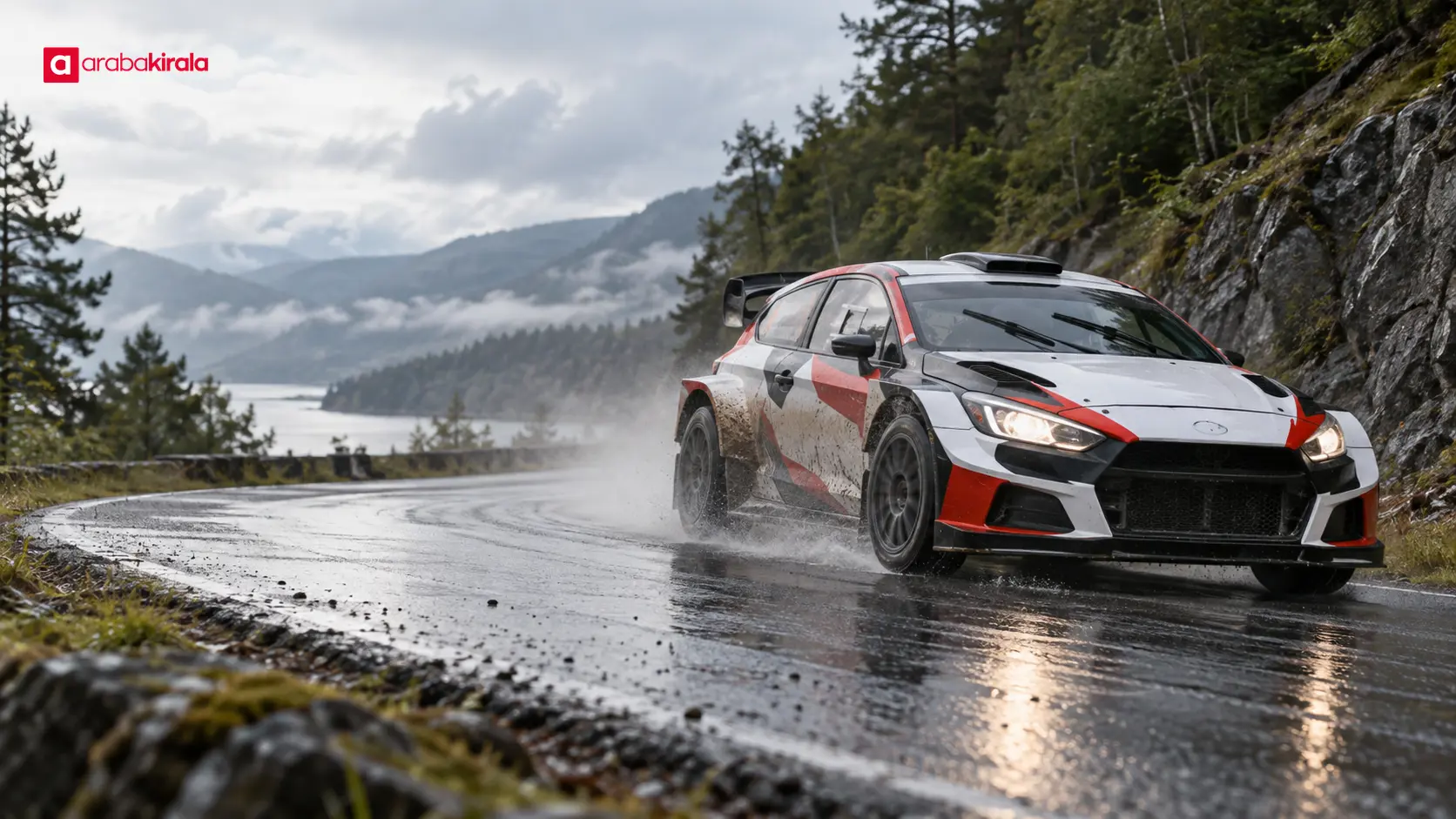
Dry, textured tarmac with a suitable competition tire can often provide more grip than gravel or snow. That allows the car to transfer more braking force to the road, but repeated hard braking from high speed can create substantial heat in the brakes. Heat changes how pads and discs behave. Teams consider stage length, corner frequency, ambient conditions, and sections that allow the brakes to cool. Wet tarmac can reduce grip, calling for more careful braking inputs and potentially longer stopping distances than on a comparable dry section.
Gravel: loose and changing grip
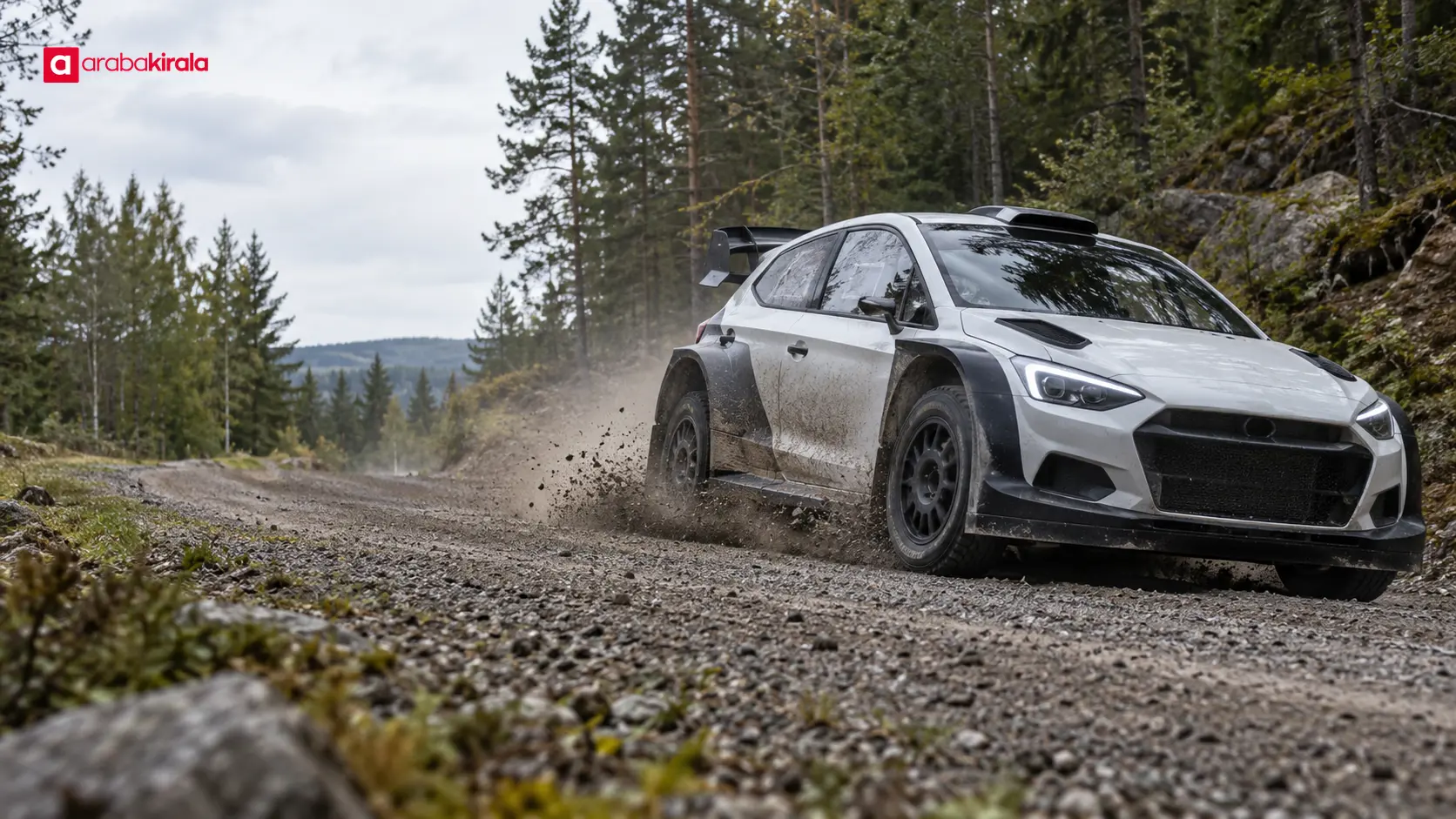
On gravel, tires run over loose particles that can move under braking. The resulting grip is less predictable than on many paved surfaces, and it may vary from one part of a stage to another. Drivers account for stones, ruts, slope, and the car’s approach angle as they control braking. Weight transfer can help prepare the car for a turn, but it is a separate part of driving technique, not a method that should be treated as a universal instruction for every corner.
Snow and ice: a narrow grip margin
Snow and ice can leave tires with limited grip. Studded tires used in some conditions can help create mechanical contact on ice, but grip still varies along a stage. Shaded patches, sunlit sections, compacted snow, and melting areas may produce different braking responses within a short distance. Smooth, measured pedal inputs help the driver preserve control. A braking point that works on one patch may not have the same result where the surface changes.
Tires, brake setup, and driving inputs work together
The brake system’s capacity alone does not determine stopping distance. Tire compound, tread, temperature, and suitability for the surface all affect how much force reaches the road. Brake balance distributes that force between the axles, while the driver’s timing and pedal pressure shape how the system works at that moment. When any of these factors changes, the same car can feel different under braking and on corner entry.
Stage notes give the driver advance information about corners, gradients, and surface changes. The driver still has to interpret those notes against conditions seen on the road; notes cannot guarantee a braking distance. When visibility is limited, the surface is damaged, or weather changes, the approach to speed and braking must adapt. The aim is not to brake as hard as possible at every corner, but to keep the car at a controllable speed and in balance.
Why brake temperature and maintenance matter
Brakes heat up as they absorb energy. Long braking zones, closely spaced corners, and deceleration from high speeds can increase the heat load. Excessive heat can reduce performance, change pedal feel, or accelerate wear. Airflow and cooling ducts can help manage brake temperatures; their effect depends on the car’s design and stage conditions.
The technical crew checks the condition of discs and pads, wear, connections, and any unusual behavior observed in the system. Component choices are also considered in light of the stage. Any unusual noise, damage, or change in braking performance should be assessed by the crew. Work on a competition car’s brakes belongs to trained technical staff. Brake components can become extremely hot, so touching them soon after the car stops is dangerous.
A quick guide to surface differences
- Tarmac: Grip may be higher, while repeated hard braking increases heat. Wet conditions change the picture.
- Gravel: Loose, variable material makes the transfer of braking force less predictable.
- Snow and ice: Grip is limited and can vary locally; tire choice and controlled inputs matter.
- Every surface: Tires, brake balance, temperature, stage information, and driver inputs must be considered together.
When watching a rally stage, look at the surface, tire tracks, and how the car approaches a corner to understand braking in context. Disc size alone does not tell the full story; grip, temperature, and balance all matter. In everyday driving, stopping distance also depends on surface, weather, tire condition, and speed. Adjust your following distance to the conditions and follow the vehicle’s owner’s manual safety guidance.
Frequently Asked Questions
Do WRC teams change brake setups for different surfaces?
Teams can assess brake settings and selected components in light of conditions. The exact setup depends on the car, stage, and applicable competition rules, so one configuration should not be assumed for every event.
Why do rally car brakes get so hot?
Braking converts movement energy into heat. Decelerating from high speeds and braking frequently for corners can add to the heat load. Teams monitor components and cooling arrangements for the stage conditions.
Is braking distance always longer on gravel than on tarmac?
No single answer covers every combination of conditions. Grip depends on loose material, tires, speed, gradient, and weather. Surface type alone is not enough to calculate a definite stopping distance.
How do studded tires affect braking on ice?
In suitable conditions, studs can help the tire engage mechanically with ice. Ice texture and temperature still vary, so studs do not guarantee the same grip at every point.
What does brake balance mean in a rally car?
It refers to how braking force is distributed between the front and rear axles. That distribution can affect stability while slowing and the car’s approach into a turn, so it is assessed for the vehicle and stage conditions.
Legal Disclaimer: All content, articles and information on the Araba Kirala website are provided solely to inform users. No information shared on this website constitutes definitive advice or guidance. Araba Kirala Teknoloji A.Ş. and its authors cannot be held responsible for any direct or indirect damages arising from the application of information on the website. For all questions and requests regarding car rental, please contact the office from which you will rent your vehicle.