How to Plan a WRC Rally Day: Stages, Road Sections and Time Controls
Published: October 7, 2026 • Reading Time: 7 min • Last Updated: October 7, 2026
Learn how to plan a WRC spectator day around special stages, road sections, time controls, travel time and safe viewing areas.
Contents
- The main parts of a rally day
- Special stages and the service park
- Read the itinerary and choose a viewing point
- How many stages can you watch in one day?
- Road sections and travel time
- Planning a visit with a rental car
- What does a time control mean?
- A practical checklist for a safe day
- Frequently asked questions
- Is it safe to watch rally cars on a road section?
- Can I watch several special stages in one day?
- Is a time control the same as a stage start?
- Summary: plan around real access
A WRC rally day plan involves more than choosing where to watch the cars. The day links special stages, road sections between stages, the event schedule and designated spectator areas. This guide explains what those parts mean, how time controls differ from stage timing, how to choose a realistic viewing plan and what to consider when travelling by car. Use the event’s own schedule and spectator information for access details, since routes and arrangements vary by rally.

The main parts of a rally day
A rally itinerary combines special stages, where competitors are timed over a closed route, with road sections that connect one part of the itinerary to another. On a special stage, crews compete against the clock. On a road section, they travel between locations according to the rally route and schedule. These sections serve different purposes, so seeing a rally car on a connecting road is not the same as watching a timed stage.
The distinction matters for spectators because a road used by competitors is not automatically an approved viewing place or a closed road. Traffic arrangements, closures and access rules depend on the event. Build your plan around the official spectator map and current event notices, rather than assuming that a convenient roadside location is accessible.
Special stages and the service park
A special stage is the section where a competitor’s elapsed time is measured from the start to the finish. Start areas, finish areas and spectator zones may be at different points along the route. The appearance of a stage name in the schedule does not mean every part of that road is open for spectators. Choose locations identified for viewing and follow marshals’ instructions; do not cross barriers or enter restricted areas.
The service park is where teams carry out scheduled work on their cars. It offers a different kind of rally experience from watching a stage, and access arrangements are set by the event. Since the service park and stage viewing may require different travel and timing, check their locations and the day’s programme before trying to fit both into one visit.
Read the itinerary and choose a viewing point
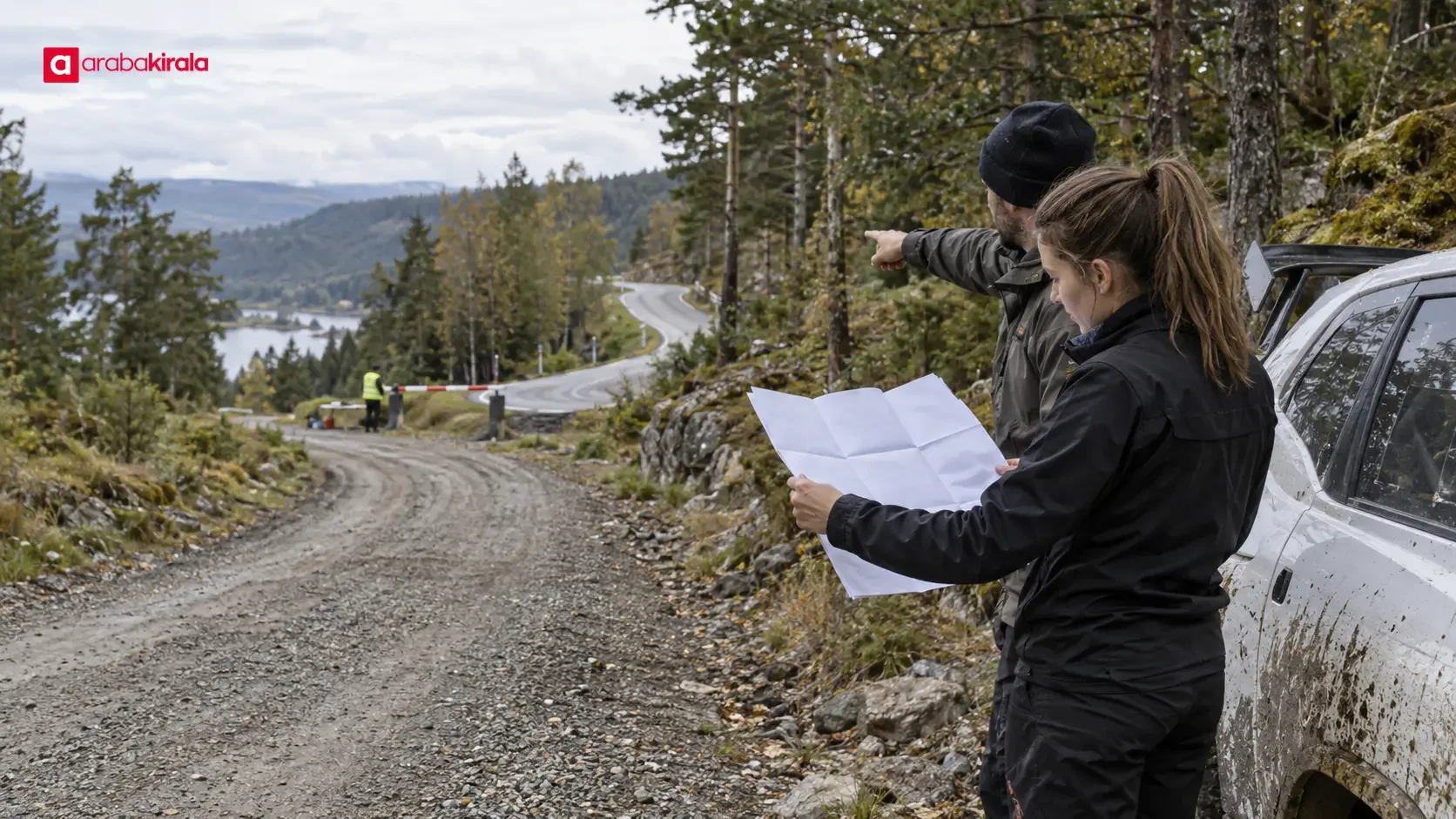
The rally itinerary can include stage order, planned start times, route information and, depending on the event, spectator guidance. Read it as a route plan, not simply a list of times. Stage numbers and names help distinguish sections, including repeat runs; the map shows how those locations relate to one another and to the places you will travel from.
Decide what kind of experience you want before choosing a point: a broad view of the cars passing, a particular section of road, a service-park visit or more than one stage in the day. Viewing conditions and access are not identical everywhere. Going to a place that is not identified as an approved spectator area can create both access and safety problems.
How many stages can you watch in one day?
There is no universal number. The practical answer depends on distance, road closures, parking, walking time, crowd levels and the transition between stages. Two places that look close on a map may be difficult to connect because of closures or event traffic arrangements. For a first visit, a single main viewing location is often easier to manage; add another only if the official schedule and access map leave adequate time.
For each location, allow time to reach the parking area and walk to the viewing zone, not just time before the stage’s planned start. Searching for parking at the last moment or overlooking a long walk can mean arriving after access has changed or the action has begun. Check the event’s published access and closure times, and rely on official event updates for precise arrangements.
Road sections and travel time
Road sections shape the travel plan between stages. The competitors’ route and your spectator journey are separate flows. A navigation app’s distance estimate alone may not reflect closed roads, traffic direction, spectator parking or the walk from a parking area to the stage. Those details can make a short-looking transfer take longer than expected.
Save a route for each viewing point and check it against the event’s access information. A phone map can help with preparation, but it does not replace marshals’ instructions or official closure notices. Set the route before driving and avoid handling a phone while the vehicle is moving; a passenger can assist with navigation if needed.
Planning a visit with a rental car
If you are travelling from a city to a rally area by car, use official parking and access information instead of assuming that any roadside space near a stage is suitable. Ask the branch you will rent from about the details that apply to your reservation, such as collection and return times, mileage conditions, whether a different return location is available, and other contract terms. These are supplier and branch details, so do not rely on a general assumption.
At collection, review the car’s visible condition, fuel or charge level and odometer reading with the staff member so the starting record is clear. Ask how the vehicle condition and mileage will be recorded at return. Do not assume that a rented vehicle may be driven onto rough ground or into a restricted rally area: check the contract and branch guidance, and follow the event’s parking arrangements.

What does a time control mean?
A time control is a point in the rally itinerary where a competitor’s passage is recorded against the schedule. Stage timing is different: it measures the time from the special-stage start to its finish. The records have different purposes. Timing on a road section supports the running schedule, while the stage time measures performance over the competitive route.
For spectators, a time control may help explain when cars are expected to pass through part of the itinerary, but it does not mean they will travel at stage speed there. A control point may not be open to spectators, or access may be limited by safety and traffic arrangements. Do not go to a point unless the official spectator plan identifies it as accessible, and do not follow rally cars along the route.
A practical checklist for a safe day
- Check the official itinerary, spectator map and latest access notices.
- Choose one main viewing point; add a second only when the route, closures and walking time make it realistic.
- Include parking and the walk to the viewing area in your travel schedule.
- Stay in designated safe areas, keep out of restricted zones and follow marshals’ directions.
- Prepare clothing and essentials for the day’s weather and time outdoors.
- Plan breaks and fuel or charging around the full day’s travel, and set navigation before driving.
- If renting, ask your rental branch about the terms and collection and return details for your reservation.
Frequently asked questions
Is it safe to watch rally cars on a road section?
A road section is not a competitive stage and may operate under normal traffic arrangements, but event-day access and traffic conditions can vary. Do not assume that stopping beside the road to watch is safe or permitted. Use locations designated for spectators and obey signs and event staff.
Can I watch several special stages in one day?
It may be possible when the itinerary and access arrangements allow it, but the gap between start times is not the only factor. Account for closures, parking access and walking time. Confirm the transfer on the official map and leave enough margin to reach each location safely.
Is a time control the same as a stage start?
Not necessarily. A time control records a competitor’s passage in relation to the itinerary; the special-stage start begins the timed competitive section. They may be marked separately in event documents. For viewing, use only points that the organiser has opened to spectators.

Summary: plan around real access
A useful WRC rally day plan starts with understanding the difference between a special stage and a road section, then matching the itinerary to travel, parking and walking time. Check the official map, choose one main stage, verify the route and access arrangements, and add another viewing point only if the schedule allows. If you are renting a car, confirm reservation-specific terms with the branch you will use. That preparation leaves more of the day for following the rally safely and less for rushing between uncertain locations.
Legal Disclaimer: All content, articles and information on the Araba Kirala website are provided solely to inform users. No information shared on this website constitutes definitive advice or guidance. Araba Kirala Teknoloji A.Ş. and its authors cannot be held responsible for any direct or indirect damages arising from the application of information on the website. For all questions and requests regarding car rental, please contact the office from which you will rent your vehicle.