WRC Rally Format: How Stages Shape the Overall Standings
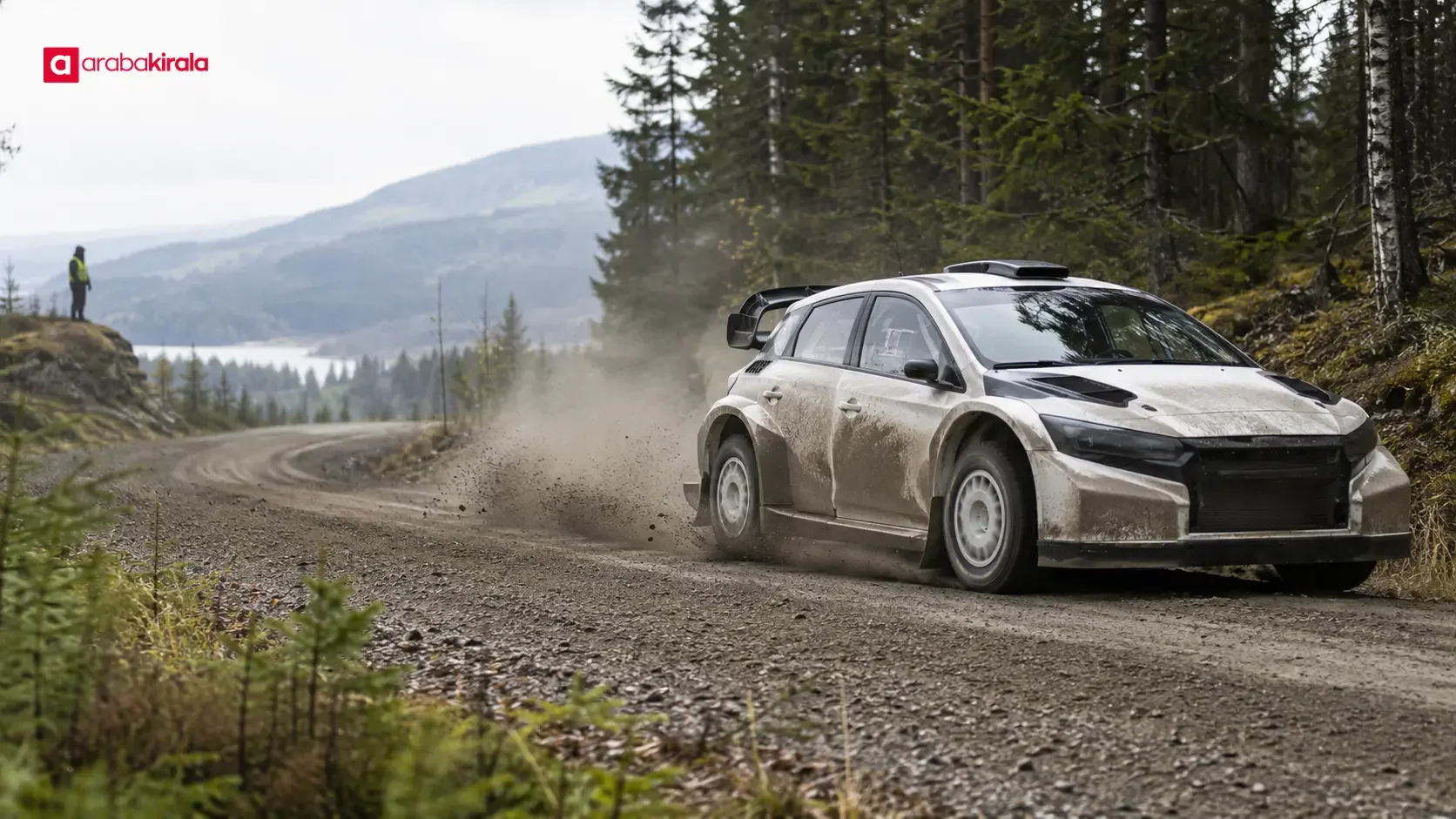
The WRC rally format is built around timed sections on public roads closed for competition, rather than repeated laps on one circuit. A rally usually unfolds over several days, with crews completing a sequence of special stages. Each stage has its own clock, and the recorded times accumulate to show the event’s overall order. Understanding the relationship between a single stage, a day’s result and the overall classification helps explain why a driver can win a stage yet remain behind in the rally, or move up through consistent times across many sections.
What is a special stage?
A special stage is a defined road section driven against the clock between a start and finish control. Rally routes may use asphalt, gravel, snow or changing combinations of surfaces. Each stage has a distinct length and character. Before competition, crews recce the route and prepare pace notes. During the stage, the co-driver reads those notes to describe corners and changes in the road ahead. Performance therefore depends on more than car speed: route understanding, rhythm, tyre choices, reliability and communication all matter.
Special stages are connected by road sections where crews travel under ordinary traffic conditions and must follow applicable road rules and the event schedule. These liaison sections are not timed as competitive stages. A delay on a road section may be handled under the rally’s specific regulations, so it is useful to distinguish the stage clock from the time spent travelling throughout the day. The displayed stage time measures the competitive section, not the entire journey between service areas.
How daily stages build the overall result
A rally day typically contains multiple special stages. A route may be repeated, and conditions can change as more cars pass over it or as weather develops. Each crew’s time on a stage is recorded, then combined with its other stage times to form the running classification. The quickest time on one section is a stage win; it is not, by itself, a rally victory. The differences from all other stages remain part of the cumulative calculation.
The overall classification brings together the event’s accumulated competitive times. If a crew gains a few seconds in one place but loses more elsewhere, its total position can fall. Penalties applied under the event regulations can also affect the official order. For that reason, following stage winners alone gives an incomplete picture. Compare each stage result with the cumulative gap to understand whether a crew is gaining ground across the rally as a whole.
Daily classification versus overall classification
A daily classification summarizes performance over a particular day. The overall classification includes the accumulated results from the start of the rally through the current point. A crew can top the day’s table while still trailing overall because of time lost earlier. Another crew may not be fastest on the day but can lead overall through steady performances. Checking the heading on a timing screen matters: “stage,” “day” and “overall” describe different scopes of results.
The Power Stage and championship points
A designated stage on the final day may be run as the Power Stage. Under the championship’s applicable scoring format, its leading performers can earn additional championship points. This creates two related but distinct layers of results. The rally’s overall classification is based on the event’s accumulated times and applicable adjustments; season points are awarded under the championship’s scoring rules. A strong Power Stage can help a crew’s championship campaign without automatically making it the winner of the rally overall.
Scoring rules and the way points are allocated can vary by season or category. For a specific event, consult current FIA WRC regulations and the official results. To understand how daily stages affect the rally classification, the key references are the individual stage times and the cumulative overall table.
Service periods and continuing in the rally
Between groups of stages, cars may enter a service area for scheduled checks and work within the event’s rules. Teams assess wear, address permitted maintenance and prepare the car for the next stages. Reliability matters throughout a rally: a fast time can be outweighed by time lost later because of a technical problem or damage.
If a car stops on a stage, the crew’s safe recovery and its eligibility to return on a later day are separate questions. Restart provisions and any associated time treatment are governed by the event regulations. A car missing from one day’s timing does not, by itself, establish its final status in the event. The official timetable and results provide the reliable record.
What to watch when following stage times
- Stage time: This reflects performance on one road section. It should not be confused with the rally’s overall position.
- Cumulative gap: The difference to the leader or the next crew in the overall table shows whether the margin is growing or shrinking over time.
- Stage conditions: Surface, weather, visibility and changes caused by earlier cars can affect pace. Comparing raw times across dissimilar stages can be misleading.
- Starting order: On loose surfaces, cars running early may encounter a road-cleaning effect. Starting position provides context when assessing stage times.
- Official status: Live timing can be provisional while checks or decisions remain. Use the organizer’s final official classification for confirmed positions.
Why the format helps spectators understand rallying
The format reveals how crews adapt to changing roads and surfaces. Circuit racing repeats laps on a controlled track, while a rally presents a succession of road profiles. Pace notes help the driver prepare for corners and surface changes that may not yet be visible. This makes the co-driver’s role central and shows why outcomes reflect preparation, judgment and adaptation as well as vehicle performance.
Results can also evolve throughout the event. Time lost on one stage may be recovered later, while consistent pace across many stages can prove more valuable than a single standout run. Spectators get the clearest picture by following both individual stage times and the cumulative classification. Power Stage points may matter separately to the season championship, so they should not be read as the same measure as the rally’s overall result.
Frequently asked questions
Does winning a stage mean winning the rally?
No. It means the crew recorded the fastest time on that particular section. The rally’s overall order reflects accumulated times across the event, along with any applicable adjustments.
Why can the daily order differ from the overall standings?
The daily order covers that day’s performance, while the overall table carries forward time differences from earlier days. The day’s leader may therefore still trail in the cumulative classification.
Does the Power Stage decide the overall rally winner?
The Power Stage is a final-day stage that may offer championship points under the applicable scoring system. Its time forms part of the stage results, while its additional points are a separate championship consideration. The Power Stage alone does not determine the overall rally winner.
Are times shown during a stage final?
Live times may be provisional until official checks are complete. For a confirmed order, refer to the organizer’s published final results.
The simplest way to follow daily stages is to read each stage result alongside the cumulative time gap. Stage times show immediate performance, the overall table summarizes the rally to that point, and Power Stage points relate to the championship’s scoring layer. Keeping those measures distinct makes the event’s progress easier to understand.
Legal Disclaimer: All content, articles and information on the Araba Kirala website are provided solely to inform users. No information shared on this website constitutes definitive advice or guidance. Araba Kirala Teknoloji A.Ş. and its authors cannot be held responsible for any direct or indirect damages arising from the application of information on the website. For all questions and requests regarding car rental, please contact the office from which you will rent your vehicle.