WRC Rally Headquarters and Spectator Areas: What Do They Do?
Published: October 6, 2026 • Reading Time: 7 min • Last Updated: October 6, 2026
Learn how WRC rally headquarters supports event operations, why spectator areas are designated, and how to plan a safe, well-organized day watching a rally in person.
Contents
- How do WRC rally headquarters and spectator areas work?
- What is rally headquarters?
- Headquarters and a rally stage are different
- The role of headquarters in event operations
- Why are spectator areas designated?
- Spectator areas, access roads and service areas
- Planning your day at a rally
- Practical principles for safer viewing
- Frequently asked questions
- Is WRC rally headquarters where spectators watch the cars?
- Why aren't spectator areas set up along every part of a stage?
- Can I watch more than one stage in a day?
- Which information should I prioritize when going to a viewing area?
- In summary: headquarters coordinates, spectator areas organize viewing
How do WRC rally headquarters and spectator areas work?
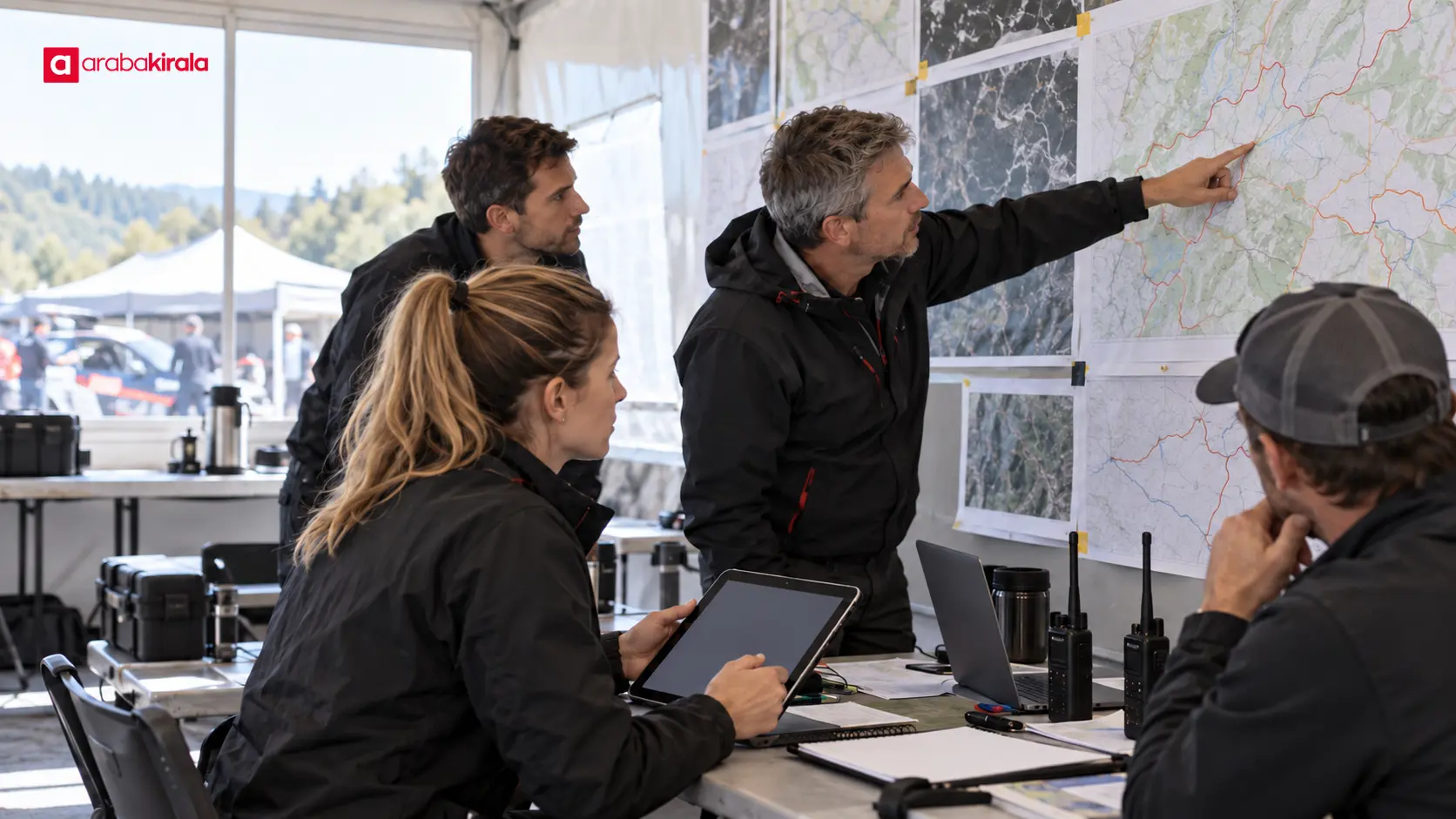
This guide explains what rally headquarters does, why spectators are directed to specific viewing points, and how to plan a day at a WRC event. Rally headquarters is the central working point where event personnel and relevant teams follow the programme and coordinate operations. Spectator areas are designated places from which visitors can watch the cars. They belong to the same event but serve different needs: headquarters supports coordination, while viewing areas organize the spectator experience.
What is rally headquarters?
A WRC rally does not take place on one permanent circuit with a single grandstand. It follows a moving programme of stages in different locations, linked by road sections. That spread makes coordination necessary. Rally headquarters provides a shared point for following the event schedule, operational status and relevant communications.
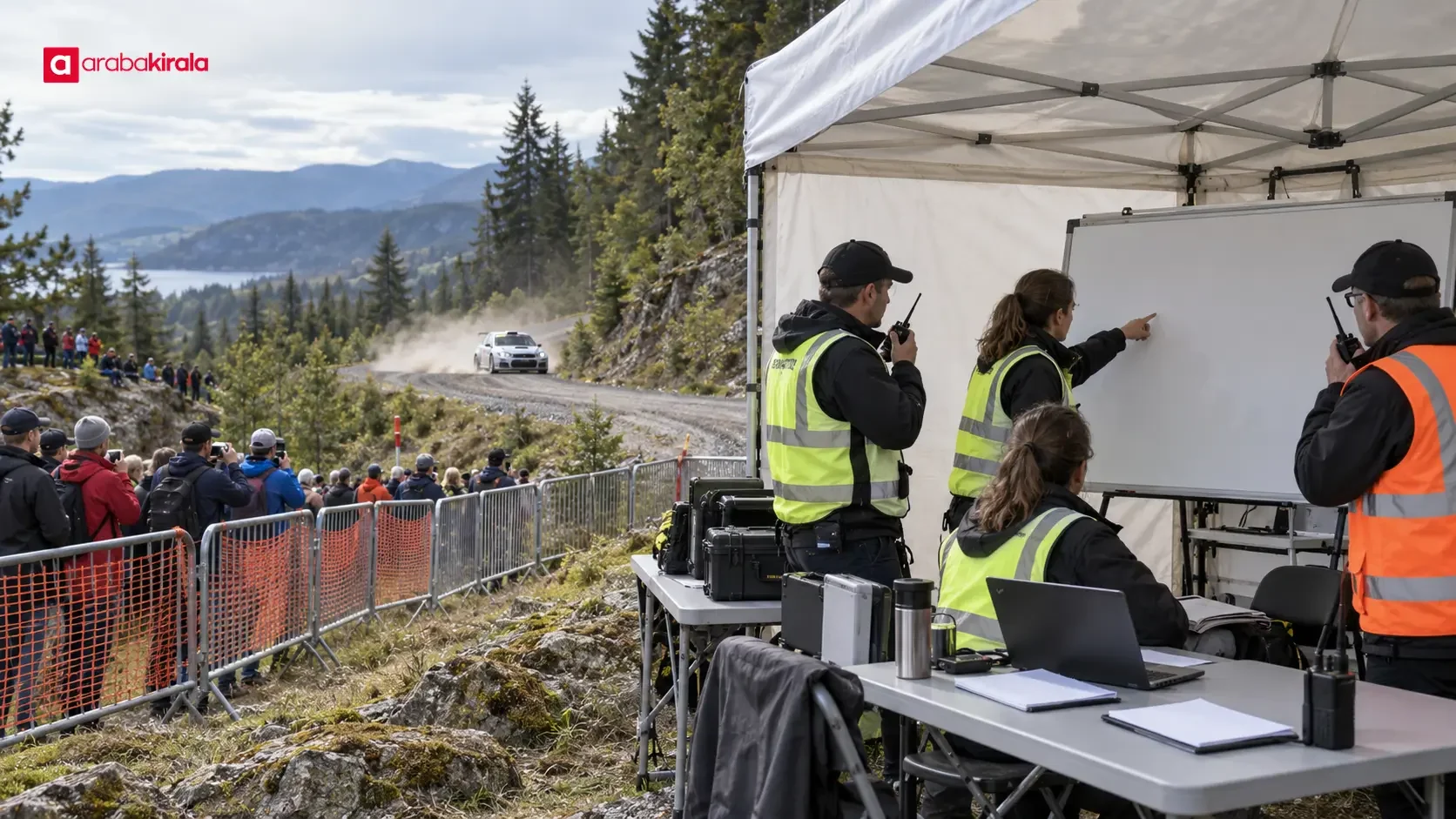
Event officials and relevant teams use the headquarters environment to monitor how the programme is progressing. The timing and readiness of stages, the status of operations, and the communication of event information form part of that broader coordination. This does not mean that every decision or task is handled in one room. Officials also work at stages and along the route. Headquarters is best understood as a central coordination point for an event whose activity is distributed across many places.
Headquarters and a rally stage are different
Rally headquarters is not automatically a grandstand or a place where visitors can see the cars compete. A stage is the road section on which cars race. A spectator area may be a separate location near that road, selected for viewing. The distinction matters when planning a visit: someone interested in event operations needs different location and access information from someone hoping to watch a stage pass.
The role of headquarters in event operations
A rally that moves through several stages according to a timetable depends on coordination. Headquarters helps relevant personnel follow the programme within a common operational framework. Event progress, operational decisions and communication connected with the running of the stages fit within this coordination function. Details vary by event, so a general description should not be mistaken for a complete account of the procedures at every rally.
One useful function of a central point is to help prevent a large, spread-out event from becoming a collection of disconnected activities. Stage personnel carry out their field responsibilities, while headquarters follows the wider programme and relevant communications. This brings the schedule, field operations and team preparations into a shared framework. Much of this work happens in the background for spectators. Visitors should rely on the published programme and access instructions that apply to the event they are attending.
Why are spectator areas designated?
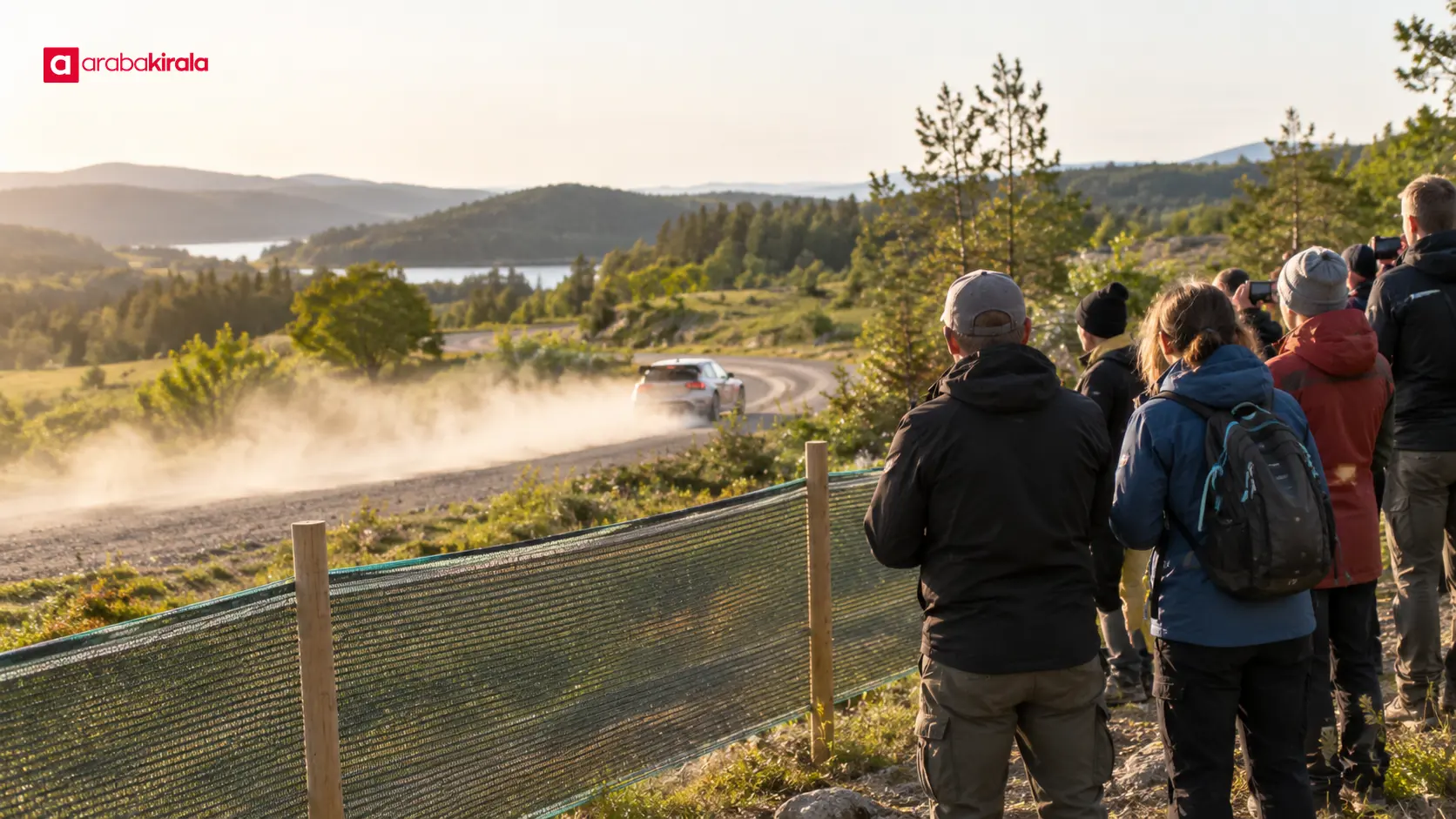
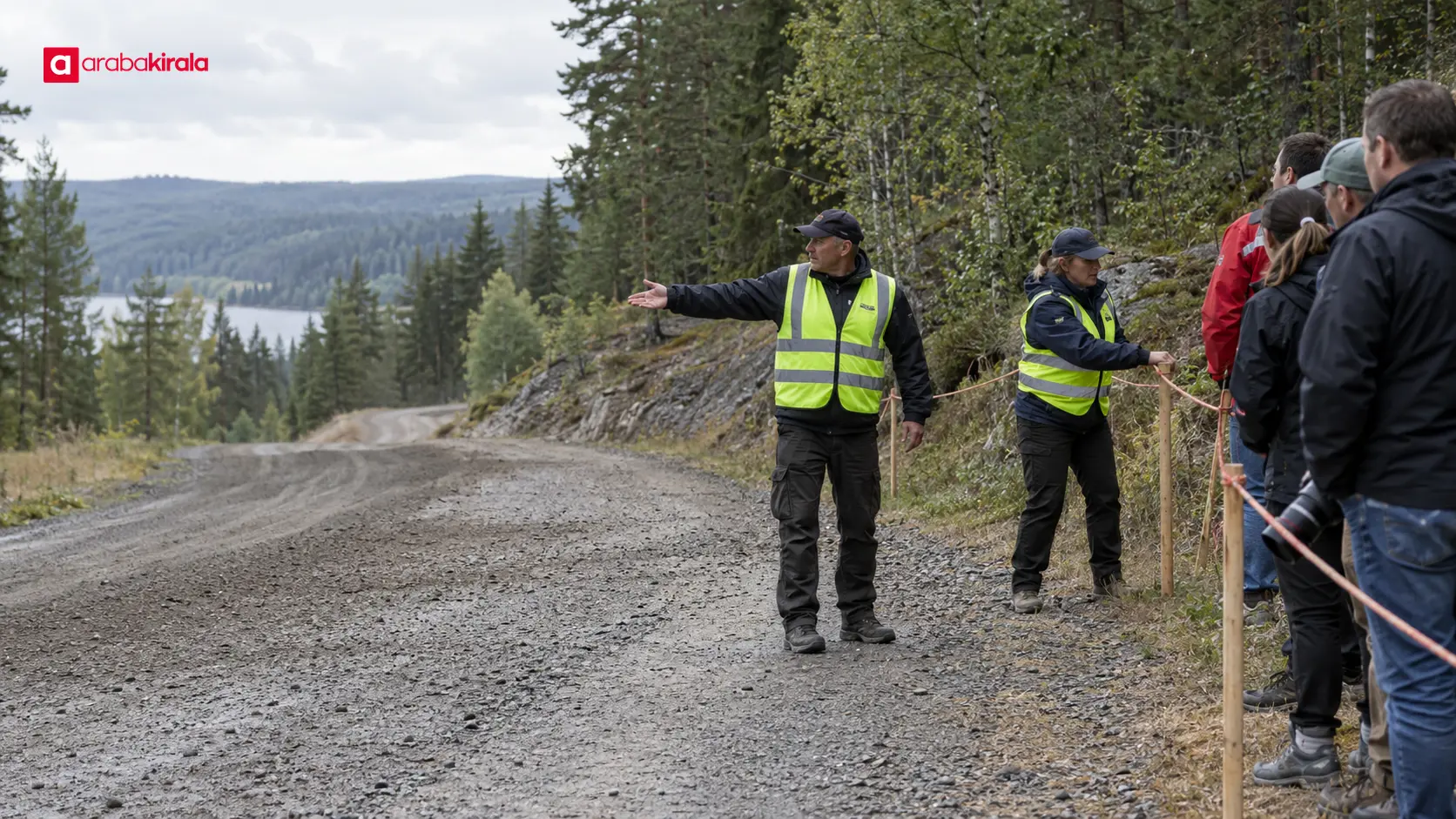
Rally cars travel at speed along road sections used for the event. Spectators therefore cannot choose an arbitrary place beside the route. Designated areas take account of viewing access as well as safety and the management of people and operations on site. Keeping visitors in those areas helps prevent them from entering the cars' path, officials' working space or routes that need to remain accessible.
A spot with a clear view is not necessarily a permitted or suitable place to watch. Moving onto the road, crossing a barrier or instruction line, or standing in the path of an approaching car can create serious danger. Sections where a car might change direction or leave the road, and places where visibility is restricted, require particular care. Follow the event's designated viewing map and the instructions given by officials on the day.
Spectator areas, access roads and service areas
A rally route may include access roads, official posts and places where teams carry out their work, in addition to spectator areas. These spaces are not all open to visitors. A service area, for example, is part of the operational environment used by teams and cars for rally-related work; a spectator area is set aside for viewing. Keeping access, work and viewing functions distinct helps visitors reach the right place and reduces disruption to the event.
A location appearing on a map or programme does not by itself mean that spectators may enter it. Check the event's current spectator map and access notes, and follow directions from local officials. Use the stated route instead of trying to reach a restricted place by a shortcut.
Planning your day at a rally
Watching several stages in one day may sound appealing, but distances between them, access roads, closures and schedule times all affect what is practical. Do not assume that there will be enough time to move from one stage to another. Choosing your viewing point in advance makes it easier to assess travel and waiting time realistically.
- Check the organizer's current schedule and spectator map; do not rely on an old screenshot.
- Confirm through the relevant event information whether your chosen spectator area is open, how to reach it and whether any viewing instructions apply.
- Before leaving, consider the stage time, your expected arrival and any walking distance.
- Wear clothing and footwear suited to the weather, and plan for water and personal essentials if you will wait outdoors.
- If travelling by car, review current parking and access information. Do not stop on the road or block access.
- Follow officials' instructions. If the boundary or access arrangements change, follow the directions given on site.
Practical principles for safer viewing
At a rally, safety comes before finding the best view. Stay within the designated area and do not cross barriers, marked boundaries or lines controlled by officials. Do not move around as a car approaches, and do not leave a safe position to take a photograph or video. Keep a close eye on children and leave other spectators enough room to move.
Do not decide for yourself that a road is safe to cross between cars. It may remain part of the rally course until event officials reopen it. The roadside, the outside of a bend or a place with blocked visibility is not a safe alternative. If you do not understand an instruction, ask an official for clarification rather than proceeding or following a crowd across a boundary.
If you are considering a rental car for transport, check the organizer's current information for access to viewing points and parking. For rental details tied to your reservation, such as the collection location, vehicle category or timing, contact the branch you plan to rent from. Those rental details do not establish whether a rally area is open to visitors; event access is governed by the organizer's information.
Frequently asked questions
Is WRC rally headquarters where spectators watch the cars?
Rally headquarters generally supports operations and coordination; it does not serve the same function as a spectator area beside a stage. Check the event's official information to learn whether a particular headquarters is open to visitors and what access arrangements apply.
Why aren't spectator areas set up along every part of a stage?
Not every part of a road is suitable for public viewing. Safe access, sightlines, officials' work and protection of the rally route all affect which points can be used. Watch only from areas designated by the event.
Can I watch more than one stage in a day?
That depends on where the stages are, their scheduled times, access arrangements and the time needed to travel between them. Review the current map and programme, and account for distance and spectator access limits before making a tight plan.
Which information should I prioritize when going to a viewing area?
Follow the organizer's current official schedule and spectator map, along with instructions from officials on site. Information left over from a previous rally or directions for a different location may not apply to the current event.
In summary: headquarters coordinates, spectator areas organize viewing
WRC rally headquarters is a working point for coordinating the programme and operations of an event spread across stages. Spectator areas make viewing possible at designated locations within the site arrangements. Understanding the distinction helps you find the right place and separate behind-the-scenes coordination from the visitor experience. As a next step, choose the stage you want to watch, check the organizer's current map and timings, plan your transport, and stay within the designated spectator area while following officials' directions on the day.
Legal Disclaimer: All content, articles and information on the Araba Kirala website are provided solely to inform users. No information shared on this website constitutes definitive advice or guidance. Araba Kirala Teknoloji A.Ş. and its authors cannot be held responsible for any direct or indirect damages arising from the application of information on the website. For all questions and requests regarding car rental, please contact the office from which you will rent your vehicle.