How the WRC Rally1 Hybrid System Managed Power and Energy
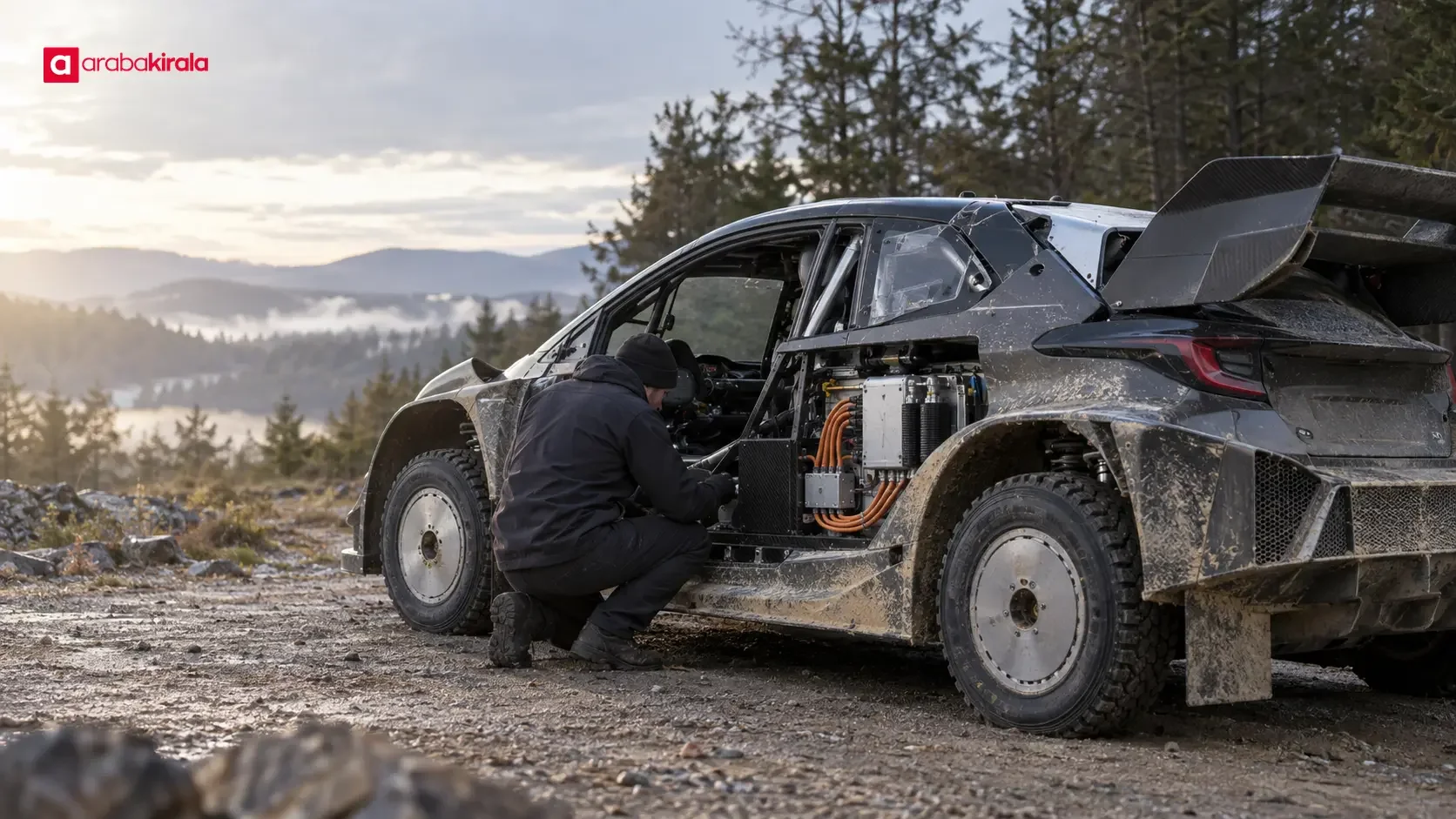
The WRC Rally1 hybrid system was an electric motor and battery package added to the championship’s top category in 2022. Working alongside the combustion engine, it could provide temporary electric assistance and recover some energy during deceleration. This guide explains how that system worked in its historical context: the FIA announced that the existing hybrid units would no longer be used in Rally1 cars from the 2025 season. The explanation below should not be read as a description of current Rally1 cars as hybrid vehicles.
What was the Rally1 hybrid system?
Rally1 is the top-level car category in the World Rally Championship. Under the package introduced in 2022, a 1.6-litre turbocharged petrol engine worked with an electric motor and a high-voltage energy store. The electric motor could contribute propulsion and, under suitable deceleration conditions, act as a generator to return energy to the battery. This was not simply a production-car hybrid system transferred unchanged into competition. It was a purpose-built racing arrangement defined by FIA regulations and shaped by performance and safety requirements.
In its 2022 season information, the FIA described the hybrid unit as having a 100 kW electric motor and a 3.9 kWh battery. Those figures measure different things. Kilowatts describe a rate of power transfer at a given moment; kilowatt-hours describe an amount of stored energy. Power can contribute to acceleration for a limited period, while the energy capacity helps determine how much support can be delivered and under what conditions. These figures belong to the package described for 2022 and should not be generalized to later rules or current cars.
How did the combustion and electric motors work together?
The combustion engine was the car’s main power source. When the driver requested acceleration and the system conditions allowed it, the electric motor could add torque. Torque is the turning force delivered through the drivetrain and can help the car accelerate. The car did not receive the same amount of electric assistance at every moment. Support depended on usable battery energy, system temperature, the stage strategy and the applicable limits.
It is misleading to picture the hybrid unit as a second engine that delivered extra power continuously in every situation. When the driver applied throttle, the system could provide electric assistance within its energy and technical limits. Once a defined amount of support had been used, that boost ended; further use depended on energy being replenished through the regulated operating cycle. The car’s performance therefore cannot be understood from peak power figures alone. When power is available and how energy is recovered also matter.
Where did the battery energy come from?
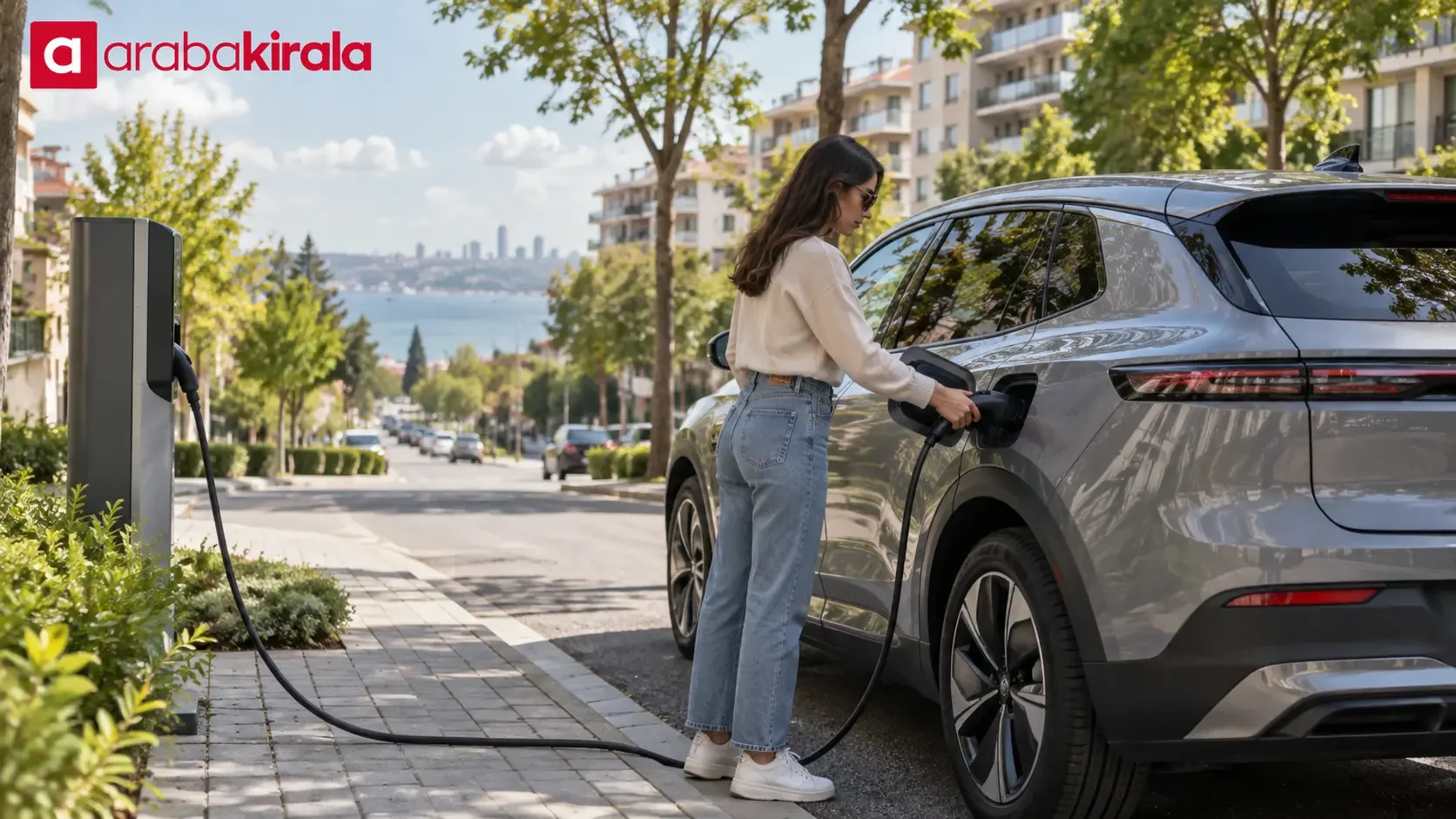
The battery was not merely a reserve filled before a stage. Under suitable conditions, the system could recover energy while the car slowed down. When the driver lifted off the throttle or braked, some of the car’s kinetic energy could be converted into electrical energy and stored in the battery. This process is called regenerative braking or energy recovery. The conversion is not lossless, and the car’s speed, grip, braking needs and system limits all affect what can be recovered.
This helps explain why the battery should not be thought of only as a store charged from an external source. The 2022 Rally1 arrangement also included full-electric driving in designated Hybrid Electric Vehicle zones near service parks. That requirement and the stage energy strategy served different purposes: one concerned electric driving along specified routes, while the other concerned using and recovering energy during competition. The term “plug-in hybrid” should not be taken to mean the car was plugged into the mains to recharge during every stage.
When was energy used during a stage?
A rally stage combines acceleration, braking, corners and changing surfaces. Hybrid energy use was organized around that rhythm. There was a separate strategy for the initial acceleration at the start, followed by hybrid support during the stage subject to driver demand and battery conditions. The 2022 technical and sporting documents described the initial acceleration and subsequent boost as distinct phases. That distinction makes clear that the launch assistance was not an unlimited supply that continued throughout a stage.
The FIA’s 2022 sporting regulations set an energy limit for the initial acceleration and described later boost limits that depended on factors such as stage length and surface type. Technical conditions, including battery state of charge and temperature, could also constrain assistance. These details belong to the regulations for that season; they should not be presented as fixed rules that necessarily apply to every event or future season.
The central idea of energy management was to reserve assistance for moments when it could be most useful. Electric support may be valuable when accelerating out of a corner or entering a fast section, but the timing depends on the car’s control strategy, the stage and the applicable limits. Energy recovery can happen during deceleration, but safe braking and the correct driving line cannot be compromised just to charge the battery. Control of the car and compliance with the competition rules remain essential.
Power maps and driver strategy
Hybrid assistance was not simply an independent button that the driver could use without limit at any moment. The FIA’s description of the system allowed teams and drivers to use different torque maps for stage operation. A map is a control setting that shapes the relationship between throttle demand and the response of the powertrain. Map selection could influence how electric assistance was delivered, but it did not change the available battery energy or override technical limits.
Team strategy could take account of stage length, surface character, acceleration zones and expected opportunities for energy recovery. Using a large share of energy early could leave less available later. Being too conservative could also mean that useful electric power was not used at an opportune point. This does not mean the driver had to watch an energy display and make every decision second by second; control software and a planned strategy were also part of the process. General public information does not reveal every team’s event-specific setup or precisely where and how much assistance a driver used.
Why did the hybrid system require special safety procedures?
A high-voltage electrical system needs careful handling after damage or a fault. For the 2022 Rally1 cars, the FIA set high-voltage safety measures, training and protective equipment requirements. Safety lights on the cars provided warnings about whether contact was considered safe: green indicated a safe state, while a flashing red light and audible warning indicated danger. These signals formed part of procedures followed by trained crews and officials in the rally environment.
Spectators and other unauthorized people should keep clear of a damaged competition car showing a high-voltage warning and follow officials’ instructions. A person should not approach based on a personal assessment that the warning lights have gone out; trained personnel follow the relevant on-site procedure. This is a general explanation of competition safety, not a repair instruction for road vehicles.
Is the Rally1 hybrid system still used?
The answer depends on the season. In November 2024, the FIA announced that Rally1 cars would no longer use the existing hybrid units from the 2025 season. The most accurate way to answer “How does the Rally1 hybrid system work?” today is therefore as a historical account of the 2022–2024 regulations. It would be inaccurate to attribute a 100 kW electric motor, 3.9 kWh battery or stage hybrid boost to Rally1 cars from 2025 onward.
Motorsport regulations and vehicle specifications can change from season to season. Anyone checking the cars, event requirements or class structure for a particular year should consult the FIA regulations and official championship announcements for that season. A technical feature announced for an earlier season should not automatically be treated as equipment on a current car.
Rally1 hybrid systems and road-car hybrids
Both may involve an electric motor, a battery and energy recovery, but their goals and operating limits differ. A road car is designed for everyday travel, comfort and fuel economy. The Rally1 system was developed for competition rules, stage pace, durability, team strategy and racing safety. As a result, a Rally1 car’s battery capacity or power figure does not directly tell you about the range or efficiency of a hybrid road car.
Energy recovery also exists in some road cars, but the driver’s experience of braking, the duration of electric assistance, battery capacity and energy controls vary by model. A rally car’s competition strategy should not be copied into everyday driving, and race data does not establish how an ordinary car will behave in traffic. Similar technical concepts do not mean identical operation.
Frequently asked questions
Could a Rally1 hybrid car run on electricity alone?
The combustion engine was the main source of power during stages, with the electric motor providing assistance within the system limits. The 2022 rules also included full-electric driving in designated Hybrid Electric Vehicle zones near service areas. That special use did not mean the car completed an entire rally on electricity.
What did the 100 kW figure mean?
It was the electric motor power target reported for the 2022 hybrid package. It is not the same measurement as the amount of energy stored in the battery. Power describes the rate of energy transfer; kilowatt-hours describe stored energy.
Was energy recovered only when braking?
Energy recovery involved the electric motor operating as a generator while the car slowed. Depending on system conditions, this could happen when the driver lifted off the throttle or braked. Not every deceleration recovered the same amount: speed, system limits and driving conditions all mattered.
What happened to the Rally1 hybrid system in 2025?
The FIA announced that Rally1 cars would stop using the existing hybrid units from the 2025 season. Technical details from 2022–2024 should not be described as features of the 2025 or later cars.
Does this system help me choose a hybrid rental car?
Not directly. The Rally1 system was built for special competition rules and stage conditions. For everyday use, consult the vehicle’s handbook and manufacturer specifications for its battery, charging arrangement, fuel type and operating features. For a rental, ask the branch handling your reservation about model and equipment details; do not treat a competition car’s figures as conditions for a road vehicle.
In summary, the WRC Rally1 hybrid system used from 2022 to 2024 combined a combustion engine with electric assistance, recovered energy during deceleration and managed its limited energy through a stage strategy. Performance depended not only on where power was deployed, but also on when the battery could recover energy and on the unit’s temperature and charge limits. The FIA’s 2025 change is why this system should be described as historical rather than as current Rally1 equipment.
Legal Disclaimer: All content, articles and information on the Araba Kirala website are provided solely to inform users. No information shared on this website constitutes definitive advice or guidance. Araba Kirala Teknoloji A.Ş. and its authors cannot be held responsible for any direct or indirect damages arising from the application of information on the website. For all questions and requests regarding car rental, please contact the office from which you will rent your vehicle.