WRC Reconnaissance: How Teams Prepare for a Rally Stage

Published: October 6, 2026 • Reading Time: 7 min • Last Updated: October 6, 2026
Learn what WRC reconnaissance involves, how crews create pace notes, and how a pre-event road inspection contributes to rally-stage preparation.
Contents
- What is WRC reconnaissance?
- How reconnaissance contributes to stage preparation
- Breaking the route into meaningful sections
- Recording changing road conditions
- Noticing visibility and hazards
- How pace notes are developed
- Reconnaissance driving versus competition
- Teamwork in stage preparation
- What should crews pay attention to?
- Frequently asked questions
- Do crews use a rally car for reconnaissance?
- Do pace notes guarantee how the stage will feel in competition?
- Why do pace notes differ from crew to crew?
- Summary: turning inspection into a shared road description
WRC reconnaissance is the pre-event work in which a rally crew inspects a stage route and prepares pace notes for the driver. This guide explains why reconnaissance matters, how a driver and co-driver turn observations into a shared description, and how that work supports stage preparation. It is a structured way to learn the road, not a speed test in a rally car: the aim is to notice relevant features and communicate them clearly.
What is WRC reconnaissance?
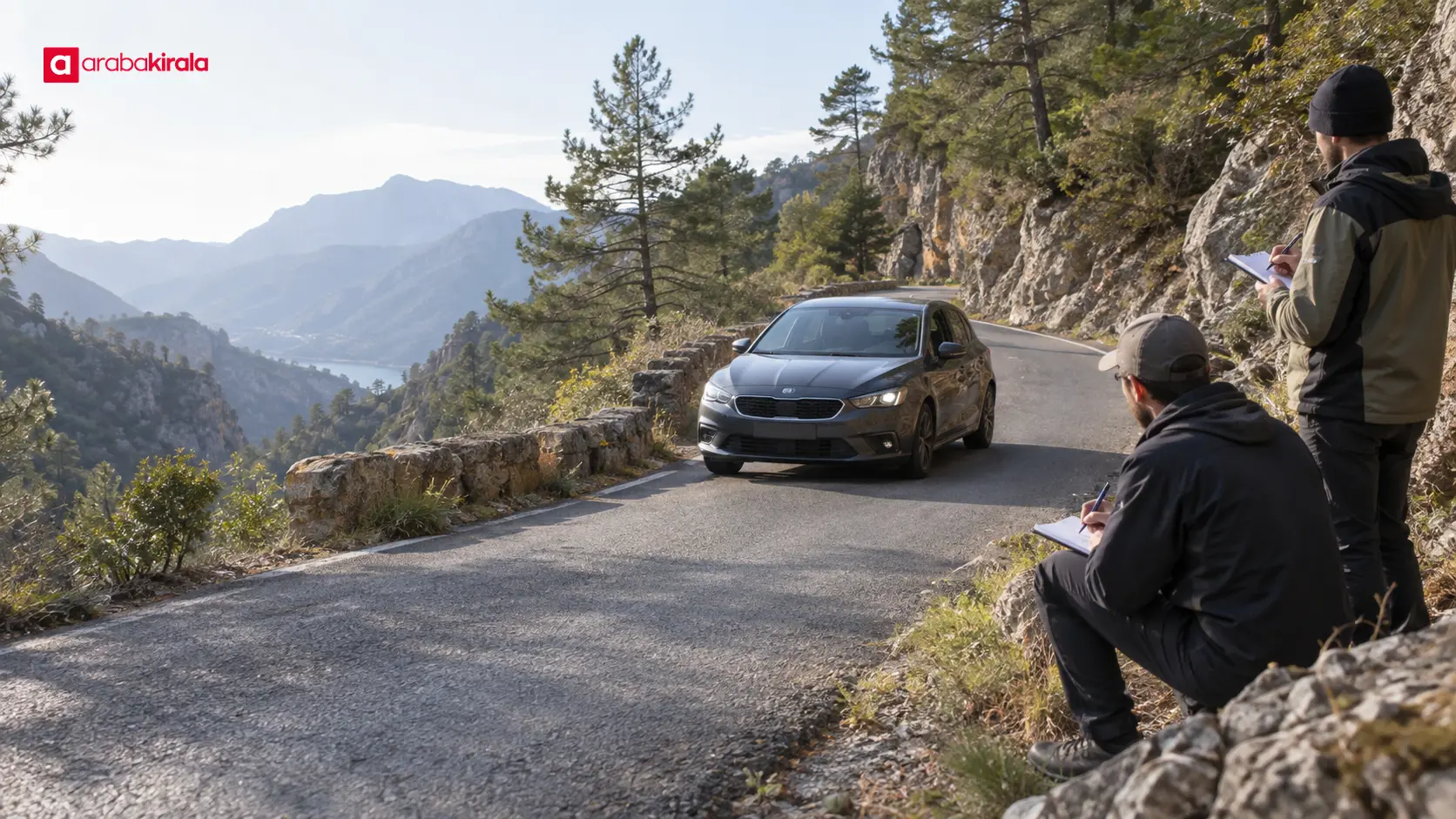
A rally stage is a defined section of road used for competitive driving. Its bends, gradients, surface, sightlines, and surroundings all shape how the car can travel through it. A map or prior experience can offer a broad picture, but it cannot replace seeing the route in person. Reconnaissance gives the crew a chance to examine those details in sequence and make a usable record.
During reconnaissance, the crew follows the stage at a pace and with an attention suited to inspection rather than competition. The driver observes the road’s shape and the changes in direction that matter to driving. The co-driver concentrates on turning those observations into concise, repeatable pace notes. Working together helps them study the same road from different roles and build a shared vocabulary.
How reconnaissance contributes to stage preparation
Breaking the route into meaningful sections
A long stage is difficult to remember as one continuous stream of detail. The crew identifies useful sections such as sequences of bends, links between corners, rises and dips, or places where visibility changes. Notes describe how each part develops. That can help the driver picture not only the next bend but also the relationship between one feature and the next. A change of direction after a corner exit may matter more than either detail considered on its own.
Recording changing road conditions
The surface may vary along a route. Tarmac, loose gravel, mud, or worn patches can feel different under the tyres and call for different driving judgments. Weather, temperature, traffic before the stage, and the progress of the event may also affect the road. Reconnaissance notes describe what the crew sees at that time; they are not a permanent prediction of conditions. Before competition, the team has to assess current information and be ready to adapt.
Noticing visibility and hazards
A blind bend, a narrowing road, a crest, standing water, or a roadside edge with little room can be important to communicate. Reconnaissance does not remove hazards or guarantee that every risk can be anticipated. It can, however, help the crew understand where sightlines open up, where they close, and where extra attention may be needed. The notes are useful not just because they describe a bend but because they can direct the driver’s attention to a relevant feature at the right time.
How pace notes are developed
There is no single universal wording system for pace notes. Crews describe direction changes, corner character, what follows, and relevant warnings in a consistent way of their own. The essential test is whether the driver can understand a note quickly and the co-driver can deliver it at the right moment. A very detailed note that arrives too late, or a short note that is ambiguous, does not serve its purpose.
- Record the route sequence: The crew maps the order of bends and links between sections so that the notes follow the road.
- Select consequential features: Narrowing, crests, descents, restricted visibility, or surface changes are included when they can affect a driving decision.
- Agree on terminology: Driver and co-driver make sure that each direction cue and warning has a shared meaning.
- Review the reading flow: The order and rhythm of the notes need to work with the co-driver’s delivery and the driver’s need to process information.
Pace notes are not a centimetre-by-centimetre drawing of a road. They are a working language that makes observations usable while driving. A driver’s preferences and the communication habits of a particular crew influence how the same feature is described. That is why crews develop and review the notes together rather than assuming another team’s wording will suit them.
Reconnaissance driving versus competition
Reconnaissance is for collecting information and preparing notes. Competition driving takes place on the designated stage, where the driver and co-driver use those notes during a competitive run. The pace during reconnaissance is not a measure of race performance, and the feel of a road at reconnaissance speed does not represent the limits of a rally car. The car, tyres, surface, weather, and event conditions may all differ. A feature observed during inspection cannot be assumed to behave exactly the same way in competition.
The distinction also matters for safety. Other road users, work activity, or limited visibility may be present during reconnaissance. Crews follow the applicable event instructions and take care around others on the route. Reconnaissance is an opportunity to learn a road before a rally; it is not permission to race on a public road.
Teamwork in stage preparation
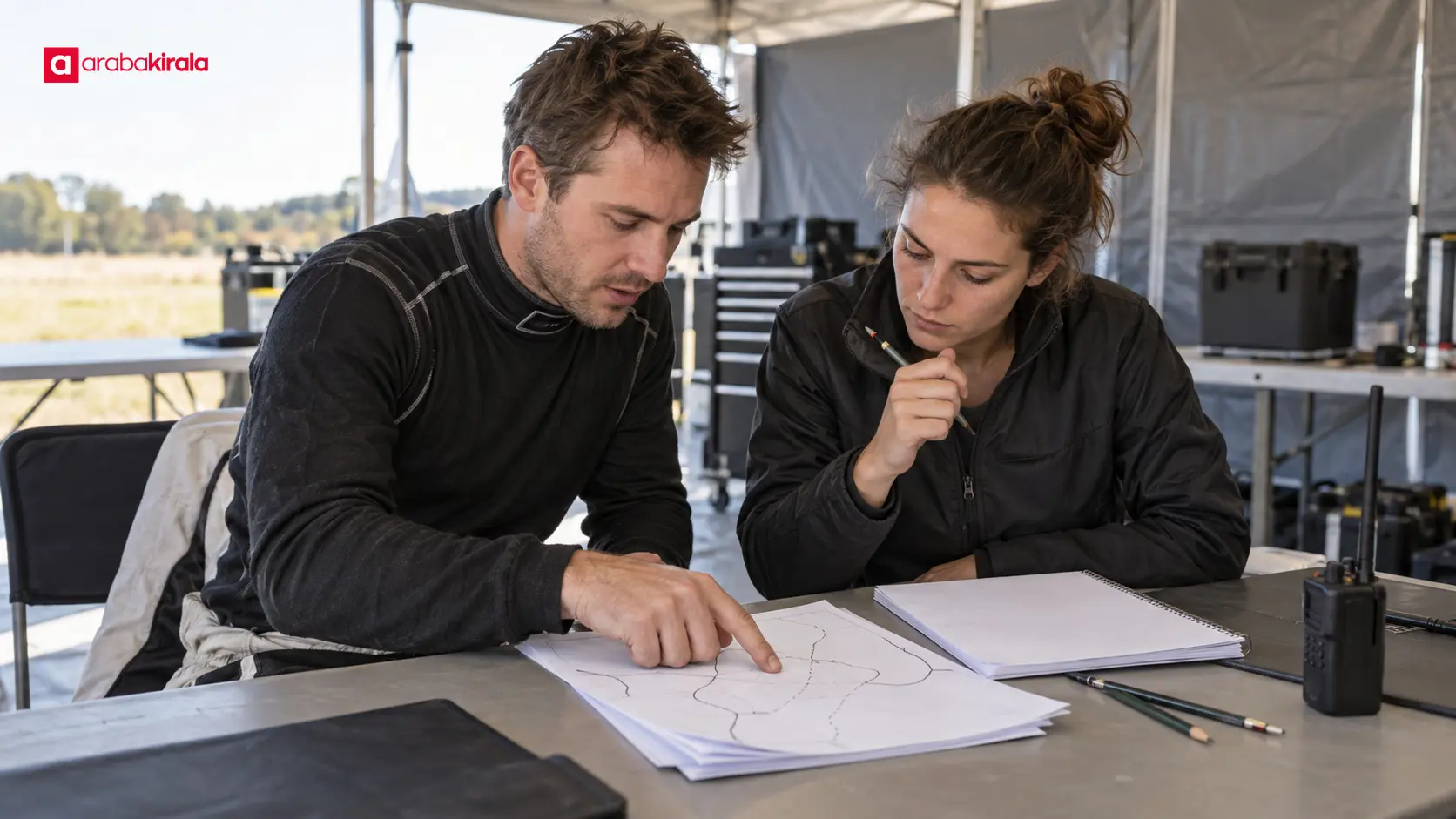
Preparing notes involves more than writing down everything said along the route. The driver tells the co-driver what kind of information and timing is useful. The co-driver helps keep the notes readable, well-paced, and clear. After the inspection, the crew reviews uncertain descriptions and checks that important transitions appear in the right order. This can make communication more predictable during the stage.
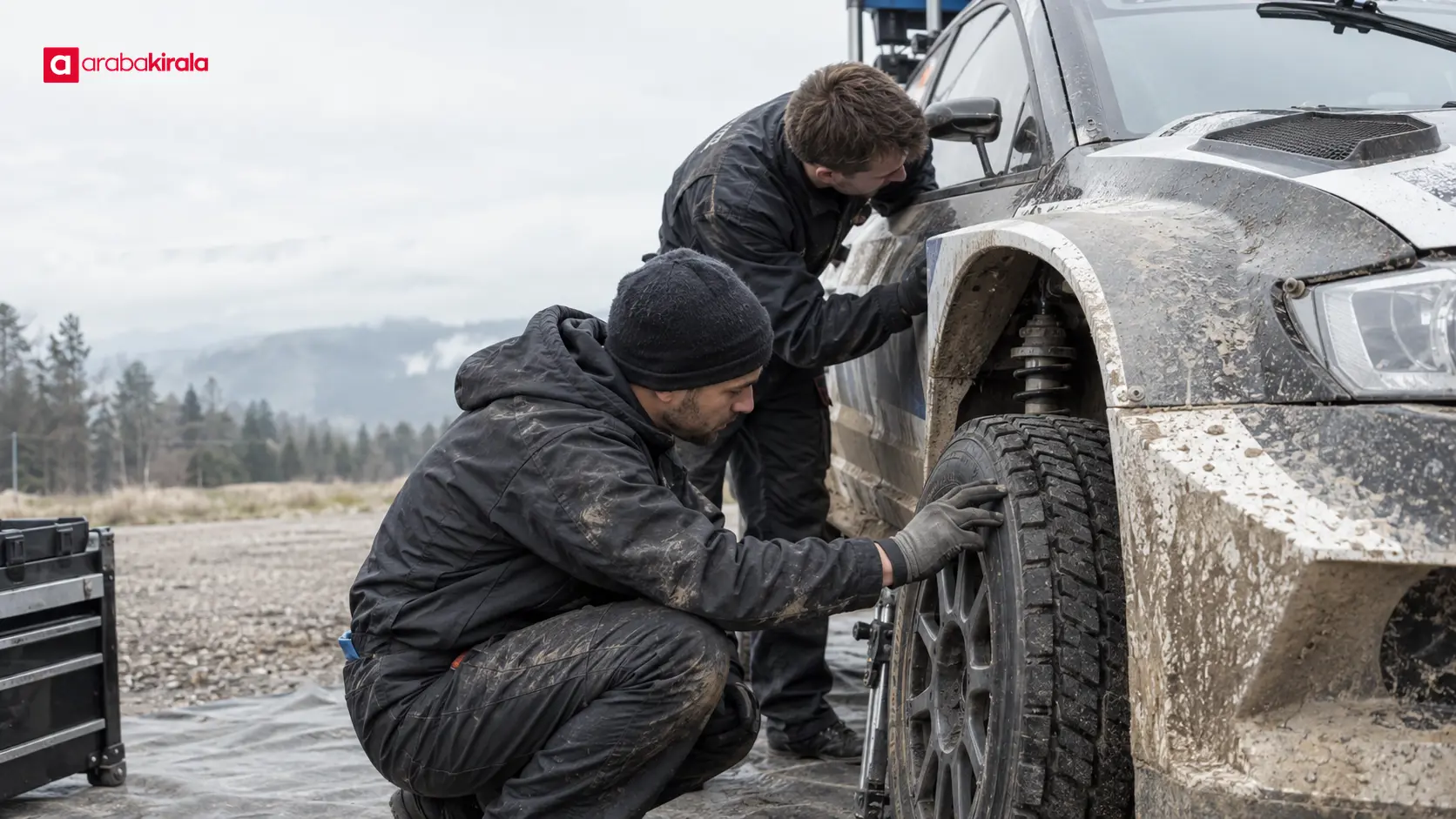
Stage preparation also includes technical checks of the car, but pace notes do not replace those checks. The service team assesses the car’s condition and the event’s technical requirements through its own procedures. A driver’s observations can give the team context about the character of the route. No particular setup is right for every stage; choices depend on the car and conditions.
What should crews pay attention to?
Good reconnaissance does not mean filling the notes with every observable detail. The crew needs to select information that can change a driving decision and convey it in a clear form. Particular attention goes to features that make it harder to follow the road or affect the way the next section can be read.
- The direction and sequence of corners and how they link together
- Changes in road width, narrow sections, and places where sightlines close
- Changes in surface and gradient
- Crests, dips, or roadside features that call for attention
- The point before which a warning needs to be delivered
These points do not prescribe one note system for every crew. Routes and event reconnaissance arrangements can vary, so teams adapt their working plan. Details that depend on a particular rally or season, such as its schedule or current format, should be checked in that event’s official organizer information.
Frequently asked questions
Do crews use a rally car for reconnaissance?
The purpose of reconnaissance is to inspect the stage, not to test a rally car’s speed. The permitted vehicle and inspection arrangements depend on the event regulations. For a specific rally, consult the official regulations if you need a definite answer about vehicle types or permitted practices.
Do pace notes guarantee how the stage will feel in competition?
No. Notes describe the route and support communication, but they cannot prevent changing weather, different road conditions, or an unexpected obstruction. The driver continues to assess the road and make safe driving decisions.
Why do pace notes differ from crew to crew?
Terminology and the level of detail reflect the driver’s information preferences and the shared language developed with the co-driver. What matters is that the notes are consistent, timely, and clear to both people. A system that works for one crew may not transfer directly to another.
Summary: turning inspection into a shared road description
WRC reconnaissance gives a crew a structured way to inspect a stage and turn observations into pace notes for the driver and co-driver. Understanding route sections, surface and visibility changes, agreeing on consistent wording, and reviewing the notes before competition all support preparation. Reconnaissance cannot predict every competition condition; it gives the crew a better-informed starting point. If you follow a WRC event, a useful next step is to check the official event programme to see how reconnaissance and stage days are arranged.
Legal Disclaimer: All content, articles and information on the Araba Kirala website are provided solely to inform users. No information shared on this website constitutes definitive advice or guidance. Araba Kirala Teknoloji A.Ş. and its authors cannot be held responsible for any direct or indirect damages arising from the application of information on the website. For all questions and requests regarding car rental, please contact the office from which you will rent your vehicle.