How WRC Stage Cancellations or Stoppages Are Announced and Affect the Standings
Published: October 9, 2026 • Reading Time: 6 min • Last Updated: October 9, 2026
A WRC special stage can be cancelled before it runs or stopped after cars have started. This guide explains where to follow official updates, how a stoppage differs from a cancellation, and how timing and classification information should be read.
Contents
A WRC stage cancellation means a scheduled special stage will not run as planned; a stoppage can also be ordered after the stage has begun. This guide explains where to follow announcements, why a stoppage and cancellation are different, and how stage times relate to the overall classification. To understand which crews and results are affected, read the scope of the decision together with the official timing records.
What are a special stage, a cancellation, and a stoppage?
A rally combines road sections with special stages, where crews drive a closed route against the clock. The main sporting inputs to the classification are recorded special-stage times and official time penalties. Road sections connect stages and are driven in traffic under road rules; they are not the same as a timed special-stage result.
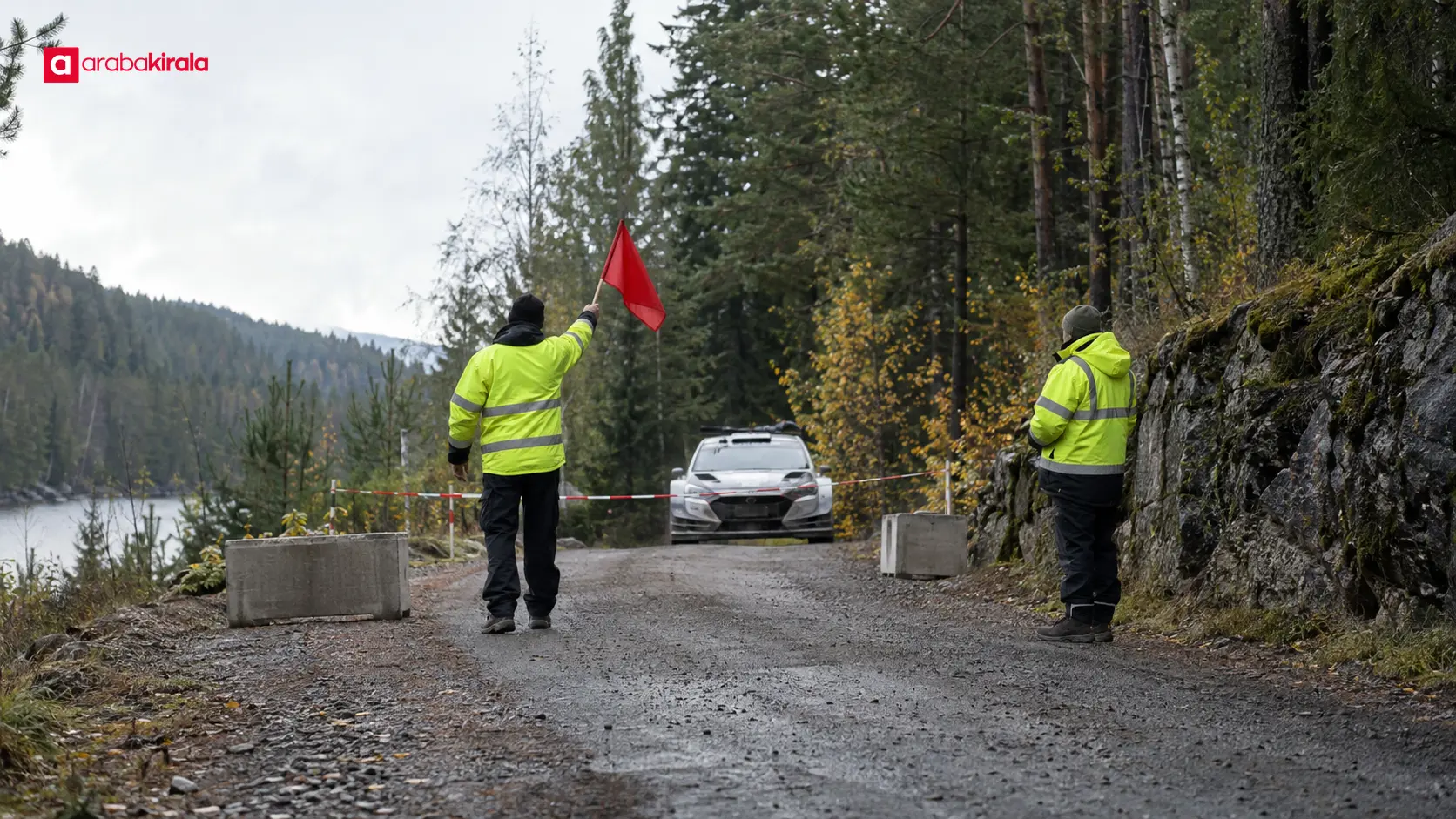
When a special stage is cancelled, the normal competitive run does not take place or its result is not included in the ordinary way. A stoppage describes a halt to vehicles after a stage has started, often for safety or operational reasons. That halt may be temporary: rally control can later allow the stage to resume, stop it for the remaining cars, or cancel it. The first “stopped” update therefore does not, by itself, explain the final treatment of the stage.
Where and how are decisions announced?
Rally control, event safety officials, and the organizer’s official communication channels are the sources to follow for decisions. The official WRC event page, live timing, and official event updates help spectators follow current information about the same incident. During an event, check the newest time-stamped official notice instead of relying on a screenshot or repost; details may have been updated.
When reading an update, check these points:
- Stage and scope: Which special stage is covered, and does the decision apply to all competitors or a particular group?
- Status: Is the stage paused, expected to restart, or officially cancelled?
- Affected cars: Does the notice provide a separate instruction or timing treatment for crews that were on the stage when it stopped?
- Latest update: The notice time and sequence help distinguish an initial report from the current decision.
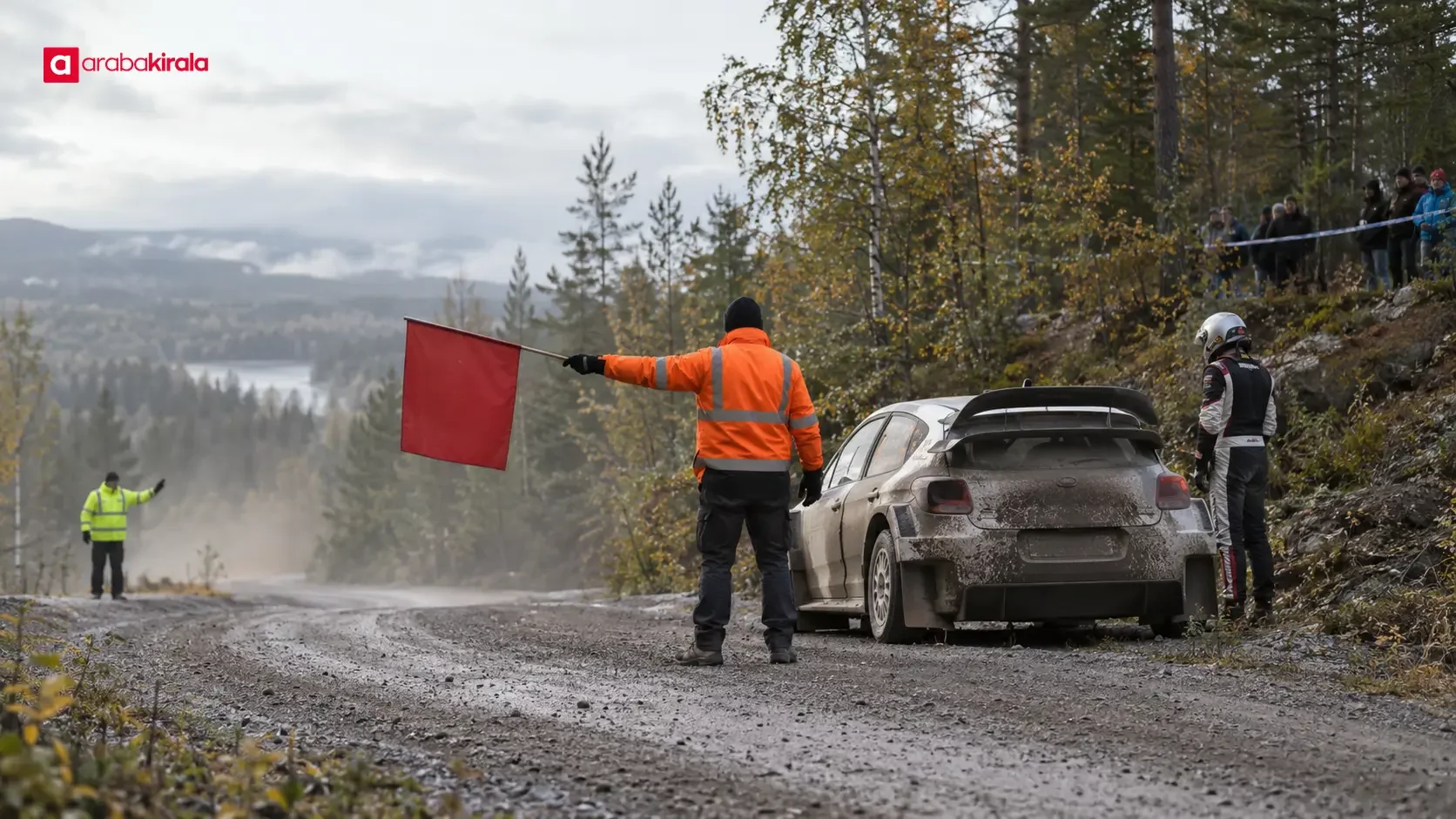
If you are near a stage, follow marshal instructions and stay out of closed sections. Spectator safety comes before getting a closer view. Changes on a live timing screen do not necessarily signal a new sporting ruling, so read them alongside the official announcement.
How can a cancellation or stoppage affect the standings?
The effect of a cancellation depends on when the decision is made and which crews it covers. Times from a cancelled stage may not be included in the overall classification, but the treatment of an incident should be understood from the decision issued by rally control and the official documents. One crew may have recorded a stage time while another could not finish because of a safety stoppage. Rather than guessing how those times will be handled, wait for the official timing and classification updates.
When a stage is stopped, the organizer may assess whether it can safely restart. If it resumes, the restart timing, cars’ positions, and control instructions matter. If it does not resume, rally control may cancel the stage or announce a timing method for affected crews. These outcomes should not be treated as automatic rules that apply identically to every incident.
Cancellation of one special stage does not mean the entire rally is over. If more stages remain on the schedule, crews continue to collect times on those stages. The overall classification brings together stage results, time penalties, and any official corrections. A difference between an early live table and a published classification can indicate that results are still being processed.
Reading live timing and the official classification
Live timing is useful for tracking split and stage-finish times. During a stoppage, the display may be temporarily incomplete, out of order, or updating. The official classification presents crews’ positions after control and timing work has been processed. Do not treat an instantaneous position on a screen as a confirmed final result.
To understand a result, first establish the official status of the stage. Then check whether the time shown for each crew is an actual recorded stage time or a different timing treatment described in an announcement. Finally, see how the affected stage and any penalties appear in the overall classification. A changed row alone does not prove that a crew received a penalty or had a time removed; read the explanatory notice and result document together.
A short checklist for following an incident
- Open the event’s official WRC page and current update feed.
- Note the notice time and the stage it covers.
- Distinguish “stoppage,” “restart,” and “cancellation.”
- Follow stage times on the current official timing screen.
- Wait for the official classification to be updated before treating positions as settled.
- If you are at the venue, follow marshal directions and do not cross barriers.
Summary and next step
A WRC stage cancellation removes a particular special stage from the planned competition flow; a stoppage may require a further decision about whether the stage can continue. The effect on standings depends on stage status, the crews affected, and the official timing decision. When following an incident, check the latest official update first, then live timing and the published classification. This helps distinguish an initial report from the result that is eventually recorded.
Frequently Asked Questions
Why might a WRC stage be cancelled?
Safety conditions, a problem on the route, or an inability to operate the stage safely can lead to cancellation. The official update states the reason for a particular incident; if it does not, do not fill the gap with speculation.
Does a stage stoppage mean the rally is over?
No. A stoppage first means that vehicle movement has been halted. Rally control may assess a safe restart or later announce that the stage is cancelled. Ending the whole rally is a separate decision.
Are times from a cancelled stage included in the overall standings?
How a cancelled stage is treated in the classification depends on the official decision for that incident. Do not treat an old or provisional live time as final; check the current official classification.
How are times handled for crews caught in a stoppage?
The treatment can depend on where and when the stoppage occurred, whether a crew was on the stage, and the timing decision issued by rally control. Follow the relevant official notice and timing document rather than assuming a universal time method.
Where can I follow the most reliable result?
The event’s official WRC page, official live timing, and organizer updates are useful primary references. Verify information seen on social media against the latest update on those channels, and follow marshal instructions at the venue.
Legal Disclaimer: All content, articles and information on the Araba Kirala website are provided solely to inform users. No information shared on this website constitutes definitive advice or guidance. Araba Kirala Teknoloji A.Ş. and its authors cannot be held responsible for any direct or indirect damages arising from the application of information on the website. For all questions and requests regarding car rental, please contact the office from which you will rent your vehicle.