How Do WRC Stage Start Intervals and Rally Order Work?
Published: October 5, 2026 • Reading Time: 7 min • Last Updated: October 5, 2026
Learn how WRC special stages work, why rally cars start at intervals, how times are compared, and how to watch from designated spectator areas safely.
Contents
- What makes up a WRC rally?
- What does a stage start interval mean?
- A start interval is not a stage time
- How do start order and timing work?
- Why does the interval matter?
- How can spectators watch a stage safely?
- Plan for dust, weather, and surface conditions
- Practical ways to follow the running order
- Frequently asked questions
- Is the WRC stage start interval always the same?
- Can two cars start a stage at the same time?
- Does the start interval determine the overall rally result?
- Where can I find the stage start time?
- Summary: consider timing, order, and safety separately
WRC stage start intervals are part of the system that sends rally cars onto special stages with a planned gap between starts. This guide explains the difference between a timed stage and a road section, how start order and timing fit together, why intervals can vary, and how spectators can follow a rally safely. The exact schedule and procedures belong to each event, so use that rally’s current official information for specific times.

What makes up a WRC rally?
A WRC rally does not run continuously on one circuit. It is made up of special stages on roads closed for competition and road sections that connect those stages. On a special stage, a crew tries to complete a defined route in the best possible time. On a road section, the car travels to the next point in the schedule and must comply with road rules. The purpose and driving conditions of these two parts are different.
Each rally has its own timetable and event regulations. The official schedule sets out the sequence of stages, service periods, and movements during the day. Some stages are run more than once. Returning to the same road at another time can mean different surface and weather conditions, so the second run can demand a different approach. Knowing a stage name alone does not tell you exactly when it will run or whether a location is open to spectators.
What does a stage start interval mean?
A stage start interval is the planned time gap between the starts of two successive cars. Cars do not line up side by side and race simultaneously; each crew enters the stage at its assigned start time. The gap helps manage the flow of cars on the route, reduce the chance of them closing on one another, and keep timing operations in order. The route, stage conditions, event plan, and applicable sporting procedures can all inform the interval.
There is no single minute value that should be assumed for every stage and every rally under the phrase “WRC stage start interval.” The event’s official documents and timetable are what matter. Start order and spacing may follow the arrangement announced by the organiser. Rather than treating a general time shared online as a confirmed schedule, check the event’s official spectator guide and latest notices.
A start interval is not a stage time
The start interval describes the time difference between two cars leaving the start line. A stage time measures one car’s performance from its start to the finish. A later start does not mean that crew drove the stage more slowly; the two measurements are independent. Stage results are assessed using each crew’s recorded time and the classification rules that apply to the rally.
How do start order and timing work?
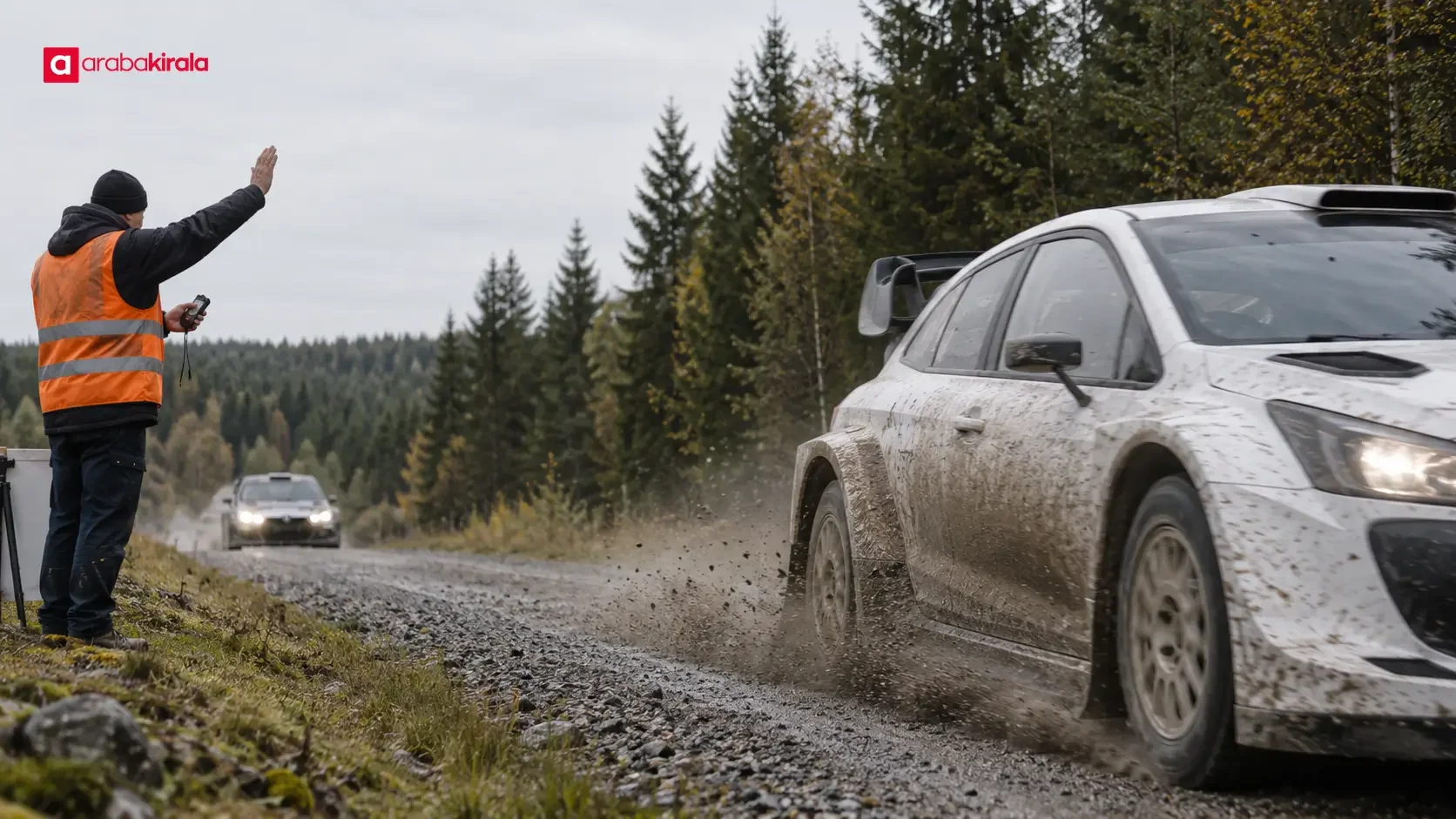
Before a stage begins, officials manage the cars and crews as they arrive at the correct control point and in the planned order. Signals and a countdown at the start control tell a crew when to set off. Timing equipment at the start and finish produces a stage time for each car. Those times help show the stage standings; the overall rally classification brings together the results of the stages specified by the event programme and regulations.
Start order and the running schedule may change between stages or rally days. The reasons and procedure are governed by the event’s sporting rules. It is not reliable to predict every car’s next start solely from its previous result. If you are following a particular stage, use the start list published by the organiser alongside the current timetable. Notices about delays or changes can also affect plans for spectating.
Why does the interval matter?
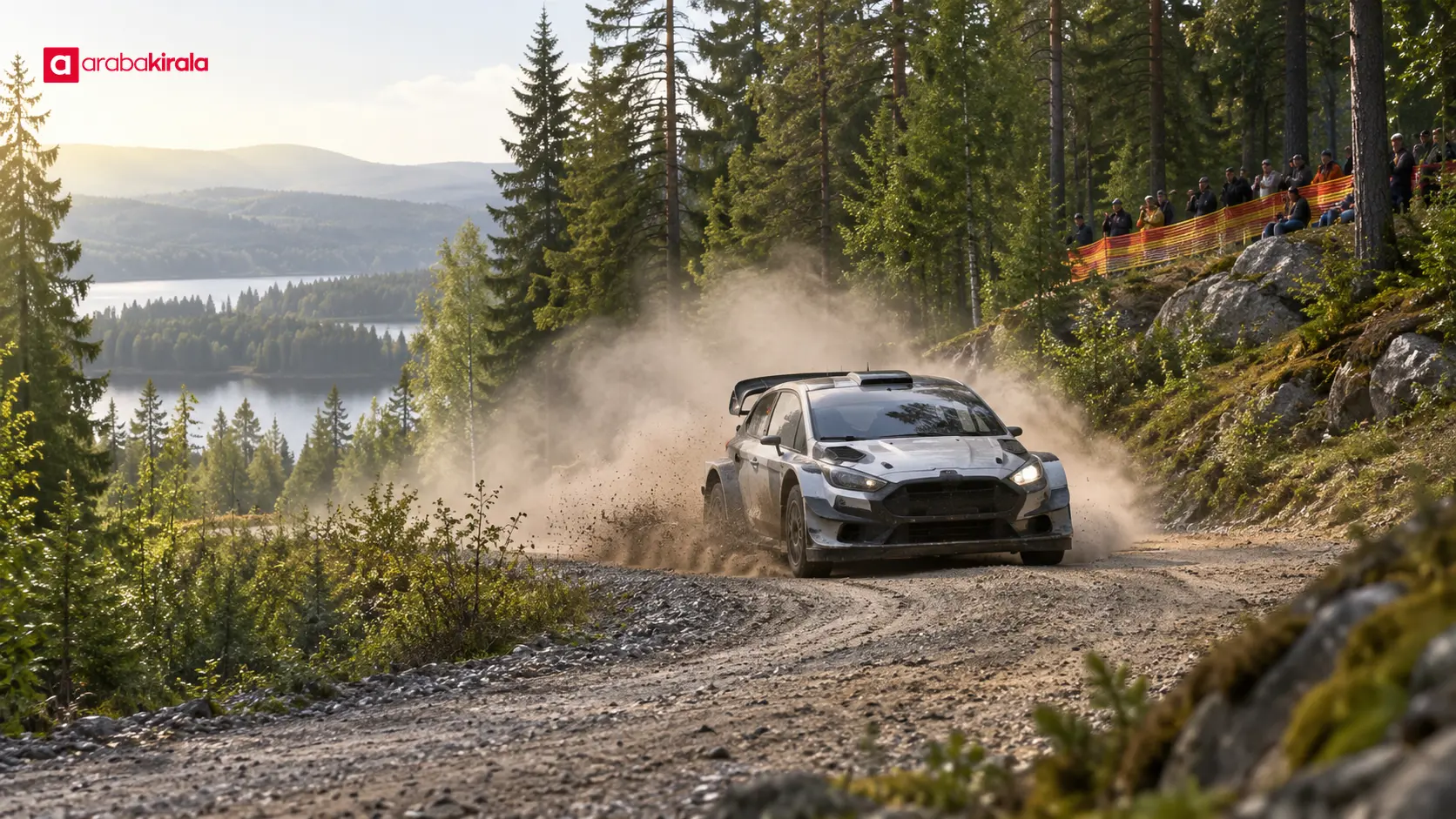
Rally cars travel quickly over narrow roads with changing surfaces, so the stage needs a flow that limits the chance of cars catching one another. Adequate spacing helps each crew use the road at its own stage pace. It does not mean every encounter will be prevented or that one interval guarantees the same conditions in all circumstances. Dust, mud, visibility, and road layout can also affect what crews face.
An interval does not replace spectator safety rules. Cars starting one at a time does not mean spectators may stand anywhere along the route. Some locations are designated for viewing, while other areas can be closed. The official spectator plan and instructions from marshals provide more direct guidance on where it is safe to watch than the gap between cars.
How can spectators watch a stage safely?
From outside the car, you cannot accurately predict where a vehicle may travel or slide, or what the driver can see. Do not choose a viewing spot based only on a camera angle or a short walk. Go to locations identified on the event’s official spectator map, stay out of closed areas, and follow marshal instructions. Crossing a barrier or safety line can expose you to serious danger.
Before heading to a stage, read the organiser’s notices about transport, parking, pedestrian routes, and spectator areas. Reaching the designated area early and leaving time for the return journey can reduce pressure to hurry when roads are closed. Keep your attention on the surroundings and marshal instructions instead of walking while looking at a phone. If watching with children, keep them supervised and within the designated area. Bringing pets near a loud, crowded stage should also be considered in light of event rules and the animal’s welfare.
Plan for dust, weather, and surface conditions
On gravel stages, dust from a car ahead can briefly reduce visibility. Rain can bring mud, slippery ground, and standing water; a road verge is not automatically a safe viewing area on an asphalt stage either. Eyewear, clothing suited to the weather, and water can help with personal preparation. They are no substitute for a safe viewing location, which should always be one designated by the organiser.
Practical ways to follow the running order
- Check the official timetable: Follow the event’s published schedule for the planned sequence and approximate start times of stages.
- Use the current start list: Check the rally’s own notices to see a car’s expected order; do not apply one general interval to every stage.
- Separate start time from stage result: A later start does not mean a slower stage. Check what the start and finish times represent when reading results.
- Watch for delay notices: The schedule can be updated when something affects stage operations. Check official notices again before travelling to a viewing area.
- Follow spectator directions: A spot that looks safe beside the road may not be open to spectators. Use the map and follow marshal instructions.
Frequently asked questions
Is the WRC stage start interval always the same?
No. Do not assume one unchanging value applies to every rally and stage. The relevant event arrangements and official schedule determine the start interval and list. For a specific stage, check that rally’s current notices.
Can two cars start a stage at the same time?
In the standard stage flow, cars set off in sequence at their assigned start times. Details of the procedure depend on the rally regulations and the special-stage plan. For a particular event’s start procedure, consult its official information.
Does the start interval determine the overall rally result?
The interval is part of the start arrangement; it is not a stage time or an overall ranking by itself. Results reflect the crews’ measured performances on stages and the rally’s classification rules. A car’s position should not be interpreted from its start time alone.
Where can I find the stage start time?
Check the rally’s official schedule, start lists, and the organiser’s latest spectator notices. Stage times and viewing arrangements can change, so do not rely solely on a schedule saved earlier.
Summary: consider timing, order, and safety separately
In WRC, the start interval sets the time gap at which cars enter a special stage; the stage time measures each crew’s performance between start and finish. Since the schedule and start order can vary by event, follow official notices instead of relying on one general minute value or an estimated list. Watch from locations designated by the organiser, stay clear of closed areas, and follow marshal instructions. As a next step, check the official timetable, current start list, and spectator map for the rally you plan to follow.
Legal Disclaimer: All content, articles and information on the Araba Kirala website are provided solely to inform users. No information shared on this website constitutes definitive advice or guidance. Araba Kirala Teknoloji A.Ş. and its authors cannot be held responsible for any direct or indirect damages arising from the application of information on the website. For all questions and requests regarding car rental, please contact the office from which you will rent your vehicle.