WRC Stage Time vs Rally Time: What’s the Difference?
Published: October 5, 2026 • Reading Time: 6 min • Last Updated: October 5, 2026
Learn what a WRC stage time measures, how the cumulative rally classification is built, and how to read stage results, total time, road sections, and penalties without confusing them.
Contents
- What does a WRC stage time measure?
- Split times and the full stage result
- How is the overall rally time built?
- A simple way to read the numbers
- Special stages and road sections are different
- Why can a stage result and rally position move differently?
- How to read live timing and result tables
- A quick checklist
- Frequently asked questions
- Are stage time and rally time the same measurement?
- Is road-section time added to the total stage time?
- Does winning a stage mean winning the rally?
- Can the total time on a result screen change?
- Summary: keep the two times distinct
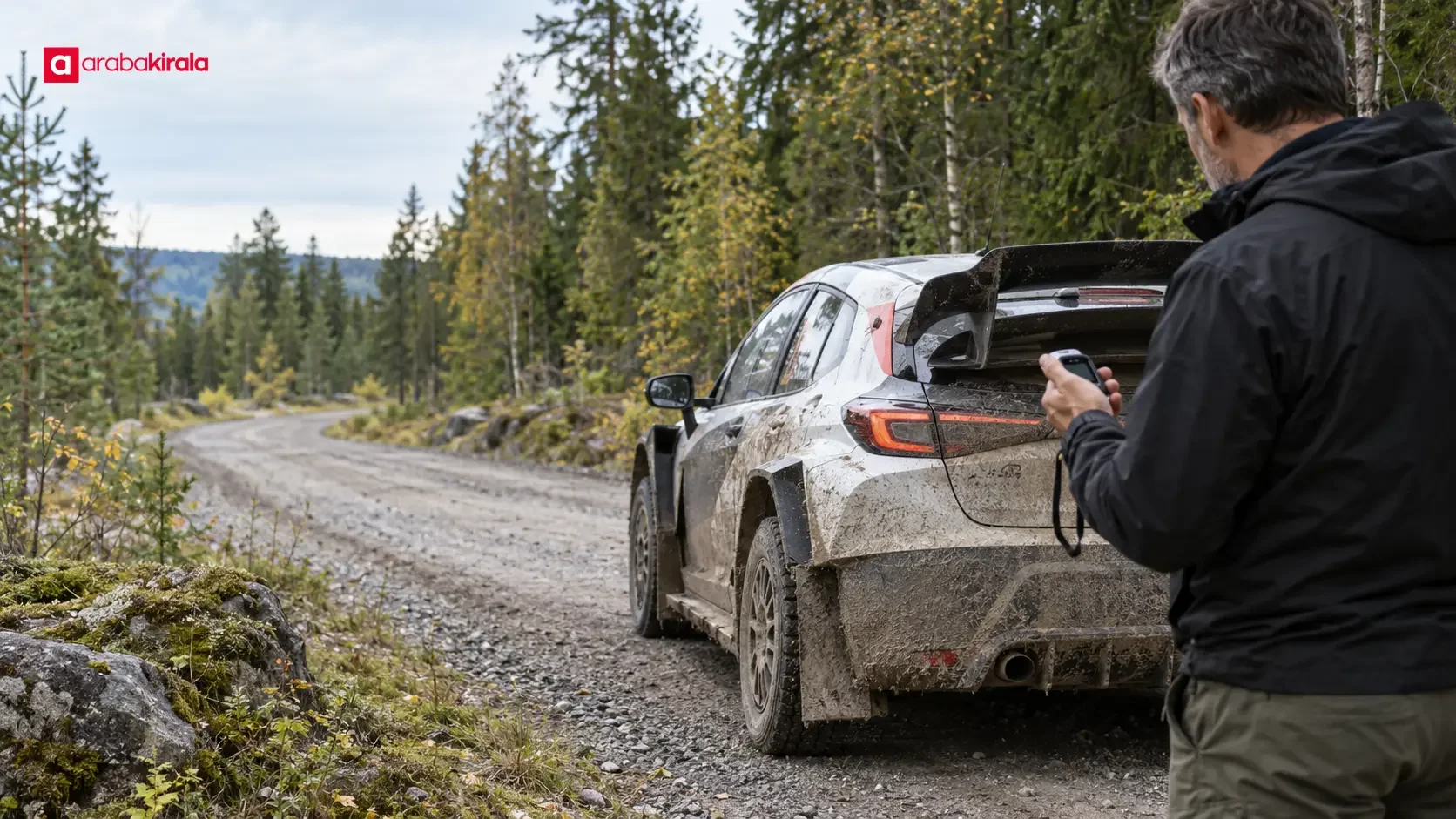
In WRC results, a crew’s time on one stage and its accumulated result across the rally describe different things. A stage time is the measured time from the start to the finish of a particular special stage. The rally time or overall total reflects the cumulative stage classification so far, together with applicable time penalties. This guide explains how the terms work, how to read result screens, and why a fast stage does not automatically mean the crew leads the rally.
What does a WRC stage time measure?
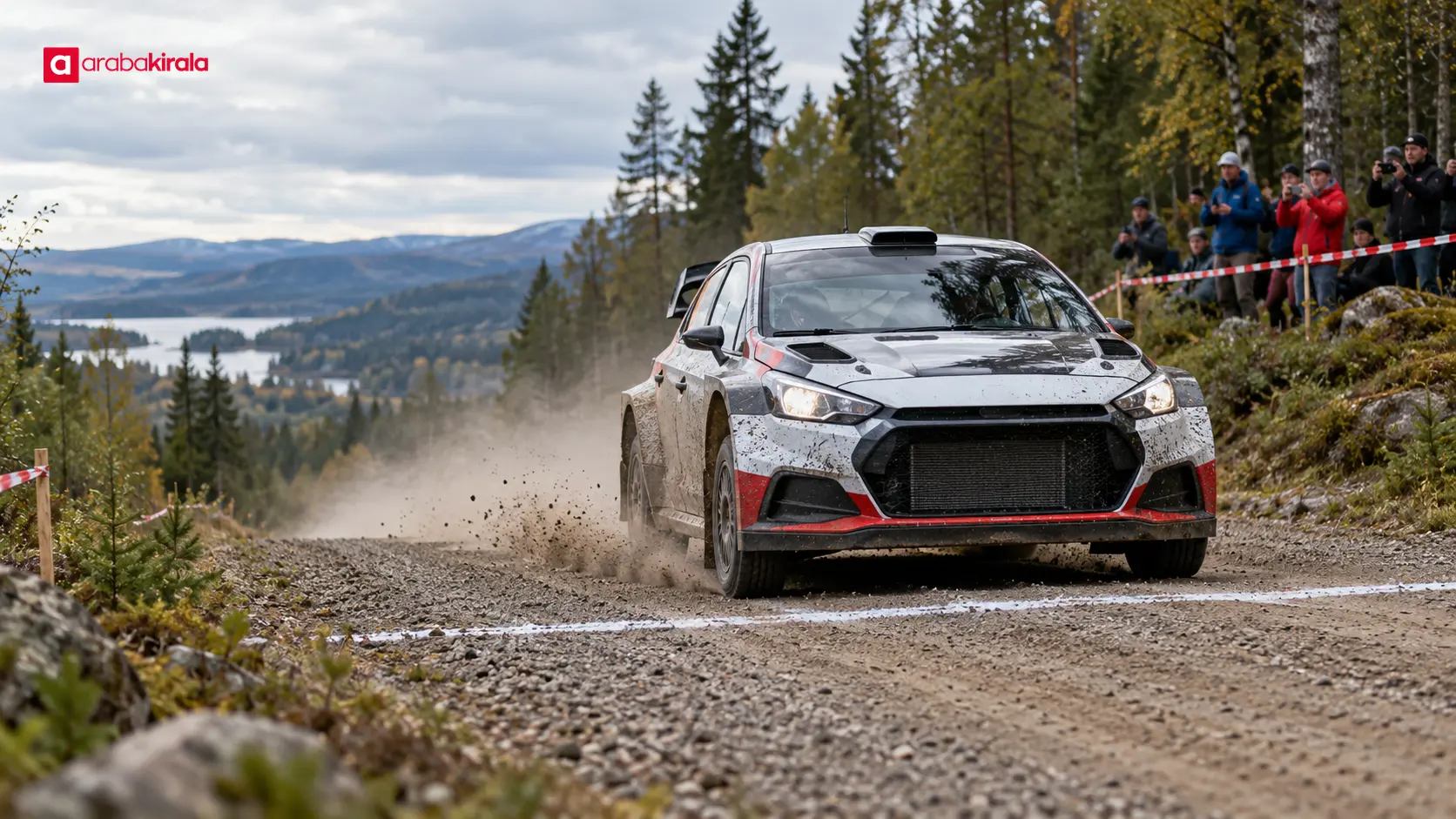
A rally route combines special stages with road sections linking them. A special stage is a competitive section where crews race against the clock on a closed course. Stage time measures the elapsed time between the official start and finish of that section. The WRC glossary likewise defines stage time as the time recorded from a stage’s standing start to its flying finish.
A stage result is usually shown in minutes, seconds and fractions of a second. The duration depends on the stage distance, its layout, surface and conditions. The ranking for one stage tells you who was quickest over that section; on its own, it does not tell you who is leading the whole event.
Split times and the full stage result
Live coverage may show split times at intermediate timing points along a stage. These splits indicate how a crew is performing over portions of the route and can show where it is gaining or losing time relative to competitors. A split is not the full stage time. The final stage time covers the complete measured run from start to finish, and a crew leading at an intermediate point may not remain ahead at the finish.
How is the overall rally time built?
The overall WRC classification combines competitors’ times from the special stages they have completed. Official WRC results pages explain that stage times are combined to determine the current rally standings. Result screens may show “Total Time” and “Penalties” in separate columns. Applicable time penalties can affect the classification under the rules for that event.
So “rally time” should not be read as a stopwatch total of every minute a car spends at the event. Crews travel between special stages on road sections, where they do not race for the fastest stage time. Their schedule includes target times and time controls. Those timing requirements can matter, but the overall result is not simply the sum of all travel, waiting and service minutes.
A simple way to read the numbers
Suppose a result screen shows one crew completing a stage in 4 minutes 12 seconds and another in 4 minutes 15 seconds. The first crew is three seconds quicker on that stage. If the second crew had built a larger advantage on earlier stages, it could still lead overall. This is an illustration of cumulative arithmetic, not a report of an actual result or a claim about a specific event rule.
- “Stage time” is the measured performance on the selected special stage.
- “Total time” represents the cumulative result across completed stages.
- Check the penalties column as well as stage times when interpreting the overall order.
- “Diff” may refer to the gap to the leader or to the car immediately ahead; check the column heading.
Special stages and road sections are different
Special stages are the sections where the competition is directly measured against the clock. A road section, sometimes called a liaison, links stages, service areas or other route points. On these sections, competition cars use roads that are open to normal traffic and must follow the applicable traffic rules; crews are not trying to set the fastest special-stage time. The WRC glossary describes a road section as the public road linking special stages and other route locations.
Road-section timing still matters. Crews record arrivals at time controls, and arriving earlier or later than the permitted target can have consequences under the event rules. Keep the concepts separate: stage time measures performance over a special stage, while road-section timing forms part of the rally schedule and its controls.
Why can a stage result and rally position move differently?
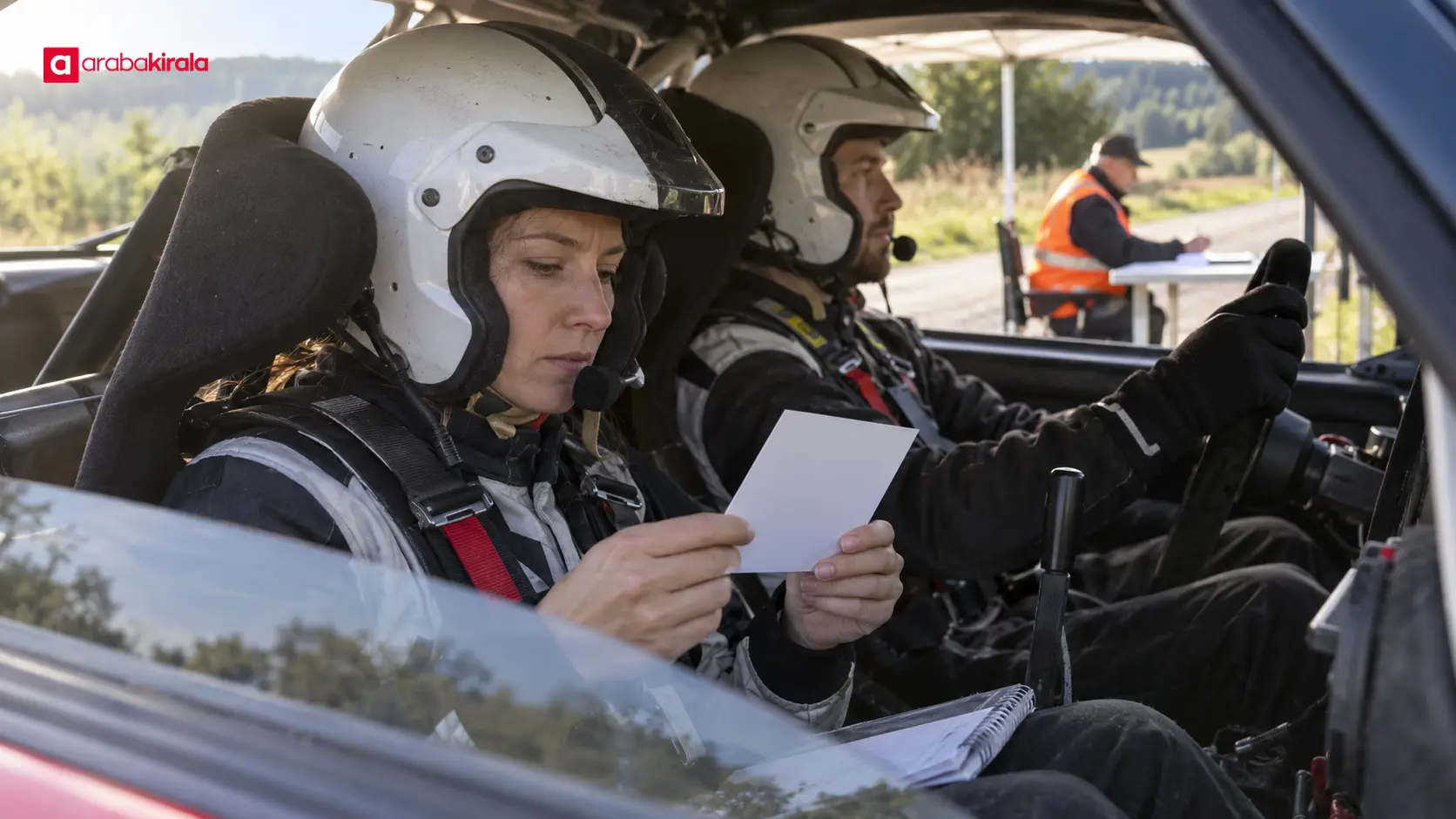
A crew can post the fastest time on the latest stage and still hold, gain or lose an overall position. The overall order takes account of the accumulated stage times and applicable penalties, not only the latest result. A few seconds gained on one stage may not erase a gap built earlier. Likewise, a crew that loses time on one stage may remain high in the overall classification because of its previous advantage.
If a stage is interrupted or cancelled, or a particular competitor receives a special timing treatment, the official result may not look like a standard completed-stage time. The handling depends on the event’s applicable regulations and official decisions. Do not infer a rule for every rally from one incident; consult the specific event’s published results, notices and decisions for context.
How to read live timing and result tables
First identify whether the page displays a single-stage result or the overall classification. A stage table ranks performance on the selected stage, while an overall table shows the accumulated result at that point in the rally. Then check the stage number, competitor category and status indicators. Some result pages use colors to distinguish completed, interrupted, cancelled, running or upcoming stages. Since color keys can vary, read the legend on the page.
“Gap to leader” and “gap to previous” are not the same measure. The first compares a competitor’s total with the leader; the second compares it with the next crew in the order. If a column heading is abbreviated, use the page’s explanation or glossary. During live timing, also distinguish provisional information from a final classification, since updates and official decisions may change the display.
A quick checklist
- Confirm whether the page shows a stage, a day, or the overall rally.
- Check the stage number and competitor category.
- Read the stage time separately from the total time.
- Review the penalties column and related official notices.
- Check whether the gap is measured to the leader or the car ahead.
Frequently asked questions
Are stage time and rally time the same measurement?
No. Stage time covers one special stage. The rally total reflects the cumulative classification across stages and any applicable time penalties.
Is road-section time added to the total stage time?
Do not interpret the result’s total as a direct sum of every minute spent on road sections. Time controls and early or late arrivals can affect classification under the rules, while the overall time is based on accumulated stage results and relevant penalties.
Does winning a stage mean winning the rally?
No. A stage win means the crew was quickest on that particular special stage. Rally leadership is determined by the overall classification built up across the event.
Can the total time on a result screen change?
Live results may be updated, and official decisions can affect the classification. For the latest interpretation, follow the event’s official results and published notices or decisions.

Summary: keep the two times distinct
WRC stage time is the measured time from the start to the finish of one special stage. The rally total combines performance across stages and applicable penalties in the overall classification. When following results, first identify which table you are viewing; keep stage performance separate from cumulative time, and do not confuse road-section scheduling with a special-stage result. Next, compare the stage order, overall classification and penalty column on the official results page to see whether a position change came from the latest stage or from the accumulated gap.
Legal Disclaimer: All content, articles and information on the Araba Kirala website are provided solely to inform users. No information shared on this website constitutes definitive advice or guidance. Araba Kirala Teknoloji A.Ş. and its authors cannot be held responsible for any direct or indirect damages arising from the application of information on the website. For all questions and requests regarding car rental, please contact the office from which you will rent your vehicle.