How WRC Starting Order Affects Road Conditions
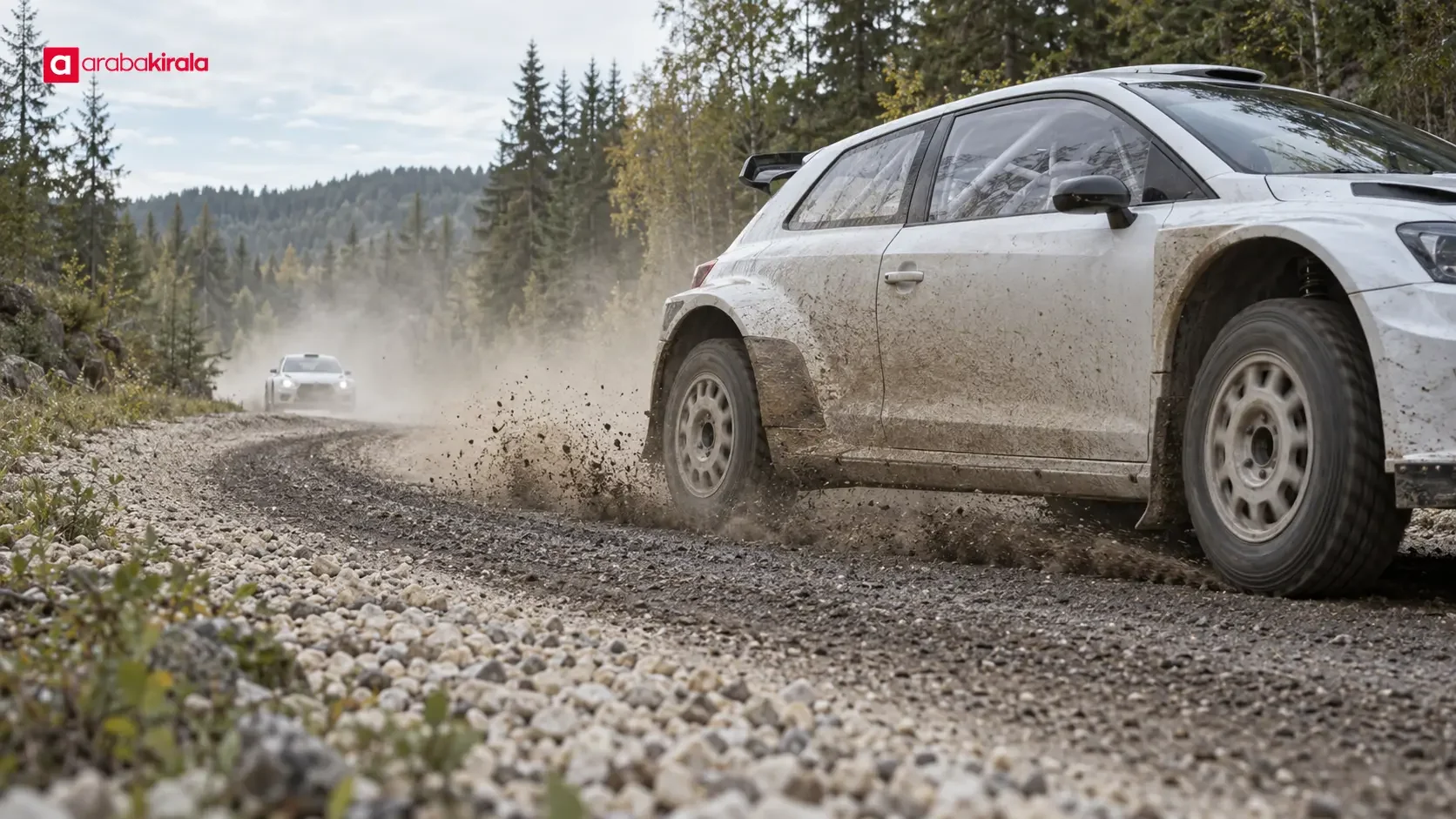
WRC starting order determines the sequence in which cars enter a special stage. On loose gravel, that sequence can change the road surface: cars near the front may displace stones, dirt and fine gravel, altering the line faced by those that start later. This process is often called road cleaning. It can influence grip, but it does not guarantee an advantage for later starters. Surface composition, weather, stage wear and the way the road changes along its length all matter.
What does starting order mean in WRC?
A rally special stage is a closed road section where competitors drive against the clock. Starting order specifies which car enters that section first, second and so on. The order is governed by the sporting and safety framework of the event. Details can depend on the championship rules and event arrangements in force, so a starting list should be read in its rally context.
Cars do not all encounter the stage at precisely the same moment. The gap between starts gives each competitor a road that may differ from the one seen by the previous car. The first passes can move loose material or leave ruts, and later cars then meet the surface those passes have created. Starting position is therefore useful context for understanding conditions, rather than a complete prediction of stage performance.
How does road cleaning work?
On a gravel stage, the upper layer may contain loose dirt, sand or small stones. Tyres can push some of this material away from the racing line, exposing a firmer layer underneath. When that happens, a car starting later may find more grip on that part of the road. This is why an early starter can face a disadvantage on some dry, loose gravel stages.
The same passes can also roughen the road. They may deepen ruts, uncover larger rocks or break up a surface that was initially more even. Later competitors can then face a rougher or less predictable line. A “cleaner” surface is not automatically a safer or faster one: its effect depends on what was removed, what was exposed and how the road has worn.
Loose surfaces and tarmac are different
Road cleaning is most visible when the surface includes material that tyres can move. Gravel and dirt can shift from one part of the road to another, changing the grip available on a line. On tarmac, loose dirt or mud brought onto the road at corners can make the surface slippery, but the simple idea that the first car always cleans the road does not apply in the same way. Corner shape, the road edge and the amount of material carried onto the tarmac all affect conditions.
Snow, ice and rain add further variables. Cars may compress snow, reveal ice or encounter water and mud in different parts of a stage. The direction and scale of these changes depend on the actual weather and surface. Starting order alone cannot show which driver will have better grip. Teams consider stage and weather information together and adapt their approach to the conditions they encounter.
Why starting order does not have the same effect at every rally
The consequences of starting early or late depend on the stage. On dry, loose gravel, later cars may benefit if earlier passes move material away from the preferred line. When rain makes the surface heavier or muddy, earlier tyre tracks can become difficult grooves for later cars to manage. A condition that helps one competitor in one stage may hinder another competitor elsewhere.
A single stage can also contain several kinds of road. Firm sections may alternate with loose gravel; shaded areas, slopes and corners can have different levels of grip. Pace notes describe the road’s shape and help the crew prepare, but they do not fix the condition of the surface on the day. This is why teams assess the starting position alongside the stage layout, weather and expected surface changes.
Starting position should also be distinguished from competitive position. A car’s place in the stage start sequence does not, by itself, tell you its stage result or overall rally position. Stage times, results from other stages, penalties and the event format can all affect standings. Starting order helps explain the conditions a crew may face; it is not a substitute for the results.
What conditions do teams monitor?
Teams consider whether the road is firm or loose, the amount and size of gravel and stones, the chance of rain and differences in weather along the route. Tyre choice and car setup are connected to those conditions. There is no universal choice that works for every rally: decisions depend on the event’s technical demands and the equipment options allowed by its rules.
Conditions can change from one section to the next. A corner may hold more loose material than the straight before it, and cars may use different lines depending on their pace and driving approach. A track made by early cars may fade, deepen or shift location later in the stage. Teams therefore avoid treating a whole road as uniformly “cleaned” and consider how its surface changes over the route.
How to interpret starting order when following a rally
Starting position is more informative when considered alongside the stage conditions. An early start on dry gravel may suggest a possible road-cleaning disadvantage, but it takes pace, surface and stage time to tell whether that became a meaningful loss. Likewise, a later starter cannot automatically be assumed to benefit from a clean line: earlier cars may have damaged the surface, or the weather may have changed.
When watching coverage, note the order in which cars start the same stage, the timing of any rain and observations about the road surface. Inferring performance from a car number alone can be misleading. Stage times and official results show how the drive went; surface reports help explain why times may differ.
Frequently asked questions
Is the first WRC car always at a disadvantage?
No. On dry, loose gravel, an early car may encounter more loose material before the road is cleaned. The effect can change in wet weather, on a different surface or when the earlier passes leave damaging ruts. Starting position by itself is not enough to decide whether a driver has an advantage.
Does road cleaning always improve grip?
No. Moving loose gravel can reveal a firmer surface, but cars can also deepen ruts, expose rocks or break up the road. A line that looks cleaner is not necessarily the safest or fastest line.
Does starting order determine the stage result?
No. It may influence the surface a crew encounters, but the result also depends on the drive, the car, tyre and surface suitability, and conditions during the stage. Starting order alone does not explain a result.
Does the same effect happen on tarmac?
Road cleaning on tarmac does not work in the same way as on loose gravel. Dirt or mud brought onto the asphalt at a cut corner can affect grip, and the consequences depend on the stage and weather. Gravel-stage explanations should not be applied to tarmac without considering those differences.
WRC starting order helps explain when each crew encounters a changing road. On loose gravel, road cleaning can affect grip, but the surface, weather and tracks left by earlier cars can change the effect. Reading the order together with stage conditions and official times gives a more grounded picture of rally performance.
Legal Disclaimer: All content, articles and information on the Araba Kirala website are provided solely to inform users. No information shared on this website constitutes definitive advice or guidance. Araba Kirala Teknoloji A.Ş. and its authors cannot be held responsible for any direct or indirect damages arising from the application of information on the website. For all questions and requests regarding car rental, please contact the office from which you will rent your vehicle.