What Is a WRC Super Special Stage? A Spectator Guide
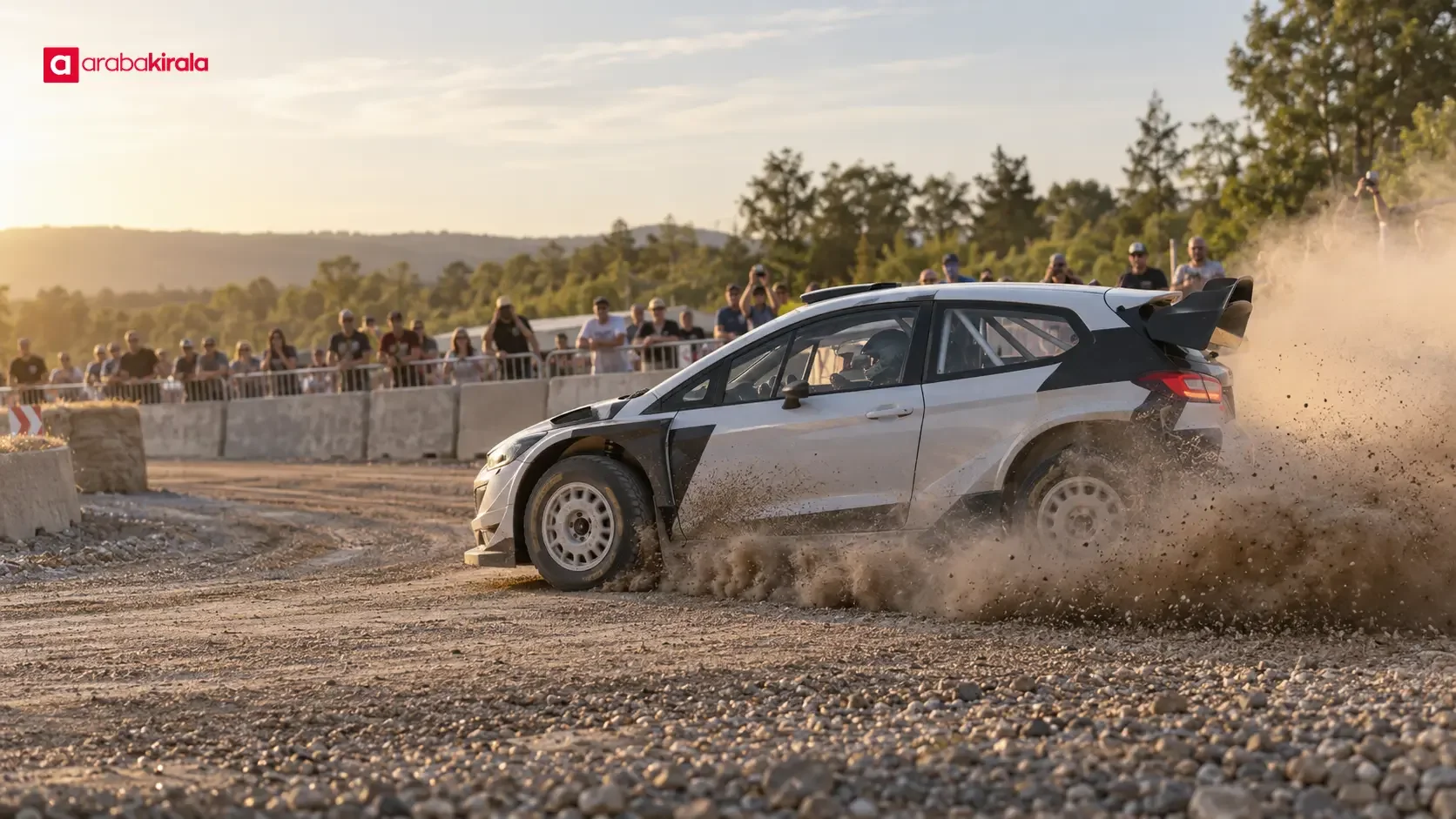
A WRC super special stage is a timed section of a World Rally Championship rally that is designed to be watched in a relatively compact, controlled setting. Depending on the event, it may take place in a stadium, a managed urban area or another purpose-built venue. Cars can start one at a time or, in some formats, at the same time on comparable sections of the course. The arrangement gives spectators a different experience from watching a long stage on a remote road: the action may be easier to follow within a limited area, while the route, viewing positions and schedule remain specific to each rally.
What does “super special stage” mean?
In rallying, a special stage is a closed-road section in which crews compete against the clock. A super special stage is one of the timed stages on a rally itinerary, but its name does not define a universal length, surface or layout. FIA sporting regulations treat it as a format whose operating details are set out in the event’s supplementary regulations. The starting order, intervals and course arrangements can therefore differ from one event to another.
The feature many spectators notice is the compact environment. On a conventional road stage, people watch from permitted locations along a longer route and may see each car pass for only a short time. A super special course can be arranged so that more of its activity is visible from the event venue, or that spectators can watch different corners from designated zones. That does not mean every seat or viewing area provides a complete view of the course. The geometry, barriers, stands and sightlines all matter.
How is it different from a traditional rally stage?
Traditional stages often follow longer roads with changing bends, surfaces and elevation. Competitors usually leave at intervals, and spectators select an approved viewing location along the route. A super special stage is often contained within a smaller, controlled footprint. Some events use a head-to-head start, while others send cars through individually. Where cars start together, the course needs to be arranged so that the starting routes offer comparable distances and conditions, as required by the sporting format.
The difference changes what a spectator can observe. A paired start may make it easier to compare lines, acceleration and braking as the cars move through the course. An individual start gives each crew a separate run and can make the venue feel more like a sequence of focused performances. In either format, the visual impression is not the same as the official result. Small time gaps are difficult to judge by eye, so published stage times and official results are the reliable way to understand performance.
What is the spectator experience like?
A compact venue can make rallying more approachable for a first-time spectator. It may be simpler to identify the entrance, follow the running order and understand where the action will happen than on a long rural route. Engine sound, acceleration, braking and the car’s movement through a corner can feel vivid at close range. Jumps, tight turns, slippery surfaces or other features depend on the individual course; they are not guaranteed elements of every super special stage.
Proximity also makes crowd and safety rules especially important. Stay in marked spectator areas, follow marshal instructions and never cross barriers or enter the course. Do not move into an unsafe position for a photograph or block another person’s view. If attending with children, keep them under adult supervision and agree on a meeting point in case the group becomes separated. These simple steps help everyone enjoy the event without interfering with the competition or safety arrangements.
How to plan a visit
Check the event schedule and access information
Start with the rally’s official event page and organiser announcements. Look for the current stage timetable, spectator entrances, ticket or access details, road closures and public transport notices. The championship calendar alone may not include all practical information for attending a particular stage. Gate opening times, security checks, parking arrangements and walking distances can vary by venue, so verify those details in the event’s own updates.
Having access to a rally does not necessarily mean every spectator zone is accessible from every entrance. Compare the entrance location with the area you plan to use, and do not assume that you can move between viewing zones while competition is underway. Keep an eye on official event communications on the day in case the running order or access arrangements change.
Allow time for travel and entry
Road closures, crowds and controlled entry can make the final part of a journey take longer than expected. Check public transport, any official shuttle information, the location of parking areas and the walk from the drop-off point. If driving, do not assume that parking will be available close to the venue; use the access plan published by the organiser. Visitors travelling in a rental car can ask the branch they are renting from for local guidance about routes, nearby parking and their return journey. This is a practical trip-planning step, not a promise about any rental service.
Plan for comfort and safety
Choose clothing for the forecast and comfortable shoes for standing or walking. For an outdoor venue, consider sun, rain, cold and the possibility of waiting on your feet. Check the event’s prohibited-items policy before packing a bag, food, drinks, camera equipment or a seat. Rules differ between venues. Hearing protection can be useful for people sensitive to loud sound; ensure any equipment used by children is suitable for them. Avoid using audio equipment at a volume that makes it harder to hear safety announcements.
What should spectators watch for?
Begin by understanding the course layout and start method. The start line, timing display, turning points and marshal positions help explain how the run unfolds. Watch where a car brakes, how it enters a corner and how it accelerates on exit. Comparing the lines chosen by different crews can make the driving easier to appreciate even without technical expertise.
Basic information about the event’s classes and entry list can help you identify the cars, but check the current official programme because line-ups and starting order can change. Avoid drawing firm conclusions about a car’s technical specification or a crew’s strategy from appearance alone. Official timing and event updates provide a sounder basis for understanding how each run went.
Frequently asked questions
Does every rally include a super special stage?
No. The FIA sporting regulations make the running of a super special stage optional. Whether a rally includes one, and where it takes place, depends on that event’s itinerary. Consult the official stage programme for the rally you plan to attend.
Do cars always race side by side?
No. A simultaneous or head-to-head start is one possible format; cars may also run individually. The event’s published information sets out the start arrangement and times.
Can I see the entire course from one place?
That depends on the course design and the viewing area. Barriers and safety zones may limit sightlines. Review the spectator map and remain within designated areas, even if another position appears to offer a better view.
How much time should I allow to watch one stage?
Allow for more than the cars’ running time. Entry, security checks, the walk to a viewing area and the post-event exit all take time. The exact schedule is set out in the rally’s current programme.
In summary
A WRC super special stage is a timed rally section on a controlled, often compact course that can bring the action closer to spectators. Its length, start format and viewing experience are not identical across events. Check the organiser’s latest schedule and access guidance, plan the journey, and watch only from designated spectator areas. Those steps make it easier to enjoy the driving and follow the competition safely.
Legal Disclaimer: All content, articles and information on the Araba Kirala website are provided solely to inform users. No information shared on this website constitutes definitive advice or guidance. Araba Kirala Teknoloji A.Ş. and its authors cannot be held responsible for any direct or indirect damages arising from the application of information on the website. For all questions and requests regarding car rental, please contact the office from which you will rent your vehicle.