WRC Suspension Setup: How It Changes with the Surface
Published: October 8, 2026 • Reading Time: 8 min • Last Updated: October 8, 2026
Learn why WRC rally cars use different suspension approaches on gravel, tarmac, and snow or ice, and how springs, dampers, ride height, and tyres work together.
Contents
- What does suspension setup change?
- Gravel: room to move and absorb impacts
- Tarmac: body control and consistent response
- Snow and ice: calm behavior with limited grip
- Balancing springs, dampers, and ride height
- Spring stiffness
- Damper response
- Ride height and suspension travel
- How teams choose a surface-specific setup
- What everyday drivers can take from rally suspension
- Summary: understand the surface before the setup
- Frequently Asked Questions
WRC suspension setup aims to keep a rally car’s wheels in contact with a changing stage surface while giving the driver predictable responses. This guide explains what gravel, tarmac, and snow or ice ask of the suspension, and how springs, dampers, and ride height affect the car. There is no single ideal setting for every surface: the stage profile, how broken the road is, the weather, and the tyre choice all shape the decision.
What does suspension setup change?
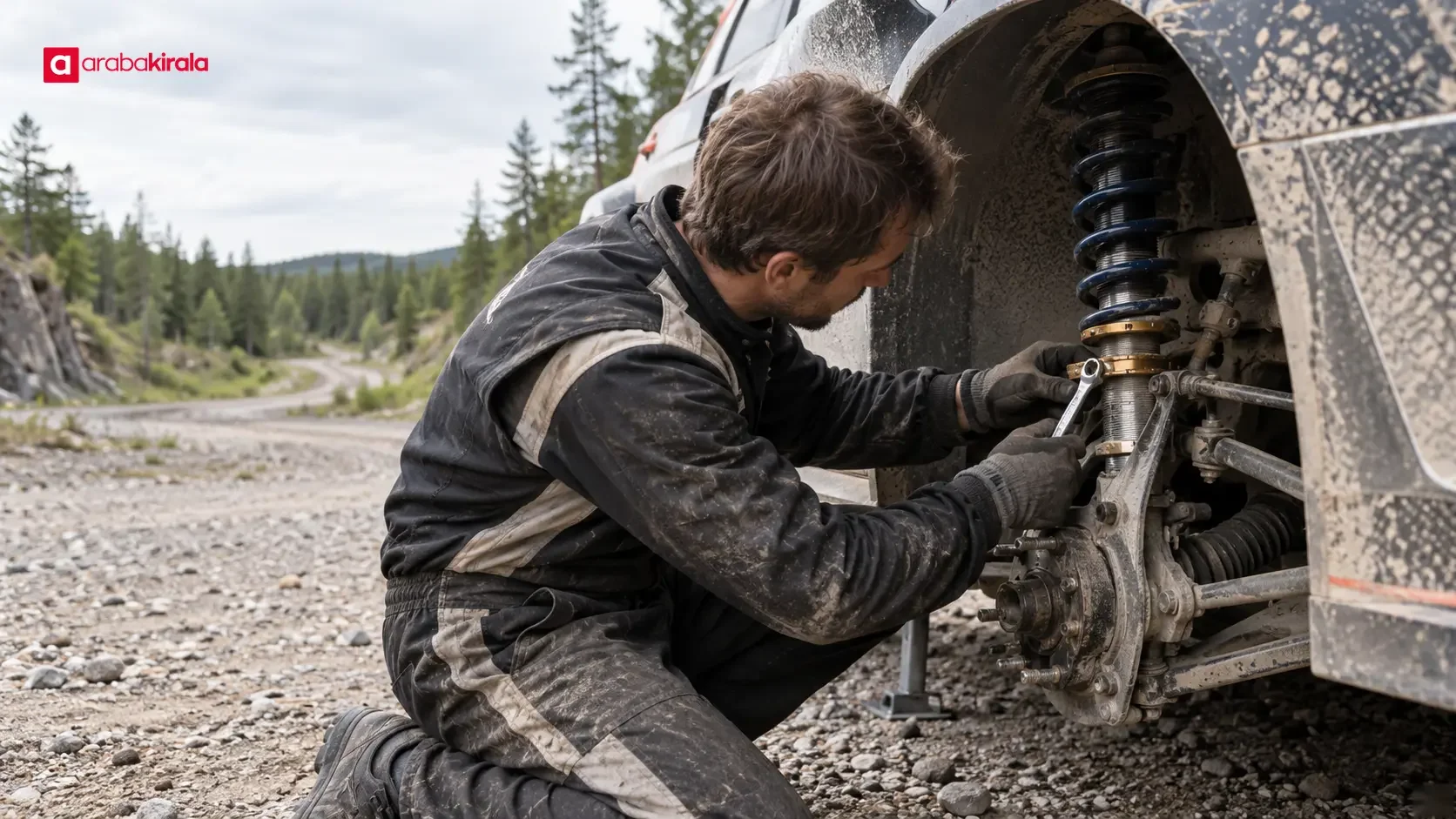
The suspension connects each wheel to the body through springs and links, while dampers control how quickly that movement happens. A spring compresses when a wheel rises over a hole or bump and stores energy. The damper controls compression and rebound so the car does not keep oscillating after each impact. Setup balances those movements and the car’s ride height for the conditions.
WRC dampers are adjustable. The choice is not simply “soft” or “hard”: compression and rebound responses, as well as ride height, can also be changed. A setting that helps a wheel follow a rough surface also influences body movement. The aim is not to choose the softest or stiffest suspension, but to manage body motion while preserving tyre contact and readable steering and braking responses.
Gravel: room to move and absorb impacts
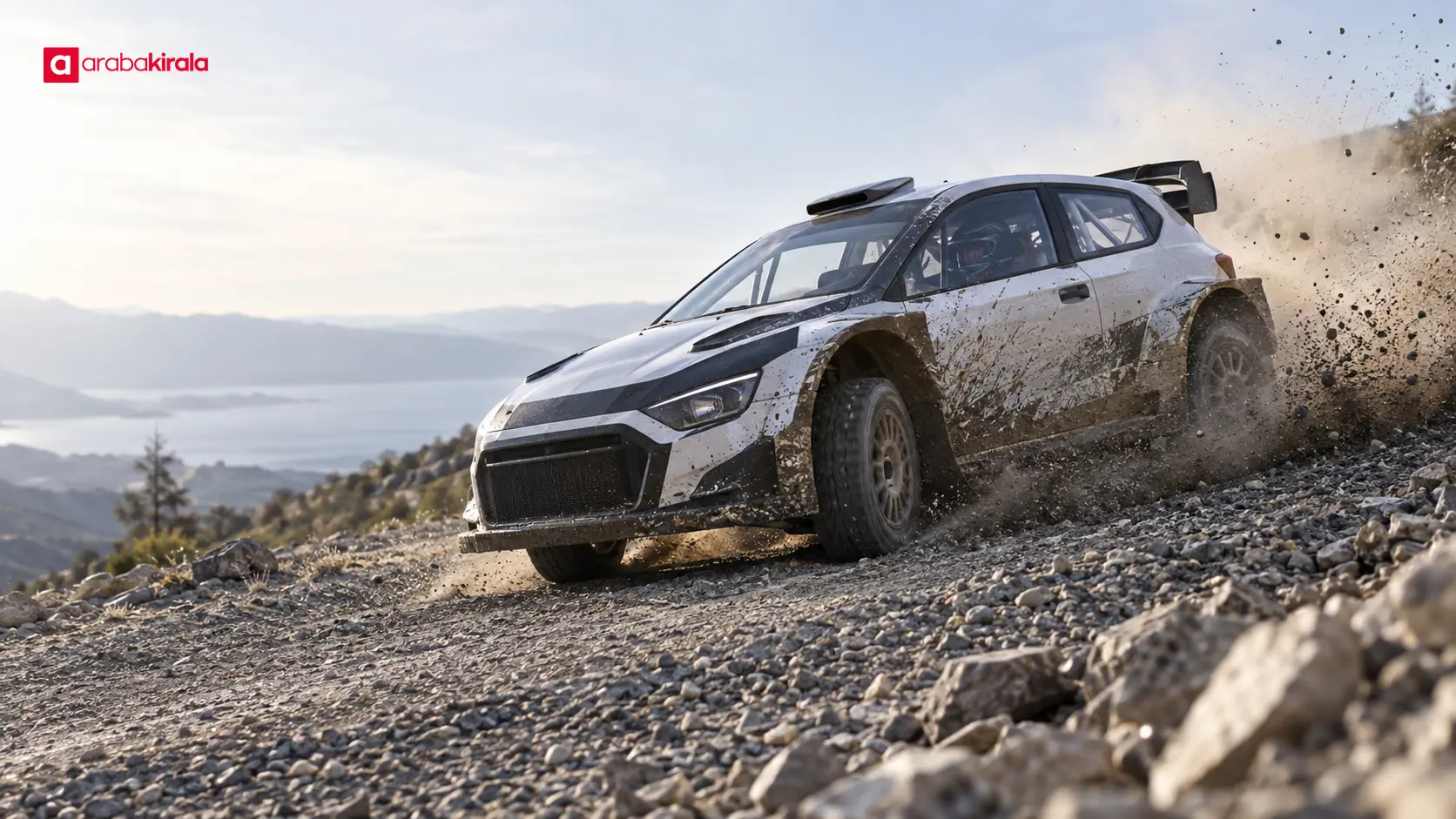
Loose gravel stages are often uneven. Stones, ruts, and a shifting top layer make grip change from one moment to the next. The suspension needs enough travel for the wheels to follow those undulations. More ride height can help provide clearance over larger surface breaks and reduce the chance of the underside striking the road. The trade-off is that a taller body can move more in a corner, so teams consider stage speed and surface condition together.
Damper compression response controls the impact as the wheel moves upward; rebound response affects how the suspension recovers as the wheel returns to the surface. An overly restrictive response can make it harder for the wheel to follow repeated bumps. Too much freedom can allow the body to oscillate without control. Teams therefore judge a setting by the pattern of roughness across a stage, not by one isolated bump.
A driver’s feeling of sliding on gravel does not always mean the same thing. A tyre may move in a controlled way on a loose surface. What matters is whether the car remains predictable on corner entry, through the middle, and on exit. Suspension helps the tyre stay loaded against the surface, but it cannot create grip by itself. Tyre construction, pressure, and loose material on the road also matter.
Tarmac: body control and consistent response
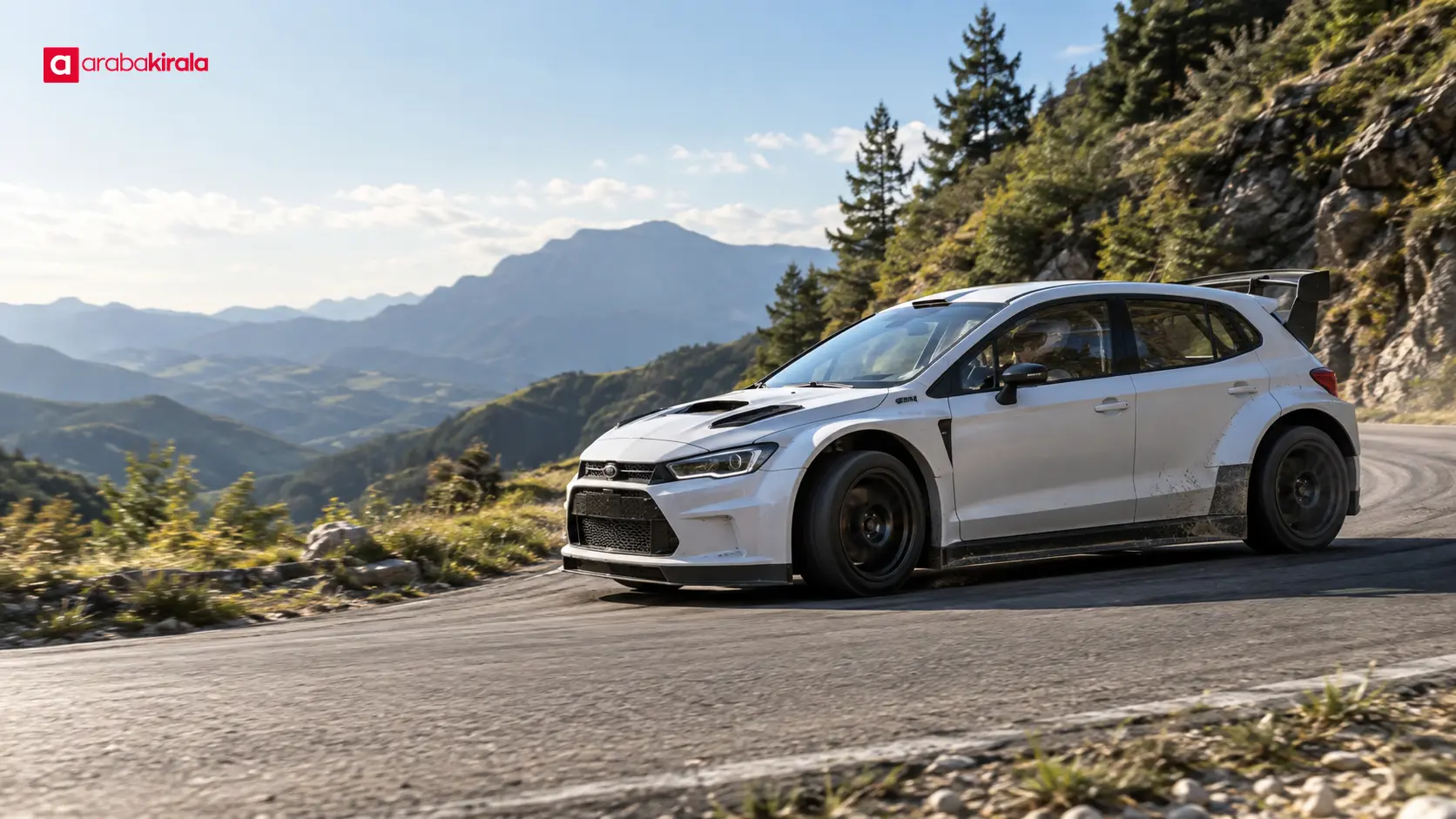
Tarmac is generally firmer and smoother, so controlling body movement in corners and responding consistently to steering inputs become more prominent. A more controlled spring and damper balance can help manage how load shifts under cornering, braking, and acceleration. Ride height is usually considered differently from a gravel setting, though bumps, broken patches, and jumps mean adequate suspension travel still matters on tarmac.
Dry, wet, and dirty tarmac offer different levels of grip. With less available grip in wet conditions, the same stiff setup cannot be assumed to work better in every case. Teams consider suspension response alongside tyre choice and the character of the road. Treating every stage labelled “tarmac” as identical overlooks its actual condition.
Body control can help a driver hold a chosen line, but excessive stiffness can make it harder for a wheel to follow small surface irregularities. That can reduce contact and confidence. The goal is to manage body movement without losing the tyres’ connection to the road. A narrow, twisty stage can call for a different balance from a fast one.
Snow and ice: calm behavior with limited grip
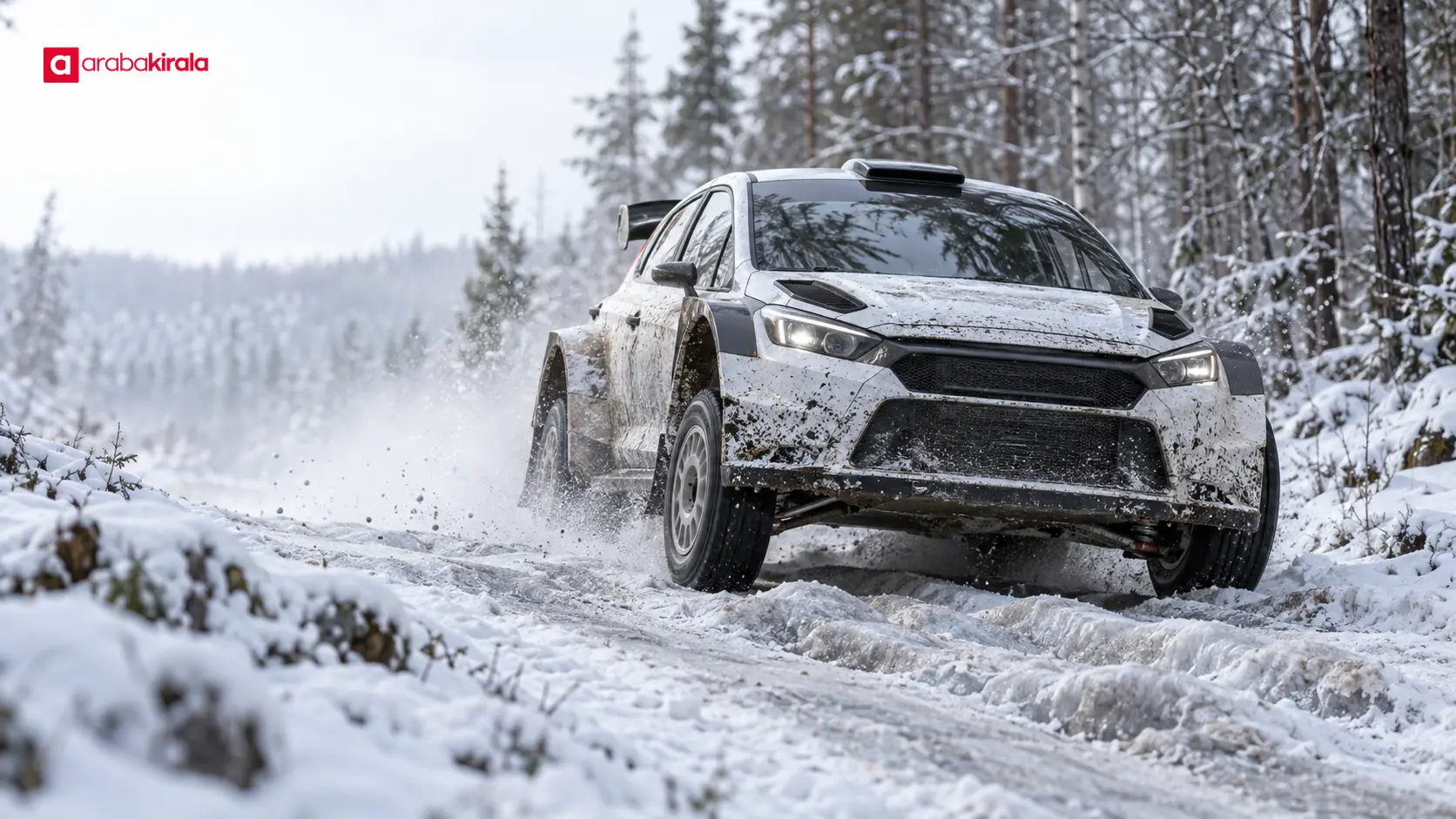
Snow and ice provide low and variable grip. Tarmac beneath ice, packed snow, slush, and cleared wheel tracks can all behave differently within one stage. The suspension still needs to keep the wheels on the surface, while a balanced response to small driver inputs becomes particularly valuable. Setup should help the car react steadily and make loss of grip easier to sense.
Tyre type, whether studs are used, and event rules also matter on snow stages. These are separate from suspension setup, but they shape the behavior of the whole car. A studded tyre does not interact with the surface in the same way as a non-studded winter tyre, so suspension choices cannot be considered without the tyres and stage conditions. FIA WRC regulations set a technical framework for competition classes and events; a particular car’s setup is developed through the team’s engineering work.
Balancing springs, dampers, and ride height
Spring stiffness
Spring stiffness affects how far a wheel moves under load and how quickly force transfers to the body. A stiffer spring can help limit body movement, but may also restrict the wheel’s ability to follow irregularities. A softer spring can absorb more impact, while using its available travel sooner under large loads. Teams consider surface roughness and cornering forces together.
Damper response
A damper controls spring movement by speed and direction. Compression adjustment acts as the wheel moves upward; rebound adjustment acts as the suspension returns. The balance between these directions influences how the car settles over successive bumps and how weight transfer feels in a corner. Changes are made in small steps, with conditions and driver feedback recorded so the effect of each adjustment can be understood.
Ride height and suspension travel
Ground clearance matters for protecting the underside and preserving suspension travel on a rough surface. A lower setting can help reduce body movement but leaves less room for holes and bumps. A higher setting gives more clearance but can increase body movement during weight transfer. Ride height is chosen in view of the size and frequency of obstacles across the stage, not just its surface label.
How teams choose a surface-specific setup
Stage reconnaissance and previous data help teams understand the road rhythm, surface firmness, corner frequency, and expected weather. During test runs, the driver reports how the car recovers over bumps, stays balanced under braking, and responds at the front and rear through corners. Engineers relate those observations to damper settings, spring choices, and ride height. Each change is assessed carefully; changing many variables at once makes it harder to identify what helped.
WRC’s official glossary describes “set-up” broadly as the choice of tyres and suspension adjustments for performance. That reflects how suspension is not independent of the car: tyres, brakes, steering, geometry, and driving style interact. A solution that works on one stage is not automatically best at a different temperature or on another surface.
What everyday drivers can take from rally suspension
WRC cars are purpose-built competition vehicles governed by specific technical rules. Their setup values should not be transferred to an ordinary road or rental car. The underlying principle is still useful in daily driving: tyres need to remain in contact with the road, suspension needs to control impacts, and the vehicle should behave consistently. On a rough road, adjust speed to the conditions and avoid obstacles safely.
If a rental trip includes varied roads, ask the branch where you will rent about the vehicle’s suitability for the intended use and the available tyre details. Before setting off, have the tyre condition and any visible suspension concerns checked. If you notice unusual noise, vibration, or unstable steering, stop in a safe place and contact the branch. This is not a recommendation to imitate a rally setup; it is a practical way to check that the vehicle is suitable for the conditions.
Summary: understand the surface before the setup
WRC suspension setup addresses different goals: tracking impacts and maintaining clearance on gravel, controlling body movement and providing consistent response on tarmac, and staying balanced with limited grip on snow or ice. Springs, dampers, and ride height work together, while tyres and stage conditions change the result. No single setup is best everywhere. When watching a rally, consider the surface, the car’s response, and the reason behind each adjustment. For everyday driving, the practical next step is to match your speed to the road and check that the vehicle is in suitable condition.
Frequently Asked Questions
Why do WRC cars use different suspension setups for different surfaces?
Gravel, tarmac, and snow or ice expose the wheels to different impacts and grip levels. Setup helps the tyres stay connected to the surface and lets the driver guide the car predictably.
Is softer suspension always better on gravel?
No. A softer setting can help the wheels follow bumps, but it can also increase body movement and bring the suspension closer to the limits of its travel. Teams find a balance based on the stage and driver feedback.
Do rally cars use a stiffer setup on tarmac?
Body control and quick, consistent response may be priorities on tarmac. However, rough patches, jumps, wet conditions, and tyre choice change how stiffness affects the car, so there is no universal setting.
Which matters more on snow and ice: suspension or tyres?
They do different jobs and are considered together. Tyres affect how the car grips the surface; suspension affects how the wheels follow it and how body movement is controlled. One cannot replace the other.
Can I apply a rally suspension setup to a rental car?
No. WRC cars are engineered for competition and differ from everyday vehicles. Do not modify a rental car to imitate a rally setup; check tyre and vehicle condition with the branch where you rent, then drive to suit the road.
Legal Disclaimer: All content, articles and information on the Araba Kirala website are provided solely to inform users. No information shared on this website constitutes definitive advice or guidance. Araba Kirala Teknoloji A.Ş. and its authors cannot be held responsible for any direct or indirect damages arising from the application of information on the website. For all questions and requests regarding car rental, please contact the office from which you will rent your vehicle.