How WRC Time Control Points Shape Rally Flow
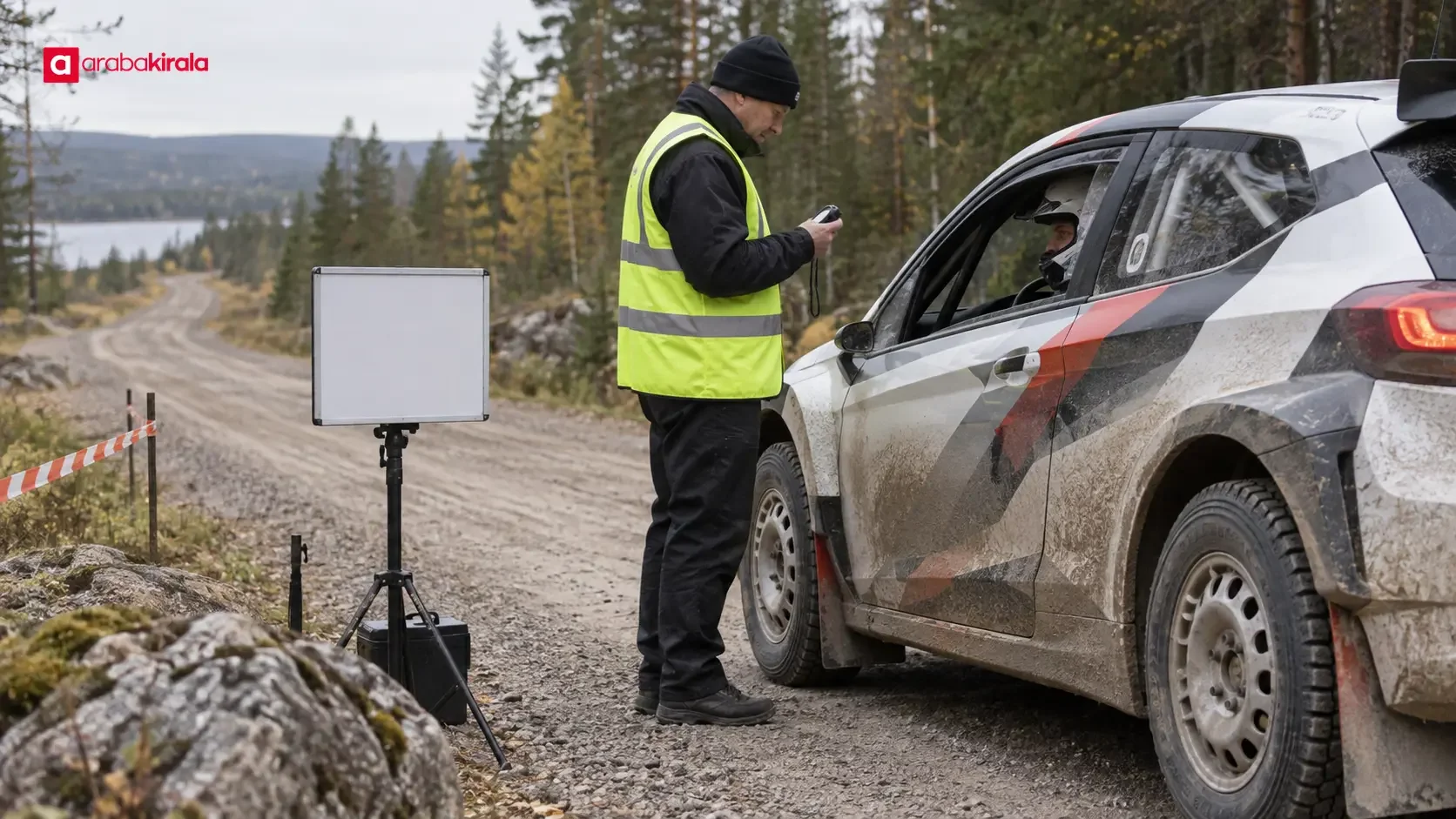
WRC time control points help organize a rally by recording where each crew is in relation to the published schedule. They are not the same as the timed stages: between stages, rally cars travel on road sections and must follow both the event timetable and the rules that apply on public roads. Understanding that distinction makes it easier to see how a rally can be competitive on special stages while still operating as a carefully scheduled event.
A rally does not send every car onto one continuous course at the same moment. Instead, special stages, road sections, service periods, and control locations form a sequence. Time records at designated controls help officials follow that sequence and help crews know what comes next. For spectators, the controls are one way to understand where a car sits in the event schedule, while stage timing shows its performance on the competitive sections.
What is rally control, and what is a time control point?
Rally control refers to the event's overall management and coordination. The rally director and organizing team oversee the running of the event, including its schedule, stage operations, safety coordination, and responses to incidents. A time control point is a specific location on the route where a crew's arrival is recorded according to the rally's procedures.
Put simply, rally control is an organizational function; a time control point is a place where a defined recording procedure takes place. The recorded time helps officials track the rally's progress and apply the applicable sporting rules. It is not a stage result. A stage result concerns the time taken to cover a competitive stage between its designated start and finish, while a control record concerns the car's place in the event timetable.
How do time controls organize the rally?
Each crew follows an official schedule during the event. It sets out the planned sequence of stages, controls, and other scheduled activities, along with the relevant times. Crews use it to complete road sections and reach the next location in the proper sequence. At a control, officials can record whether a car has arrived in relation to the schedule. This helps coordinate arrivals at stage starts, service areas, and other parts of the route.
The timetable is more than a reminder of when a car should move. It links the different parts of the rally so the event can proceed in an orderly way. If a car is delayed or the program changes, the relevant records and later movements may need to be handled under the event's rules. The consequence of a timing issue depends on the current regulations and the official documents for that rally. One outcome should not be assumed to apply in every situation.
Controls are part of a safe and orderly event. Crews follow officials' directions, use the current official timing information, and drive road sections in accordance with traffic rules. Road sections therefore matter to the overall rally even though they are not competitive stages. A strong stage time by itself does not mean the crew has followed every part of the event schedule.
Control time and stage time are different
Stage time is the time taken to complete a competitive special stage. Stage times contribute to stage rankings and the overall classification. A time control record, by contrast, documents a car's arrival at a specified point in relation to the event's schedule. One measures performance on a stage; the other helps officials monitor the planned flow of the rally.
Confusing the two can lead to mistaken readings of results. A car may set a fast stage time yet arrive at a later control at a time that needs to be assessed under the schedule and rules. Equally, arriving at a control in accordance with the timetable does not mean the car was quickest on the stage. When reviewing results, read stage times, the official classification, and any published decisions in their proper context.
What should crews pay attention to at time controls?
Before the rally, crews study the official schedule and route book. These documents can set out the route, the order of controls, the stages, and instructions for the event. A later bulletin or revised document may change the information, so the latest official version matters. Crews also need to understand which time references are in use and how each recording procedure works.
- Follow the times and control sequence in the current official schedule.
- Check event bulletins and revised documents issued during the rally.
- Observe traffic rules on road sections; do not carry stage pace onto public roads.
- If a timing record or delay is unclear, follow the officials' directions and applicable event documents instead of relying on an informal interpretation.
These practical points do not replace the regulations. The exact procedure and treatment of a timing issue are set by the sporting rules in force and the official documents for the specific rally. Spectators should also read general explanations alongside that event's published schedule and classification.
How can spectators read time controls?
For spectators, time controls provide a sign of how cars are progressing between stages. A control record can help show a car's position in the schedule, but it does not by itself identify the quickest stage performance. For that, consult stage results and the official overall classification. If the timetable changes during the event, rely on the organizer's current notice rather than an older image or repost.
A control location is part of the route, but it may not be an authorized viewing area. Spectators should use only designated spectator zones, follow marshals' instructions, and stay clear of the cars' path. Rally cars can travel among other traffic on road sections, so blocking a road, approaching a moving car, or distracting a driver creates danger. Safe distance and official spectator guidance take priority when following the event.
Frequently asked questions
Is a stage result recorded at a time control point?
No. A time control point records a crew at a scheduled location. A stage result is based on the time taken between the start and finish of a competitive stage. Both records matter to the rally, but they serve different purposes.
Does arriving late at a time control always have the same consequence?
No single consequence should be assumed for every case. The applicable treatment depends on the current sporting rules, the timing record, and any official decisions. The event's current official documents are the best source for a particular rally.
Why do time controls make a rally easier to follow?
They make the planned sequence between stages more visible. Read together with stage results, control records help explain both competitive performance and the event's scheduled progress. They should still be kept distinct from stage times.
In WRC, time control points help make the rally's planned progress orderly and traceable; they do not measure stage performance. Crews manage the schedule alongside safe road-section driving and official instructions. Spectators can follow the rally more accurately by distinguishing control records from stage results and checking the current official timetable.
Legal Disclaimer: All content, articles and information on the Araba Kirala website are provided solely to inform users. No information shared on this website constitutes definitive advice or guidance. Araba Kirala Teknoloji A.Ş. and its authors cannot be held responsible for any direct or indirect damages arising from the application of information on the website. For all questions and requests regarding car rental, please contact the office from which you will rent your vehicle.