WRC Time Controls: How Rally Stage Timing and Running Order Work
Published: October 7, 2026 • Reading Time: 7 min • Last Updated: October 7, 2026
Learn how WRC time controls, time cards, stage start order and road-section target times fit together in a rally schedule.
Contents
- The parts of a rally schedule
- What does a WRC time control record?
- The role of the time card
- Target time versus stage time
- How are stage start times and running order set?
- A start interval is not a control time
- How regrouping and service fit into the timing plan
- How to read a rally timing screen
- Frequently asked questions about WRC time controls
- Does a time control measure a car’s speed?
- Do crews try to drive as fast as possible on road sections?
- Is the starting order the same for every stage?
- Why can a stage time look different from the overall schedule time?
- Summary: keep control times separate from stage times
A WRC rally is not measured only by the seconds a car spends on a special stage. Crews also travel between stages on road sections, following a route and a schedule. This guide explains what WRC time controls record, how time cards are used, how stage start order is arranged, and why a stage time differs from a target time on the road section. These distinctions make official timing screens and rally schedules easier to follow.
The parts of a rally schedule
A rally route links special stages with the road sections between them. A special stage is a closed course driven against the clock. A road section takes the crew to the next control point along a specified route. The aim on a road section is not to set the fastest time. Crews follow the road rules and work to reach the next control within the schedule they have been given.
The itinerary is usually divided into sections that connect stages, service areas, regrouping points and time controls. Rally documents show the locations and target times for these transitions. The schedule helps crews keep the event moving in its intended sequence and helps spectators understand where each car is in the rally.
What does a WRC time control record?
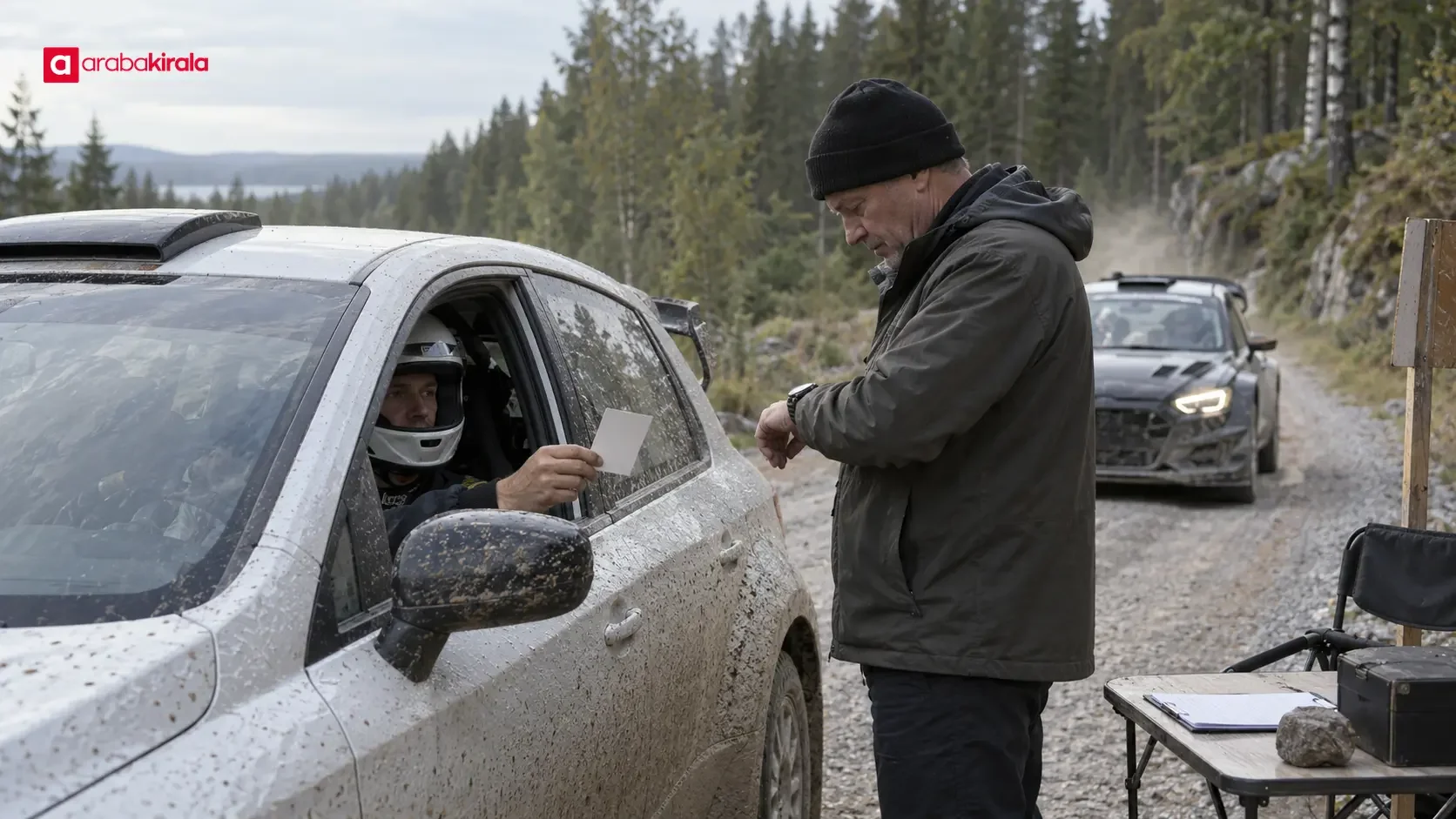
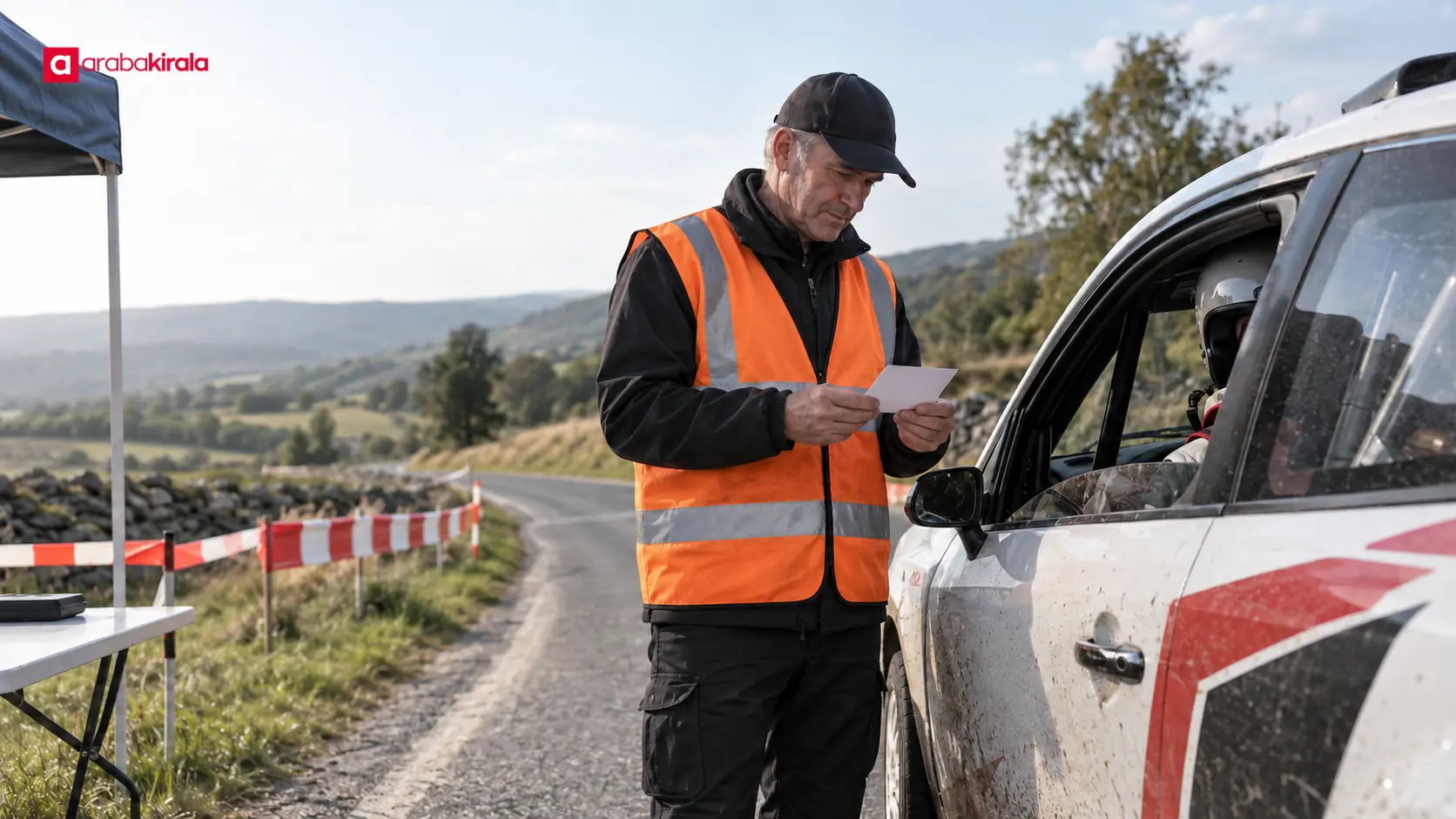
A time control, often abbreviated TC, is an official checkpoint where a crew’s arrival time is recorded. An official or the event’s approved recording method establishes whether the crew arrived in line with its schedule. A time control is different from a special-stage start: a TC may mark the end of a road section or another scheduled transition, while a stage start is the procedure that begins timed driving on the closed course.
Marked entry and recording areas may be set up around a control point. Crews pass through as directed by the event instructions and present their time card where required. Arriving early or late can have sporting consequences under the applicable rules, so competitors follow their schedule and the event-specific instructions. This structure keeps the different parts of the rally in sequence.
The role of the time card
A time card is an official record used by the crew at control points. It can show the relevant section or control and provide spaces for the times that need to be recorded. An official may enter a time on the card, or the event may use another formal method. The card is more than a reminder: it helps connect the planned controls in the itinerary with the crew’s recorded passage through them.
Different parts of a rally may use separate cards or card pages. The crew needs to use the correct record at the correct point, check the entries and know the next target time. For spectators, the useful distinction is simple: a time card helps track the schedule between stages; it is not the measurement of the car’s speed on a special stage.
Target time versus stage time
A road-section target time is the planned time allowed between two time controls. The rally itinerary may specify how long a crew has to travel from one control to the next. That value should not be read as the car’s time on a special stage. A stage time measures the timed drive from the start to the finish of a closed course; a target time organizes the scheduled transition between stages.
The time recorded at a stage finish tells how long the crew took on that course. The target time for the next control relates to the road section and any scheduled procedures along it. Official results can show different kinds of time side by side. Reading column headings and the event notes is the simplest way to avoid treating them as interchangeable.
How are stage start times and running order set?
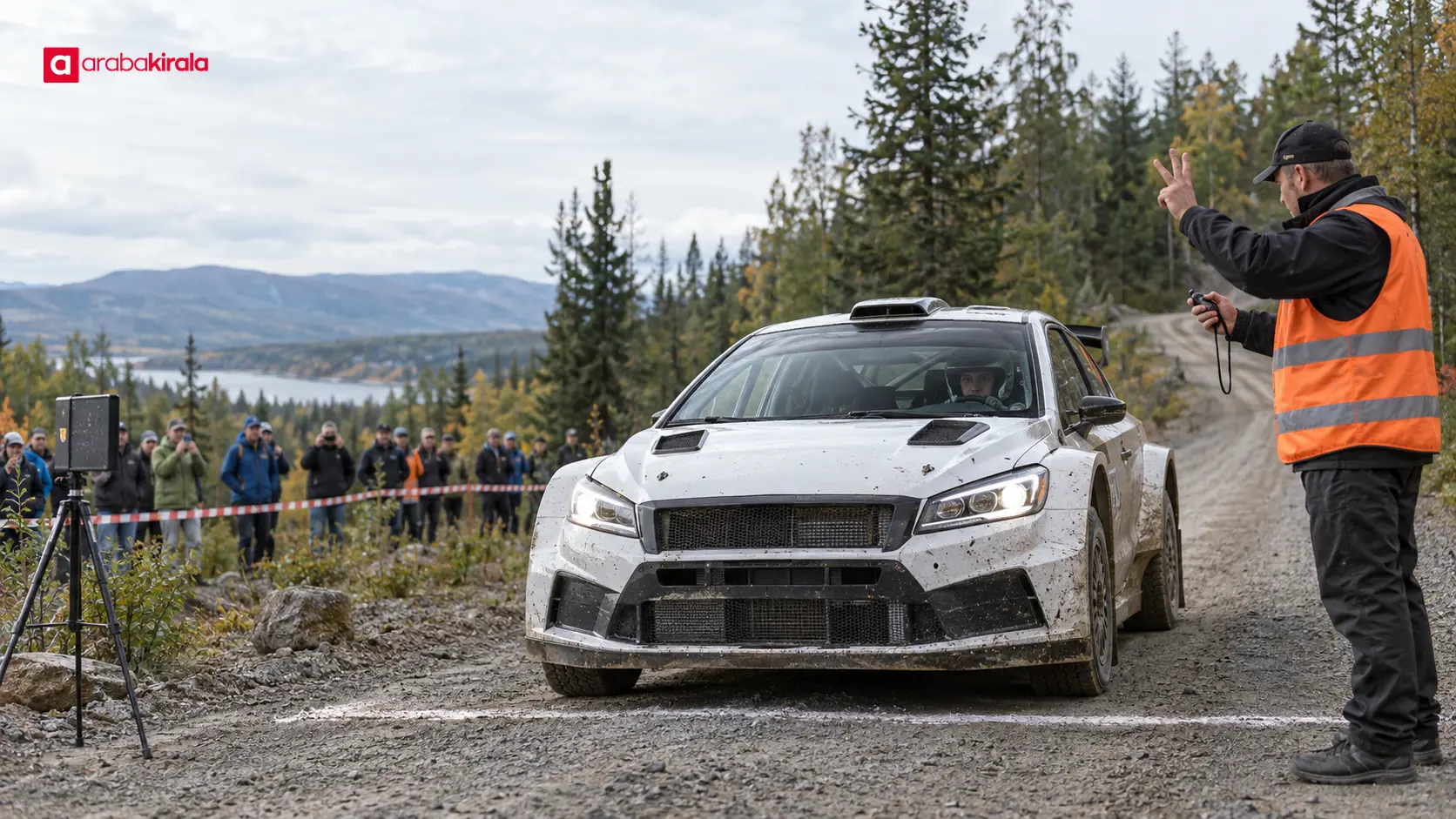
Cars do not normally begin a special stage as one group. Each crew receives a start time, and cars are released according to that schedule at intervals. The intervals help keep cars from bunching together on the course and make timing orderly. At the start line, an official or an approved signal system indicates when a crew may move. A premature start can breach the start procedure, so drivers follow the assigned timing or the official signal.
The running order depends on the start list for that part of the rally and the event’s rules. It need not remain identical from one stage to the next or from one rally day to another. Results, classes, previous positions and event-specific arrangements may be reflected in the order. There is no single universal rule that one type of car always starts first. Use the event’s official start list for the current order.
A start interval is not a control time
A start interval is the gap between successive rally cars leaving for a special stage. A control time is the recorded arrival at a time control on the rally route. These records serve different purposes: one spaces cars out on a stage, while the other tracks the schedule along the route. A stage start time tells when timed driving on that course begins; it should not be confused with the arrival time at the previous control.
How regrouping and service fit into the timing plan
Regrouping is a scheduled point where cars are brought together to organize the order and the next part of the event. The rally itinerary may set out how long crews wait or when they leave. A service area is a planned stop where the team works on its car within the event’s permitted framework. Entry and exit from these areas can form part of the schedule, but service time itself is not a stage result.
Stages, service and road sections form a connected timetable. A delay in one place can affect a crew’s plan for the next time control. Organizers may revise the schedule for sporting or safety reasons, so official event notices, start lists and rally documents are the best references when following live results.
How to read a rally timing screen
- Find the stage name first: The stage number and name identify the course the car is on.
- Separate start and finish records: Their difference relates to the time driven on that stage.
- Recognize TC: It means Time Control, an official checkpoint on the route, not the stage start.
- Check the target-time column: It describes the schedule between controls on a road section.
- Check the date and section on the start list: The running order can change during the rally.
- Use official results and notices: A live feed alone may not reflect a delay, interruption or schedule update.
Frequently asked questions about WRC time controls
Does a time control measure a car’s speed?
No. It records arrival at a specified point and monitors the schedule. A car’s time on a special stage is measured separately from its start and finish records.
Do crews try to drive as fast as possible on road sections?
The goal is to follow the route and reach the next control in line with the assigned schedule. A road section is not a special stage, and road traffic rules still apply.
Is the starting order the same for every stage?
Not necessarily. The official start list and event rules determine the order for the relevant section. Check the latest list, since the order can differ between stages or rally days.
Why can a stage time look different from the overall schedule time?
A stage time is the elapsed time on a special course. Schedule times relate to arrivals at controls and target durations between sections. They are separate measurements and may appear in different fields on a results screen.
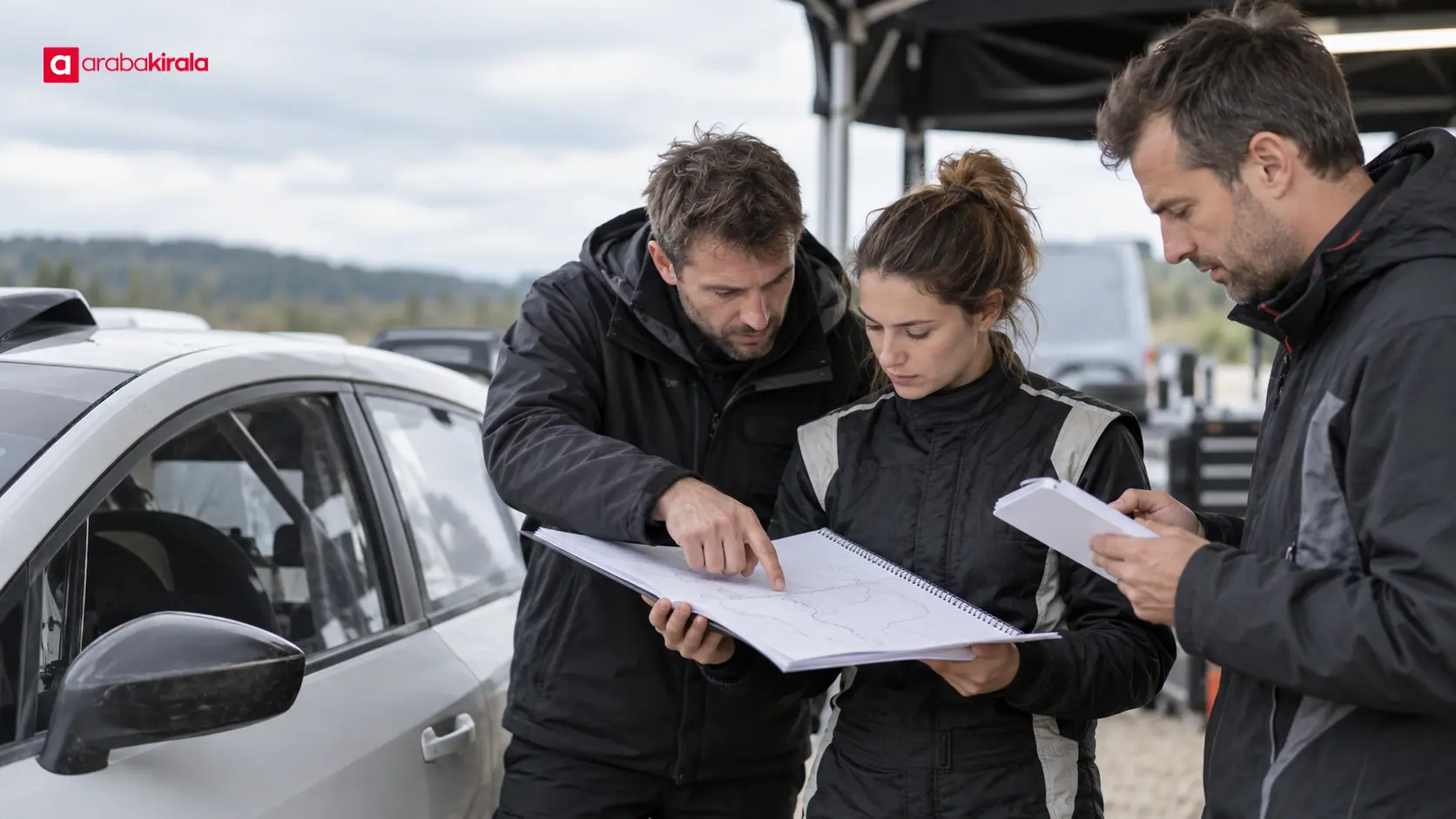
Summary: keep control times separate from stage times
WRC time controls record when crews reach designated points on the rally route and help the event schedule run in order. Time cards support those records, while stage start order spaces cars out on the course. Read road-section target times separately from special-stage results, and consult the rally’s official itinerary, start list and notices for current details.
Legal Disclaimer: All content, articles and information on the Araba Kirala website are provided solely to inform users. No information shared on this website constitutes definitive advice or guidance. Araba Kirala Teknoloji A.Ş. and its authors cannot be held responsible for any direct or indirect damages arising from the application of information on the website. For all questions and requests regarding car rental, please contact the office from which you will rent your vehicle.