WRC Tire Choice: Surface and Weather Conditions
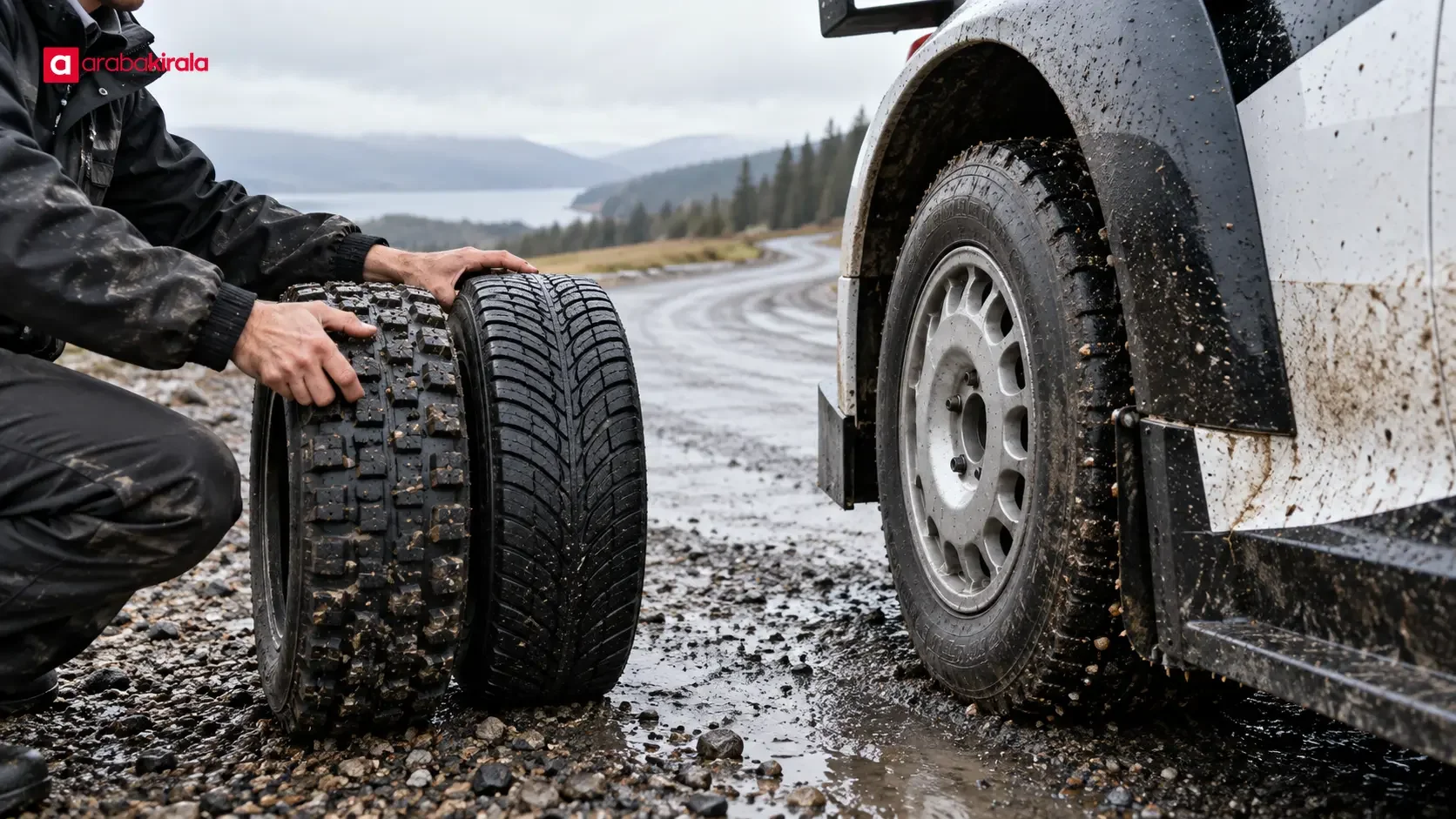
WRC tire choice is shaped by more than a forecast for sun or rain. Teams consider the road surface, expected temperatures, how abrasive the stage may be, whether it is wet or contaminated, and how a tire is likely to behave over the full competitive section. The aim is not simply to find the tire with the most grip at one moment. It is to choose a combination that helps the car remain predictable and controllable throughout the stage plan.
Rally stages can change character within a single day. A car may encounter clean asphalt, then muddy corners or loose gravel. That makes tire decisions relevant to traction, braking, steering response and the confidence a driver can carry through a corner. This guide explains the basic logic behind those choices and how teams read the relationship between surface and weather.
Why tire choice matters in the WRC
The tire is the car’s only contact with the road. Engine power, braking force and steering input all reach the surface through that contact. Compound, tread pattern, construction and operating temperature affect how grip builds, how long it lasts and what feedback the driver receives. A mismatched tire can make the car slide earlier, require more braking distance or lose performance as a stage progresses.
Rally makes the decision difficult because conditions can vary over short distances. Shaded sections may stay cooler and damp while exposed areas dry out. On gravel, a loose top layer can conceal a harder base; an asphalt stage can become dirty when cars bring mud or stones onto the racing line. Teams combine reconnaissance notes, weather information, observations and feedback from the car to assess those changes.
How asphalt and gravel tires differ
Asphalt tires
Rally tires designed for asphalt aim to maintain contact on a relatively firm, smooth surface. Tread designs can address dry or wet conditions. On dry roads, consistent contact and precise response matter; on wet roads, a pattern that channels water away from the contact area becomes important. A wet-weather asphalt tire is designed to help manage water, but speed, water depth and road shape still affect whether grip is available.
Asphalt temperature also matters. A cold morning and a sun-warmed road later in the day may not produce the same tire behavior. In cold conditions, reaching a suitable operating range can be harder. High temperatures and demanding driving can increase wear. Teams therefore consider more than the air temperature: they also look at how much sun the stage receives and when it is scheduled.
Gravel tires
On gravel, tread needs to engage with the surface and move loose material away. The pattern transfers acceleration and braking forces through a layer that may shift under the tire, while stones and ruts add impact loads. On soft or muddy ground, a pattern that can bite into the surface may help. On hard, dry and rocky roads, resistance to wear and damage can become more important. No single pattern is best on every gravel surface.
A road’s appearance can be misleading. Fine dust may cover a firmer layer, while rain can turn soil into mud and change its grip. During reconnaissance, teams assess how loose the surface is and how many stones are present. Cars that pass earlier can also clean, displace or break up the road, so the same stage may feel different depending on running order.
How weather changes the decision
Rain, temperature and wind affect the road surface in different ways. When rain starts can matter as much as how long it lasts, and drainage determines how quickly water clears. Wet asphalt and saturated gravel pose different challenges: water film and standing water matter on asphalt, while mud, ruts and softened ground can dominate on gravel.
A forecast describes likely conditions; it does not guarantee that the whole stage will be uniform. Elevation, shade and sun exposure can make temperature and moisture vary along the route. Rain arriving before the stage begins may leave a different surface from rain that starts while cars are competing. Teams revisit the decision using current observations and driver feedback as well as the forecast.
What teams consider together
- Surface type and condition: Dry, wet or dirty asphalt and hard, loose, muddy or rocky gravel place different demands on the tire.
- Stage profile: Corner frequency, fast sections, descents, heavy braking zones and surface changes determine the loads the tires will face.
- Air and road temperature: These affect compound behavior and wear. Air temperature alone does not describe the temperature of the road.
- Stage order and car passages: Earlier cars may move gravel, mud or stones onto the road. A stage can feel different at different running positions.
- Tire allocation and event plan: Teams distribute their available tires across the schedule. Unlimited choice for every section should not be assumed; applicable event rules and the team’s plan shape the decision.
- Driver feedback: The car’s behavior on corner entry, under acceleration and while braking informs later setup and tire decisions.
Soft and hard compounds: balancing grip and durability
Compound influences grip characteristics and the rate of wear. In suitable conditions, a softer compound may offer strong grip, while it may also wear more quickly. A harder compound may be intended to last longer, but it may not deliver the expected feel if the surface and temperature do not suit it. These are general tendencies, not a complete decision rule: tire model, tread, vehicle setup and road conditions all matter.
The highest initial grip is not always the best choice for a rally. On a long stage, teams care about how performance holds up as the tire wears. A short special stage may reward a quick response, while several sections before service can make durability and planning more important. Teams weigh those factors against stage length, road character and the tires available to them.
Tires and car setup work together
The grip a tire can use interacts with suspension, differential and brake settings. Suspension behavior affects how the wheel follows bumps and maintains contact; differential behavior affects how drive is shared between wheels. Teams therefore do not treat a tire as an isolated part. They consider its character alongside the car’s setup and the response the driver wants.
This relationship also helps fans interpret what they see. More sliding through a corner cannot automatically be attributed to tire choice. The surface may have changed, a tire may be worn, setup may differ, or the driver’s line may have changed. A single image from a stage does not prove which compound a team used or why it made a particular decision.
Managing tires before and during a stage
During reconnaissance, crews record the road’s character and sections that need attention. Those observations are combined with weather information and technical assessment to build a tire plan. Before a stage, tires must be fitted and checked for condition and pressure according to the team’s procedures. These checks are handled by the specialist crew, while drivers report how the tires behave during competition.
After a stage, teams may inspect wear patterns and visible damage. Uneven wear, cuts or impact marks can provide clues about the surface and the car’s behavior. A visual inspection alone does not establish cause; engineers interpret findings alongside stage notes and driver feedback. Driving line and pace also affect tire preservation. Avoiding unnecessary hard impacts on rocky ground can help protect the tires and other vehicle components.
How fans can follow WRC tire decisions
When watching a rally, track the surface, the timing of rain, temperature changes and the order in which cars run. If official event or team coverage reports a tire choice, connect it to the conditions on that particular stage. A choice that appears sensible on a dry start may lose its advantage if rain arrives; if expected rain does not materialize, another approach may prove more suitable.
Do not reduce tire choice to “soft or hard.” Surface type, tread, compound, stage length and the event plan all matter. When assessing the outcome, consider driver consistency, tire condition at the finish and the conditions expected on later stages in addition to the stage time. That gives a more useful way to understand a decision than judging it from one result alone.
Frequently asked questions
Does rain always mean WRC teams choose wet tires?
Rain alone is not enough to determine the choice. Teams assess how wet the road is, standing water, the stage surface and when the rain arrived. Rain affects asphalt and gravel differently, so the full set of conditions matters.
Does a soft tire always provide more grip?
A soft compound can contribute to grip at suitable temperatures and on suitable surfaces, but wear and the time it must remain effective also matter. The result depends on tread, road conditions and how the tire operates.
Why don’t rally teams fit new tires for every stage?
The event’s tire allocation and service plan shape how teams distribute their tires. Stage length, conditions on the following sections and the condition of the tires are considered together. Tire choice is part of a rally-wide plan.
Does tire choice determine a stage result by itself?
No. Tires are an important factor, but driving, vehicle setup, road conditions, running order and mechanical condition also affect the result. One stage time cannot establish that a tire decision alone was right or wrong.
Summary
WRC tire choice brings together surface, weather, temperature, stage profile, tire wear and event planning. Asphalt and gravel tires are designed around different surface demands, while soft and hard compounds involve a balance between grip and durability. Fans can understand a choice more clearly by following the conditions and stage order instead of tying it to one forecast or one result.
Legal Disclaimer: All content, articles and information on the Araba Kirala website are provided solely to inform users. No information shared on this website constitutes definitive advice or guidance. Araba Kirala Teknoloji A.Ş. and its authors cannot be held responsible for any direct or indirect damages arising from the application of information on the website. For all questions and requests regarding car rental, please contact the office from which you will rent your vehicle.