Ankara to Hattusha and Alacahöyük: A Road Trip Guide

Published: November 19, 2026 • Reading Time: 6 min • Last Updated: November 19, 2026 • Author: Merve B.
Contents
- Why plan the route in advance?
- How the two sites differ
- Hattusha: a capital across a broad landscape
- Alacahöyük: museum collections and the Sphinx Gate
- Choosing the visit order and schedule
- Preparing for the drive and the site terrain
- A brief checklist before departure
- Summary and next step
- Frequently Asked Questions
- Related Articles
- Sources
Alacahöyük A Road Trip directly describes the main subject covered in this guide. A Hattusha Alacahöyük road trip from Ankara brings two major archaeological sites into one cultural itinerary. This guide explains how to think about distance, choose a sensible visit order, and account for the walking each site involves. You will also find practical planning steps for the drive and a way to decide whether one long day or a slower two-day visit suits your pace.
Why plan the route in advance?
For Alacahöyük A Road Trip, the practical points below should be considered together. Hattusha is in Boğazkale district of Çorum, about 208 kilometres from Ankara according to the Ministry of Culture and Tourism museum page. Alacahöyük is near Alaca. Although both places can be plotted on one map, the distance between stops is only part of the day. Hattusha is an extensive ancient city, and exploring its different areas includes time on foot as well as time in the car.
The Ankara to Hattusha distance is a useful starting point, not a guaranteed travel time. Your departure point, route choice, traffic, weather, and rest stops all affect arrival. Check a current navigation route before setting out and leave a buffer instead of treating its estimate as an appointment. An early start can help if Alacahöyük is also on the plan, since it avoids squeezing the return drive into the last part of the day.
How the two sites differ
Hattusha: a capital across a broad landscape
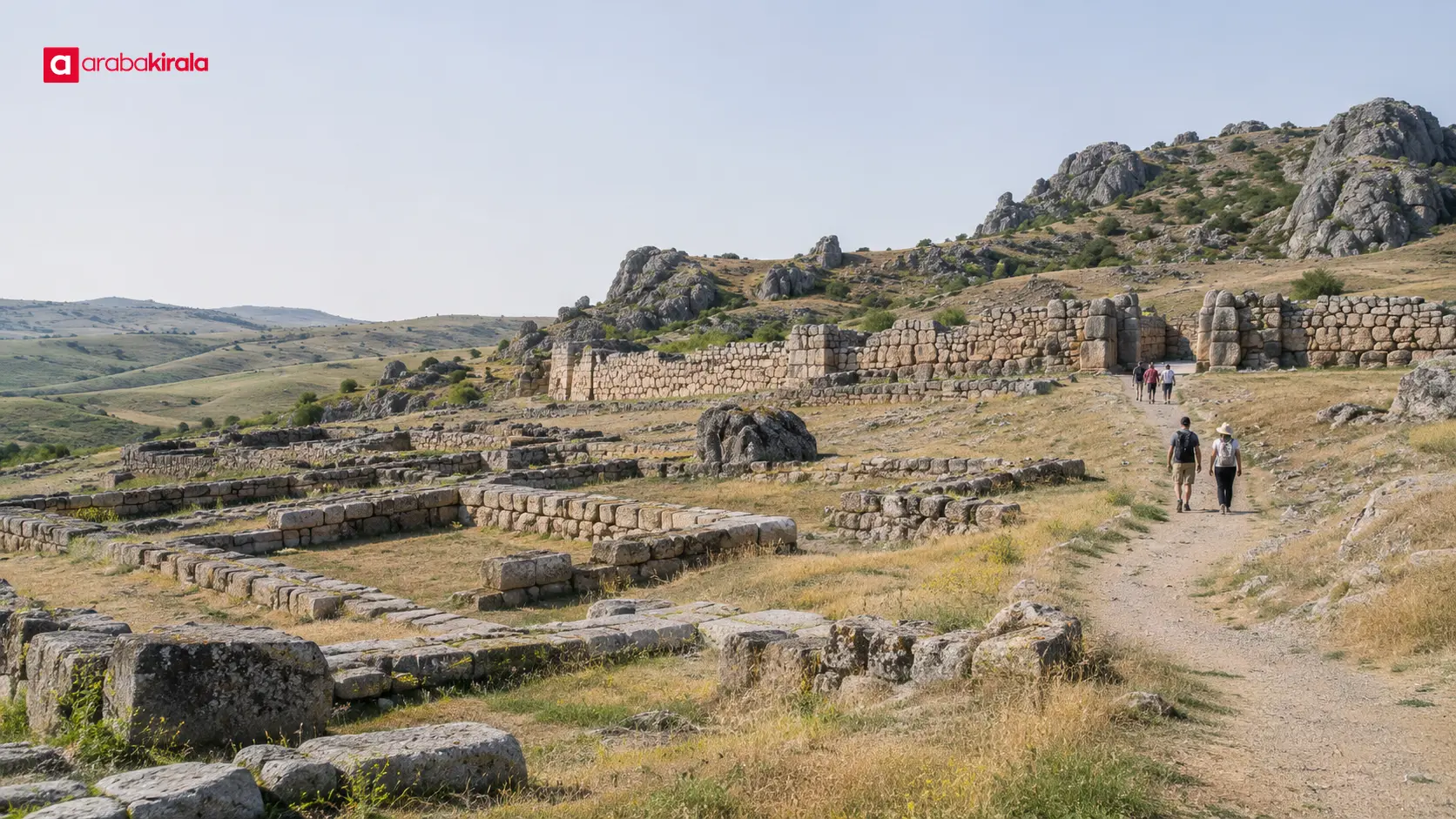
Hattusha was the Hittite capital and is arranged across areas commonly described as the Lower City and Upper City. The Great Temple, monumental gates, and remains scattered across the hills show why a visit is more than a quick stop at one structure. The Ministry’s visitor information describes a city wall extending for more than eight kilometres; that scale helps explain why comfortable walking shoes and unhurried exploration matter.
Do not confuse driving time with the time needed at the Hattusha archaeological site. Walking between viewpoints and examining remains are part of the visit. Before arrival, check official visitor information for current access, route conditions, and where visitors may leave a vehicle. On uneven or sloping ground, steady walking makes it easier to see the site while taking care around historic remains.
Alacahöyük: museum collections and the Sphinx Gate
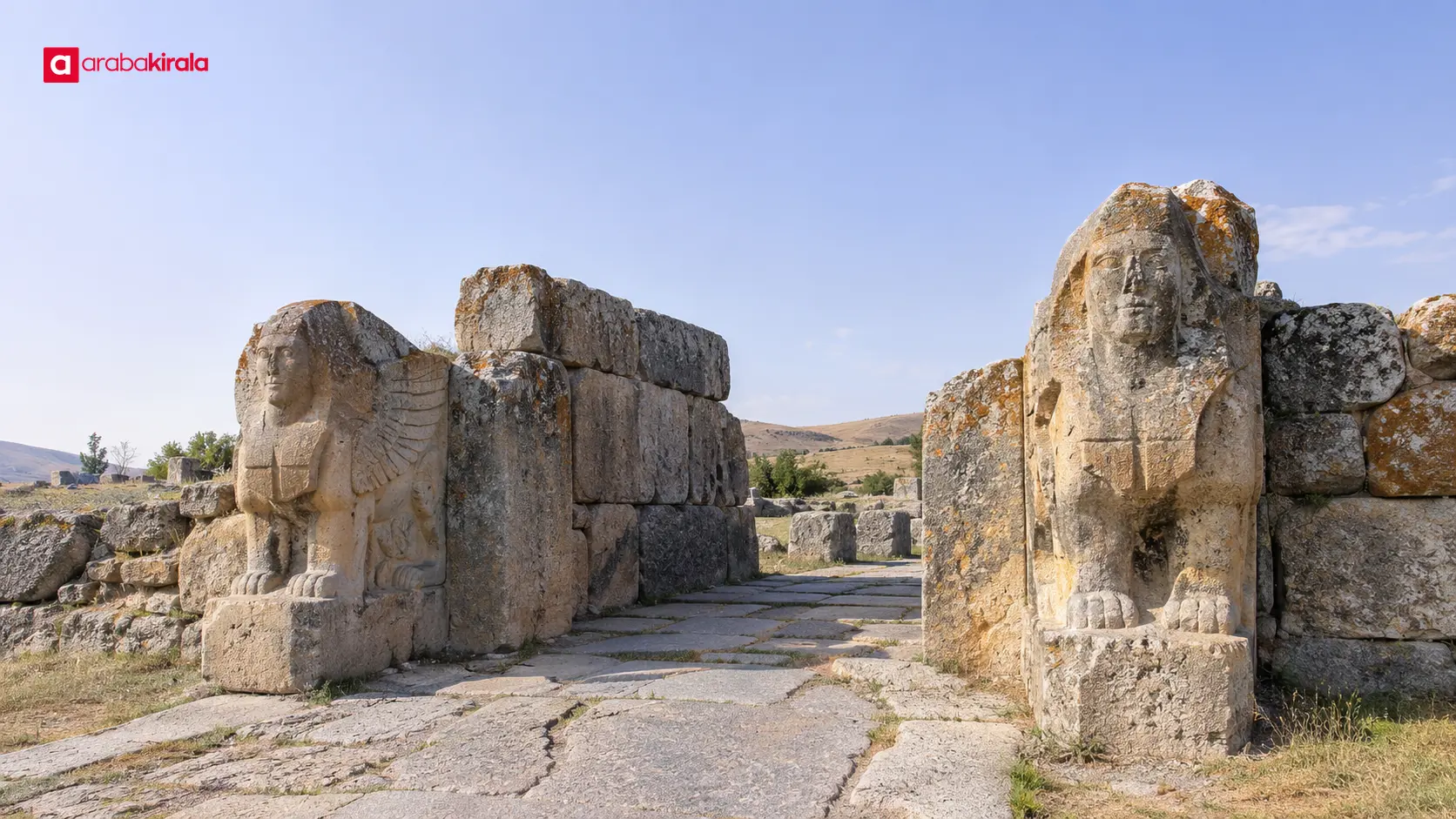
Alacahöyük is a mound and museum setting with traces from several periods. The museum displays finds associated with the Chalcolithic, Early Bronze Age, Hittite, and Phrygian periods. At the archaeological site, the Sphinx Gate is a particularly recognizable monumental feature. A visit therefore combines looking at remains in the open air with seeing objects that add context to the area’s history.
Allow separate time for the museum and the archaeological remains rather than treating Alacahöyük as a single brief photo stop. If you have planned a long walk at Hattusha, decide which exhibits and features matter most to you so the second stop does not become rushed. The two sites have different rhythms, and the itinerary works better when it reflects that.
Choosing the visit order and schedule
For a one-day itinerary, visiting Hattusha first and Alacahöyük afterwards can be practical: the longer walk takes place earlier, before fatigue builds. That order is a planning option, not a fixed rule. Check the current opening and closing information for both museums and archaeological sites, seasonal notices, and road conditions; then choose the sequence that fits your starting point and travel date.
Combining both places in one day may limit the time available for close study. If you want a thorough visit, are traveling with children, or prefer plenty of photography and rest breaks, spreading the route across two days may be more comfortable. Research current accommodation options around Boğazkale or Alaca separately if you plan to stay overnight; do not assume a particular facility or service is available.
- Short visit: Choose one site and give its walking and exhibits proper time.
- Full day: Aim for both sites, start early, and decide in advance what you most want to see at each.
- Easy pace: Split the route over two days so driving, museums, outdoor exploration, and breaks have room.
Preparing for the drive and the site terrain
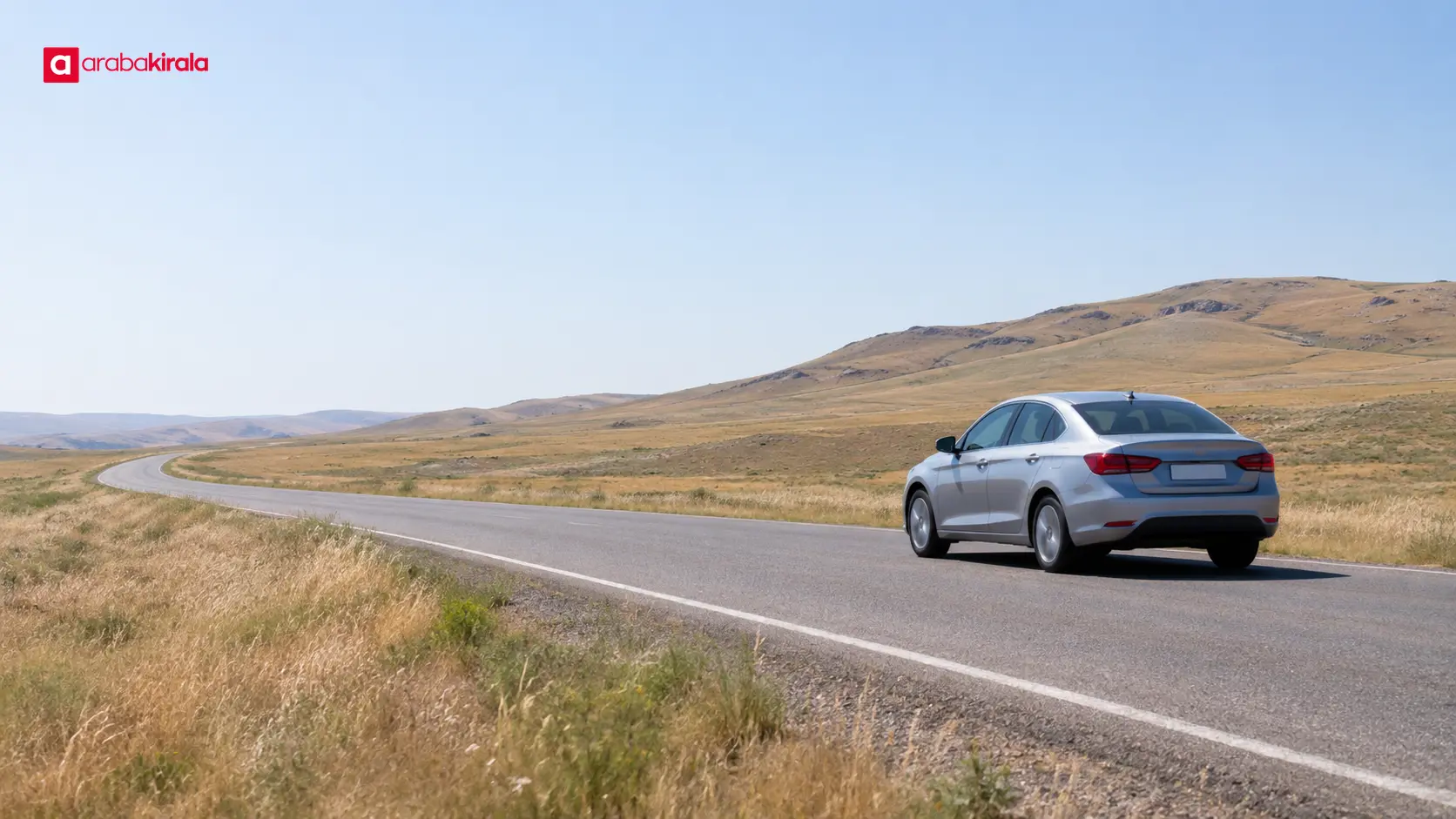
A self-drive cultural route makes it easier to plan transitions between stops without depending on public transport timetables. It does not remove the walking required within an archaeological site. Before leaving, review your fuel or charging plan, the basic condition of the vehicle, navigation access, and whether you have offline maps available. Mobile coverage can vary in rural areas.
Wear shoes with soles suited to walking, dress for the forecast, and bring water and sun protection as appropriate. Do not climb on historic masonry or touch surfaces in ways that could cause damage; follow designated visitor routes and site guidance. When taking photographs, leave room for other visitors and stay aware of your footing.
If you plan to use a rental car, ask the branch where you will collect it about mileage arrangements, pickup and return times, additional-driver terms, deposit and payment method, and any route or use restrictions. Details can depend on the branch and reservation. At pickup, make a note of existing marks and the fuel or charge reading; check the same basics at return so the vehicle’s condition and recorded readings can be compared. These are general record-keeping steps, not promises about a company’s service.
A brief checklist before departure
- Check current routes from Ankara to Boğazkale and Alacahöyük, and allow for breaks beyond the navigation estimate.
- Recheck official visitor information close to your travel date.
- Choose one or two days based on walking pace, daylight, and your return-drive plan.
- If renting, confirm reservation-specific details with the branch that will hand over the vehicle.
Summary and next step
A rewarding Hattusha Alacahöyük road trip accounts for the distinct character of each stop: Hattusha calls for exploration across a broad landscape, while Alacahöyük combines a museum visit with the Sphinx Gate and mound. Treat the Ankara drive estimate as a guide, and plan around current route information, visitor hours, walking, and rest stops.
Start by pinning both sites on a map, checking official visitor details, and deciding whether your pace calls for one day or two. If you will rent a vehicle, confirm branch-specific arrangements with the pickup location. With those details in hand, you can turn the route into a realistic and flexible cultural itinerary.
Frequently Asked Questions
How far is Hattusha from Ankara by road?
The Ministry of Culture and Tourism museum page lists Hattusha at about 208 kilometres from Ankara. Your actual distance depends on your starting address and route, so review current navigation directions before departure.
Can I visit Hattusha and Alacahöyük in one day?
It is possible to plan both sites in one day, but Hattusha covers a large area and involves walking. Check visitor hours and road conditions, then decide whether your pace allows both stops; two days can provide more time for a detailed visit.
What should I wear for walking at Hattusha?
Choose comfortable walking shoes with suitable grip, and dress for the forecast. Bring water and sun protection when conditions call for them, and follow current site guidance about paths and terrain.
What can I see at Alacahöyük?
You can visit the museum and archaeological mound. The Sphinx Gate is a prominent monumental feature, while the museum displays archaeological and ethnographic objects connected with different periods of the region’s history.
What should I ask before renting a car for the trip?
Ask the pickup branch about mileage, return timing, additional drivers, deposit and payment arrangements, and any route restrictions. Confirm the details for your own reservation before setting the final schedule.
Related Articles
- A Road Trip to Taşkale Grain Stores and Manazan Caves in Karaman
- Amasya by Car: A History Route to the Pontic Rock Tombs and Yalıboyu Houses
- A Driving Guide to Prusias ad Hypium and Konuralp Museum in Düzce