
A Driving Guide to Prusias ad Hypium and Konuralp Museum in Düzce
Published: October 17, 2026 • Reading Time: 7 min • Last Updated: October 17, 2026
Plan a visit to Prusias ad Hypium and Konuralp Museum by car, with practical guidance on route order, parking, walking, and what to check before setting off.
Contents
- Why visit Prusias ad Hypium and Konuralp Museum together?
- Planning the route and your day by car
- Should you start at the museum or the archaeological site?
- Leave room in the schedule
- What to keep in mind at the archaeological site
- Making the most of Konuralp Museum
- A short checklist before you set off
- Adding nearby stops to the outing
- Summary and your next step
- Frequently Asked Questions
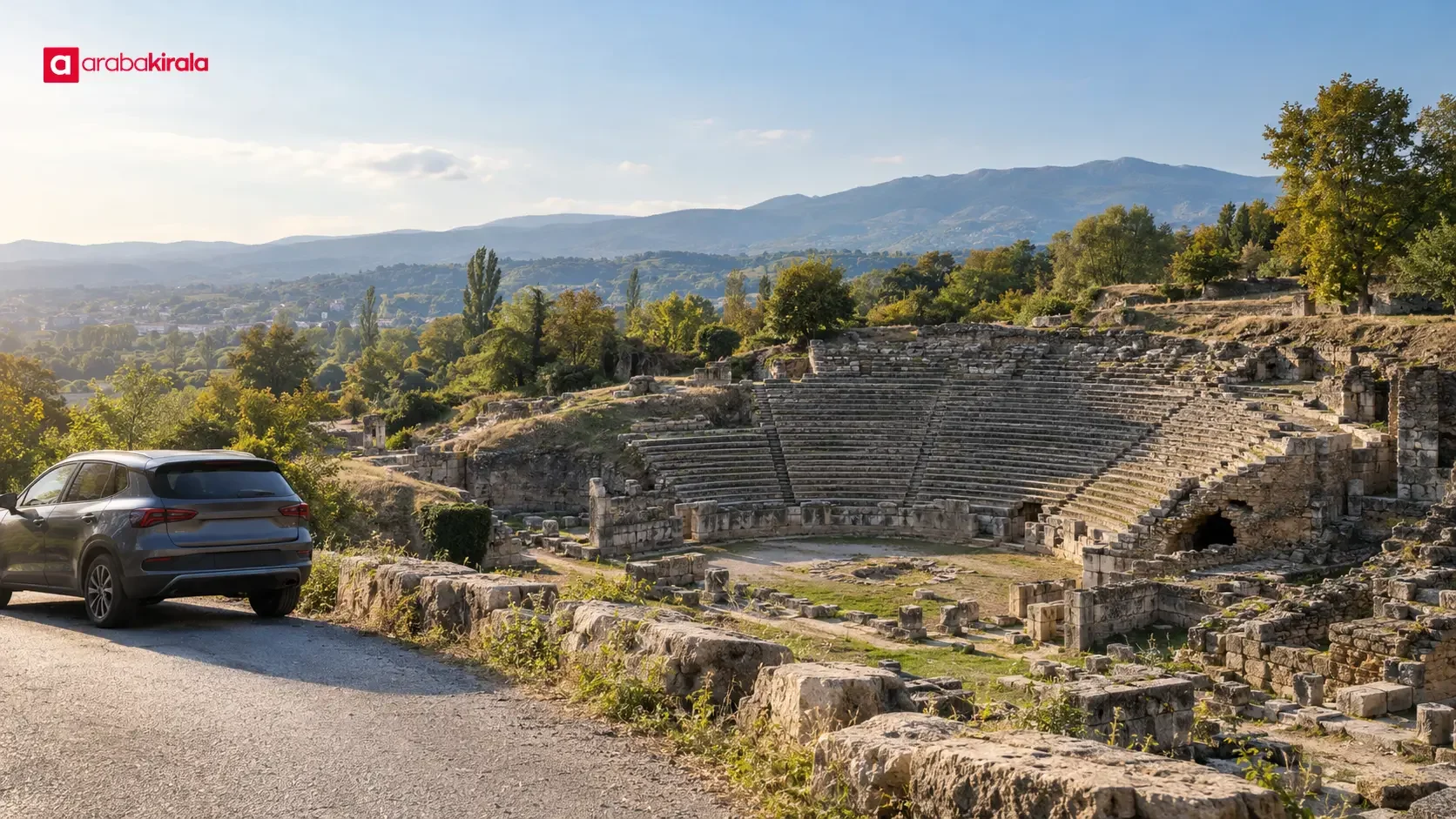
If you are planning to explore Düzce’s historic places by car, Prusias ad Hypium and Konuralp Museum make a useful pair of stops. This guide explains how the archaeological site and museum complement each other, how to arrange the day, and why the visit still involves time on foot after you park. With a little preparation, you can look more closely at the ancient remains and connect them with the objects displayed indoors.
Why visit Prusias ad Hypium and Konuralp Museum together?
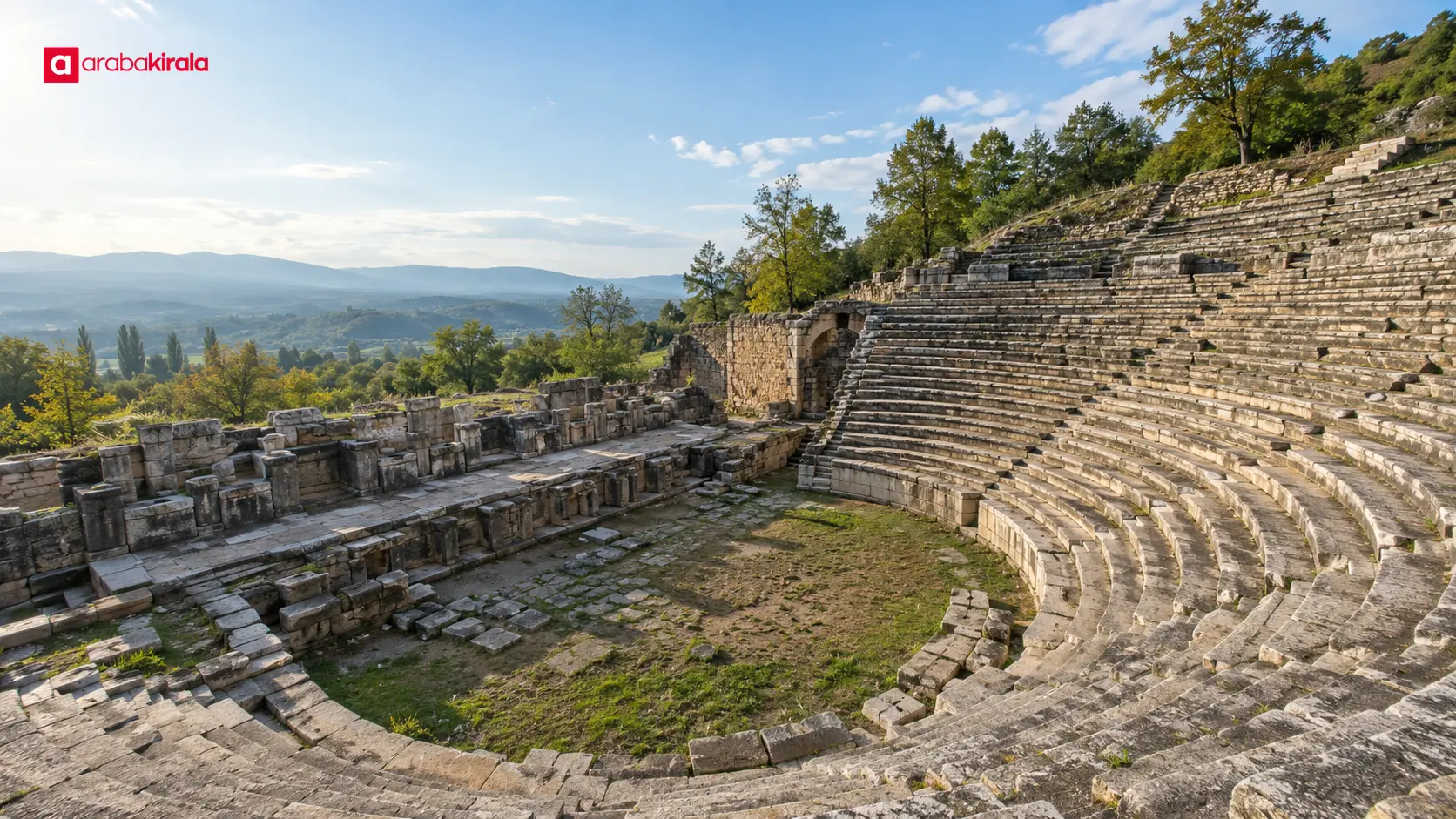
Prusias ad Hypium is an archaeological site in the Konuralp area where visitors can encounter traces of the ancient settlement in their original outdoor setting. The ancient theater is among its most recognizable features. Its stone seating and surviving structural details help visitors understand it as a civic space designed for performances and gatherings, rather than simply a scenic backdrop. Take time to notice the slope of the seating, the arrangement of the stones, and how the structure relates to the surrounding terrain.
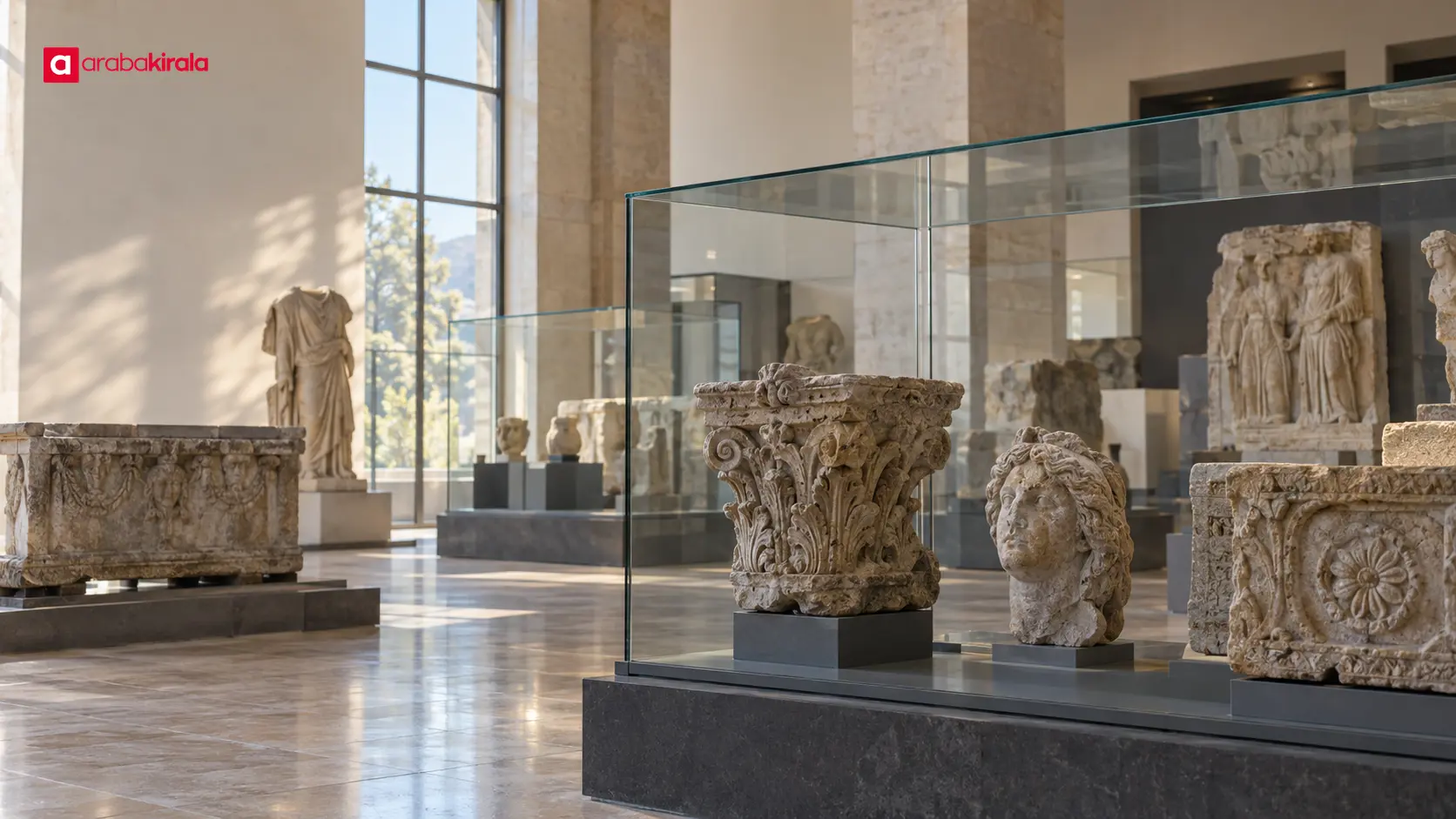
Konuralp Museum offers a different perspective by presenting archaeological finds in a protected exhibition setting. The site helps you grasp the scale and layout of the remains, while museum objects can be examined more closely and considered through their materials, forms, and labels. Visiting both creates a fuller experience: one stop shows the physical traces of the ancient place, and the other provides objects that add context. Exhibitions and visitor arrangements can change, so confirm current information through official channels before travelling.
Planning the route and your day by car
A car can make it easier to reach the Konuralp area from elsewhere in Düzce and to set a pace that suits your group. Driving does not guarantee access right to every feature or a parking space beside every stop. Review the route and estimated travel time before you leave, then follow current road signs as you approach the destination. Traffic, roadworks, and local access conditions can affect a navigation estimate, so treat it as a guide rather than a fixed promise.
Should you start at the museum or the archaeological site?
Starting at the museum can give you a framework for what you will see outdoors. After learning about objects and their archaeological context, you may notice more detail among the theater and other remains. If weather is suitable, some visitors may prefer to walk outdoors earlier in the day. Choose the order based on current opening times, weather, and the pace of your party. Check the day’s hours with official sources rather than relying on old listings.
Leave room in the schedule
The time needed at each stop depends on which areas are open, the exhibitions on view, and how closely you want to explore. A tightly packed itinerary can leave little time to read, rest, or look at the setting. Account for walking after you park, and allow flexibility for on-site conditions. Before you set out, confirm whether the museum and archaeological area are open that day and whether any temporary arrangements affect access.
What to keep in mind at the archaeological site
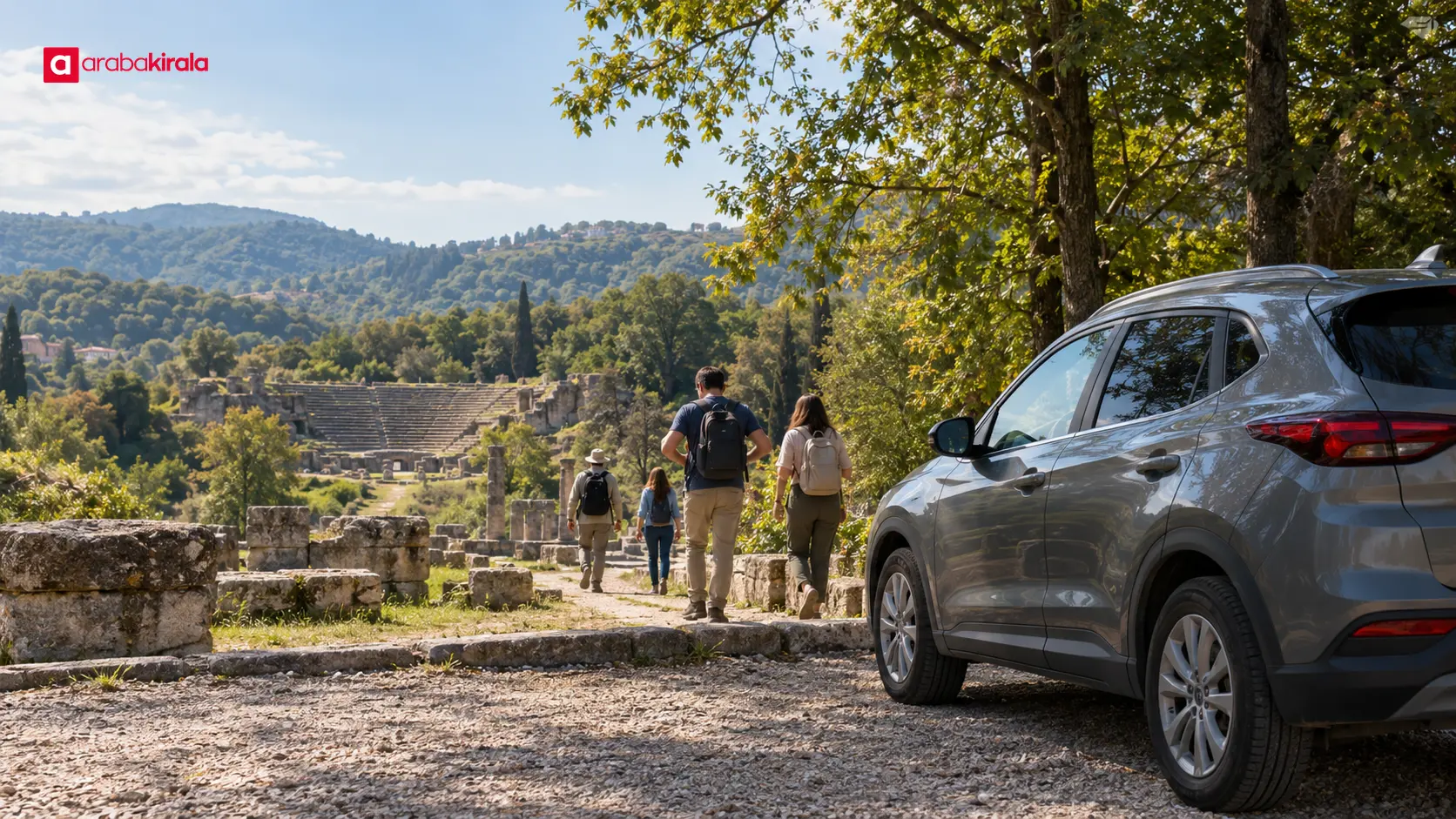
Use designated paths and respect barriers or closed areas. Avoid climbing on ancient stones or moving fragments; archaeological remains are vulnerable to wear, and surfaces may be uneven, sloped, or slippery. Comfortable shoes with a stable sole make walking easier and help you watch your footing. Leave any finds where they are and do not touch fragile surfaces.
Prepare for sun, wind, or rain depending on the season. Water, a hat, or a light rain layer may be useful, and you can leave nonessential items in the car before walking. When taking photographs, respect other visitors’ privacy and follow any local photography guidance. Do not assume every section is equally accessible. Visitors with mobility needs can contact the relevant institution beforehand to ask about entrances, surfaces, and routes, which helps set realistic expectations.
Making the most of Konuralp Museum
Consider the exhibits as clues to the archaeological landscape, rather than as isolated objects. Read the available interpretive labels and look at materials, shapes, and details that may help explain what you encounter outdoors. When visiting with children, inviting them to notice stonework, sculptural details, or signs of everyday life can make the visit engaging without requiring speculation or an elaborate story.
Follow the museum’s current visitor rules. Photography, bags, and access to particular rooms may be subject to the institution’s arrangements; use the posted guidance and staff instructions. If a term or object raises a question, make a note to look it up later. After leaving the museum, consider how the exhibits relate to structures at the archaeological site. That connection is what makes the two stops especially rewarding as one outing.
A short checklist before you set off
- Confirm visitor information: Check official sources for opening hours, access, and any temporary changes at the museum and site.
- Review the route: Check road conditions before departure and allow for travel estimates to change.
- Plan parking and walking: Park only where permitted and avoid blocking traffic or entrances. Follow current local directions about parking and the walk from the vehicle.
- Dress for the weather and terrain: Choose season-appropriate clothing and sturdy shoes, and bring water for time outdoors.
- Set a realistic pace: Leave separate time for the museum and open-air remains, including pauses to examine what you see.
- Check specific access needs: Ask the museum or relevant local office for current details about accessibility, strollers, or places to rest.
Adding nearby stops to the outing
If time and road conditions allow, you can research other cultural places in the Konuralp area. Do not assume that a nearby point is easy to reach on foot, has convenient access, or offers parking. Confirm that any added destination is open and check local access before including it. If this outing is part of a car rental plan in Düzce, ask the branch you will rent from about reservation-specific details such as pickup, use of the vehicle, and return arrangements. These details depend on the branch and booking.
Summary and your next step
At Prusias ad Hypium, you can explore the ancient theater and other remains outdoors; at Konuralp Museum, you can view archaeological objects in an exhibition setting. Choose the order with opening times and weather in mind, check the driving route, and allow for walking after parking. Confirm official visitor information before departure and prepare suitable footwear and clothing. These steps help turn a Düzce historic-site road trip into a more thoughtful visit, rather than a hurried list of stops.
Frequently Asked Questions
Can I visit Prusias ad Hypium and Konuralp Museum on the same day?
You can plan both for one day, depending on their current hours, road conditions, and the time you want at each stop. Check official visitor information for both locations and arrange your schedule around it.
Do I need special footwear for the ancient theater?
Special equipment is generally not the point; choose comfortable shoes with a stable sole for walking on uneven ground. Watch your footing and stay out of restricted areas.
Is photography allowed inside Konuralp Museum?
Photography rules follow the museum’s current arrangements, and restrictions may apply in some areas. Check the visitor information at the entrance and follow staff directions.
How close can I park to the archaeological site?
Parking availability and permitted locations depend on the site’s current layout. Use a legal space that does not obstruct traffic or entrances, and follow local signs or staff guidance.
How much time should I allow for the visit?
The time depends on how thoroughly you explore the exhibits, how much you walk outdoors, and the day’s access arrangements. Rather than relying on a fixed duration, leave room for both stops and check current hours.
Is the site suitable for visitors with limited mobility?
Do not assume every route or surface is accessible. Contact the museum or relevant local office before travelling for current information about entrances, paths, and areas that can be reached.
Legal Disclaimer: All content, articles and information on the Araba Kirala website are provided solely to inform users. No information shared on this website constitutes definitive advice or guidance. Araba Kirala Teknoloji A.Ş. and its authors cannot be held responsible for any direct or indirect damages arising from the application of information on the website. For all questions and requests regarding car rental, please contact the office from which you will rent your vehicle.












